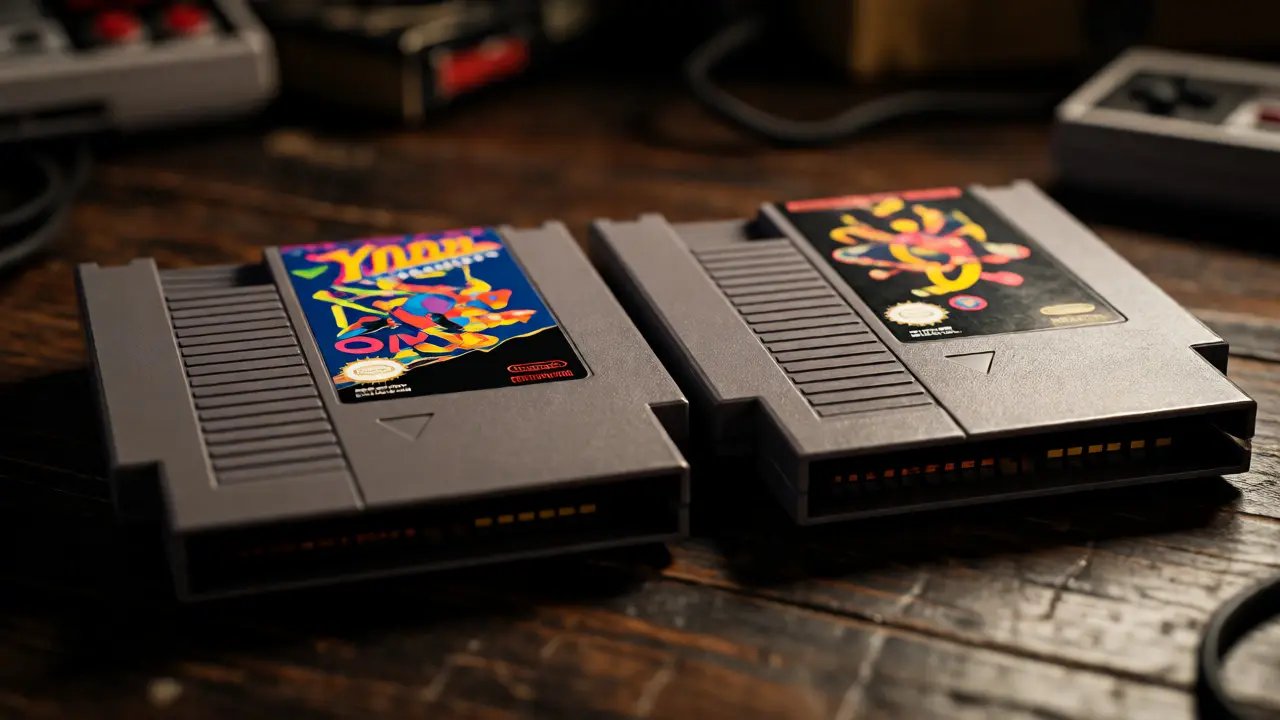
You just found a sealed copy of Super Mario Bros. in your attic. It looks pristine, the box is crisp, and you’re ready to cash out. But when you check eBay, you see one listing for $50 and another for $2,500. Why? The difference isn’t just condition-it’s about region variants and whether it’s a first print. If you don’t know how to spot these details, you’re either leaving money on the table or overpaying for a common reprint.
Valuing video games isn’t like valuing stocks. There’s no single ticker price. Instead, value hinges on scarcity, historical significance, and specific manufacturing quirks that collectors obsess over. Two identical-looking cartridges can have vastly different worth based on where they were made and when they hit the shelves. Understanding this nuance turns you from a casual seller into a savvy collector.
The Geography of Value: Understanding Region Codes
When we talk about region variants, we’re looking at how publishers segmented the global market. Back in the 8-bit and 16-bit eras, hardware wasn’t universal. A cartridge bought in Japan wouldn’t work on an American console without modification. This created distinct ecosystems with different release schedules, packaging standards, and content restrictions.
Nintendo Entertainment System (NES) games are the classic example here. The Japanese version, known as the Famicom, used different connectors and had a completely different library structure than the US NES. Collectors prize original Famicom titles because they often contain unique art, exclusive levels, or earlier versions of mechanics that changed in Western releases. For instance, the Japanese Mega Man 4 has different enemy placements and difficulty spikes compared to its US counterpart. That mechanical difference makes the Japanese cart more desirable to speedrunners and hardcore fans, driving up its price.
Then there’s the PAL vs. NTSC divide. Europe, Australia, and parts of Asia used the PAL standard, which ran games at 50Hz instead of the 60Hz NTSC standard used in North America and Japan. This caused PAL games to run slower, sometimes leading to awkward audio pitch changes. Because PAL regions received fewer releases overall, many popular US titles never made it to Europe, or arrived years late with altered graphics due to censorship laws. Germany, for example, banned blood and gore in games until the mid-90s. A German Doom cartridge with red blood replaced by green slime is a niche but valuable variant for those seeking completeness.
| Region Code | Primary Markets | Key Characteristics | Collector Demand |
|---|---|---|---|
| NTSC-U/C | North America, South Korea | 60Hz refresh rate, English text, wide release | High for rare titles; low for common hits |
| PAL | Europe, Australia, Brazil | 50Hz refresh rate, localized languages, censorship edits | Medium-High for exclusives; Low for ports |
| JPN | Japan | Unique art, early mechanics, import appeal | Very High for RPGs and platformers |
| KOR | South Korea | Rare localizations, high production quality | Niche but growing rapidly |
First Prints vs. Reprints: The Manufacturing Timeline
Once you’ve identified the region, the next layer of complexity is the print run. In the physical media era, games weren’t printed once and forgotten. Publishers produced them in batches. The initial batch is the "first print." Subsequent batches are reprints. Over time, manufacturers cut costs, changed suppliers, or fixed minor errors, resulting in subtle differences between copies.
How do you spot a first print? You look for imperfections. Early production runs often lacked final polish. Cartridge labels might have typos, wrong color shades, or missing copyright symbols. Box inserts might be folded incorrectly or use lower-quality paper stock. These "mistakes" are gold to collectors because they prove the item was part of the earliest wave of distribution.
A famous example is the Wario Land II cartridge for the Game Boy. Some early copies had a slightly different label alignment or font weight. While not always worth thousands, these variations signal authenticity and age. More dramatically, look at the Sonic the Hedgehog series on Sega Genesis. First prints often featured brighter, more saturated colors on the box art before printing processes shifted to save ink. Later reprints looked duller. Collectors pay premiums for the vibrant originals because they represent the vision of the marketing team at launch.
Reprints are generally less valuable unless they introduce new features. Sometimes a reprint fixes a bug or adds a language option. However, if the reprint is identical to the first print except for a date code change, it’s usually worth 10-30% less. The key is checking the date code stamped on the cartridge shell or printed inside the box flap. An earlier date code confirms a first print status.
Why Condition Still Reigns Supreme
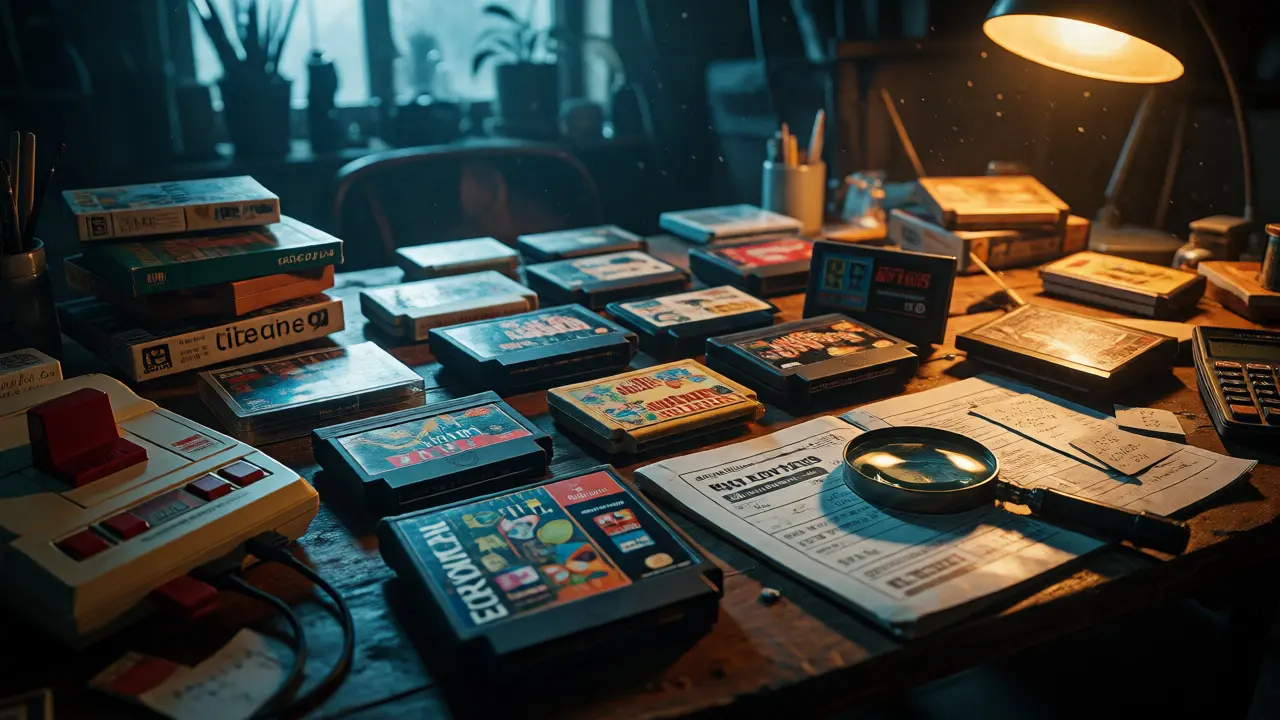
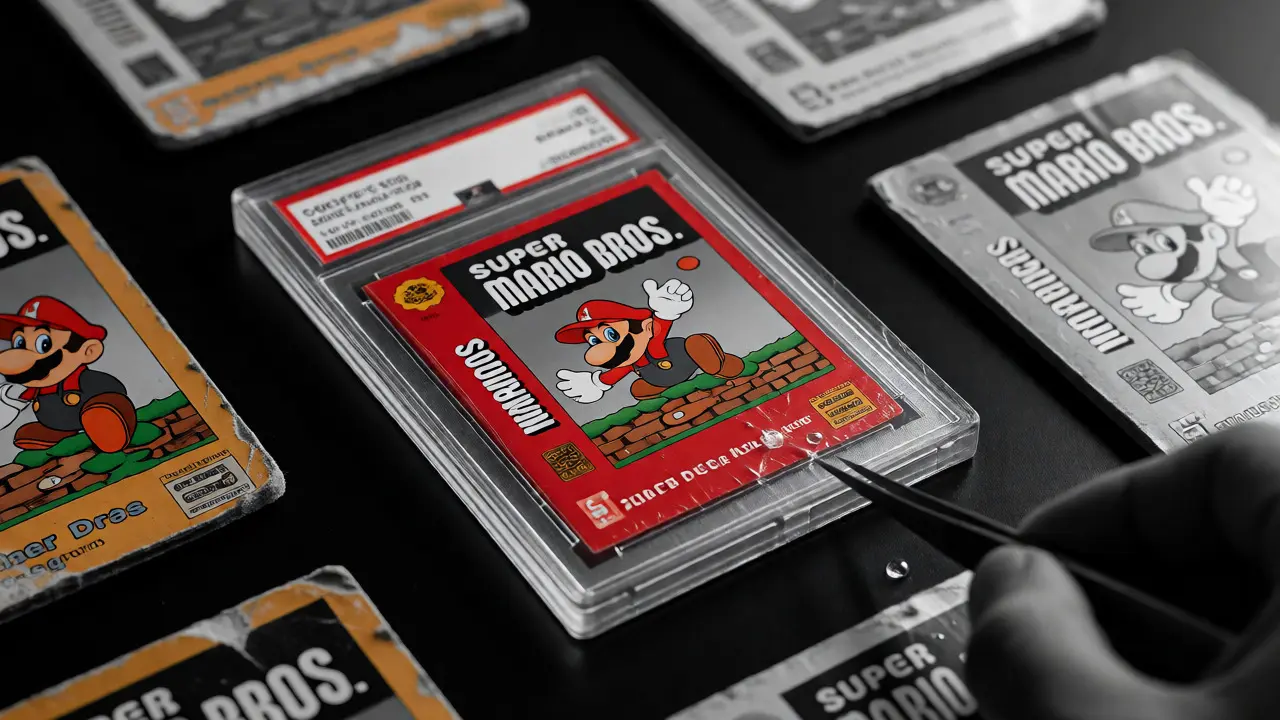
Even if you have a rare Japanese first print, condition dictates the final number. A scratched cartridge with a torn manual is worth pennies compared to a sealed copy. This is where professional grading services like Wata Games or VGA come into play. They encapsulate the game in a hard plastic case, assigning a score from 1 to 10 based on strict criteria.
Grading impacts valuation exponentially. A loose copy of Pokémon Red might sell for $100. A graded 9.5 (near mint) copy could fetch $500. A sealed 9.8 copy? Try $2,000+. The market rewards perfection because supply of perfect items is incredibly scarce. Most games played in the 90s were tossed, lost, or damaged. Finding one untouched is like finding a needle in a haystack.
Be careful with "sealed" claims. Resealing is common. Scammers use heat guns and shrink wrap to make open boxes look factory-sealed. Check for air bubbles, uneven wrapping, or signs of tampering on the tape. If the price seems too good to be true for a sealed item, it probably is. Authenticity verification is crucial before making big investments.
Market Dynamics: Supply, Demand, and Nostalgia
Video game valuation isn’t static. It fluctuates based on cultural trends. When a franchise gets a movie adaptation or a new sequel, interest in older titles spikes. The recent hype around Nintendo IP has driven up prices for obscure Game Boy Color titles that were previously ignored. Conversely, if a game becomes widely available through digital re-releases or emulation, physical copies may lose some luster, though rarity still protects top-tier items.
Consider the impact of speedrunning communities. If a community discovers a glitch or a faster route in a specific regional version, demand for that exact variant skyrockets. Players want to replicate the record-setting conditions, so they buy the specific cart used by the record holder. This creates micro-markets within the broader hobby.
Location matters too. Selling locally in Portland, Oregon, differs from selling nationally. Local buyers might prefer hand-delivery to avoid shipping risks, especially for fragile items. Online platforms offer wider reach but higher fees and competition. Factor in eBay’s 13% fee plus shipping costs when calculating your net profit. A $100 sale might only net you $80 after expenses.
Practical Steps to Accurate Valuation
Ready to price your collection? Follow this checklist:
- Identify the Edition: Look at the barcode, ISBN, or product code. Cross-reference with databases like GameFAQs or specialized forums to determine if it’s a first print or reprint.
- Check Regional Differences: Compare screenshots and manuals online. Does your version have unique content? Is it a censored version? Note these details.
- Assess Condition Honestly: Grade the box, manual, and cartridge separately. Missing manuals reduce value significantly. Cracked cases are a dealbreaker for high-end collectors.
- Research Sold Listings: Don’t look at asking prices. Filter eBay searches to show "Sold Items." This shows what people actually paid, not what sellers hope to get.
- Consult Experts: For high-value items, consider getting a second opinion from experienced collectors or using grading services.
Remember, knowledge is power. The more you understand about manufacturing history and regional quirks, the better you can negotiate. Whether you’re buying or selling, spotting a first print PAL edition versus a common NTSC reprint can mean hundreds of dollars in your pocket.
Are all Japanese games worth more?
No. While many Japanese imports are valuable due to rarity and unique content, some are extremely common and cheap. It depends on the specific title, its print run size, and current demand among Western collectors.
How do I tell if a game is a first print?
Look for date codes on the cartridge shell or box flap. Earlier dates indicate first prints. Also, check for manufacturing quirks like typos, different label fonts, or unique box art colors that were corrected in later runs.
Does region affect gameplay?
Yes, often. PAL games run slower (50Hz vs 60Hz), which can alter difficulty and timing. Censorship laws in countries like Germany or Australia may remove blood or violence. Japanese versions may have different level designs or character names.
Is it worth grading my game?
Only if the game is rare or high-demand. Grading costs money ($20-$100+). If the grade increases the value by more than the cost of grading and shipping, it’s worth it. For common games, grading often results in a loss.
What is the most valuable region variant?
There is no single answer, but Japanese-exclusive RPGs and strategy games often command high prices due to translation barriers and limited print runs. Similarly, rare PAL exclusives that never released elsewhere can be very valuable.