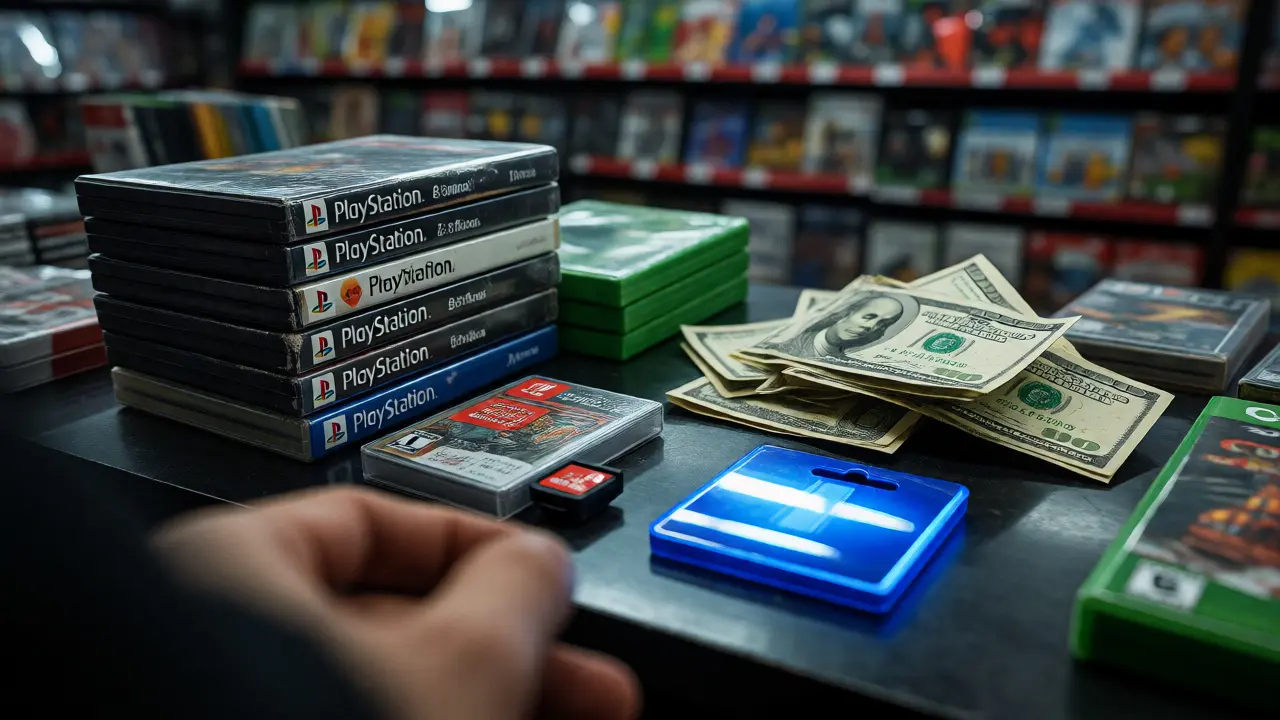
You walk into a GameStop with a bag full of last-gen titles. The clerk scans them, taps a screen, and offers you two numbers. One is significantly lower than the other. You know the higher number comes with strings attached, but which strings are worth pulling? This isn't just about clearing shelf space; it's about maximizing the return on hundreds of dollars of gaming history. Choosing between cash and store credit for used video games is a math problem disguised as a retail transaction.
The answer depends entirely on your next move. Are you planning to buy another game immediately? Do you need rent money this week? Or are you willing to wait three weeks for a PayPal transfer? Let's break down the real numbers, the hidden fees, and the strategic plays that separate smart traders from those who leave money on the counter.
Key Takeaways
- Store Credit Premium: Most major retailers offer a 30-50% premium on trade-in value if you accept store credit instead of cash.
- Cash Liquidity: Cash pays less upfront but has zero restrictions; you can spend it anywhere or save it.
- Platform Matters: Nintendo Switch cartridges often hold value better than PlayStation discs due to durability and smaller library size.
- Condition Checks: A missing case or scratched disc can slash your offer by 15-20%, erasing the store credit bonus.
- Online vs. In-Store: Online mail-in services like Decluttr often pay more in cash than local stores pay in credit for high-demand titles.
The Math Behind the Offer
Retailers aren't being generous when they offer you more for store credit. They are hedging their risk. When you take cash, that money leaves the ecosystem forever. When you take credit, it stays within their walls, increasing the likelihood of a future sale. For the retailer, a $20 store credit coupon is worth less than $20 in cash because some percentage of customers will never use it (breakage) or will spend it on low-margin accessories.
Here is how the typical split looks at major chains like GameStop or Best Buy:
| Payment Method | Relative Value (%) | Restrictions | Best For |
|---|---|---|---|
| Cash / Check | 100% (Base Rate) | None | Urgent financial needs, non-gamers |
| Standard Store Credit | 130% - 140% | Must spend at same retailer | Habitual buyers at one chain |
| Promotional Bonus Credit | 150% - 200% | Time-limited, specific categories | Major release windows (e.g., new Call of Duty) |
Notice the third row. During launch weeks for blockbuster titles, retailers often run "Double Trade-In" events. If you have five copies of an older shooter and a new AAA title is dropping next month, waiting for that promo window can double your effective buying power. But if you need the cash today, that potential doubling is irrelevant.
Why Store Credit Often Wins for Gamers
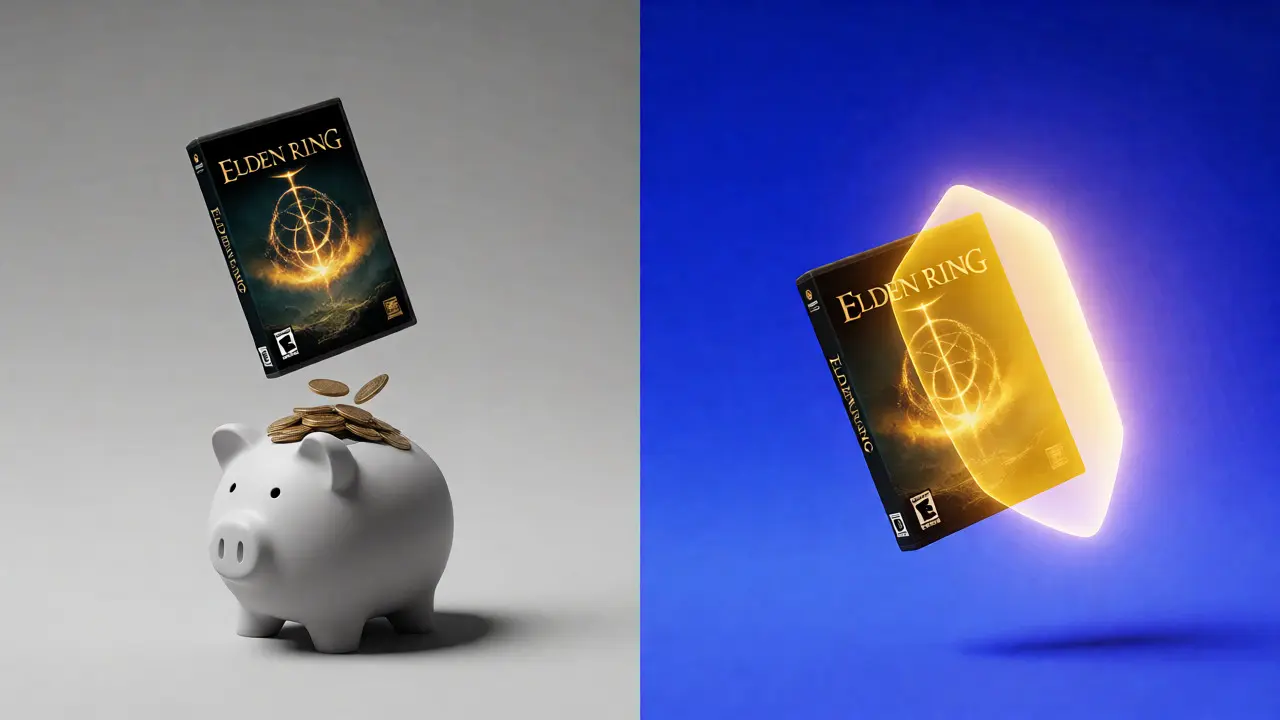
If you play video games regularly, you are already spending money on games. Using store credit turns a low-value trade-in into a discount on your next purchase. Let's say you have a copy of Elden Ring. The base cash offer might be $15. With store credit, that jumps to $22. If you were going to buy a $70 new release anyway, using that $22 credit means you only pay $48 out of pocket. Effectively, you got a 31% discount on your new game by trading in the old one.
This works best when you stick to one ecosystem. If you are a PlayStation Plus subscriber, you likely buy digital codes or physical discs from Sony-certified retailers. Locking yourself into a single store's credit system simplifies the process. However, beware of expiration dates. While many modern systems keep credit indefinitely, some promotional credits expire after 90 days. Read the fine print before walking away with a plastic card.
When Cash Is Actually King
Store credit loses its magic if you don't plan to buy anything else from that specific store. If you trade in Xbox games at GameStop but prefer buying PC games on Steam, that store credit is dead weight. You'll end up buying overpriced energy drinks or mouse pads just to burn through the balance.
Cash is superior in three specific scenarios:
- Diversified Gaming Habits: If you buy hardware from Amazon, software from Steam, and accessories from eBay, cash gives you flexibility.
- High-Value Items: Rare retro games or sealed collector editions often fetch better prices on open markets like eBay than in-store trade-ins, even with the credit bonus. Selling individually for cash usually beats bulk trading for credit.
- Tax Implications: Technically, selling personal property below cost basis isn't taxable income, but keeping records is easier with direct bank transfers or checks than tracking multiple store gift cards.
Consider the eBay factor. If a game lists for $40 sold on eBay, and GameStop offers $15 cash ($20 credit), selling online nets you $36 after fees and shipping. That’s still better than $20 credit if you don't shop at GameStop. The friction of packaging and shipping is the price you pay for higher returns.
Platform Specifics: Consoles and Cartridges
Not all media holds value equally. Physical media degrades, and demand fluctuates based on console lifecycle.
| Platform | Media Type | Value Retention | Risk Factor |
|---|---|---|---|
| Nintendo Switch | Cartridge | High | Low wear, high demand for exclusives |
| PlayStation 5 | Disc | Medium | Disc drives becoming optional |
| Xbox Series X/S | Disc | Low-Medium | Strong digital sales culture |
| Retro (PS1/N64) | Mixed | Variable | Condition heavily impacts price |
Nintendo Switch cartridges are tiny, durable, and resistant to scratches compared to optical discs. Because Nintendo first-party games rarely go on deep discounts, used Switch titles retain value longer. You might get a flat $10-$15 for a mid-tier Switch game regardless of age. PlayStation and Xbox discs are more prone to read errors. If a disc is slightly warped or has micro-scratches, the in-store scanner might reject it, or the offer drops drastically. Always clean your discs with proper lens cleaner before heading to the store.
The Hidden Costs of In-Store Trading
Walk-in convenience comes with invisible deductions. First, there's the condition assessment. Retailers use strict grading scales. A "Good" rating might mean the case is cracked or the manual is missing. Missing inserts can reduce value by $5-$10 per game. Second, seasonal saturation. If everyone trades in sports games after the season ends, supply floods the market, and offers drop. Timing your trade-in matters.
Also, consider the opportunity cost of time. Driving to the store, waiting in line, and having your inventory scanned takes 30-45 minutes. If you're trading in ten games for $50 total credit, you're earning roughly $100/hour. That's decent. But if you're trading in two obscure RPGs for $5 total, you've lost money on gas and time.
Strategic Checklist Before You Go
Don't just dump your backlog into a bin. Follow these steps to ensure you aren't shortchanged:
- Check Current Offers Online: Use the retailer's website tool to estimate value before leaving home. Prices change daily based on inventory levels.
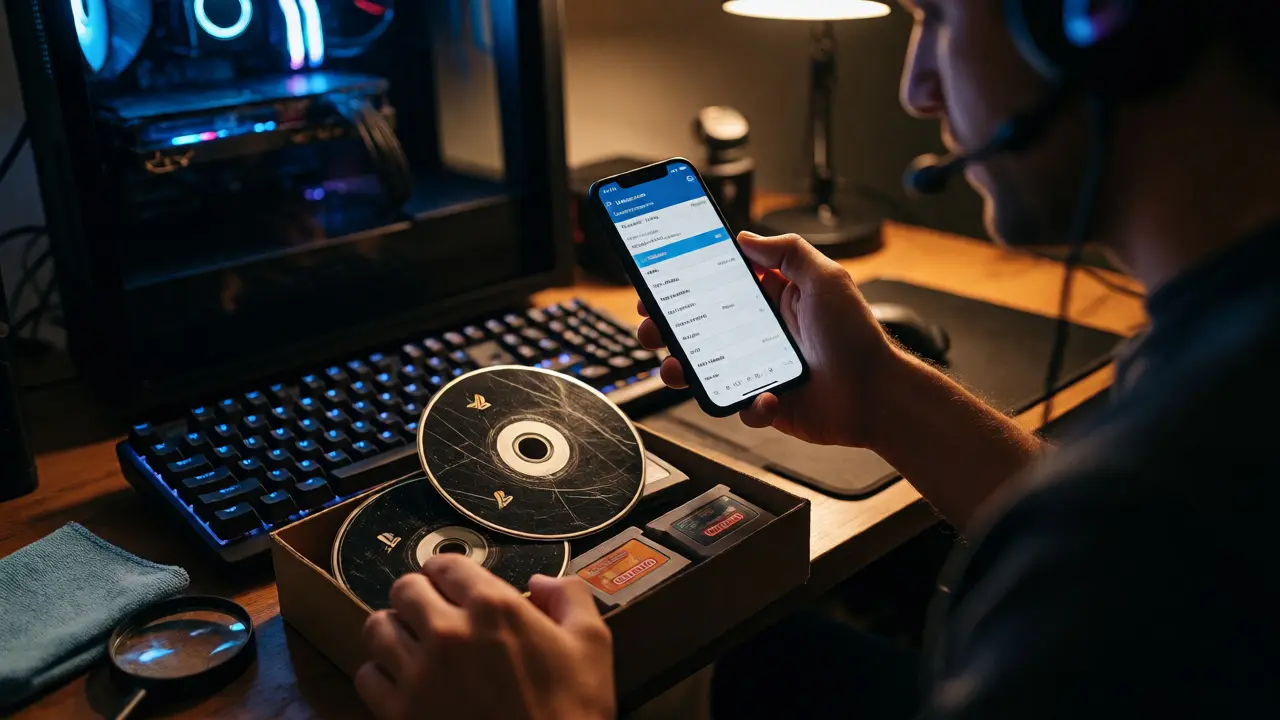
- Clean Your Media: Wipe discs with a microfiber cloth. Ensure cartridge contacts are free of dust.
- Gather Accessories: Include original cases, manuals, and DLC vouchers if possible. Loose discs get penalized.
- Compare with Online Buyers: Check quotes from Decluttr or Amazon Trade-In. Sometimes online cash offers beat local store credit.
- Ask About Promos: Is there a current "Trade Two, Get Extra" deal? Can you combine credit with a coupon?
If the online quote for cash is within 15% of the store's credit offer, take the credit. The convenience and immediate gratification are worth the slight discount. If the online cash offer is double the store's cash offer, pack a box and ship it.
Frequently Asked Questions
Is store credit really worth 50% more than cash?
It varies by retailer and promotion. Standard rates usually offer a 30-40% premium. During special events, this can jump to 50% or even 100%. Always check the current multiplier on the retailer's website before visiting.
Can I use store credit to buy new releases?
Yes, standard store credit typically applies to almost everything in the store, including new games, consoles, and accessories. However, some promotional credits may exclude pre-orders or specific high-demand items. Read the terms printed on the receipt.
Do I lose money if my game case is broken?
Yes. Most retailers deduct $2-$5 for a missing or damaged case. If the disc itself is scratched and won't play, the offer may drop to $0.50 or be rejected entirely. Clean and inspect your games before trading.
Which is better: GameStop or eBay?
For common, recent titles, GameStop store credit is faster and often competitive. For rare, retro, or niche titles, eBay usually yields significantly higher cash returns despite fees and effort. Bulk clearing of mainstream games favors retail trade-ins.
Does store credit expire?
Most modern store credit cards do not expire. However, promotional bonuses sometimes have expiration dates (e.g., 90 days). Keep receipts and check the back of the card or the account dashboard for specific terms.
Final Verdict: Match the Method to the Mission
There is no universal winner. If you are a loyal customer of a specific chain and buy at least two games a year, store credit is almost always the smarter financial choice. The 30-50% premium effectively subsidizes your hobby. If you are switching platforms, moving house, or simply want the freedom to spend your money where you please, cash provides liquidity that credit cannot match.
Before you head to the mall, spend five minutes checking online estimates. Compare the cash offer from an online buyer against the credit offer from your local store. If the difference is negligible, take the credit and enjoy the instant gratification of a new game in hand. If the gap is wide, invest the time in packing a box. Your wallet will thank you for the extra attention to detail.