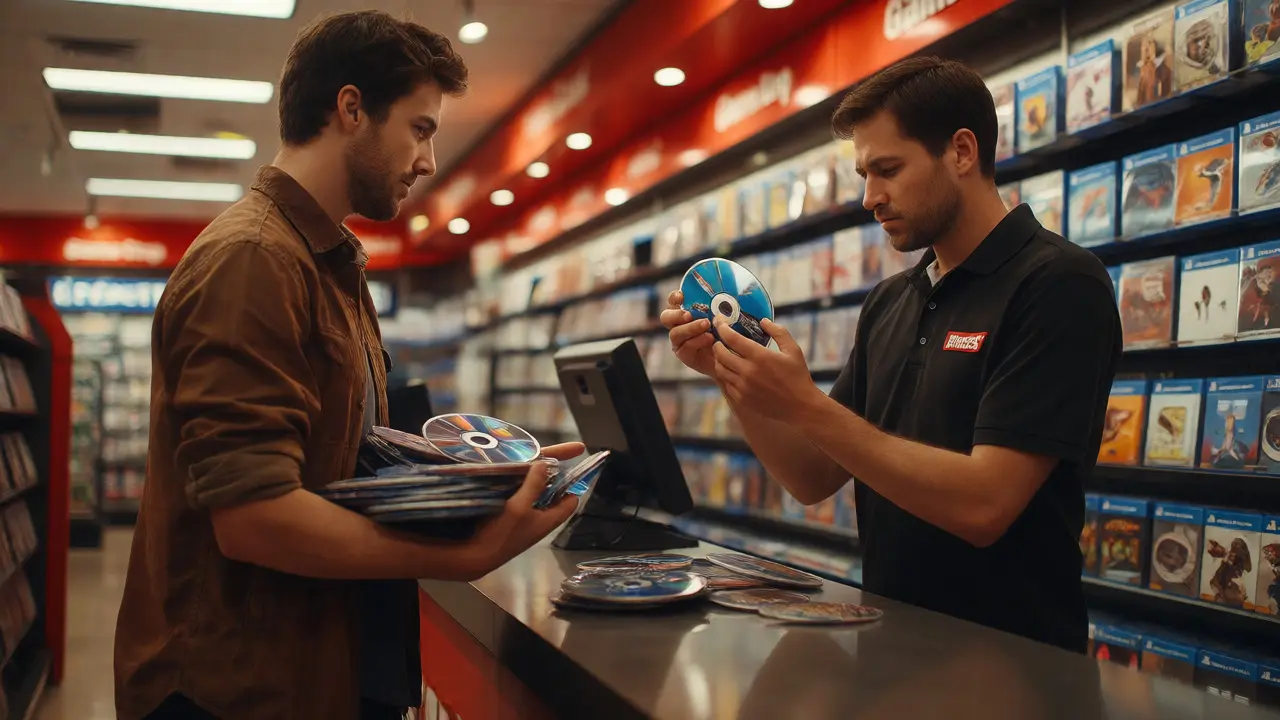
You walk into a big-box retailer with an armful of old PlayStation titles. You expect to get decent cash or store credit. Instead, the clerk hands you a pittance, or worse, rejects half your stack because they lack their original plastic cases. It feels arbitrary, almost personal. But it isn't. There is a cold, hard economic logic behind why retail stores prefer in-box video games over loose discs or digital codes when calculating trade-in values.
This preference isn't about being difficult. It’s about risk management, resale velocity, and inventory control. If you understand the mechanics behind this policy, you can stop leaving money on the counter. Let's break down exactly what happens to your games after you hand them over, why the box matters so much, and how you can maximize your payout in 2026.
The Economics of Resale Inventory
Retailers like GameStop, Best Buy, or local independent shops operate on thin margins. When they buy a used game, they aren't just buying a disc; they are buying a product they intend to resell quickly. A complete copy-with case, manual, and insert-sells faster than a loose disc. Why? Because customers perceive higher value in a complete package. It looks cleaner on the shelf. It feels more secure against scratches or damage during handling.
Consider the labor cost. Processing a loose disc requires more quality assurance checks. Staff must verify if the disc plays, check for warping, and often source a generic replacement case. That takes time. Time is money. A boxed game can be scanned, wiped (if needed), and shelved in seconds. The retailer passes that efficiency saving back to you as a slightly lower base offer, but they penalize you heavily if you bring in incomplete items because it disrupts their workflow.
Condition Grading and the "Complete" Standard
Most major retailers use a standardized grading system. While specifics vary, the hierarchy is generally consistent:
- Mint/Like New: Sealed or barely played, perfect box art, no wear.
- Good: Complete with case and manual, minor cosmetic wear on the box, disc plays perfectly.
- Poor/Damaged: Missing case, cracked hinge, missing manual, or deep scratches on the disc.
Here is the kicker: many stores simply won't accept "Poor" condition items for trade-in at all, or they will offer pennies on the dollar. A missing manual might drop your value by 10%. A missing case? Often, the game is rejected entirely. This is because a loose disc is hard to display. It requires a special bin or a protective sleeve, which adds inventory complexity. Retail space is expensive. They don't want to clutter their shelves with items that look like trash.
| Condition | Includes Case? | Includes Manual? | Estimated Value % |
|---|---|---|---|
| Complete Good | Yes | Yes | 100% (Base Offer) |
| Case Only | Yes | No | 85-90% |
| Loose Disc | No | No | 50-70% or Rejected |
| Damaged Case | Cracked/Broken | Yes | 70-80% |
Digital Shift vs. Physical Reality
You might wonder why physical media still exists at all. With Steam, Epic Games Store, and console digital storefronts dominating sales, why do retailers care about your old Xbox One disc? Two reasons: collector demand and access without internet.
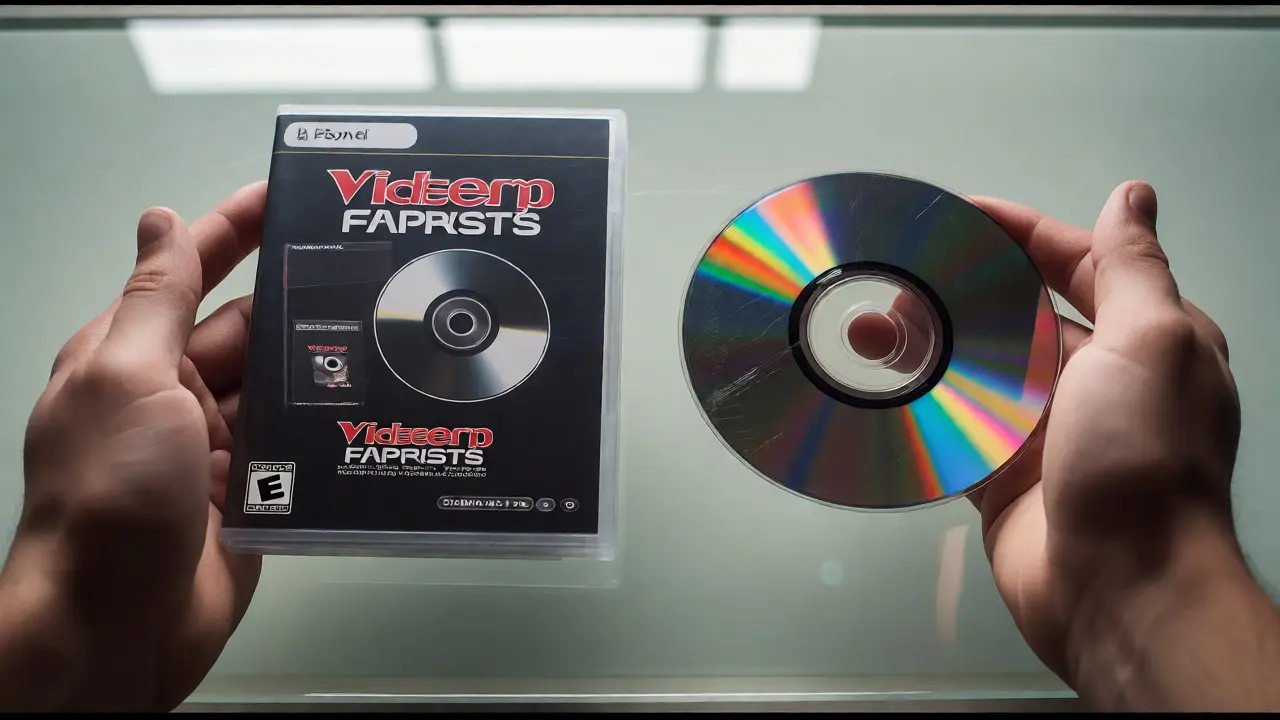
First, there is a robust secondary market for physical copies. Collectors want boxed sets. Gamers who own older consoles (like PS4 or Xbox Series S/X backward compatibility) prefer physical discs because they can lend them, sell them later, or play offline without worrying about download bandwidth caps. Second, digital codes have expiration risks and platform lock-ins. A physical disc is universal hardware-wise (within its generation). It holds intrinsic value that a license key does not.
However, this dynamic has shifted. As we move deeper into the 2020s, the volume of new physical releases has dropped. Retailers are becoming more selective. They prioritize current-gen titles (PS5, Xbox Series X|S) and high-demand retro classics. If you try to trade in a mid-tier PS3 shooter from 2012, you might find the store refuses it entirely. The inventory space costs more than the potential profit.
How Retailers Calculate Your Offer
It’s not magic. It’s data. Retailers use algorithms linked to global sales databases. They look at:
- Current Market Price: What is the new price? Used prices track this closely.
- Sales Velocity: How fast did this title sell last month? Fast movers get better offers.
- Inventory Levels: Do they already have 50 copies of this game sitting in the warehouse? If yes, your offer drops.
- Completeness: As discussed, missing parts reduce value.
Pro Tip: Check online trade-in sites before walking into the store. Companies like Decluttr or specialized gaming forums often list real-time market rates. If the store’s offer is significantly lower, you know they are lowballing you based on their specific inventory surplus, not the game’s true market value.
What This Means for You: Maximizing Payouts
If you want to squeeze every dollar out of your collection, you need to treat your trade-ins like products, not junk. Here is your action plan.
Keep the Boxes
It sounds obvious, but it’s the number one mistake people make. Save the case. Even if it’s cracked, tape it together. A damaged case is infinitely better than no case. Some stores will even give you a small discount on a replacement case if you provide the disc, allowing you to keep the transaction going. Never throw away the manual. For niche RPGs or strategy games, the manual is part of the perceived value.
Clean Before You Go
A dirty disc can be read as "damaged." Wipe your discs gently with a microfiber cloth. Remove sticker residue from cases using mild adhesive remover. Presenting a clean, tidy item signals to the clerk that the previous owner cared for it, which psychologically nudges them toward a fairer assessment.
Time Your Trades
Trade in games right after a sequel announcement or a remaster release. Demand for the original often spikes temporarily. Also, avoid trading in during January or February when post-holiday inventory is bloated. Late summer or early fall (before the holiday rush) is often a sweet spot where stores are hungry for stock to fill shelves for Black Friday.
Know When to Sell Elsewhere
If a store rejects your loose discs, don’t force it. List them on eBay, Facebook Marketplace, or Mercari. Individual buyers often don’t care about the case as much as retailers do, especially if the price is right. You might net $5 per disc instead of the $0.50 a store would offer. It takes more effort, but for rare or highly sought-after titles, it’s worth the hassle.
The Future of Physical Media
Is the era of the boxed game ending? Not yet. But it is changing. We are seeing a rise in "physical digital" editions-games sold in boxes containing only a code. These hold little to no trade-in value because they are essentially paperweights once redeemed. True physical media (discs/cartridges) remains valuable for preservationists and gamers who dislike subscription models.
Retailers will continue to favor boxed goods because they are easier to manage. As long as humans run these stores, they will prefer items that scan easily, look good on shelves, and require minimal refurbishment. Understanding this bias puts you in control. You aren't just handing over old toys; you are supplying inventory. Act like a supplier, and you’ll get paid like one.
Do I need the manual to trade in a video game?
While not always strictly required, missing a manual usually reduces the trade-in value by 10-15%. Some strict policies may reject the item entirely if the manual is considered essential to the game's experience (e.g., complex strategy guides). Always check the specific store's policy beforehand.
Can I trade in a loose disc without a case?
Many large chains like GameStop will accept loose discs but at a significantly reduced rate (often 50% less). Independent stores may refuse them altogether due to the difficulty of displaying and selling loose inventory. If possible, buy a cheap generic case online before trading it in to boost the value.
Why is my trade-in value lower than the online quote?
Online quotes are often estimates. In-store values fluctuate based on local inventory levels. If the store already has plenty of copies of that specific game, they will lower the offer to encourage you to take store credit rather than cash, or to discourage further supply. Additionally, any physical damage detected during inspection will adjust the final price downward.
Are digital codes worth trading in?
Generally, no. Most retailers do not accept unredeemed digital codes for trade-in because verifying their authenticity and preventing fraud is too costly relative to the value. Once a code is redeemed, the physical packaging (if any) has zero resale value. Keep your receipts if you bought a digital code physically, but don't expect to trade the box itself.
Does the region of the game affect trade-in value?
Yes. Games are region-coded. A US NTSC game cannot be traded in at a European PAL store unless they explicitly support cross-region imports. Always trade in games at a retailer located in the same region as the game's intended market to ensure acceptance and accurate valuation.