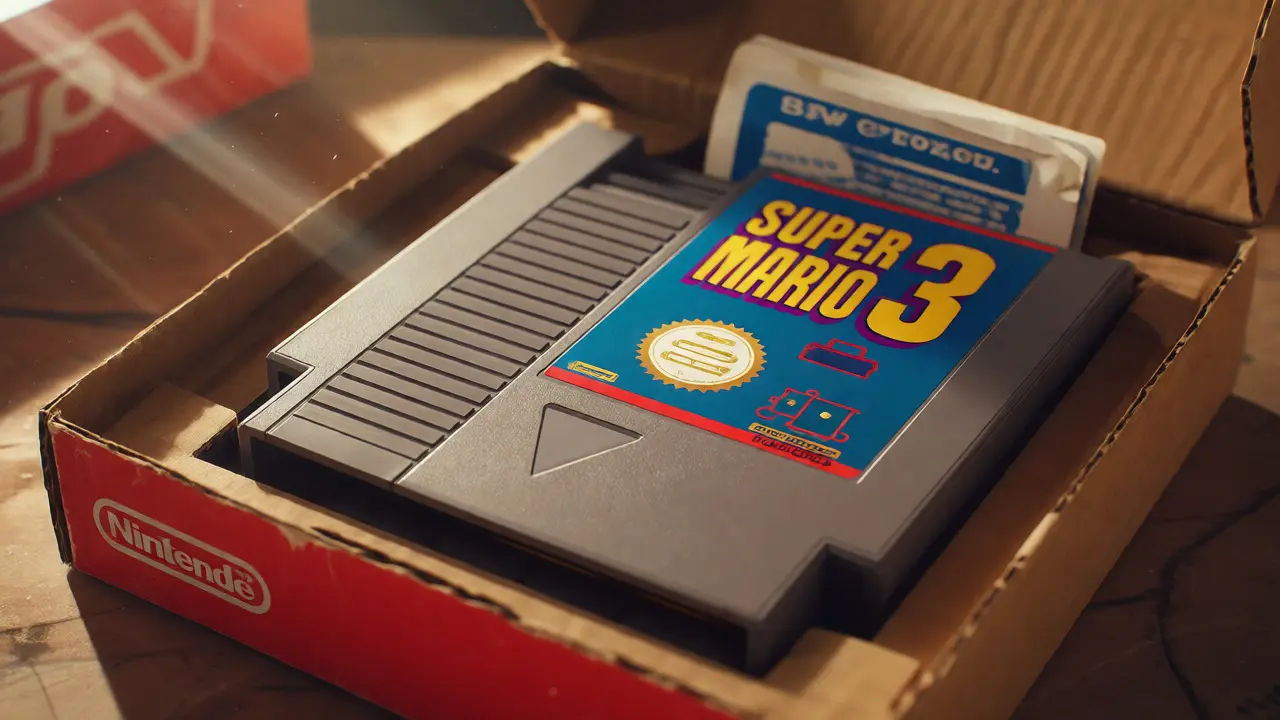
You’re scrolling through an online marketplace, hunting for that one retro title you missed out on as a kid. The listing says "Good Condition," but what does that actually mean? Is it the plastic case with the manual tucked inside, or just the disc sitting in a dusty sleeve? If you’ve ever felt confused by terms like CIB, Loose, or Sealed, you’re not alone. These aren’t just marketing fluff; they are the primary drivers of value in the video game secondary market.
Understanding these conditions is crucial whether you’re trying to sell your old stash or build a collection that holds its worth. A sealed copy of Nintendo Entertainment System Super Mario Bros. 3 can fetch thousands, while a loose cartridge might go for twenty bucks. The difference isn’t just nostalgia-it’s economics. This guide breaks down exactly what each term means, how they impact price, and what you should look for before handing over your cash.
The Hierarchy of Value: Why Condition Matters
In the world of physical media, condition is king. But unlike books or vinyl records, video games have multiple components that degrade differently. A scratched disc in a pristine box is worth less than a clean disc in a torn box, depending on the collector’s goal. Generally, the market values completeness and preservation above all else. This creates a clear hierarchy: Sealed sits at the top, followed by Complete In Box (CIB), then Loose. Knowing where a game falls on this ladder helps you negotiate better deals and avoid buying duds.
Why does this matter so much right now? Because the hobby has exploded. Platforms like eBay and specialized grading companies like Wata Games have standardized how we judge quality. When you buy a game today, you’re often competing against professional graders who use strict criteria. If you don’t know the difference between a "loose" game and a "complete" set, you might overpay for incomplete items or underprice your own treasures when selling.
Sealed: The Holy Grail of Collecting
Sealed a video game that remains in its original factory packaging, unopened and untouched since production represents the highest tier of value. For modern consoles, this usually means shrink-wrap. For older systems, it might be a sealed plastic clamshell or a taped cardboard box. The key factor here is integrity. If the seal is broken, even slightly, the game drops into the "Open" category, which significantly reduces its price.
Collectors chase sealed copies because they offer certainty. You know exactly what’s inside. There’s no risk of missing manuals, broken cases, or scratched discs. However, sealing comes with risks. Resealing scams are common, where sellers open a game, inspect it, and re-shrink-wrap it to pass it off as new. Always check for signs of tampering, such as uneven wrapping or air bubbles. Additionally, storage conditions matter. Sunlight can yellow plastic seals, and heat can warp them, lowering the grade even if the game was never opened.
Complete In Box (CIB): The Sweet Spot for Gamers
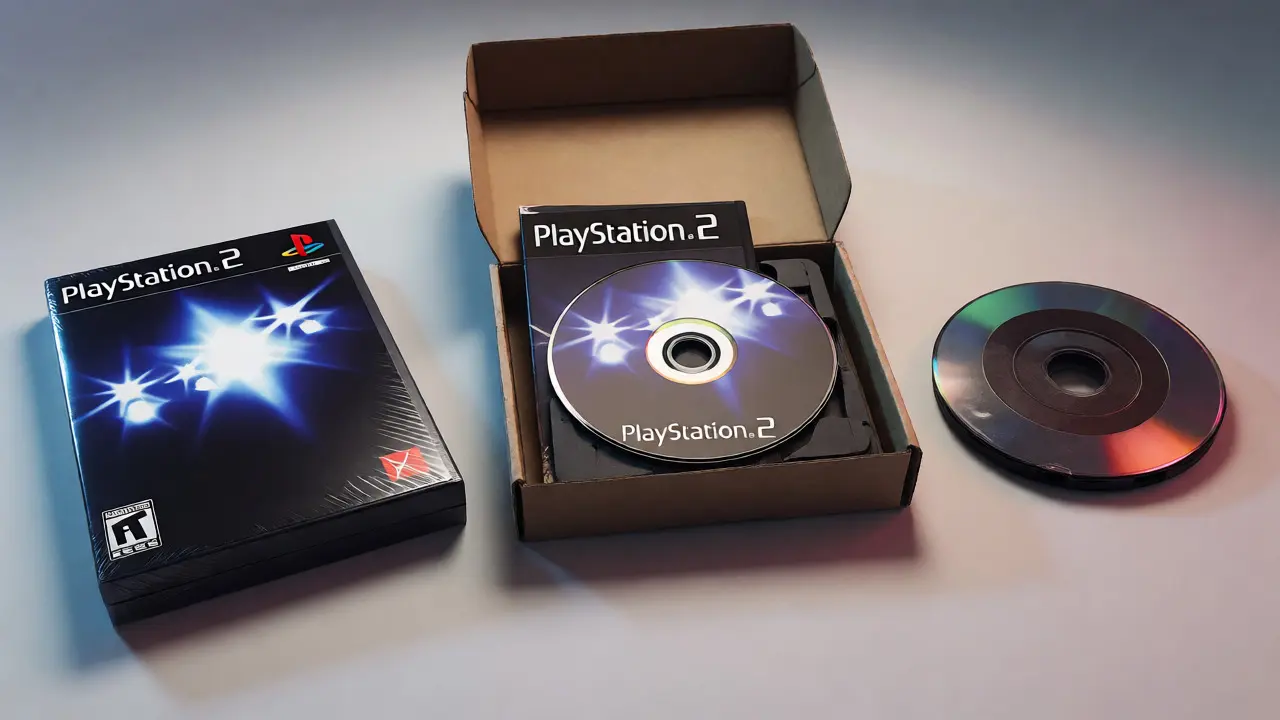
If you want to play the game but still maintain resale value, Complete In Box a video game package containing the original game disc/cartridge, instruction manual, and outer box is your best bet. CIB doesn’t necessarily mean the game is in mint condition. It simply means every component that came from the factory is present. This includes the manual, any insert cards, promotional flyers, and sometimes even the original receipt.
For many collectors, CIB is more desirable than sealed because it allows access to the content. You can read the manual, appreciate the artwork, and actually play the game. The value of a CIB game depends heavily on the condition of those individual parts. A manual with coffee stains or a box with corner dents will lower the price compared to a pristine CIB set. When buying CIB, always ask for photos of the manual pages and the back of the box. Sellers often hide damage by only showing the front cover.
Loose: Just the Game
A Loose video game sold without its original packaging or accessories, consisting typically of just the disc or cartridge copy is exactly what it sounds like. No box, no manual, no fuss. This is the most affordable way to get into retro gaming. If you care about playing the game rather than displaying it, loose is the smart choice. You save money because you’re not paying for cardboard and paper that might end up in a drawer anyway.
However, "loose" varies wildly. A loose Nintendo 64 cartridge might include the original plastic case, while a loose PlayStation 1 CD might come in a generic jewel case or none at all. Some sellers include the original case but call it loose because the box is missing. Always clarify what "loose" includes in a specific listing. For cartridges, check for battery leaks if it’s a save-game title. For discs, inspect for deep scratches that could cause skipping during gameplay.
How Condition Impacts Price: A Real-World Comparison
To see how these categories affect your wallet, let’s look at a hypothetical example using a popular title like PlayStation 2 Sony's second-generation home video game console released in 2000’s Final Fantasy X. Prices fluctuate based on demand, but the relative differences remain consistent.
| Condition | Components Included | Estimated Price Range | Best For |
|---|---|---|---|
| Sealed | Factory shrink-wrap, unopened | $80 - $150+ | Investors, display collectors |
| CIB (Mint) | Disc, Case, Manual, Outer Box (no wear) | $40 - $60 | Preservationists, gamers who resell |
| CIB (Used) | Disc, Case, Manual, Box (visible wear) | $15 - $25 | Casual players, budget collectors |
| Loose (with Case) | Disc and Jewel Case only | $8 - $12 | Players who don't care about boxes |
| Loose (No Case) | Disc only | $5 - $8 | Hardcore gamers, bulk buyers |
Notice the steep drop-off from Sealed to CIB. That premium pays for the assurance of untouched history. Once you move to used CIB, the price stabilizes because the utility value takes over. People buy these to play, not just to stare at. If you’re building a shelf of favorites, aiming for used CIB gives you the best balance of cost and completeness.

Beyond the Basics: Special Cases and Terminology
Not everything fits neatly into these three buckets. You’ll encounter terms like "Reissue," "Remaster," or "Limited Edition." A reissue is a newer print of an old game. It’s technically sealed or CIB, but it lacks the historical value of the original release. Always check the barcode and copyright date. A 2024 reissue of a 1990 game is worth far less than the 1990 original, even if both are sealed.
Another nuance involves regional variations. A European PAL version of a game might be CIB, but if you’re in North America, it won’t work on your console without modification. Similarly, Japanese imports are often highly collectible due to unique art styles, but they require region-free hardware. When evaluating condition, also consider the "Completeness Score." Some collectors track things like spine card inserts or obi strips (paper bands on Japanese boxes). Missing these small details can reduce a CIB game’s value by 20% or more.
Practical Tips for Buyers and Sellers
If you’re selling, transparency is your friend. Take high-resolution photos of every angle. Show the disc surface under light to reveal hairline scratches. Photograph the manual pages to prove they aren’t ripped. If you’re selling a loose game, state clearly whether it includes the original case. Misleading listings lead to returns and bad feedback.
For buyers, start with your intent. Are you playing it this weekend? Buy loose. Do you want to flip it for profit in five years? Buy sealed or high-grade CIB. Check seller ratings and return policies. On platforms like eBay, buyer protection is strong, but local marketplaces like Facebook Marketplace require caution. Test the game immediately upon purchase. Disc rot-a chemical degradation of the disc layers-can make a visually perfect disc unplayable. Cartridges can suffer from dirty contacts, which are easy to clean with isopropyl alcohol, but internal corrosion is harder to fix.
Frequently Asked Questions
Is a sealed game always worth more than a CIB game?
Generally, yes. Sealed games command a premium because they guarantee original condition and rarity. However, for extremely rare titles where few sealed copies exist, a pristine CIB copy can sometimes approach the price of a sealed one, especially if the sealed copy has visible damage to its packaging.
What does "Loose" mean for PC games?
For PC games, "Loose" usually means the CD/DVD and possibly the jewel case, but missing the big outer box and manual. Since PC games rarely had complex packaging beyond the box and manual, loose copies are very cheap. Note that many modern PC games are digital-only, so physical "loose" copies are mostly limited to pre-2010 titles.
Can I clean a loose game myself?
Yes. For cartridges, use cotton swabs dipped in 90%+ isopropyl alcohol to clean the contact pins. Be gentle to avoid bending them. For discs, wipe from the center outward with a microfiber cloth and mild soap water. Never wipe in a circular motion around the disc, as this follows the data tracks and can worsen read errors.
Does the condition of the manual really affect value?
Absolutely. For serious collectors, the manual is part of the artifact. A missing or severely damaged manual can reduce a CIB game’s value by 10-30%. If you’re keeping a game for personal play, you might ignore this, but if you plan to resell later, preserving the manual in a protective sleeve is a smart investment.
What is "Resealed" and should I worry about it?
Resealed means someone opened the game and applied new shrink-wrap. It’s common in the market. While not inherently bad, it means the game isn’t truly "factory sealed." Professional graders can often detect reseals. If you’re buying for investment, insist on verified authentic seals or buy from reputable dealers who guarantee originality.