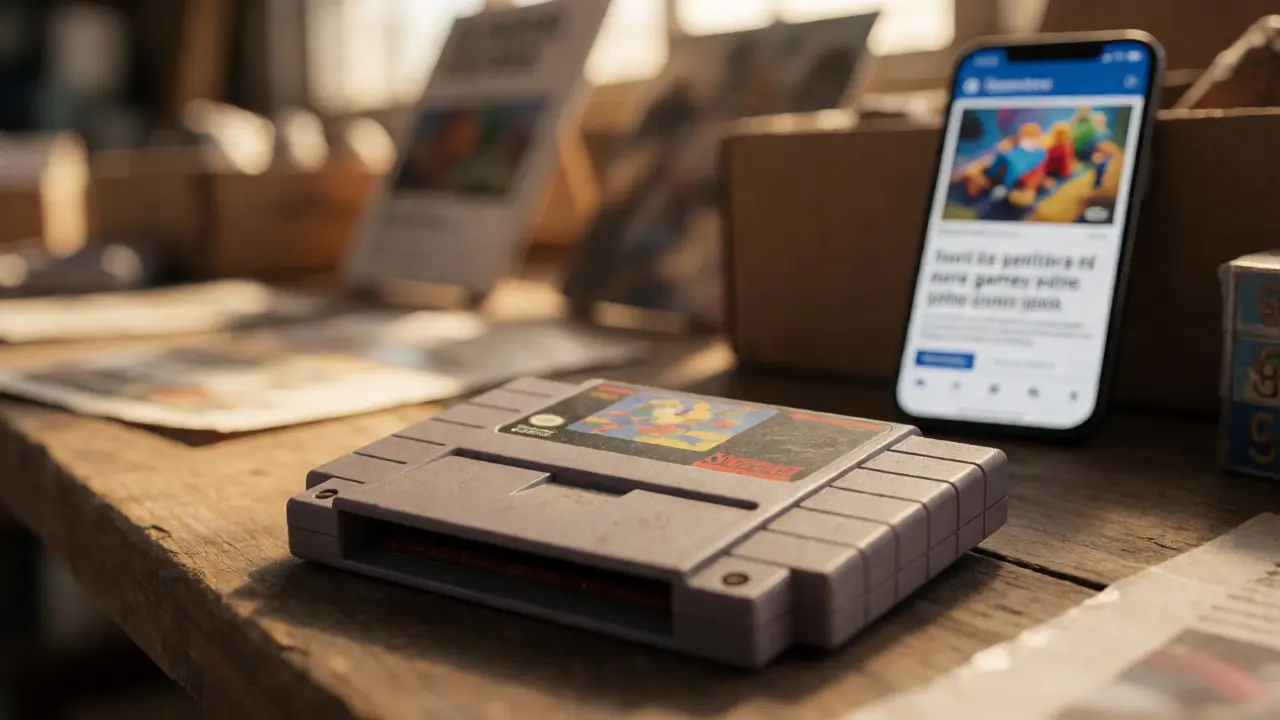
You find a dusty copy of EarthBound at a garage sale for $5. You buy it, thinking you just scored a fun curiosity. Two weeks later, a major tech outlet publishes a listicle titled "The 10 Rarest SNES Games You Can Still Find," and suddenly that same cartridge is listed on eBay for $200. What happened? Did the plastic change? No. The only thing that changed was who knew about it.
This isn't magic; it's economics driven by attention. When a video game goes viral or gets featured in mainstream news, its price doesn't just tick up-it often explodes. But why does this happen so fast? And more importantly, can you predict it before your wallet takes a hit?
The Psychology Behind the Price Spike
At its core, the video game secondary market runs on two things: scarcity and hype. Most modern games are printed in millions, making them abundant. But when media coverage hits, it shifts the perception from "abundant product" to "rare collectible." This triggers what economists call the Veblen effect, where demand increases as the price rises because the high price signals status or rarity.
Think about the Sonic the Hedgehog movie release in 2020. Before the film, original Genesis cartridges were cheap. During the marketing blitz, every trailer mentioning the blue blur sent collectors scrambling. Sellers saw the traffic spike and adjusted their listings in real-time. By the time the movie premiered, prices had tripled. The media didn't create the game; it created the urgency.
From Niche Hobby to Mainstream News Cycle
Video games used to be covered exclusively by niche magazines like Nintendo Power. Today, they appear on CNBC, in The New York Times, and even in financial podcasts discussing "digital assets." This crossover brings non-gamers into the market. These new buyers don't know the difference between a first print and a reprint. They just see a headline saying "This Game Is Worth Hundreds" and click "Buy Now."
This influx creates a feedback loop. As more outsiders enter, sellers realize they can charge more. Higher prices then generate more headlines ("Why Is This Old Game So Expensive?"), which attracts even more curious buyers. It’s a self-fulfilling prophecy of value.
| Media Type | Audience Reach | Price Impact Speed | Duration of Effect |
|---|---|---|---|
| Gaming Blogs (IGN, Kotaku) | Niche Gamers | Slow (Weeks) | Long-term stability |
| Tech News (The Verge, Engadget) | Tech Enthusiasts | Moderate (Days) | Medium-term fluctuation |
| Mainstream News (CNN, NYT) | General Public | Rapid (Hours) | Short-term spike |
| Social Media (TikTok, Twitter) | Viral Trends | Instantaneous | High volatility |
Case Study: The "Mega Man" Phenomenon
Look no further than the Mega Man series for a perfect example. For years, NES Mega Man games sold for under $20. Then, YouTube channels began doing deep dives into the difficulty and history of these titles. Simultaneously, articles appeared discussing how Capcom abandoned the franchise. Suddenly, owning a complete set became a badge of honor.
When a specific title, like Mega Man X, got featured in a "Top 5 Platformers of All Time" article on a major site, loose copies jumped from $15 to $60 overnight. Sealed copies went from $50 to $300. The game itself hadn't changed. Its code was identical. But the narrative surrounding it shifted from "old platformer" to "essential historical artifact."
Identifying Pre-Viral Signals
You don't need a crystal ball to spot these trends. You just need to watch where the conversation is happening. If a game is being discussed primarily in terms of nostalgia rather than gameplay mechanics, watch out. Nostalgia drives emotional purchases, and emotional purchases drive higher prices.
- Influencer Reviews: If three major YouTubers review an obscure PS1 RPG in the same month, expect prices to rise within 48 hours.
- Documentaries: Films like Indie Game: The Movie or High Score have historically caused spikes for featured titles like Fez or Cave Story.
- Anniversaries: Watch for 20th or 30th anniversaries. Publishers often release limited editions, but the original hardware often sees a parallel price bump due to renewed interest.
The Danger of Speculative Buying
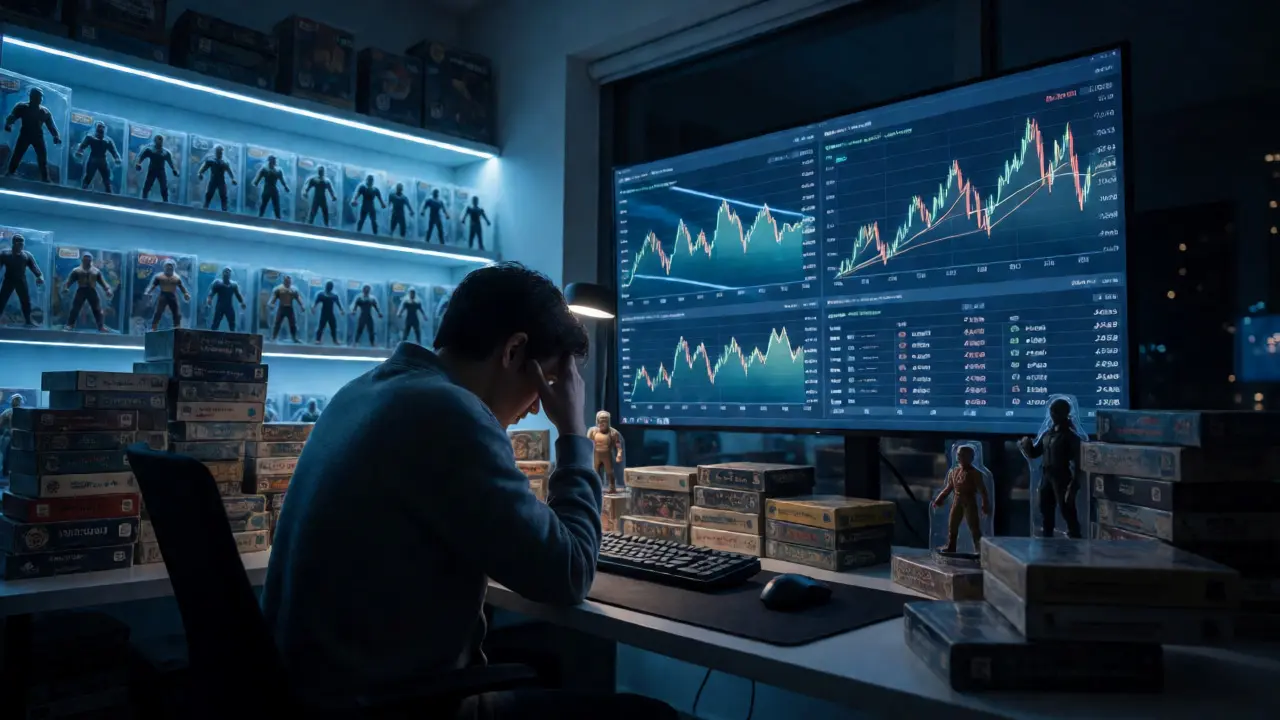
Here’s the trap: most people buy after the spike has started. By the time you read a mainstream article, the smart money has already moved. You’re buying at the peak of the hype cycle. When the news cycle moves on-say, to the next console launch-the casual buyers leave. Prices crash back down, sometimes below the pre-hype level, because the market is flooded with people trying to cash out.
Consider the Fran Bowser Jr. amiibo figures. After a viral tweet claimed they were rare, prices skyrocketed. Six months later, once Nintendo restocked them and the tweet faded, prices plummeted. Buyers who paid $100 ended up selling for $15. That’s the cost of ignoring the media lifecycle.
Strategies for Collectors in a Hype Economy
If you want to build a collection without getting burned, follow these rules. First, separate enjoyment from investment. Buy games you actually want to play. Second, ignore the "market value" listed on sites like PriceCharting if there’s no recent sales data. Those numbers are often based on one lucky sale, not actual supply and demand.
Third, wait for the news cycle to cool off. If a game just made the evening news, wait three months. Let the tourists leave. Fourth, look for related items. If Zelda: Ocarina of Time gets expensive, check Paper Mario or Majora’s Mask. Often, the entire ecosystem rises together, but some components lag behind.
The Future: Algorithmic Pricing and AI
We are entering an era where algorithms do the watching. Tools now scrape Reddit threads, Twitter mentions, and YouTube comments to predict price movements before humans even notice a trend. If an AI detects a surge in positive sentiment toward Hollow Knight, it might automatically adjust listing prices on marketplace platforms.
This means the window to profit from media coverage is shrinking. In the past, you had days to react. Now, you might have minutes. For the average collector, this makes manual trading harder. It favors those who use automated tools or who simply buy for love, not leverage.
Conclusion: Value vs. Price
Media coverage doesn't add intrinsic value to a piece of plastic or a disc. It adds perceived value. Understanding this distinction saves you money. A game is worth what someone will pay for it right now, not what a headline says it should be worth forever. Stay skeptical of sudden spikes, enjoy the stories media tells, but keep your wallet closed until the dust settles.
Do all video games increase in price after going viral?
No. Only games with inherent scarcity or strong nostalgic appeal tend to hold long-term value. Mass-produced modern titles often see temporary spikes followed by crashes because supply remains high despite increased demand.
How quickly do prices react to mainstream news coverage?
Reactions can be instantaneous. On platforms like eBay or Mercari, sellers often update prices within hours of a major article or TV segment airing. However, sustained price increases usually take weeks as the general public catches on.
Is it better to buy sealed or loose copies during a hype cycle?
Loose copies are generally safer for collectors who plan to play the game. Sealed copies are more volatile and susceptible to speculative bubbles. If the hype dies, sealed copies lose value faster because their premium is tied entirely to condition and rarity, not utility.
What role do social media influencers play in pricing?
Influencers act as early warning systems. A single viral TikTok showcasing an obscure game can cause a localized price spike before mainstream media picks it up. They drive impulse buys among younger demographics who may not research historical pricing.
Can I predict future price spikes using media coverage?
You can make educated guesses by monitoring anniversary dates, upcoming documentaries, or publisher announcements. However, true viral moments are unpredictable. Betting solely on media coverage is risky; combining it with historical sales data yields better results.