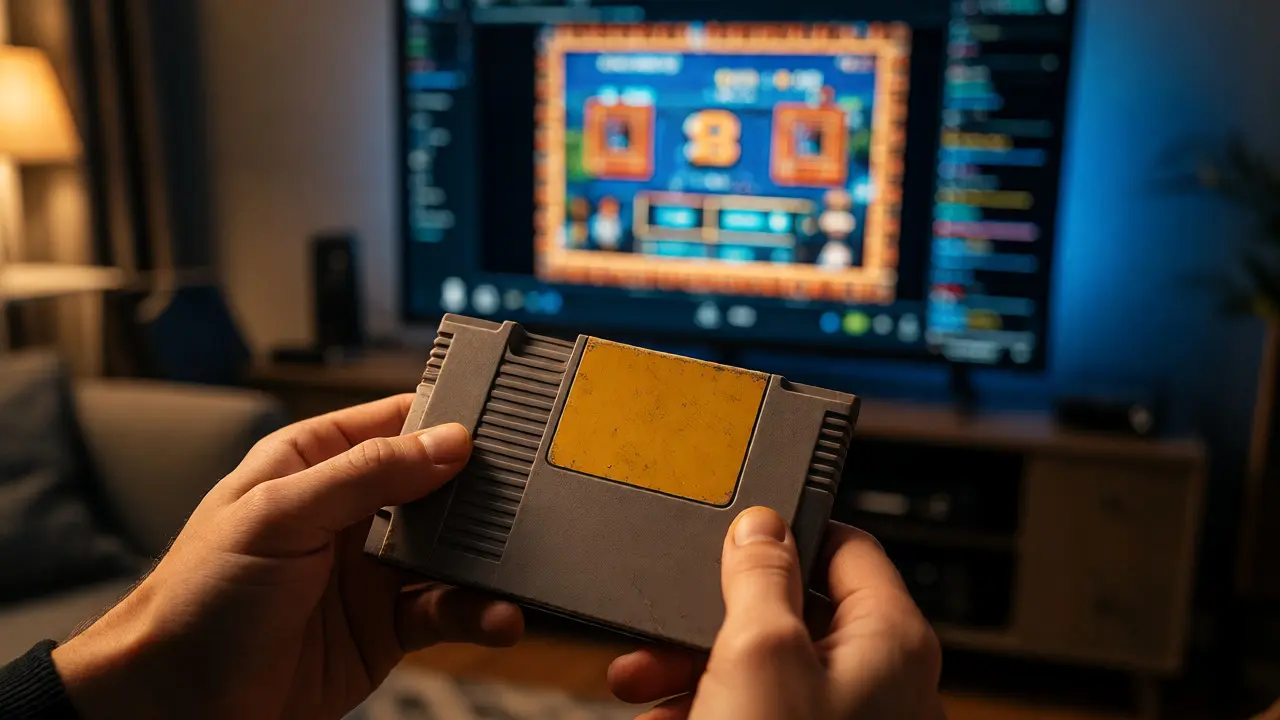
You own a stack of dusty cartridges and discs from the '90s. You remember exactly how they felt in your hands. But today, you probably play them through a monthly subscription fee on a modern console or PC. This shift isn't just about convenience; it fundamentally changes what "access" means for classic video games. It turns ownership into rental, and physical artifacts into data streams.
If you're trying to figure out if these services are worth your money, or if they're actually saving gaming history, you need to look past the hype. Here is the reality of how subscription models like Nintendo Switch Online, PlayStation Plus, and Xbox Game Pass impact our ability to experience the past.
The Shift From Ownership to Access
Think back to buying a game in 1998. You paid $50. That cartridge was yours. If Nintendo went bankrupt tomorrow, you could still play that game on your old hardware. Today, when you subscribe to a service, you aren't buying the game. You are renting temporary permission to stream or download it.
This creates a fragile ecosystem. If a licensing deal expires, the game vanishes from the library overnight. You might be halfway through a classic RPG, only to find it removed next month because the publisher decided to re-release it separately. This lack of permanence is the biggest risk for players who want to preserve their progress and memories.
For many, this trade-off is acceptable. The cost per hour played is often lower than buying individual titles. But for collectors and historians, it feels like losing control. You can't lend these games to friends. You can't sell them when you're done. They exist only as long as you keep paying the bill.
Emulation: The Engine Behind the Magic
Most classic games in these subscriptions don't run on original hardware. They run on emulators. An emulator is software that mimics the behavior of older consoles, like the NES or Sega Genesis, on modern devices.
This technology allows companies to bundle hundreds of games without manufacturing new cartridges. However, not all emulators are created equal. Some are highly accurate, replicating every glitch and timing quirk of the original system. Others are simplified, prioritizing stability over authenticity. When you play a Super Nintendo game on Nintendo Switch Online, you are interacting with a specific version of an emulator developed by Nintendo's internal teams.
This matters because emulation affects gameplay feel. Input lag, audio sync issues, and visual artifacts can change how a platformer plays. Hardcore fans often compare these official emulators against community-made ones like RetroArch or DuckStation. The official versions are convenient but sometimes lack the fine-tuning options enthusiasts crave.
Licensing Limits and Library Rotations
Why isn't every classic game available? Licensing. Game rights are complex messes involving developers, publishers, and sometimes third-party music or brand holders. Just because Nintendo made a game doesn't mean they own the soundtrack. Or maybe the studio that made it no longer exists, and the rights are tied up in legal limbo.
Services like Xbox Game Pass handle this differently than Nintendo. Xbox focuses more on backward compatibility for newer generations (Xbox One, Series X/S) rather than deep 8-bit libraries. Their catalog rotates frequently. New games arrive, old ones leave. This keeps the library fresh but makes it hard to build a long-term collection within the service.
Nintendo takes a different approach. Their NES and SNES libraries are relatively static. Once a game is added, it usually stays. This creates a stable archive, albeit a small one. You get curated selections, not the full historical record. Missing titles include many cult classics that didn't meet sales thresholds or had complicated rights issues.
Quality Control: Upscaling vs. Authenticity
Playing a 1990s game on a 4K TV requires upscaling. Raw pixel art looks blocky and blurry when stretched across 3840x2160 pixels. Subscription services use filters to smooth things out. Some add scanlines to mimic CRT TVs. Others sharpen edges to make text readable.
These choices alter the artistic intent. Pixel artists designed sprites for low-resolution screens. Smoothing algorithms can destroy the crispness of those designs. Conversely, leaving them raw can make them look jagged on modern displays. There is no perfect solution, only preferences.
| Service | Primary Focus | Library Size (Approx.) | Key Feature | Downside |
|---|---|---|---|---|
| Nintendo Switch Online | 8-bit & 16-bit Nintendo | ~100+ games | Online multiplayer for retro titles | Small library, no PS1/N64 yet in base tier |
| PlayStation Plus Premium | PS1, PSP, PS3, PS4 | 700+ games | Cloud streaming for PS3 games | PS3 games require strong internet |
| Xbox Game Pass Ultimate | Xbox Originals to Series X | 400+ classic titles | Backward compatibility via hardware | Fewer true "retro" (pre-2000) titles |
| Apple Arcade | Modern mobile-first | 200+ games | No ads, offline play | Lacks true classic console archives |
The Impact on Preservation and Culture
Are subscriptions helping or hurting game preservation? It's a double-edged sword. On one hand, they introduce millions of people to games they would never have bought otherwise. A teenager in 2026 might discover Final Fantasy VI through Nintendo Switch Online, sparking an interest in JRPGs that leads them to seek out other titles.
On the other hand, reliance on closed platforms risks fragmentation. If servers shut down, cloud-only games disappear. Local emulation files (ROMs) stored on personal drives are safer in some ways. They don't depend on corporate decisions. But they lack the social features and ease of use that subscriptions provide.
Culturally, subscriptions normalize retro gaming. It moves classic titles from niche hobbyist status to mainstream entertainment. This visibility encourages publishers to remaster and remake old hits, creating a healthier market for heritage content. Without these services, many obscure gems might remain forgotten in warehouses.
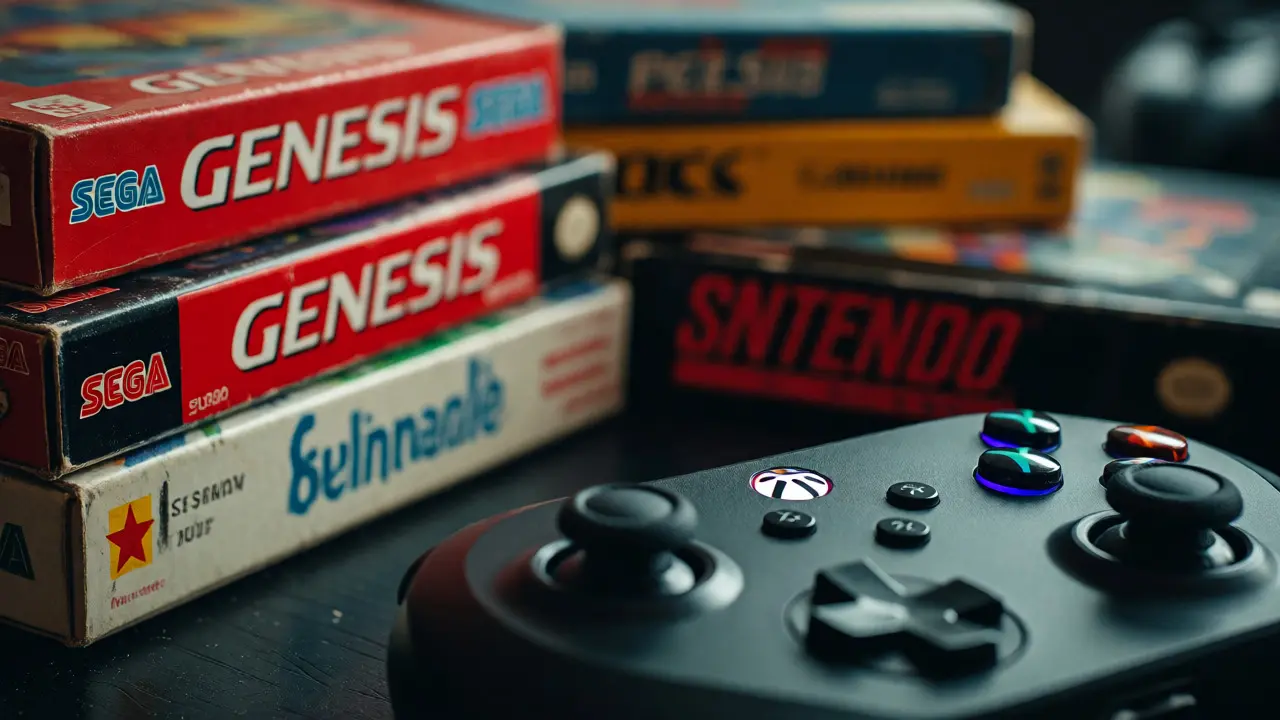
Choosing the Right Service for You
Don't just sign up for everything. Match the service to your habits. Do you want quick bursts of nostalgia during lunch breaks? Mobile-friendly options or handheld-focused services like Nintendo Switch Online work best.
Do you want to replay massive RPGs with save states and online co-op? Look at PlayStation Plus Premium. Its integration with PlayStation Network saves and trophies adds depth to the experience.
Are you interested in broader accessibility beyond just "retro"? Xbox Game Pass offers a mix of old and new, letting you jump between eras seamlessly. It’s less about pure preservation and more about variety.
Consider your internet speed too. Streaming heavy titles (like PS3 games) demands stable connections. If you live in a rural area with spotty broadband, downloading local copies might be better. Check if the service allows offline play before committing.
Future Trends: AI and Cloud Gaming
Where is this heading? Expect more cloud gaming. Companies like Nvidia GeForce Now and Amazon Luna are pushing boundaries. They allow you to play high-end games on weak hardware by processing graphics remotely.
AI might also play a role. Imagine upscaled textures generated in real-time, making old 3D games look sharper without manual remastering. Or AI-driven translation patches applied instantly to Japanese imports. These technologies could expand access to regions and languages previously ignored.
However, increased complexity brings higher costs. Subscriptions may become pricier as infrastructure grows. We might see tiered models where basic access is cheap, but premium features like high-res upscaling or exclusive early access cost extra.
Do I own the games in my subscription?
No. You rent access to them. If you cancel your subscription, you lose access to the library unless you purchased specific titles separately. This is different from buying a digital copy from a store like Steam or the eShop.
Can I play classic games offline with these services?
It depends on the service. Nintendo Switch Online generally allows offline play for downloaded NES/SNES games. PlayStation Plus Premium often requires an internet connection for streaming PS3 titles, though PS1/PSP games can usually be downloaded and played offline. Always check the specific title's requirements.
Why are some classic games missing from subscriptions?
Licensing issues are the main culprit. Rights to music, characters, or development studios can be fragmented. Sometimes, publishers prefer to sell a game individually at a higher price rather than include it in a bulk subscription. Legal disputes can also freeze availability.
Is emulation legal?
The emulator software itself is legal. Downloading ROMs (game files) you don't own is technically copyright infringement. However, subscribing to official services provides a legal way to play these games since the platform holder licenses the content directly.
Which service has the best selection of Sega games?
Currently, SEGA Forever (now integrated into other platforms) and Antstream Arcade offer good Sega coverage. Nintendo Switch Online does not currently feature Sega consoles natively, focusing instead on its own history. Xbox Game Pass includes some Sega titles but lacks depth in 16-bit era Sega games compared to dedicated retro services.