When you’re serious about your video game collection, it’s not just about owning classics-it’s about protecting their value. Whether you’re insuring your collection against fire, theft, or damage, or planning to sell it later, a professional appraisal is your best defense. But appraisers don’t guess. They need proof. And that means preparation isn’t optional-it’s the first step to getting real value for your games.
Start with a Complete Inventory
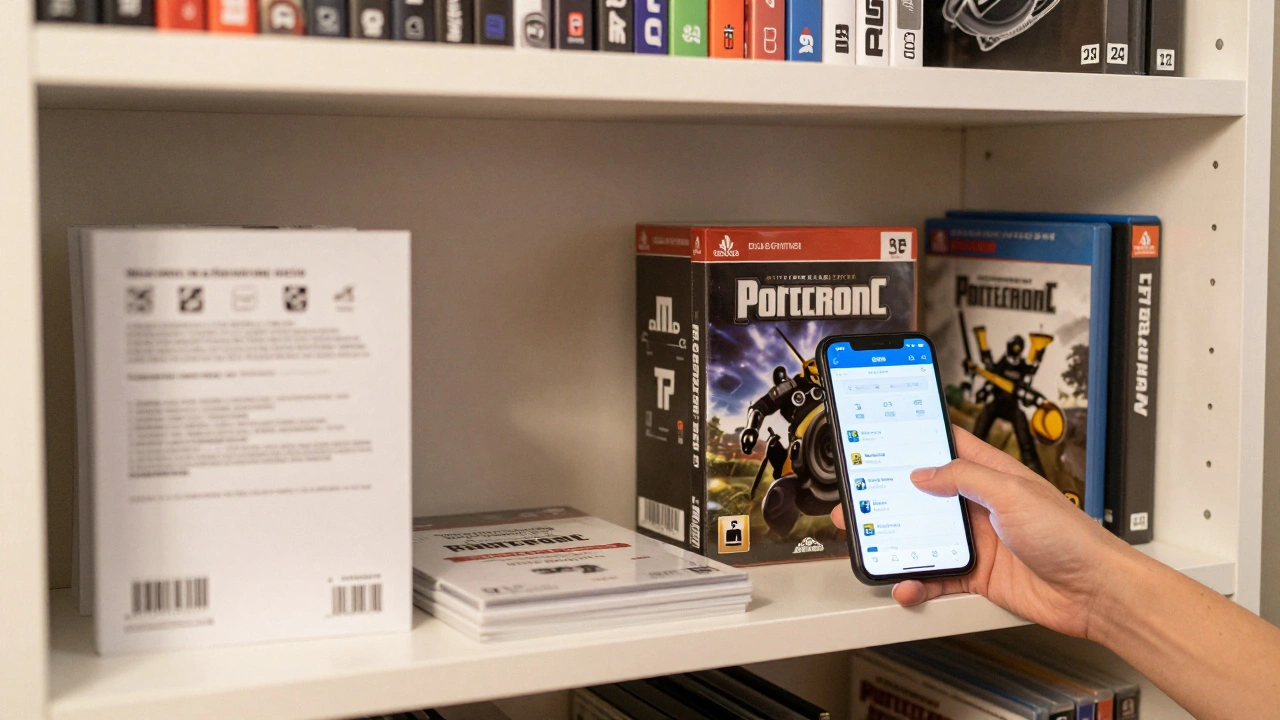
You can’t appraise what you can’t count. Begin by listing every game in your collection. Don’t rely on memory. Don’t use vague notes like "a bunch of NES games." You need specifics: title, platform, region, edition. If you have 12 copies of Super Mario Bros., list them individually. Why? Because one might be sealed, another has a worn box, and a third has a cracked cartridge. Each is worth something different.Use a tool like the CLZ Games app. It lets you scan barcodes with your phone’s camera and automatically populates the game’s name, platform, and current market value. For a one-time fee of around $15 a year, it organizes your entire collection, sorts it alphabetically, and even flags rare items. You’ll end up with a digital spreadsheet that appraisers can open and trust.
Check Condition-Every Single Game
Condition is everything. A game in perfect shape can be worth 5x more than the same title with a scratched disc or faded box. Go through each one and ask four questions:- Does it power on and play without glitches?
- Is the disc or cartridge clean? No deep scratches, no cracks, no warping.
- Is the box intact? No torn corners, no fading, no water damage.
- Is the manual and all inserts present? No missing flyers, no ripped inserts, no handwritten notes.
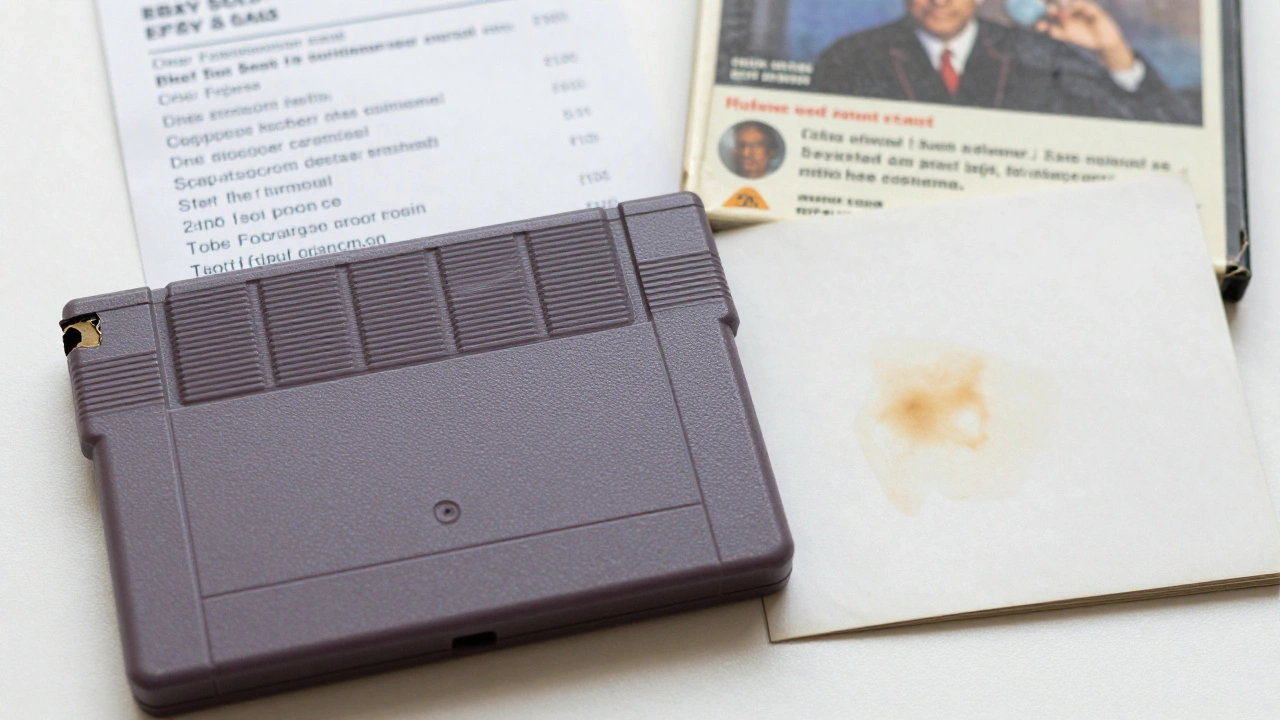
Write down your findings. Use simple terms: "Excellent," "Good," "Fair." Don’t say "looks okay." Be precise. If a box has a 2-inch tear on the back, note it. If the manual has a coffee stain on page 7, say so. Appraisers don’t want fluff-they want facts.
Confirm Complete-in-Box (CIB) Status
CIB means Complete-in-Box. That’s the gold standard. For collectors and insurers, CIB isn’t just a buzzword-it’s a valuation multiplier. A game with its original box, manual, and inserts can easily double in value compared to a loose cartridge or disc.For every game, verify:
- Box matches the game’s region and version (e.g., NTSC-U vs. PAL)
- Manual is the correct edition (no reprints or photocopies)
- All inserts (maps, posters, stickers) are there
- No aftermarket replacements (e.g., a printed manual from the internet doesn’t count)
If you’re missing anything, write it down. "Manual missing," "box replaced," "insert not included." Honesty here builds trust. An appraiser who sees you’re upfront about flaws will take your whole collection more seriously.
Research Market Value-Don’t Guess
Google isn’t enough. eBay is where real prices happen. Search for sold listings-not current ones. Filter by condition: "Very Good," "Excellent," "Like New." Look at the final sale price, not the asking price. Many sellers overprice. Sold prices tell you what buyers actually paid.Use The Official Price Guide to Video Games as a secondary reference. It’s updated annually and used by insurance companies and collectors alike. Cross-check each game against both sources. If a rare title like Stadium Events for the Atari 2600 has no recent sales, search across a 12-month window. If it hasn’t sold in that time, note "No comparable sales" and add a comment: "Estimated replacement value based on community consensus."
For ultra-rare games-like the 1996 Nintendo World Championships cartridge-you’ll need more than numbers. Join forums like Reddit’s r/VideoGameCollection or AtariAge. Ask for input. Take screenshots of expert opinions. Print them out. These become part of your appraisal package. Appraisers don’t need to agree with the crowd-they need to see that you did your homework.
Document Everything
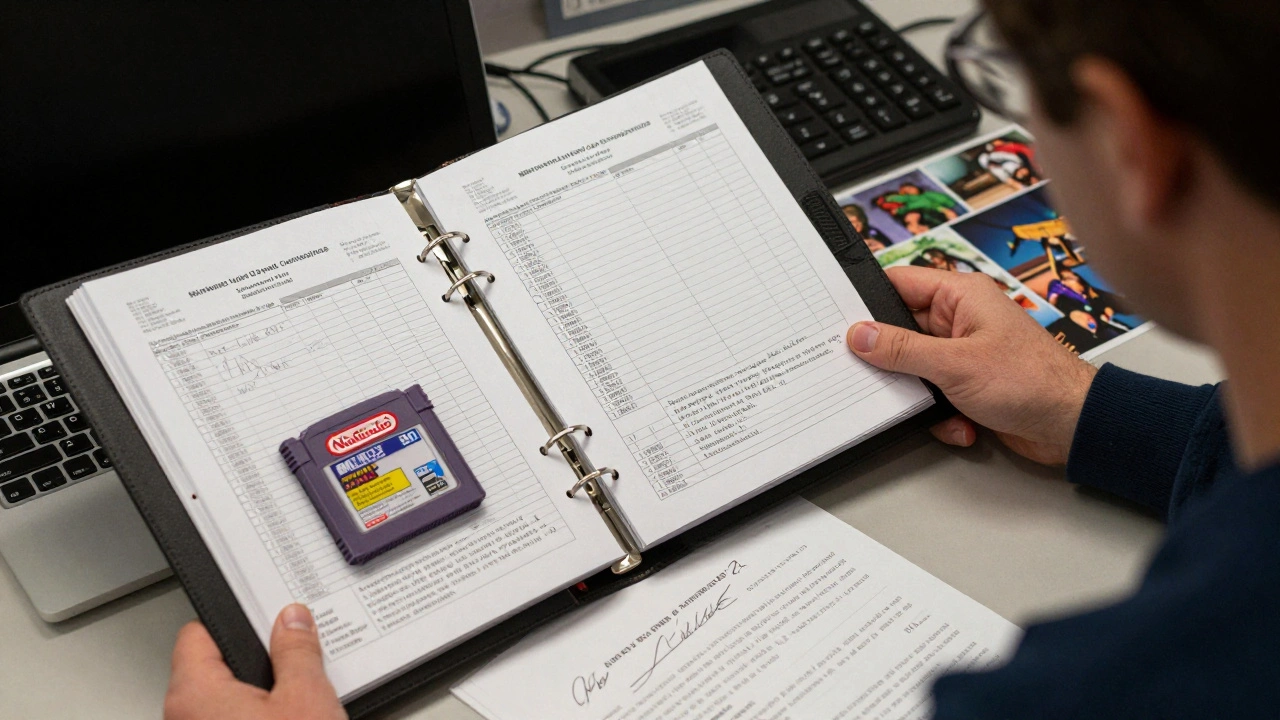
You’re not just organizing games-you’re building a legal record. Create a binder or digital folder with:- A printed copy of your CLZ inventory (or Excel sheet)
- Photos of each game: front of box, back of box, disc/cartridge, manual, inserts
- Printed eBay sold listings for each item (include date and price)
- Notes on condition for each game
- Printed forum threads or expert quotes for rare items
Label everything. Use tabs. Number the pages. If you have 200 games, this might take a weekend. But when you walk into an appraisal appointment, you’ll look like a pro. And appraisers pay more attention to people who show up prepared.
Find the Right Appraiser
Not every pawn shop or game store does appraisals. Call ahead. Ask if they provide written, signed appraisals for insurance purposes. Some local shops will do it for $25-$75, depending on collection size. Others might refer you to a certified appraiser who specializes in pop culture collectibles.If you’re in Portland, Oregon, try shops like Retro Game Exchange or The Game Room. They’ve handled insurance appraisals before. You can also reach out to members of local collector groups on Facebook. Many have written appraisals for friends and are willing to help for a small fee.
Make sure the appraiser signs and dates the document. It should include their contact info, credentials, and a statement like: "This appraisal is based on current market data and condition assessment as of [date]." That’s what insurance companies want.
Update Regularly
Market values change. A game worth $300 today might be $800 in a year-or drop to $50. Revisit your inventory every 6-12 months. Update your photos. Refresh your eBay research. Add new sales. Update your appraiser’s report if you get a new one. Insurance policies require current documentation. An appraisal from 2023 won’t cut it in 2026.What If You Don’t Have Time?
If your collection is huge, start small. Pick your top 20 most valuable games. Get those appraised first. Use that as a baseline. Then work your way down. You don’t need to do it all at once. But do it consistently. One game appraised today is better than 200 appraised never.Why This Matters
A video game collection isn’t just nostalgia. It’s an asset. And like any asset, it needs protection. Without proper documentation, your insurance company might deny a claim. They’ll say, "We can’t verify this was worth $10,000." But with clear records, photos, and a professional appraisal, you’re covered. You’ve turned your passion into something tangible-and that’s worth more than any game.Do I need to appraise every game in my collection?
No, but you should. Insurance companies typically cover the full value of your collection, so they’ll want to see documentation for everything. However, if you’re on a budget, start with your most valuable items-rare, sealed, or CIB games. Once those are appraised, you can add others over time. The key is consistency, not perfection.
Can I use eBay prices alone for my appraisal?
Yes, but only if you use sold listings-not current ones. Asking prices are often inflated. Sold prices show what buyers actually paid. For the most accurate results, combine eBay data with The Official Price Guide to Video Games. If a game has no sales in the last 12 months, note that and supplement with community expert opinions.
What if my game’s box is damaged?
It still has value. Be honest. Note the damage: "Box has 3-inch tear on right edge," "Cover art faded from sun exposure." Appraisers understand wear. A game with a damaged box but perfect cartridge and manual might still be worth 60-70% of its CIB value. The key is transparency-hiding damage will hurt your credibility more than admitting it.
Is a handwritten list enough for an appraisal?
No. Handwritten lists don’t hold up with insurance companies. They need verifiable data: scanned barcodes, digital inventories, photos, and printed sales records. Use apps like CLZ Games or Excel. Even a simple PDF with clear labels and photos will be taken far more seriously than a notebook.
How often should I update my collection appraisal?
Every 12 months. Game values fluctuate based on demand, new releases, and collector trends. A game that sold for $500 last year might be $1,200 now-or drop to $200. Insurance policies require current documentation. Update your inventory, photos, and sold listings annually. If you buy or sell games during the year, note those changes immediately.