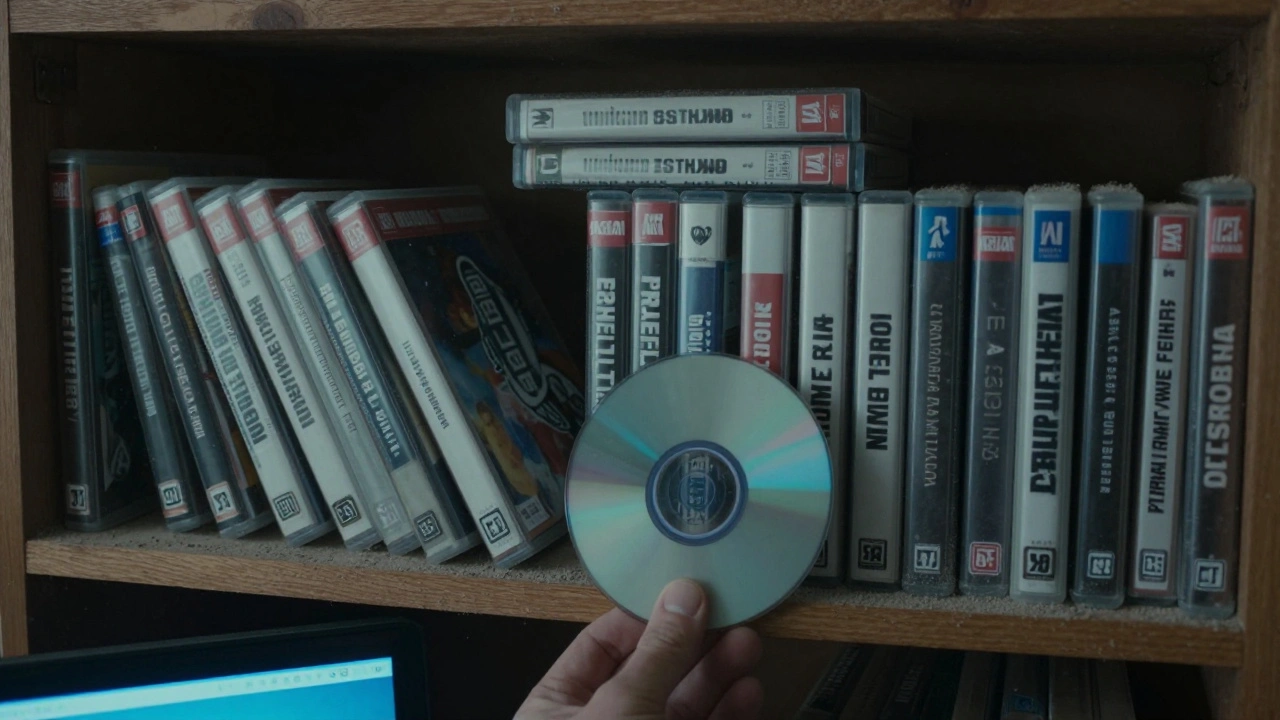
Imagine spending $60 on a brand-new game, only to find out six months later that everyone is playing it for a few bucks a month as part of a bundle. For years, the physical game disc was a symbol of ownership and a tangible asset you could sell or trade. But the rise of Xbox Game Pass is a subscription service that provides a rotating library of games for a monthly fee, PlayStation Plus, and Nintendo Switch Online has flipped the script. We've moved from an era of "buying a product" to "renting access," and this shift is hammering the resale value of those plastic cases gathering dust on your shelf.
The Death of the 'Day One' Investment
In the past, buying a physical copy of a hit game was like buying a stock; if you got it early and kept it in good condition, you could recoup half your money by selling it to a local game store or online. Now, the incentive to buy a physical copy at full price has plummeted. Why drop $70 when a subscription service might add that same title to its library shortly after launch?
This isn't just a feeling; it's a documented market shift. A study from UC Berkeley's Haas School of Business found that subscription bundling creates a genuine cannibalization effect. When a game is available via a subscription, subscribers simply buy fewer individual copies. This means fewer physical units enter the market, and those that do lose their perceived value faster because the "barrier to entry" for the average player is now a $10 monthly fee rather than a steep one-time payment.
| Feature | Physical Disc/Cartridge | Subscription Service |
|---|---|---|
| Ownership | Permanent (Physical Asset) | Temporary (Rental Access) |
| Resale Value | Potential for profit/recovery | Zero (No ownership to sell) |
| Internet Dependence | Low (Depending on DRM) | High (Required for access) |
| Cost Entry | High (Per-game price) | Low (Monthly fee) |
The Live-Service Trap
It's not just about how we pay; it's about how games are built. We are seeing a massive shift toward Live-Service Games, which are titles designed to be updated constantly. Think of games like Fortnite or Destiny 2. These games require constant digital downloads for patches and new content to even function.
This makes the physical disc almost a decorative piece of plastic. Even if you buy the disc, you often have to download 50GB of data just to start the game. When the physical medium no longer contains the "complete" experience, its value as a standalone product vanishes. If a game is designed to live in the cloud, a physical box becomes an expensive novelty rather than a functional tool.
The 'GTA V' Effect: Subscriptions as Marketing
Interestingly, subscriptions don't always kill sales immediately; sometimes they act as a gateway. Take Grand Theft Auto V. Years after its release, it joined Xbox Game Pass, and surprisingly, sales actually spiked by 44% within six months. Why? Because the subscription introduced the game to a massive new audience who enjoyed it so much they decided to buy it permanently.
However, this doesn't help the physical collector. While it increases the total number of people playing the game, it doesn't increase the demand for 10-year-old physical discs. Instead, it pushes people toward digital versions. The a-la-carte model is being replaced by a "try-before-you-buy" system that almost always ends in a digital purchase, leaving the secondary physical market to wither.
Why Some Collectors Still Fight Back
Despite the decline, a hardcore minority refuses to go digital. There's a very real fear of "digital disappearance." If a company goes bankrupt or a server shuts down, your digital library can vanish overnight. Physical media is the only hedge against this. Gamers remember the outrage when Microsoft tried to implement always-online DRM for the Xbox One back in 2013; it proved that people deeply value the permanence of a disc.
For these collectors, value isn't about resale profit anymore-it's about preservation. They aren't looking at the market price on eBay; they're looking at the insurance of knowing they can play their favorite game in 2040 without needing a subscription login or a functioning server. This creates a "floor" for physical values, where rare or culturally significant titles maintain value not because they are playable, but because they are artifacts.
The Ripple Effect on Indie Developers
The impact isn't just on the players; it's on the creators. A GDC survey of 4,000 developers showed a deep divide. While big AAA studios can treat subscriptions as a marketing machine, independent developers are worried. They see a parallel to Spotify, where the payout per stream is tiny compared to selling a physical CD or digital album.
When a game is valued as a "rental" item, the perceived worth of the art drops. If a player spends 20 hours in an indie game but only paid a monthly fee shared among 100 other titles, they aren't attributing a specific monetary value to that specific piece of work. This devaluation makes it even harder for indies to justify printing physical "collector's editions," which used to be a vital revenue stream for smaller studios.
What This Means for Your Game Collection
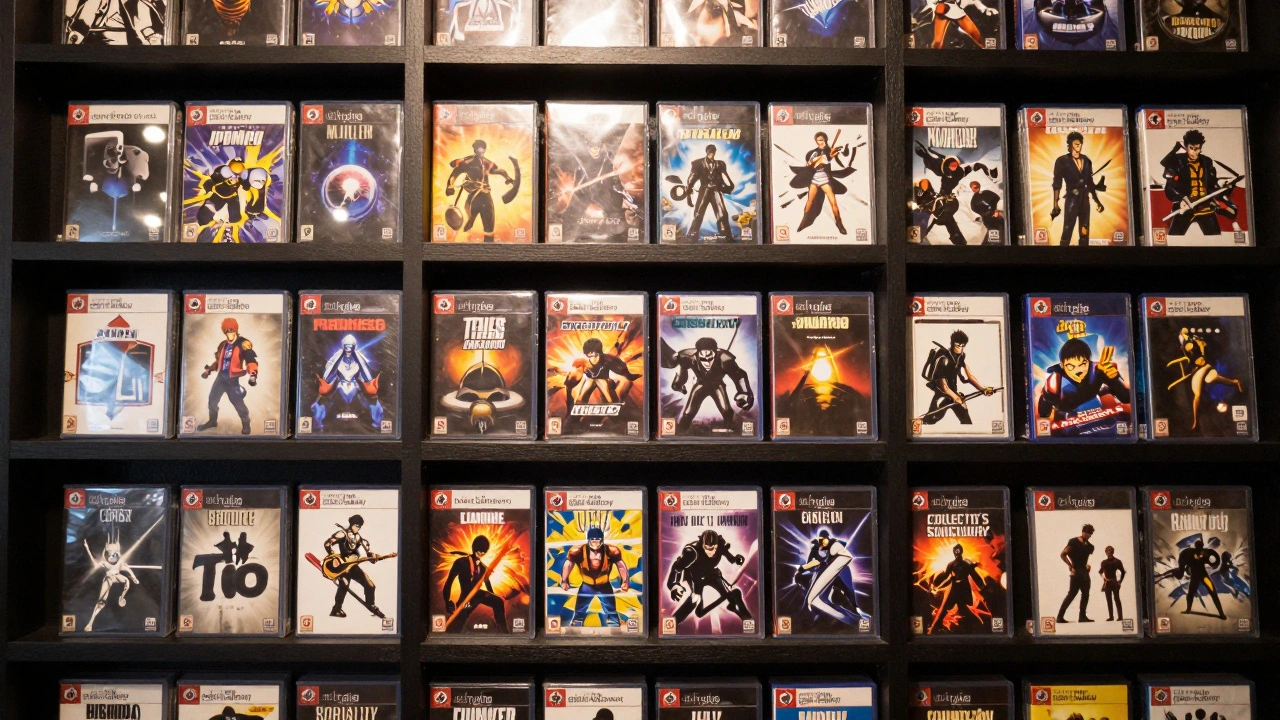
If you're holding onto a library of physical games hoping they'll become the next big investment, the outlook is tough. The contraction of the secondary market is a vicious cycle: fewer people buy physical games, so there are fewer buyers when you decide to sell, which drives prices down further.
The reality is that we are mirroring the path of the music and film industries. Just as DVDs and CDs became niche collectibles after Netflix and Spotify took over, physical games are transitioning from a primary consumption method to a hobbyist's pursuit. Your games might still have value, but that value is shifting from "market utility" to "sentimental collectibility."
Do physical games still have any resale value?
Yes, but it's becoming limited. Most common titles lose value quickly because of digital subscriptions. However, limited editions, rare RPGs, and titles with a dedicated cult following still hold or increase in value as physical production decreases.
Why are some games on Game Pass but not others?
Developers use subscriptions as a price discrimination tool. Some use it to reach new audiences (like the GTA V example), while others keep their games a-la-carte to maintain a higher perceived value and higher per-unit profit.
Is it safer to buy games physically or digitally?
Physically is safer for long-term preservation. Digital licenses can be revoked, and stores can shut down. A physical disc gives you ownership of the data, although live-service games often still require an internet connection to work.
Will physical games eventually disappear entirely?
It's likely they will stop being the primary way people buy games, but they won't disappear. Much like vinyl records, they will likely exist as a premium, niche product for collectors and enthusiasts.
Does the 'live-service' model affect my old physical games?
Not directly, unless the game requires a server to run. However, the trend toward live services makes new physical releases less valuable because the disc is often just a "key" to download the actual game.
Next Steps for Collectors
If you're a collector, focus on "complete" experiences-games that don't require a day-one patch or a subscription to function. These are the titles that will hold value as the world goes fully digital. For the casual gamer, the shift to subscriptions is a win for your wallet, but a loss for your shelf. The choice now is between the convenience of a monthly fee and the security of a physical object you actually own.