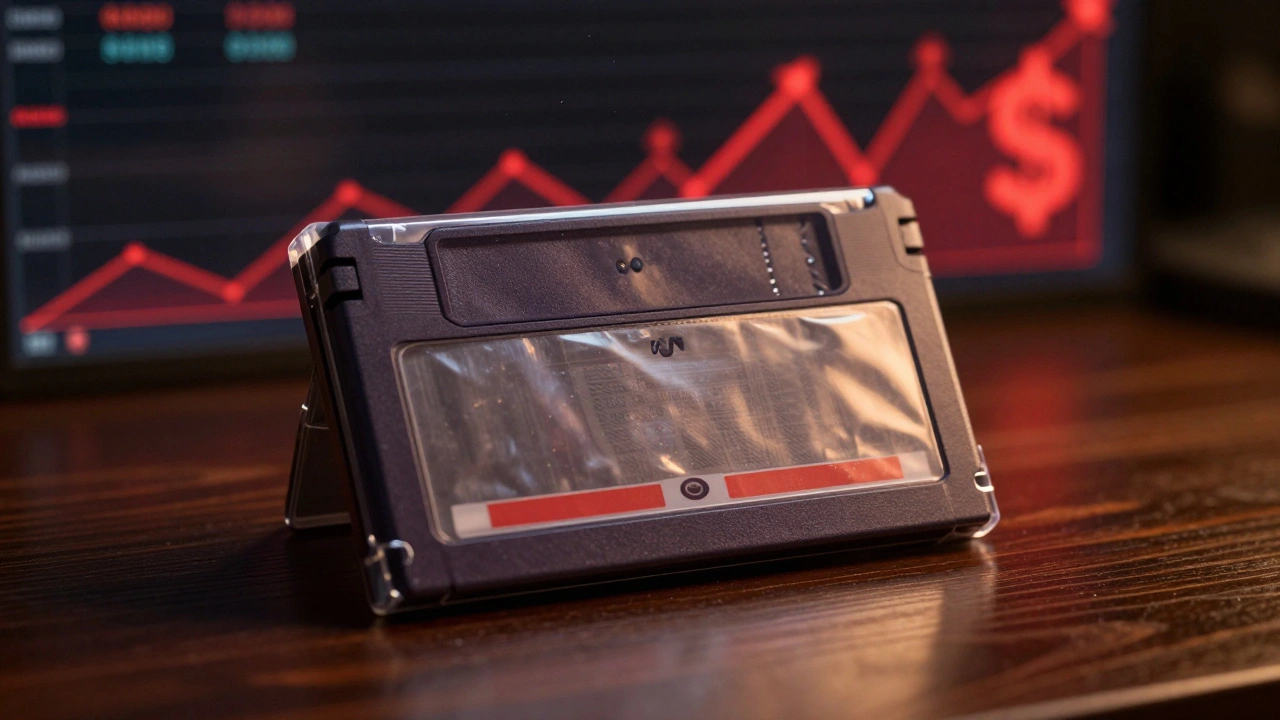
It’s May 2026, and if you’ve been holding onto cash waiting for the perfect retro video game that holds value as a collectible asset during economic shifts, you might be feeling a pinch. The economy isn’t behaving like it did two years ago. Inflation has accelerated, energy prices have spiked, and interest rates remain a tight squeeze on disposable income. For collectors, this isn’t just background noise-it’s a direct hit to your buying power and the valuation of your shelf.
We’re seeing a divergence between what mainstream economists predict and what’s actually happening at the pump and the grocery store. While some forecasts suggest stability, the reality on the ground points to persistent price pressures. This guide breaks down exactly how these macroeconomic forces are reshaping the video game collecting landscape right now, so you can decide whether to hold, buy, or sell.
The Inflation Reality Check: Why Your Cash Is Worth Less
Let’s look at the numbers without the fluff. As of April 2026, the annual inflation rate in the United States hit 3.7%. That is the highest reading since September 2023. It jumped sharply from 3.3% in March, which itself was a spike after months of relative calm. If you were planning to save up for a sealed copy of a classic title over six months, that plan just got more expensive.
This isn’t just about groceries. The Bureau of Labor Statistics data for March 2026 shows that headline CPI-U inflation was 3.26%. But look closer at the components. Energy price inflation skyrocketed to 12.53%. Gasoline prices were up nearly 19%, and fuel oil surged by over 44%. Why does this matter to a gamer? Because energy costs drive logistics. Shipping, warehousing, and even the electricity used to run online marketplaces all get more expensive when energy spikes. Those costs trickle down to the final price tag on eBay, Mercari, or local meetups.
| Month | Annual Inflation Rate | Monthly Change | Key Driver |
|---|---|---|---|
| January 2026 | 2.4% | +0.2% | Stable baseline |
| February 2026 | 2.4% | +0.3% | Minor uptick |
| March 2026 | 3.3% | +0.9% | Largest jump since June 2022 |
| April 2026 | 3.7% | ~+0.4% (est.) | Energy & Tariff pass-through |
The Peterson Institute for International Economics (PIIE) warns that we might see inflation exceed 4% by the end of 2026. They cite five drivers: lagged tariff effects, fiscal deficits, a tighter labor market, loose monetary policy, and drifting inflation expectations. If PIIE is right, the "wait and see" approach could cost you dearly. When purchasing power erodes, sellers adjust prices upward faster than buyers can adapt.
Interest Rates: The Hidden Brake on Collector Spending
Inflation and interest rates are dance partners. When inflation rises, the Federal Reserve typically keeps rates high to cool demand. Earlier in 2025, there was hope for rate cuts. The University of Michigan predicted the federal funds rate would drop to a 3.25-3.5% range by late 2025. That didn’t happen as smoothly as hoped. With inflation accelerating into 2026, the Fed is under pressure to maintain higher-for-longer rates.
Why do high interest rates hurt video game collecting? Two reasons:
- Opportunity Cost: Money sitting in a savings account earns more. If you can get 4-5% risk-free return on cash, you’re less likely to spend $500 on a vintage console unless you believe it will appreciate significantly faster than that yield.
- Credit Tightening: Many collectors use credit cards or short-term financing for big purchases. Higher rates mean higher interest charges on those balances, reducing the net amount you’re willing to spend on discretionary items like games.
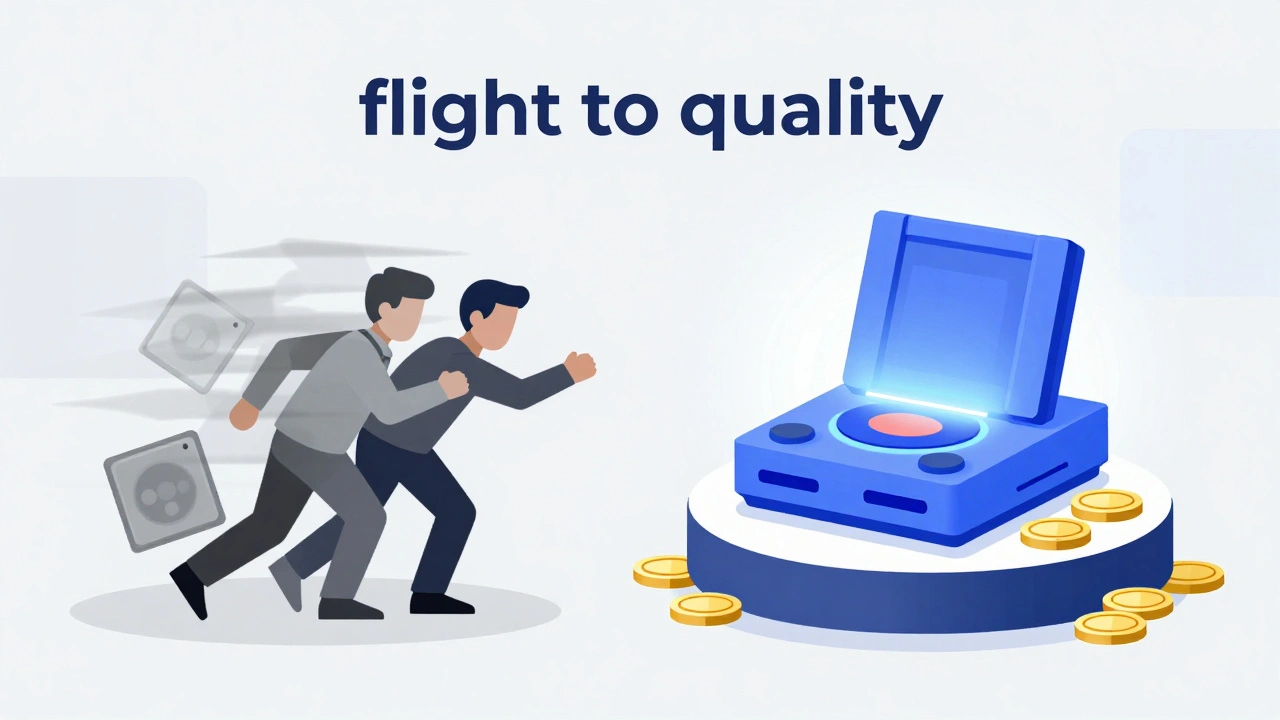
This creates a "flight to quality" scenario. Buyers stop buying mid-tier titles with uncertain appreciation potential. They only go for blue-chip assets-sealed first-run copies of iconic titles like Super Mario Bros. that is considered a top-tier collectible with stable historical value or rare hardware. The middle market stalls because buyers are cautious, and sellers aren’t lowering prices fast enough to compensate for their own rising living costs.
Tariffs and Supply Chain Friction: The Import Tax on Nostalgia
You might not think tariffs affect your old Nintendo cartridges, but they do. The PIIE analysis highlights that tariffs imposed under the International Emergency Economic Powers Act (IEEPA) are still causing ripple effects. Even though companies are shifting sourcing and securing exemptions, the burden hasn’t disappeared. It’s just changing shape.
Consider this: many retro games and accessories are manufactured in Asia. Components for modern reproductions, protective cases, grading services (like WATA or CGC), and even international shipping rely on global supply chains. Tariffs increase the cost of importing these goods. Sellers factor this into their prices. A graded case that cost $10 last year might now cost $13 due to material and import taxes. Over hundreds of transactions, that adds up.
Additionally, geopolitical tensions-specifically mentioned in relation to energy costs linked to conflicts involving Iran-have disrupted shipping routes and increased insurance premiums for cargo. This means longer delivery times and higher fees for cross-border trades. If you’re buying from overseas sellers, expect friction.
What to Watch: Five Key Indicators for Collectors
So, how do you navigate this? You need to monitor specific signals that indicate whether the market is heating up or cooling down. Here are the five things to watch in the second half of 2026:
- Core CPI Trends: Headline inflation includes volatile energy and food prices. Core inflation (excluding those) is a better indicator of sustained price pressure on goods. In March 2026, core inflation was 2.6%. If core starts climbing above 3%, expect broader price increases across all collectibles.
- Federal Reserve Statements: Watch for any mention of "higher for longer" or delays in rate cuts. If the Fed signals prolonged tightness, consumer spending on non-essentials will contract further.
- Secondary Market Volume: Look at transaction volumes on major platforms. Are sales slowing down? A drop in volume often precedes a drop in prices. If listings stay up for weeks, sellers are losing leverage.
- Grading Service Backlogs: Companies like WATA and CGC process thousands of items monthly. Long backlogs indicate high demand for authentication, which usually correlates with a bullish market. Shortening backlogs might signal cooling enthusiasm.
- Digital vs. Physical Sentiment: As physical media becomes scarcer due to manufacturing shifts and cost pressures, digital libraries may become more attractive to casual players. However, hardcore collectors often double down on physical scarcity during inflationary periods as a hedge against currency devaluation.
Strategy: How to Adjust Your Collection Habits
Given the current economic climate, here’s how to tweak your approach:
- Buy Quality, Not Quantity: Avoid speculative buys on obscure titles. Focus on proven staples with strong historical performance. These hold value better during downturns.
- Negotiate Harder: Sellers who are motivated to move inventory quickly may be open to discounts. Use the slow market conditions to your advantage. Offer fair but firm prices below asking.
- Watch for Distress Sales: Some collectors may need to liquidate assets to cover rising living expenses. Keep an eye on local groups and auctions for undervalued lots.
- Hedge with Digital: Consider investing in limited-edition digital keys or NFT-backed physical goods if you’re tech-savvy. Diversification reduces risk.
- Store Properly: Don’t rush to grade everything. Grading costs money and time. Only send items that are truly pristine and have high resale potential. Store the rest in climate-controlled environments to preserve condition.
The bottom line? Inflation and interest rates are real headwinds. But they also create opportunities for savvy buyers who wait for the right moment. Stay informed, stay patient, and focus on long-term value rather than short-term hype.
Will video game prices go down if inflation stays high?
Not necessarily. High inflation often leads to sticky prices. Sellers raise prices to protect their margins, and buyers hesitate to spend. This can cause a stalemate where prices don't drop significantly, but volume decreases. Blue-chip items may continue to rise, while mid-tier titles stagnate or dip slightly.
Is now a good time to sell my collection?
If you need liquidity, yes. But if you want maximum value, wait for signs of easing inflation or lower interest rates. Currently, the market is cautious. Selling now might mean accepting lower offers due to reduced buyer confidence. Monitor core CPI and Fed announcements for better timing.
How do tariffs specifically affect retro game imports?
Tariffs increase the cost of importing goods, including packaging materials, grading supplies, and the games themselves if sourced internationally. These costs are passed on to consumers through higher listing prices and shipping fees. Expect gradual price increases on imported items throughout 2026.
Should I invest in sealed games or played copies?
Sealed games generally hold value better during inflationary periods because they are scarcer and perceived as safer assets. Played copies, especially those with minor cosmetic issues, may struggle to find buyers as discretionary spending tightens. Focus on sealed, graded, or highly desirable ungraded copies.
What role does energy price inflation play in collectible markets?
High energy costs increase logistics expenses, including shipping, storage, and marketplace operations. This indirectly raises the final price of collectibles. Additionally, energy shocks reduce household disposable income, leading to fewer impulse purchases and slower market turnover.