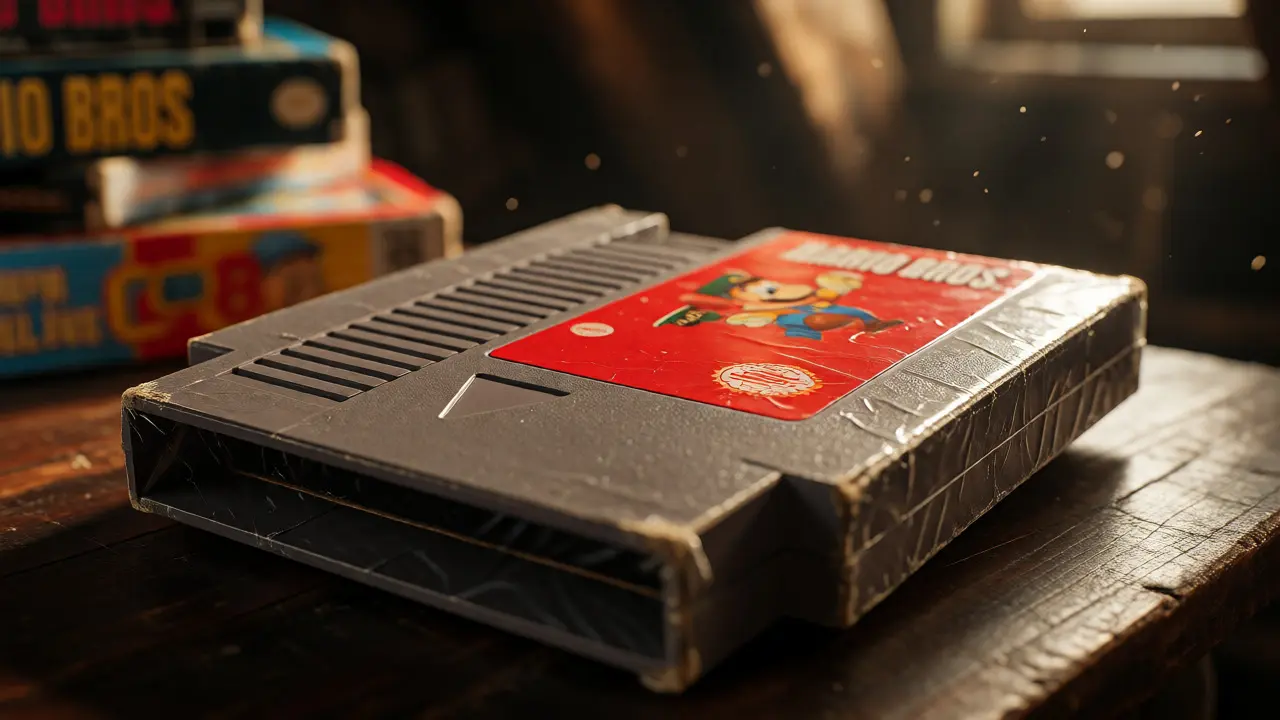
You just found a sealed copy of Super Mario Bros. in your attic, or maybe you’ve been hoarding rare Nintendo cartridges for decades. Now the bank wants collateral, or your homeowner’s policy demands proof of value. Panic sets in. How much is this actually worth? Is it $50 or $5,000?
Appraising a video game collection isn’t like appraising gold bars. There’s no spot price on a ticker. Value depends on condition, rarity, provenance, and market hype at any given second. If you get this wrong, you either underinsure your assets or overpay for a loan against junk. Here is how to do it right without losing your shirt.
The Three Pillars of Game Valuation
Before you look up prices, understand what drives them. Every collector and insurer looks at three things: Completeness, Condition, and CIB status (Complete In Box). You cannot separate these.
A loose cartridge of The Legend of Zelda for NES might sell for $40. The same cartridge with its original manual and box? That’s $300. Sealed in factory plastic? We are talking thousands. Insurers will not pay full retail for a loose cart unless you prove it’s part of a set. They care about resale liquidity. Can they sell it easily if you default or file a claim?
- Completeness: Does it have the box, manual, insert, and all accessories? Missing manuals can drop value by 30-50%.
- Condition: Scratches on the label, yellowing plastic, or water damage kill value faster than anything else.
- Rarity: Not all old games are rare. Tetris for Game Boy was everywhere. Skyblazer for SNES was printed in tiny numbers.
DIY Research: Where to Look First
Don’t trust eBay listings alone. Most sellers list high and hope someone bites. You need sold data. Use platforms that show completed transactions from the last 90 days. This gives you a realistic market average, not a fantasy price.
Start with PriceCharting. It aggregates data from eBay, Amazon, and local stores. It provides a "low," "mid," and "high" range based on condition grades. For insurance purposes, use the "mid" to "high" range depending on your location and demand. If you live in a major city with active collector scenes, aim higher. Rural areas? Stick to mid.
Next, check Wata Games or Heritage Auctions archives. These sites show actual hammer prices from recent auctions. If a game sold at auction for $1,200, but PriceCharting says $800, the auction data is more accurate for rare items because it reflects competitive bidding. However, be careful: auction prices can spike due to hype. For a standard collection, stick to median sales data.
| Source | Best For | Reliability | Insurance Acceptance |
|---|---|---|---|
| eBay Sold Listings | Common titles, loose carts | Medium | Low-Medium |
| PriceCharting | General market averages | High | High |
| Auction Houses (Heritage/Wata) | Rare, graded, high-end items | Very High | Very High |
| Local Dealer Quotes | Bulk sales, quick cash | Variable | Low (usually wholesale) |
Grading Matters More Than You Think
If you have valuable items, you must grade them accurately. Insurers don’t guess. They rely on standardized scales. The industry standard for sealed games is the VGA (Video Game Authority) or Wata scale, which uses a 10-point system. Loose games are harder to grade consistently, so insurers often apply a discount to loose items unless they are exceptionally clean.
Here is a rough guide for loose cartridges:
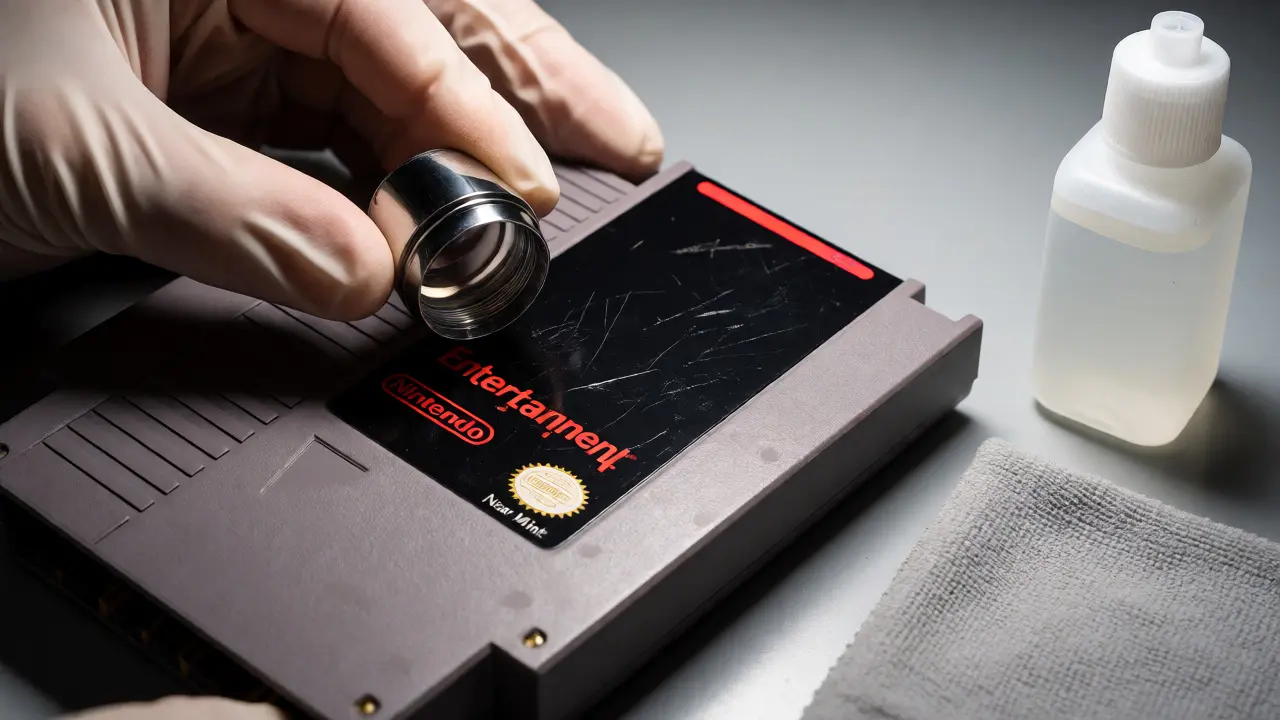
- Mint (M): No scratches on label, perfect contacts, no wear on shell. Rare for used games.
- Near Mint (NM): Minor scuffs on label, light wear on shell. Most common "good" condition.
- Good (G): Visible scratches, faded label, dirty contacts. Value drops significantly.
- Poor (P): Cracked shell, torn label, non-functional. Often considered parts only.
For boxed games, check the corners. Are they crushed? Is the shrink wrap intact? A tiny tear in the seal can cost you hundreds on a rare title. When appraising for a loan, lenders prefer sealed or near-mint items because they hold value better during the loan term.
Hiring a Professional Appraiser
Should you hire a pro? If your collection is worth less than $5,000, probably not. The appraisal fee ($150-$300) might eat into your equity. But if you have rare items like Stadium Events or Air Raid, yes. Get a written report.
A good appraiser will provide:
- A detailed inventory list with photos.
- Current fair market value (FMV) for each item.
- Replacement value (what it costs to buy a new one today).
- Notes on condition and authenticity.
Make sure the appraiser specializes in video games. Antique dealers might undervalue modern tech, while generalists miss niche rarities. Ask for references from other collectors or insurance agents. In Portland, there are several reputable shops that offer appraisal services, but always verify their credentials with the International Society of Appraisers.
Preparing Your Collection for Inspection
Whether you’re doing it yourself or hiring a pro, organization saves time and money. Group your items by platform first (NES, SNES, Genesis, PS1, etc.). Then sort by genre or alphabetically. This helps the appraiser find patterns and avoid double-counting duplicates.
Clean your games gently. Use isopropyl alcohol (90%+) and a microfiber cloth for contacts. Do not soak boxes in water. Dust them off. Take clear, well-lit photos of every item. Include close-ups of labels, serial numbers, and any defects. Digital records are crucial for insurance claims later. If your house burns down, you need proof of ownership and condition.
Keep receipts if you have them. Original purchase receipts help establish provenance, especially for limited editions. If you bought a game at a garage sale for $5 and it’s now worth $500, note the acquisition date and source. This adds credibility to your claim.
Insurance vs. Loan: Different Needs, Same Data
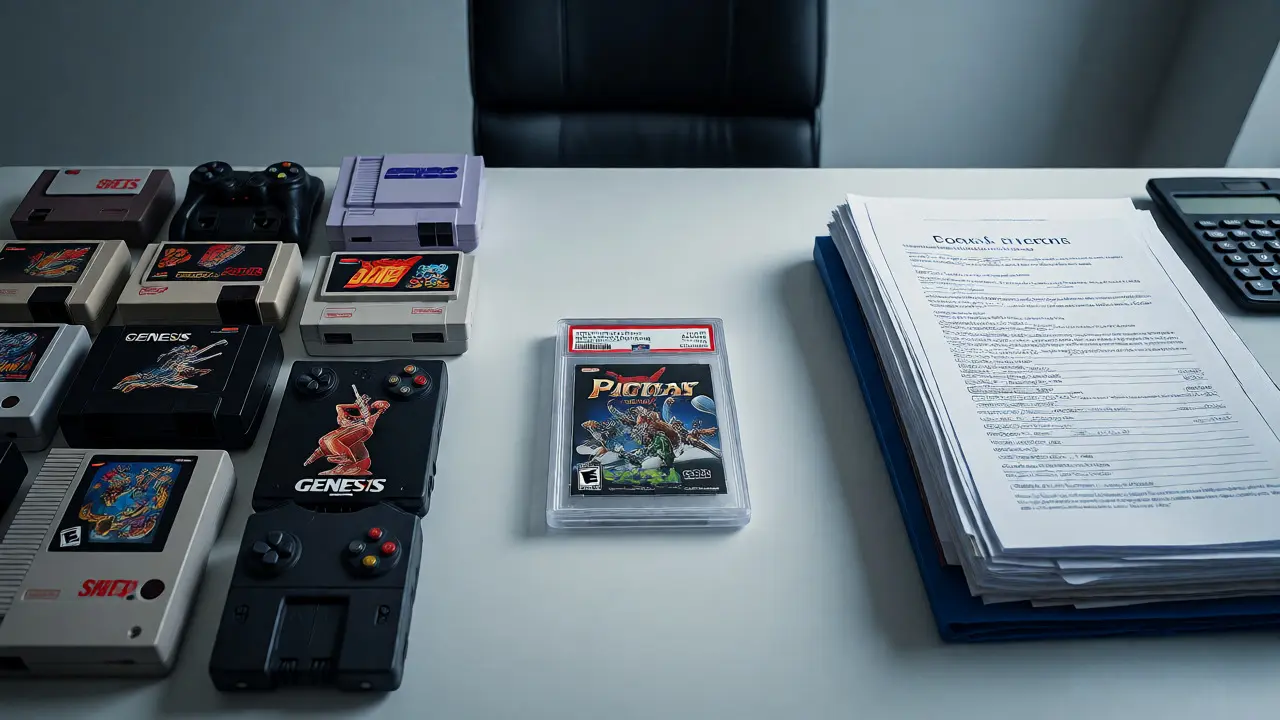
Insurers and lenders view your collection differently. Insurance covers replacement cost. If your EarthBound gets stolen, they want to know how much it costs to buy another one today. Lenders care about liquidation value. If you default on a loan, they need to sell your games quickly to recover cash. So, lenders often offer lower loan-to-value ratios (e.g., 50-60% of FMV).
For insurance, add a rider to your homeowner’s policy. Standard policies often cap electronics or collectibles at $1,500-$2,500. A dedicated collectibles rider removes caps and covers accidental damage, not just theft. Provide your appraisal document to the agent. Update it every 2-3 years, as the retro market fluctuates.
For loans, expect scrutiny on condition. Lenders may require professional grading for items valued over $500. They might also ask for storage details. Are your games in a climate-controlled room? Humidity warps cardboard boxes. Sunlight fades labels. Poor storage lowers resale value, so lenders penalize it.
Common Pitfalls to Avoid
Don’t assume everything old is valuable. Common titles like Mario Kart 64 or GoldenEye 007 are plentiful. Their value is low unless sealed and mint. Don’t let nostalgia blind you. You paid $50 for a game in 1995; that doesn’t mean it’s worth $50 now. In fact, many games depreciated.
Another mistake: ignoring regional differences. Japanese imports can be worth more, but only if they come with proper documentation and are compatible with your region’s hardware. An NTSC-J game won’t play on a US console without modification, lowering its appeal to buyers.
Finally, don’t forget peripherals. Controllers, memory cards, and consoles themselves have value. A complete setup is worth more than the sum of its parts. List everything separately in your inventory.
Frequently Asked Questions
Do I need to grade every game for insurance?
No, not every game. Only grade high-value items (typically those worth over $100-$200). For bulk collections, insurers accept a category-based valuation (e.g., "50 NES games in Good condition") rather than individual grades. Focus your grading budget on your top 10-20 most valuable titles.
How often should I update my appraisal?
Update your appraisal every 2 to 3 years, or whenever you acquire significant new items. The retro gaming market can experience sudden spikes due to trends or media coverage. Keeping your valuation current ensures you aren't underinsured when filing a claim.
Can I use eBay prices for my insurance claim?
You can use them as a starting point, but insurers often reject raw eBay listings because they include unsold items and inflated asking prices. Always use "sold" listings from the past 90 days. Better yet, use aggregated data from specialized sites like PriceCharting, which filters out outliers and provides a more stable market average.
What happens if my games are damaged before appraisal?
Document the damage immediately with photos. If the damage occurred after the appraisal, notify your insurer. For loans, disclose any changes in condition. Hidden damage discovered during inspection can lead to lower valuations or denied claims. Honesty prevents disputes later.
Are digital codes included in the appraisal?
Generally, no. Insurance typically covers physical assets. Downloadable content (DLC) or digital codes tied to an account are hard to insure because they lack tangible existence. Focus on physical discs, cartridges, boxes, and manuals. If you have a physical disc with a code, the disc itself has minimal value compared to the code's potential resale, but insurers rarely cover digital licenses.