
You just saw a tweet. Someone found a sealed copy of EarthBound for the SNES at a garage sale for twenty bucks. Your heart skips a beat. You refresh eBay. The price has already jumped to $400. You feel that familiar tightening in your chest-the fear that if you don’t buy it right now, you’ll miss out forever. This is FOMO (Fear Of Missing Out) in video game collecting, and it’s the single biggest budget killer for hobbyists.
Here’s the hard truth: most "limited" editions aren't actually rare. They’re just marketing tricks wrapped in shiny boxes. If you let panic drive your purchases, you end up with shelves full of overpriced plastic and an empty wallet. But if you learn to pause, breathe, and apply a few strict rules, you can build a collection you actually love without going broke. Let’s look at how to keep your head cool when the hype train leaves the station.
Understanding the Real Rarity vs. Marketing Hype
First, you need to know what you’re looking at. Not every special edition is worth hunting down. Publishers like Nintendo, Sony, and Sega have released thousands of "collector's editions" over the years. Most were printed in runs large enough to satisfy every pre-order on Amazon. That means supply is high, even if demand spikes temporarily.
True rarity comes from low print runs due to niche appeal or technical issues, not because a company decided to slap a steelbook case on a standard release. For example, a game released only in Japan with a run of 5,000 copies is genuinely scarce. A game released globally with a "Limited Collector's Edition" box containing a poster and a replica coin? That’s mass-produced. Always check the actual production numbers if you can find them, or look at sold listings on platforms like PriceCharting or eBay completed sales. If hundreds of copies sell every month, it’s not rare-it’s common.
| Indicator | True Rare Game | Marketing Hype Item |
|---|---|---|
| Print Run | Under 10,000 units (niche/regional) | Over 100,000 units (global wide release) |
| Availability | Seldom appears; sells fast when listed | Always available; multiple sellers active |
| Price Stability | Steady increase over years | Spikes then crashes after launch window |
| Inclusions | Unique manual, map, or regional variant | Poster, sticker, digital code (often worthless) |
The Three-Day Rule: A Simple Circuit Breaker
When you see a game you want, do not click "Buy It Now." Seriously. Implement the Three-Day Rule. This is a psychological trick to separate genuine desire from impulse buying driven by anxiety. Tell yourself you will wait exactly 72 hours before making any offer or purchase.
Why does this work? Because FOMO is time-sensitive. It thrives on urgency. After three days, the emotional spike fades. You might still want the game, but you’ll be evaluating it with logic instead of adrenaline. Often, you’ll realize you don’t actually care about the exclusive DLC code included in the box-you just wanted the game itself. Or you’ll notice that another seller lists the same item for $20 less. Waiting saves money, plain and simple.
- Day 1: Save the listing. Do nothing else. Go play a different game.
- Day 2: Check if the price changed. Look for alternative sellers or bundles.
- Day 3: Decide. Is it still a priority? Can you afford it without guilt? If yes, buy it. If no, delete the tab.
Define Your Collection Scope Before You Buy
FOMO hits hardest when you try to collect everything. You think, "I should get all the PS1 RPGs," or "I need every Nintendo switch title." That’s a recipe for disaster. There are too many games. Instead, narrow your focus. Pick a specific niche that aligns with your interests and budget.
Maybe you only collect horror games from the 90s. Maybe you only collect physical copies of indie titles under $30. Maybe you only collect games you’ve actually played and loved. By defining boundaries, you give yourself permission to ignore 90% of new releases. When a hyped "limited edition" shooter drops, you can shrug and say, "Not my lane," without feeling guilty. You’re not missing out; you’re staying focused.
Beware of the "Sealed" Premium Trap
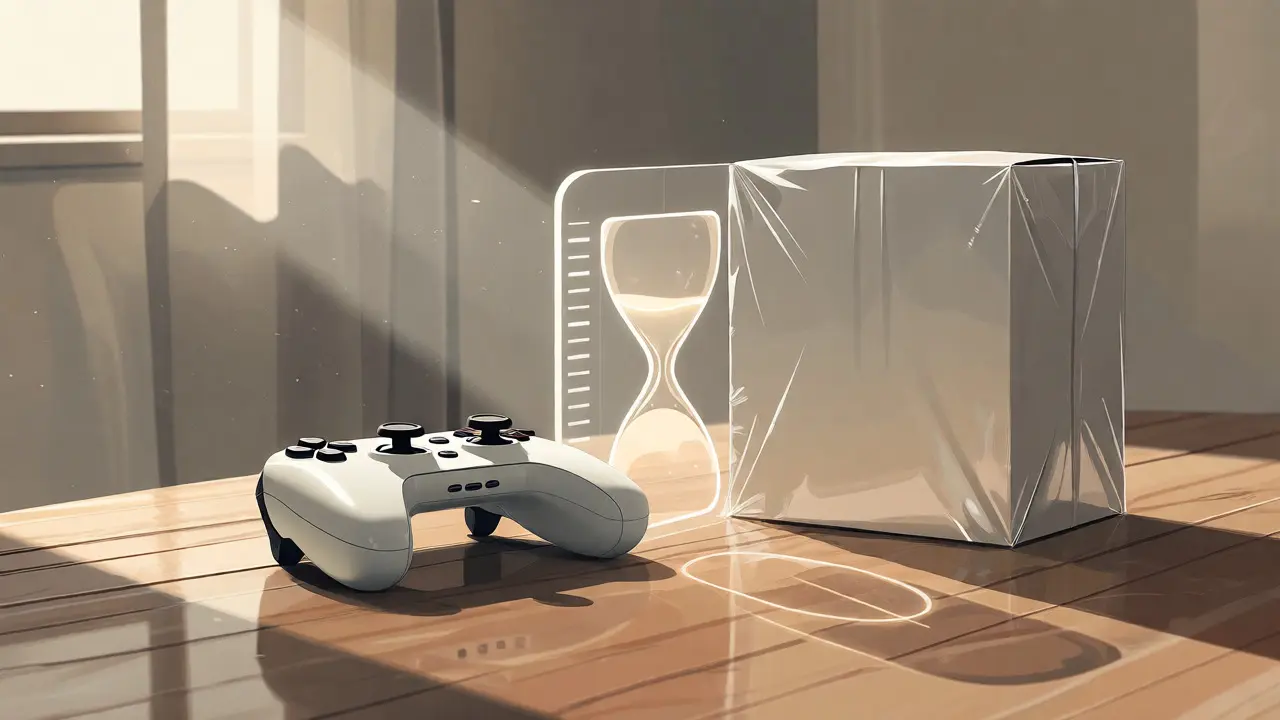
There’s a weird obsession in the community with keeping games sealed in plastic. While sealed copies hold value better for investment purposes, they defeat the purpose of playing them. If you buy a limited edition just to put it on a shelf unopened, ask yourself why. Are you collecting for joy or for resale profit?
If you plan to play the game, open it. The cardboard insert, the manual, the smell of fresh ink-these are part of the experience. Sealed premiums often inflate prices by 50-100%. By opening your games, you save money and enjoy the product. Plus, if you ever decide to sell, a complete-in-box (CIB) copy is still valuable, especially if you keep the receipt or original packaging neat. Don’t pay extra for shrink wrap unless you’re strictly an investor.
Use Data, Not Emotion: Tracking Market Trends
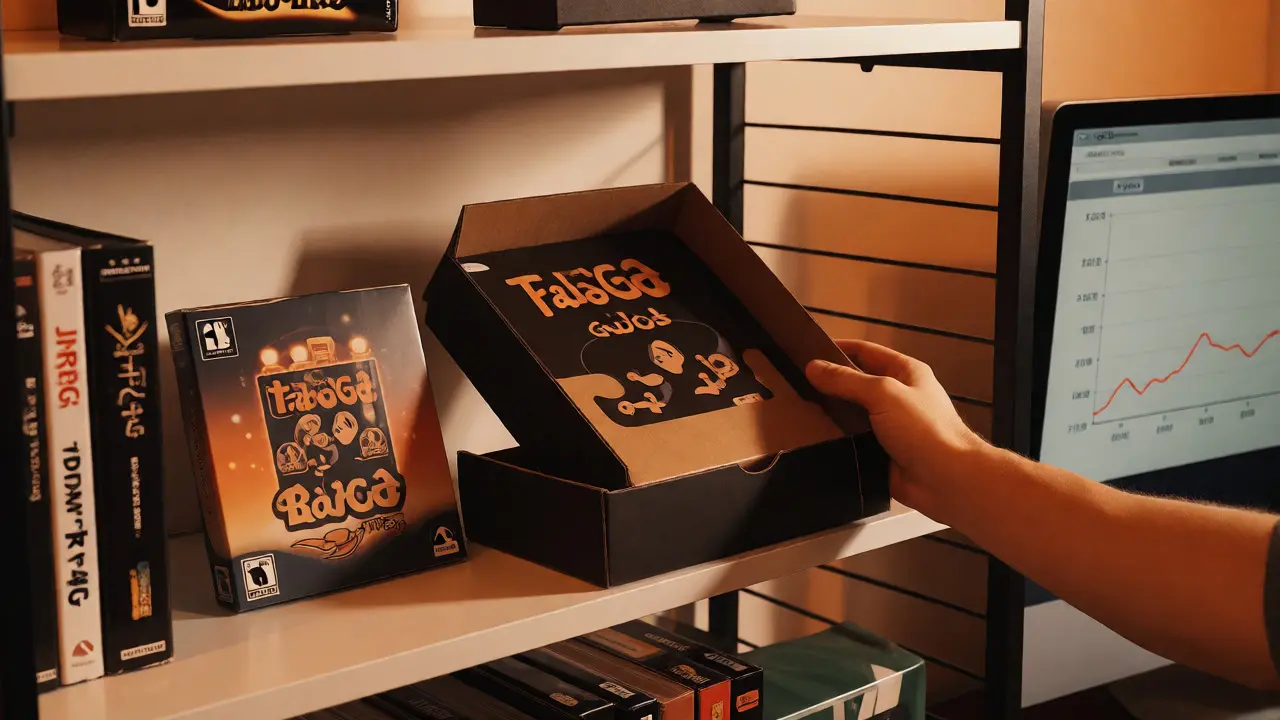
Stop guessing prices. Use tools. Websites like PriceCharting, GameValueNow, or even eBay’s "Sold Items" filter give you real data. Before you buy a "rare" item, spend ten minutes researching its history. Has the price been climbing steadily for five years? Or did it spike last week because a streamer mentioned it?
Artificial spikes are temporary. If a YouTuber plays a forgotten gem and calls it "the best hidden treasure," prices jump overnight. Wait for the dust to settle. Usually, within two weeks, the price drops back to normal levels. Buying during the hype cycle is how you become the exit liquidity for smarter collectors. Patience pays dividends here.
Accept That You Will Miss Things
This is the hardest part. You will miss games. Someone else will buy that perfect-condition Chrono Trigger SNES cartridge while you’re sleeping. And that’s okay. No one collects everything. Even professional archivists miss out.
Shift your mindset from "acquisition" to "appreciation." If you missed a game, watch a playthrough online. Enjoy the story without owning the plastic. Or, set a long-term goal: "If I see this again in six months at a fair price, I’ll buy it." Often, things come around. Retro markets fluctuate. Today’s overpriced item is tomorrow’s bargain bin find. Trust the market cycles.
Practical Checklist to Beat FOMO
Keep this list handy next time you feel the urge to impulse-buy:
- Is it actually rare? Check sold listings. If there are 50+ recent sales, it’s not rare.
- Can I wait 3 days? If yes, wait. If no, why? Is it truly once-in-a-lifetime?
- Does it fit my niche? If it doesn’t match your defined scope, skip it.
- Am I paying for hype? Compare current price vs. 6-month average.
- Will I play it? If it’s just for display, consider if the premium is worth it.
Collecting video games should be fun, not stressful. By slowing down, doing your homework, and accepting limitations, you turn a source of anxiety into a sustainable hobby. You’ll end up with fewer items, sure, but each one will mean more to you-and your bank account will thank you.
Is it better to buy sealed or loose video games?
It depends on your goal. If you want to play the game and enjoy the physical media, buy loose or Complete-in-Box (CIB). Sealed copies carry a significant premium (often 30-100% higher) purely for condition preservation. If you are investing for resale, sealed holds value better, but you sacrifice the tactile experience. For most hobbyists, CIB offers the best balance of value and enjoyment.
How do I know if a 'Limited Edition' is actually limited?
Check the print run if available, or analyze sales velocity. Search eBay for the specific edition name plus "sold." If dozens of copies sell weekly, it was likely a mass-market promotional bundle rather than a true limited run. True limited editions (like early Japanese releases or small-run indie physicals) rarely appear frequently on the secondary market.
What is the best way to track video game prices?
Use aggregators like PriceCharting.com which pull data from eBay, Amazon, and other retailers. Set up alerts for specific titles so you get notified when prices drop below your target threshold. Also, join Reddit communities like r/GameDeals or r/RetroGameDeals where users share historical pricing context and warn about artificial hype spikes.
Should I sell my old games to fund new ones?
Yes, recycling is healthy. Sell games you haven’t touched in two years. This frees up cash and shelf space for titles you actually engage with. It also prevents "collection bloat," where you own hundreds of unread books/games you never finish. Selling underutilized items helps maintain a curated, meaningful collection rather than a hoard.
Does FOMO affect modern digital collections too?
Absolutely. Steam sales, Epic Games freebies, and console subscription libraries trigger similar impulses. The key difference is storage cost-digital games don’t take physical space, but they do cost money and attention. Apply the same "wait three days" rule to digital carts. Remind yourself that back-catalog games rarely disappear entirely, unlike rare physical cartridges.