
You just bought a "like new" copy of PlayStation 5 from an online marketplace. It arrived in a generic box, the controller feels slightly sticky, and when you boot it up, there is a faint clicking noise from the disc drive. The seller listed it as "Refurbished." But what does that actually mean? Did they clean it, or did they swap out parts? Did they test it for three hours, or three minutes?
This ambiguity is the core problem in the secondary market for video game hardware. Unlike cars, which have VIN checks and service history logs, video game consoles and handhelds often lack transparent repair records. For collectors and budget gamers alike, the line between "used," "refurbished," and "repaired" is dangerously blurry. Without clear ethical standards for disclosure, buyers are gambling on reliability, and sellers risk reputation damage by hiding minor fixes. Let’s break down what honest refurbishment looks like and why transparency matters more than ever in 2026.
The Gray Area of "Refurbished"
In the automotive world, "refurbished" has legal weight. In gaming, it’s mostly marketing fluff. A seller might wipe the hard drive and call it refurbished. Another might replace the thermal paste, clean the fans, and resolder a broken HDMI port, also calling it refurbished. These two devices have vastly different life expectancies, yet they share the same label.
The issue isn't that repairs happen; it's that they aren't disclosed. When I buy a second-hand Nintendo Switch OLED, I need to know if the screen was replaced with a third-party part. If the original panel cracked and was swapped for a cheaper LCD instead of the premium OLED, the color accuracy suffers. That’s a material fact. Hiding it isn't just poor customer service; it borders on deceptive trade practices.
Ethical refurbishment requires a baseline of honesty. It means acknowledging that a device is no longer factory-original. It involves documenting every intervention, from software resets to hardware swaps. This documentation protects both parties. For the buyer, it sets realistic expectations. For the seller, it justifies the price point and builds trust.
Defining the Tiers of Restoration
To fix the confusion, we need standardized tiers. Right now, terms like "Grade A" or "Like New" are subjective. One seller’s "Grade A" is another’s "Needs Cleaning." Here is how ethical standards should categorize restored units, moving beyond vague adjectives to specific actions taken.
| Tier | Cosmetic Condition | Functional Repairs | Parts Replacement | Disclosure Requirement |
|---|---|---|---|---|
| Verified Used | Visible wear, scratches, yellowing | None required for operation | Original parts only | Note cosmetic flaws clearly |
| Cosmetic Refresh | Deep cleaned, case polished/shelled swapped | Software reset, fan cleaning | Non-functional (e.g., faceplates) | List shell replacement source |
| Mechanical Service | Good condition | Thermal paste, pad replacement, stick drift fix | Internal components (fans, pads) | Detail maintenance performed |
| Major Repair | Variable | Board-level repair, port replacement | Third-party or salvaged parts | Explicitly list all replaced parts |
Notice the shift in language. Instead of promising perfection, these tiers describe the work done. A "Mechanical Service" unit might look perfect but has had its internals touched. That’s fine, provided the buyer knows. If you’re selling a Xbox Series X where you replaced the internal Wi-Fi card because the original failed, you must state that. If you don’t, and the new card fails in six months, the buyer feels cheated.
Why Transparency Builds Value
Sellers often fear that disclosing repairs lowers value. They worry that mentioning a replaced joystick will make their $100 controller seem worth $80. Data suggests the opposite. Transparent listings sell faster and at higher average prices because they reduce buyer anxiety.
Consider the resale market for retro consoles like the Super Nintendo Entertainment System. Units with documented capacitor replacements (recapping) often command a premium over those with unknown histories. Collectors know that old capacitors leak and destroy boards. A seller who says, "I recapped this board with high-quality Nichicon caps in 2024," offers peace of mind. That specific detail transforms a risky purchase into a secure investment.
Furthermore, clear disclosures mitigate return rates. Returns cost money and time. If a buyer expects a pristine, untouched device and receives one with a repaired HDMI port, they return it. If they expected a repaired HDMI port because you told them, they keep it. Honesty aligns expectations with reality.
The Role of Third-Party Certification
Self-disclosure is good, but third-party verification is better. Companies like GameStop or specialized refurbishers like Certified Pre-Owned programs offer warranties backed by inspection protocols. However, even these can be opaque. What exactly does their "certification" check?
Ethical standards should push for standardized testing protocols. Does the certification include:
- A full stress test under load for at least 30 minutes?
- Verification of all input ports (HDMI, USB, Ethernet)?
- Check for counterfeit accessories included in the box?
- Confirmation that the system firmware is updated to the latest version?
If a seller claims "Certified," they should provide the checklist. Without it, "Certified" is just another buzzword. Buyers should ask sellers: "What specific tests did you run?" If the answer is vague, walk away.
Ethical Sourcing of Parts
Another layer of ethics involves where the replacement parts come from. Are they genuine manufacturer parts, OEM (Original Equipment Manufacturer) equivalents, or cheap knock-offs? Replacing a PlayStation DualSense battery with a generic $5 battery versus a Sony-branded $20 battery makes a huge difference in longevity.
Honest sellers specify the origin of parts. Saying "Replaced with compatible aftermarket battery" is ethical. Saying "New battery installed" without specifying quality is misleading. Moreover, consider the environmental impact. Using salvaged parts from donor consoles reduces e-waste compared to manufacturing new plastic shells. Documenting this adds an eco-friendly angle to the sale, appealing to conscious consumers.

Practical Checklist for Buyers and Sellers
If you are looking to buy or sell refurbished gear, use this checklist to ensure ethical compliance and satisfaction.
For Sellers:
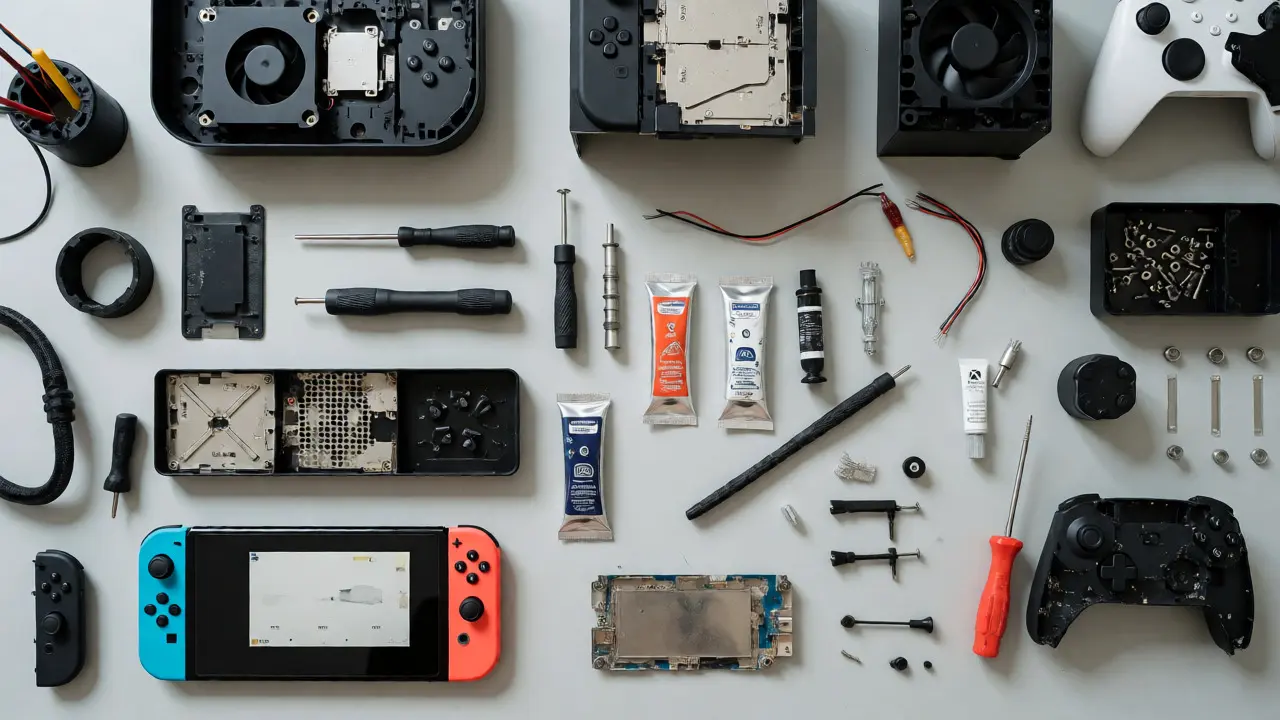
- Photograph everything: Show close-ups of any non-factory screws, stickers, or signs of opening.
- Be specific about repairs: Don't just say "fixed." Say "Replaced left analog stick with Hall Effect sensor upgrade."
- Disclose accessories: Note if controllers are original or replacements. Mention cable conditions.
- Provide a warranty window: Even a 7-day return policy shows confidence in your work.
- Update firmware: Reset to factory settings and update to the current OS version before shipping.
For Buyers:
- Ask for serial numbers: Check if the serial matches the box (if available) and verify warranty status via manufacturer sites.
- Inquire about part origins: Ask if replaced parts are OEM or aftermarket.
- Request proof of testing: Ask for a short video of the device booting and playing a game.
- Check return policies: Ensure you can return the item if undisclosed issues arise.
- Research typical failure points: Know that PS4 Blu-ray drives fail often; if buying one, ask specifically about the drive’s condition.
The Future of Gaming Ethics
As hardware becomes more complex, with soldered-down SSDs and proprietary connectors, DIY repairs become harder. This increases reliance on professional refurbishers. The industry needs a unified standard, perhaps led by major retailers or consumer advocacy groups, to define what "refurbished" means legally.
Until then, personal integrity fills the gap. Treat the buyer as you would want to be treated. If you wouldn't buy a console with hidden repairs, don't sell one that way. Clear communication turns a transactional exchange into a community-supported trade. And in the gaming world, community trust is worth more than saving twenty bucks on a hidden defect.
Does "refurbished" always mean the device was broken?
No. Sometimes "refurbished" simply means the device was returned unopened or lightly used, inspected, cleaned, and repackaged. However, ethical sellers clarify if any functional repairs were made. If the term is used loosely, assume minimal intervention unless stated otherwise.
Are third-party parts worse than original ones?
Not necessarily. High-quality aftermarket parts, such as Hall Effect joysticks or premium thermal pastes, can outperform original components. The key is disclosure. A known high-quality third-party part is preferable to an undisclosed low-quality one.
How can I tell if a console has been opened before?
Look for stripped screw heads, missing security stickers, or uneven gaps in the casing. Some consoles use tamper-evident seals. If the screws look shiny or worn differently than the rest of the unit, it likely has been serviced.
Is it safe to buy refurbished consoles online?
Yes, if you buy from reputable sellers with clear return policies and detailed descriptions. Avoid listings with vague photos and no mention of condition specifics. Always pay through platforms that offer buyer protection.
What is the biggest red flag in a refurbished listing?
A refusal to answer specific questions about repairs or modifications. If a seller says "it works great" but won't confirm if the HDMI port was replaced or if the battery is original, proceed with caution.