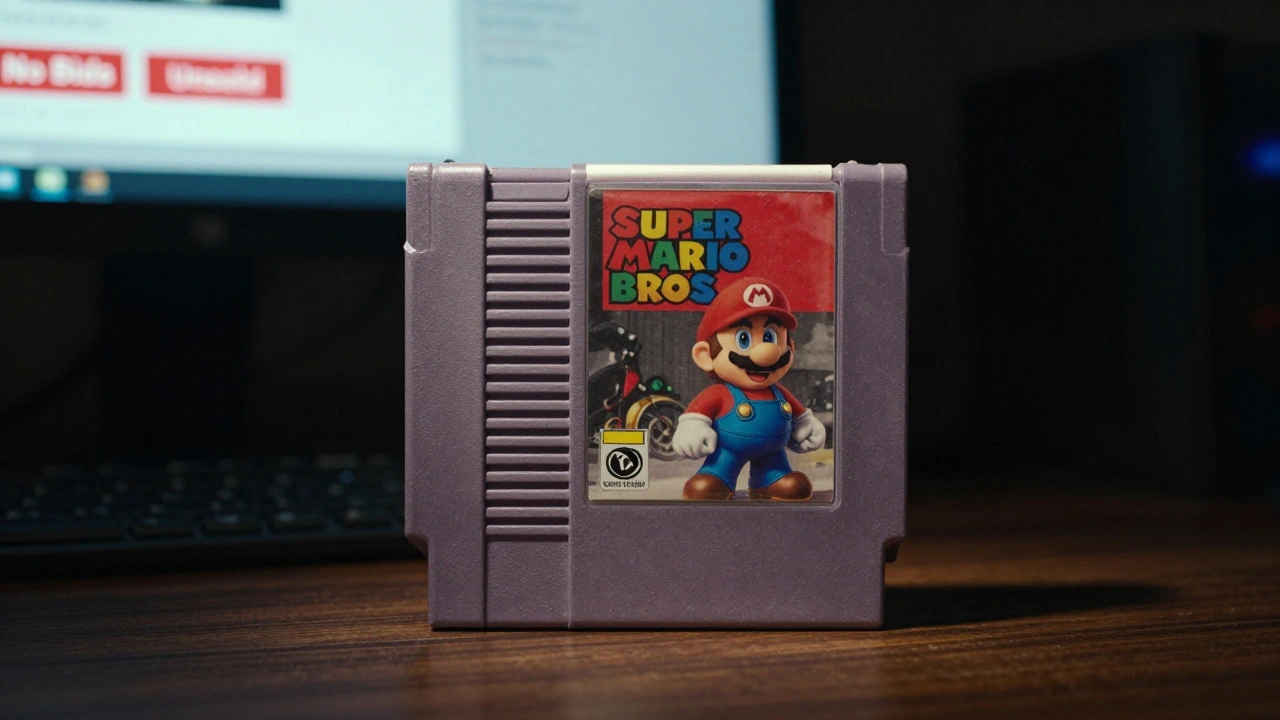
You just watched the final bid drop on your prized copy of Super Mario Bros. is a 1985 Nintendo Entertainment System title that became one of the most valuable collectible video games in history. The auction ended. No bids met the reserve. Or worse, the winning bidder ghosted you after paying nothing. Your inventory sits on your desk, and the clock is ticking. This isn’t a failure; it’s an opportunity. In the volatile world of retro gaming, unsold lots are not dead weight-they are the gateway to smarter, more profitable private deals.
The video game collecting market saw a massive surge between 2018 and 2021, fueled by record-breaking sales like the sealed Super Mario 64 is a 1996 Nintendo 64 game that sold for $1.56 million at Heritage Auctions in July 2021 selling for over $1.5 million. But as prices corrected from late 2021 through 2023, many sellers found their high-reserve items sitting unsold. If you are holding inventory that didn’t move during a formal auction, you have several powerful levers to pull. Whether you are dealing with graded gems or bulk mid-tier titles, understanding post-auction mechanics can save you money and time.
Understanding Why Games Go Unsold
Before chasing a buyer, you need to diagnose why the item failed to sell. An "unsold" status usually stems from one of three scenarios. First, the listing received zero bids during the entire window. Second, bids were placed, but they never reached your confidential reserve price. Third, a winning bidder defaulted on payment within the platform’s strict timeframe-often 2 to 4 days on sites like eBay.
If you listed a common NES sports title at $9.99 and got no bites, the issue might be visibility or competition. If you listed a WATA-graded gem with a $100,000 reserve and only saw $40,000 in interest, the market simply wasn’t there yet. Recognizing this distinction is crucial because it dictates your next move. A lack of interest suggests a pricing error, while a missed reserve suggests a timing or market condition issue.
Leveraging Platform-Specific Post-Auction Tools
Major platforms have built-in mechanisms to help you recover unsold inventory without starting from scratch. On eBay is an online marketplace founded in 1995 by Pierre Omidyar that supports both auction-style and fixed-price listings for video games, you have three concrete options.
- Relisting: You can relist an unsold item up to three times within 90 days. Many experienced sellers adjust the starting bid downward by 10-50% or switch from auction style to a fixed-price "Buy It Now" with a "Best Offer" option. For example, dropping a common PlayStation 2 game from $15 to $8 plus shipping often clears inventory quickly.
- Second-Chance Offers: If the winning bidder defaults, you can offer the item to the highest underbidder within 60 days. This is particularly useful for high-value items where you want to maintain the integrity of the sale without re-listing.
- Price Adjustment: On platforms like Amazon, which rarely use auctions for individual sellers, you can simply lower the price. If a newer game stalls at $49.99, dropping it to $39.99 or bundling it with another title can trigger a sale.
For live-stream platforms like Whatnot is a live-streaming auction app launched in 2019 by Grant LaFontaine and Logan Head that allows sellers to auction collectibles including video games in real-time, unsold items can be re-run in future streams. Sellers often batch these leftovers into larger lots or offer them at reduced rates to keep momentum going.
High-End Graded Games: The Heritage Strategy
If you are dealing with high-value, graded games-such as those certified by WATA Games is a grading company founded in 2017 that certifies the condition of vintage video games using a standardized scale or VGA-the stakes are higher. Heritage Auctions is a major auction house founded in 1976 by Steve Ivy and Jim Halperin that specializes in high-end collectibles including graded video games is the go-to venue for these items, but even they don’t always sell every lot.
When a high-reserve lot fails to meet its target, Heritage offers a "Make an Offer to Owner" feature. This allows potential buyers to submit private treaty offers directly to the consignor. In the post-bubble market of 2022-2023, many consignors accepted offers 20-50% below 2021 peaks. If you are the seller, consider lowering the reserve for a subsequent Signature Auction or accepting a private offer to secure a guaranteed sale. If you are the buyer, contacting Heritage’s consignment department within 24-72 hours of an unsold result can yield significant discounts on top-tier inventory.
Local Buyers and Bulk Liquidation
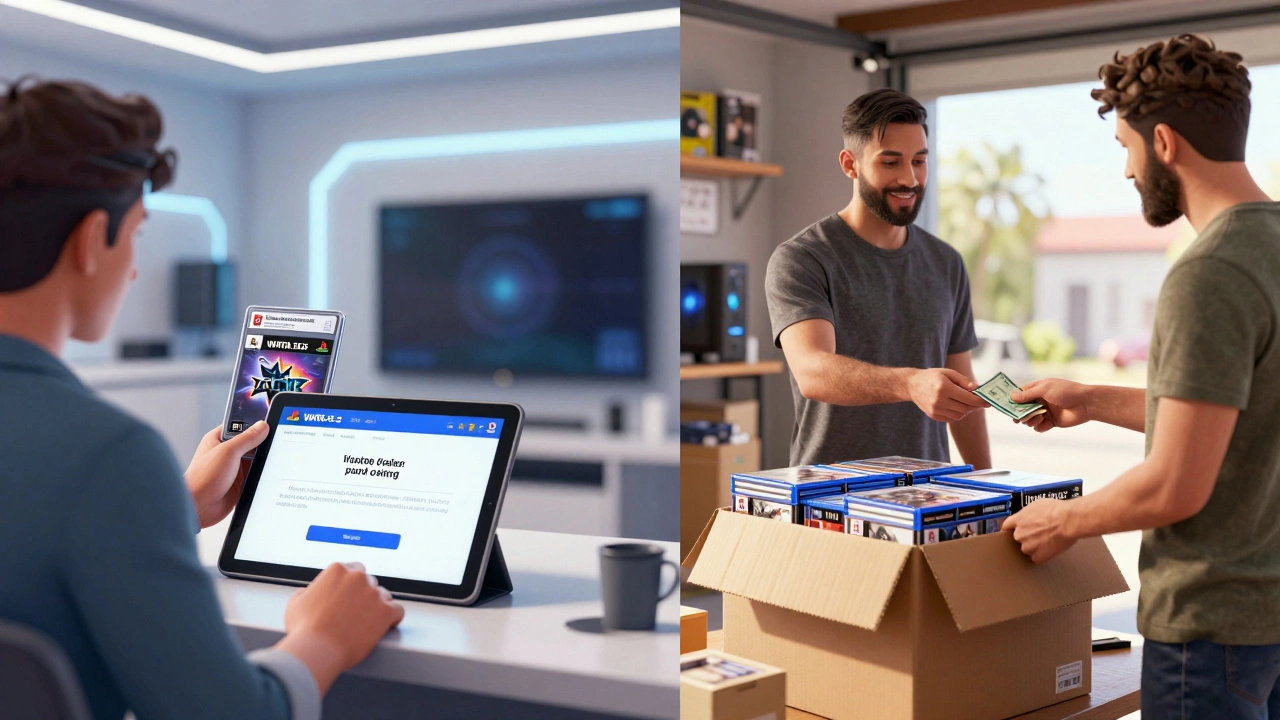
Not every game is a grail. For the bulk of your collection-common titles, duplicates, or low-value hardware-local buyers and bulk liquidation are your best friends. Local video game buyers are specialized dealers who purchase large collections of video games in person, offering quick cash transactions without platform fees provide a fast exit strategy. While they may only pay $1-3 per common game in bulk, this avoids the 13-15% fees and shipping costs associated with eBay.
Consider this scenario: You have 200 PlayStation 2 games. Only 60 sell individually on eBay. Instead of listing the remaining 140 one by one, you approach a reputable local buyer. They inspect the lot and offer $300 total. That’s $2.14 per game, but you get paid instantly, avoid shipping hundreds of packages, and clear shelf space. Just be wary of scams; avoid Craigslist due to safety risks and steer clear of pawn shops, which typically offer well below market value.
Private Deals and Off-Platform Negotiations
The most flexible post-auction opportunities exist off-platform. Forums like NeoGAF, subreddits like r/GameSale, and hobby Discord servers are bustling with collectors looking for deals. When you have leftover inventory from a large Whatnot or eBay auction, advertising "leftover lots" in these communities can work wonders.
For example, you might offer 50 common Xbox 360 titles for $100 shipped ($2 per game) to a group of buyers. These communities often enforce feedback systems to mitigate risk. However, be cautious with off-platform deals originating from eBay. Messaging a bidder to cancel an auction and complete a PayPal Friends & Family transaction violates eBay’s fee-avoidance policies and can lead to account suspension. Always ensure your private deals comply with platform rules or occur entirely outside the ecosystem.
Buying Opportunities: How to Score Unsolved Lots
If you are on the buying side, post-auction periods are goldmines. Here is how to leverage them:
- eBay Direct Messages: If an auction ends with zero bids, message the seller immediately. Offer 70-80% of the starting price, citing completed listings data. Many sellers prefer a quick sale over relisting delays.
- Auction House Follow-Up: Call regional houses like Harritt Group within 24-72 hours of an unsold sale. Ask about unsold lots and offer 80-90% of the low estimate. Mid-tier games that are too valuable to discard but not rare enough for re-marketing are prime targets.
- Live Stream DMs: On Whatnot, viewers often DM sellers after a stream to ask about unsold items shown in the background. Negotiate bundle deals for multiple mid-tier games that stalled during bidding.
- Post-Estate Store Visits: Local stores that win big estate auctions often sell duplicates or non-core inventory at thin margins (10-20% above buy cost) to recover capital. Visit shortly after major local auctions to find these hidden gems.
Risks and Legal Considerations
Private deals come with risks. Without platform protection, disputes over condition or non-delivery can leave you out of pocket. For high-value graded games, use insured shipping and consider third-party escrow services that charge 1-3% of the transaction amount to hold funds until receipt is confirmed.
Tax implications also matter. Since 2022, U.S. payment platforms must report gross receipts above $600 per year on Form 1099-K. Repeated private deals via PayPal or Cash App may trigger reporting thresholds. Strictly cash in-person deals leave fewer traces but offer fewer protections. Keep detailed records of all transactions, whether they happen on eBay, Heritage, or in your living room.
What happens to unsold video games at Heritage Auctions?
Unsold lots at Heritage Auctions can be offered privately through their "Make an Offer to Owner" feature. Consignors may also lower the reserve for a future auction or withdraw the item to sell through dealer networks. Buyers should contact Heritage within 24-72 hours of the sale to inquire about unsold items.
Can I relist an unsold item on eBay?
Yes, you can relist an unsold item on eBay up to three times within 90 days. You may also convert the listing to a fixed-price format with a "Best Offer" option. Adjusting the starting price downward by 10-50% often helps clear inventory.
Is it safe to make private deals for video games?
Private deals carry risks since they lack platform-level buyer protection. Use insured shipping, verify seller feedback on forums like r/GameSale, and consider escrow services for high-value items. Avoid off-platform transactions that originate from eBay to prevent account sanctions.
How much do local buyers pay for bulk video games?
Local buyers typically pay $1-$3 per common game in bulk. While this is lower than piecemeal eBay sales, it saves time, avoids platform fees, and eliminates shipping costs. Reputable local buyers are preferred over pawn shops or Craigslist due to better value and safety.
Why did my graded game fail to sell at auction?
Graded games may fail to sell if the reserve price was set too high relative to current market conditions, especially after the 2021-2023 price correction. Lack of visibility or specific collector interest in that particular grade/title combination can also contribute. Lowering the reserve or accepting private offers are common solutions.