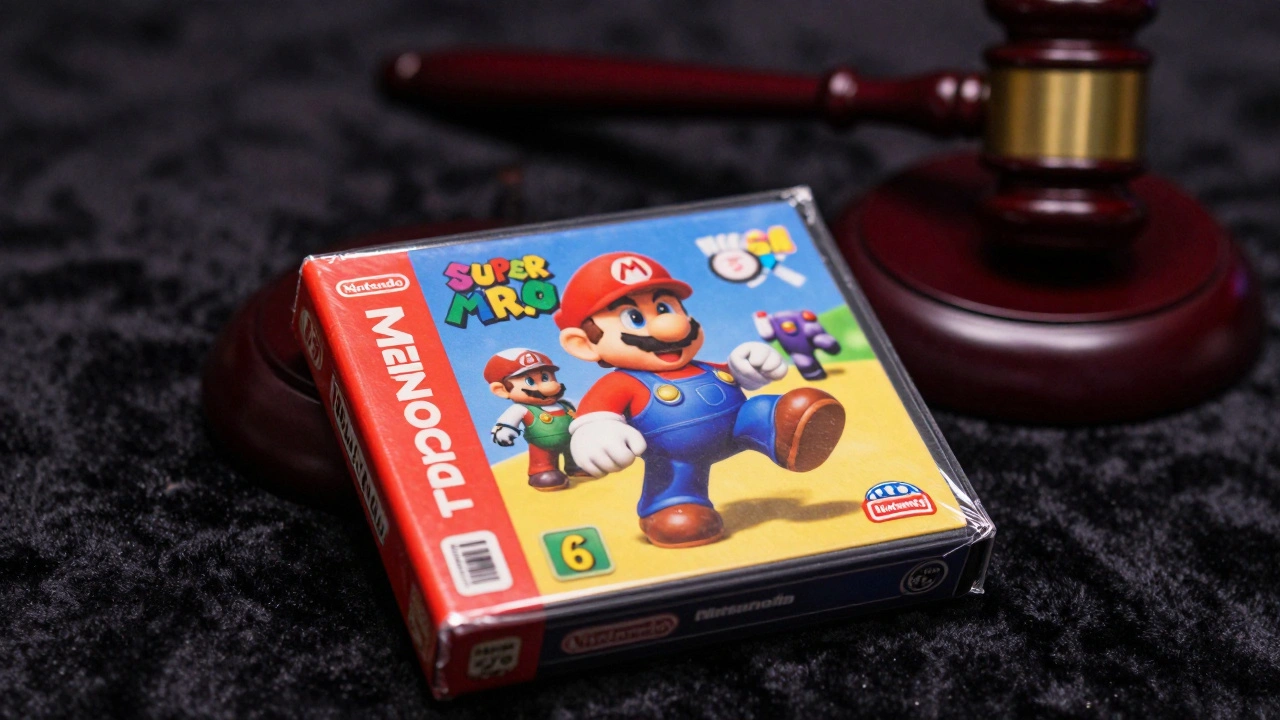
Imagine listing a childhood treasure, like a mint-condition copy of *Super Mario 64*, and watching it sell for a fraction of what you know it's worth. Or worse, setting the price so high that no one even bothers to bid, leaving you with a dusty box and a bruised ego. In the high-stakes world of vintage gaming, the difference between a windfall and a flop usually comes down to two things: the reserve price and the estimate. If you don't understand how these work, you're essentially gambling with your collection.
The Basics: Reserve Prices vs. Estimates
Before you list your gear, you need to understand that these two terms aren't interchangeable. One is a hard line in the sand; the other is a helpful suggestion.
Reserve Price is the minimum amount a seller is willing to accept for an item. If the bidding doesn't hit this number, the item doesn't sell. It's your safety net. It ensures that you won't be forced to sell a rare gem just because only one person showed up to the auction.
Auction Estimates are projected price ranges based on market data that tell bidders what the item is likely to fetch. Estimates aren't binding. They're a psychological tool used to attract the right kind of buyer. A low estimate might bring in a crowd of casual collectors, while a high estimate signals to "whales" that this is a museum-grade piece.
Why the Math Matters: The Game Theory of Pricing
Setting a price isn't just about guessing; it's about economics. In the auction world, there's something called the revenue equivalence theorem. Basically, it means that if you set your reserve price optimally, the specific format of the auction (whether it's a sealed bid or an ascending shout-out) doesn't actually change how much money you're likely to make in the end.
The real trick is that the optimal reserve price doesn't depend on how many people are bidding. Instead, it depends on the value distribution-which is a fancy way of saying how different collectors perceive the value of that specific game. For example, a common copy of *Pokemon Red* has a wide distribution of values, but a Wata 9.8 A++ copy has a very narrow, high-value distribution because only a few people in the world can actually afford it.
Modern auction houses are now using deep neural networks to figure this out. By analyzing thousands of past sales, these systems can infer a bidder's "hidden willingness to pay." In some tests, this data-driven approach boosted revenue by about 4% compared to traditional guessing. While you might not have a supercomputer in your basement, using the same logic-looking at historical patterns rather than emotions-is the key to winning.

Real-World Value: What Actually Drives the Price?
If you're selling a graded video game, your reserve price shouldn't be based on what you "feel" it's worth, but on concrete attributes. Let's look at the heavy hitters.
- Condition Ratings: A numerical grade (like a 9.0 vs. a 9.8) can mean a difference of hundreds of thousands of dollars.
- Production Variants: Was it an early production run or a later revision? In the world of NES games, a "Round SOQ" variant can be significantly more valuable than a standard release.
- Seal Quality: For sealed games, the rating of the plastic wrap (like A++ vs. B) is often as important as the game itself.
Take Heritage Auctions, a leading auction house for high-value collectibles as an example. They've handled some of the most insane sales in history. A graded 9.8 A++ *Super Mario 64* once sold for $1,560,000. A few days before that, a *Legend of Zelda* copy hit $870,000. These aren't random numbers; they are the result of strict Wata grading and professional estimates that set a clear expectation for the bidders.
| Tool/Platform | Primary Use Case | Data Type | Best For... |
|---|---|---|---|
| PriceCharting | General Value Guide | Aggregated Sales | Causal to Mid-level Sellers |
| GoCollect | Real-time Tracking | Live Market Data | High-end Graded Collectibles |
| AuctionNinja | Direct Selling | Bidding History | Retro Consoles and Bundles |
| Wata/PWCC | Authentication | Condition Grading | Establishing Reserve Floors |
The Danger Zone: Setting Your Prices Too High or Too Low
It's tempting to set a massive reserve price to "protect" your investment, but this often backfires. If the reserve is too high, bidders may feel the item is overpriced and won't even start bidding. An auction with zero bids is a disaster for a seller because it tells the rest of the market that the item isn't desirable.
On the flip side, setting a reserve too low is essentially leaving money on the table. If you have a rare variant and you set the reserve at the price of a common copy, you're relying entirely on the hope that two "whales" happen to get into a bidding war. Hope is not a pricing strategy.
The pro move is to set your reserve slightly below recent comparable sales for identical items. This ensures the item actually sells. Then, you set your estimates at or slightly above those prices. This signals the item's value and encourages bidders to push the price upward, potentially exceeding your expectations.
Using Data to Build Your Strategy
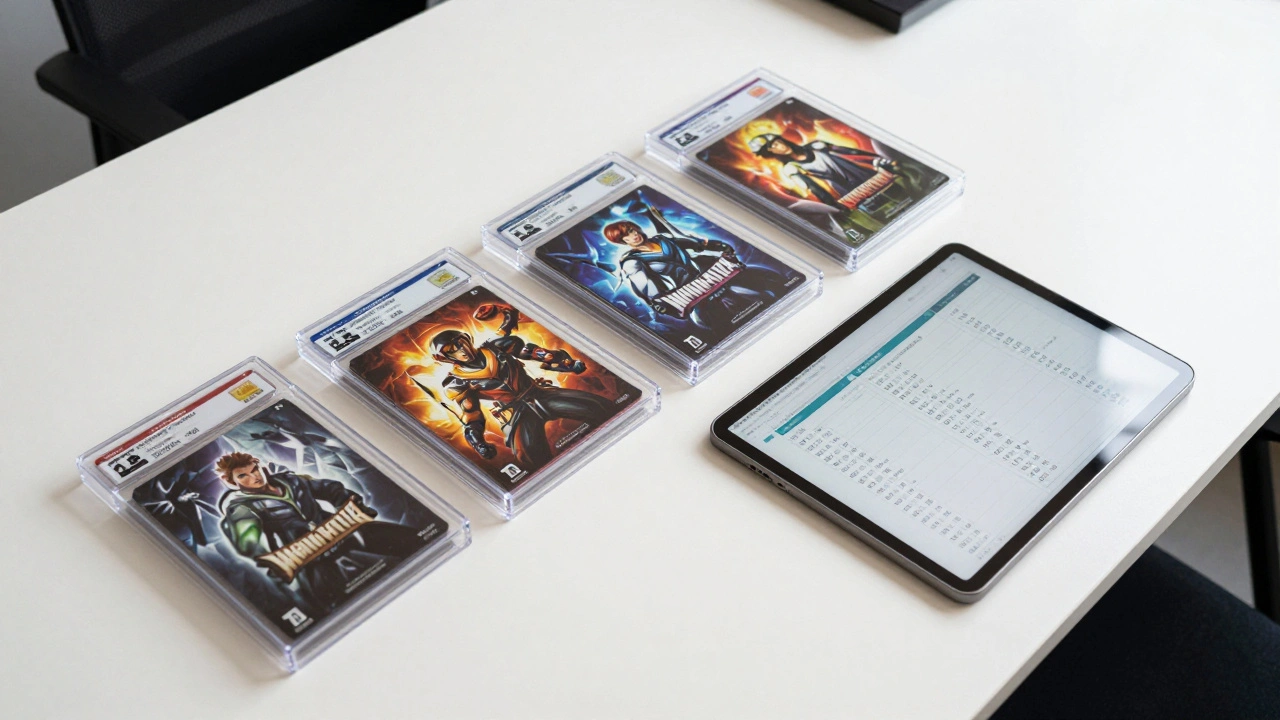
Don't fly blind. Use the existing infrastructure to justify your numbers. If you're listing a mid-production *Pokemon Red* in 9.8 condition, you can see that recent Heritage Auctions sales hovered around $18,750. That number becomes your anchor.
- Check PriceCharting: Get a baseline for the "average" market value.
- Analyze GoCollect: Look for real-time spikes in demand for that specific title.
- Compare Graded Tiers: See how much a 9.0 sells for versus a 9.8. The jump is rarely linear; it's usually exponential.
- Adjust for Seasonality: Demand often peaks around major gaming conventions or holiday seasons.
By combining these data points, you move from "guessing" to "calculating." This is how professional collectors maintain their portfolios-they treat their games like stocks, monitoring the sales velocity and condition distributions to time their exits perfectly.
What happens if my item doesn't meet the reserve price?
If the highest bid is lower than the reserve, the item is considered "Passed" or "Unsold." The seller is not obligated to sell to the highest bidder. Depending on the platform, the seller can then choose to lower the reserve and relist the item, negotiate a private sale with the highest bidder, or keep the item.
Should I always use a reserve price?
Not necessarily. If you just want to move the item quickly or if it's a common game with a very stable market price, an "unreserved" auction can attract more bidders because they know the item will definitely sell to the highest bidder. This often creates more competitive bidding wars.
How do estimates help me sell my game for more?
Estimates act as a psychological anchor. A well-placed estimate tells the buyer, "This is a high-value item," which attracts serious collectors. If the estimate is too low, serious collectors might ignore it. If it's too high, it might scare off everyone. The goal is to suggest the item is a "deal" while still maintaining its prestige.
Does the grading service affect the reserve price?
Absolutely. A grade from a recognized authority like Wata or PWCC provides third-party validation. This reduces the risk for the buyer, allowing the seller to set a much higher reserve price with confidence because the condition is guaranteed by a professional standard.
Can I change my reserve price during a live auction?
Generally, no. In most professional auction houses, the reserve is set before the auction goes live. However, some online platforms allow sellers to manually accept a bid that is close to the reserve or lower it after the auction ends if the item didn't sell.
Next Steps for Sellers
If you're ready to list your collection, start by auditing your items. Don't just look at the title; look at the corners of the box and the seal of the plastic. If you have a potentially high-value item, get it graded first. A raw game and a graded game are two different assets in the eyes of an auctioneer.
For those with mid-tier collections, try a "staggered」 approach. List a few items without reserves to build a reputation for fairness and attract a following, then introduce reserves for your true centerpieces. This builds trust with the community and ensures that when you finally drop that rare *Zelda* copy, the right eyes are already watching your profile.