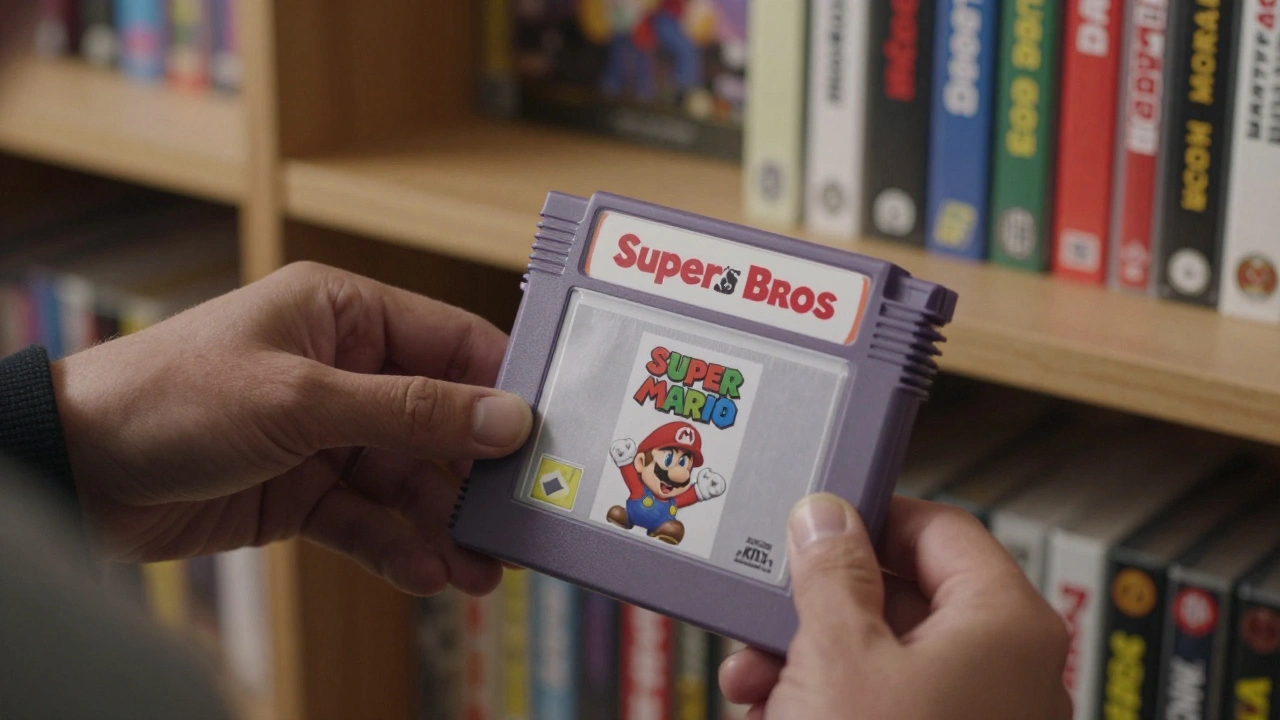
Sealed video games aren’t just boxes on a shelf-they’re time capsules. A mint-condition copy of Super Mario Bros. from 1985 or a first-run Legend of Zelda: Ocarina of Time can be worth thousands. But if you handle them wrong, even a tiny scratch or a warped corner can slash their value overnight. The truth? Most collectors ruin their sealed games not by accident, but because they don’t know how to properly sleeve, store, or open them.
Why Shrinkwrap Is the Enemy (And How to Fight It)
You might think the shrinkwrap around your game is protecting it. It is-until it isn’t. Over time, that plastic continues to shrink. Not slowly. Not gently. It pulls, twists, and presses against the corners and edges of the game box. You won’t notice it at first. But after five years? Ten? You’ll see faint white lines along the box’s corners. The edges start to curl. The barcode gets smushed. This isn’t just wear-it’s structural damage caused by the very thing meant to preserve it. This isn’t theory. It’s been documented by collectors who’ve stored sealed games since the 1990s. The same thing happened to vinyl records from the 70s. The plastic didn’t break. It just kept pulling. And when it pulls on cardboard, it leaves permanent marks.How to Sleeve Sealed Games Like a Pro
The best way to stop shrinkwrap damage is to put the whole sealed game into a protective sleeve. Not just any sleeve. You need one made for archival use: acid-free, thick enough to resist tearing, and flexible enough to slide on without forcing. The MintFit Booster Pack Sleeves are 100-micron, archival-safe plastic sleeves designed for sealed collectibles. They’re used by trading card collectors, but they work perfectly for video games. Here’s how to use them:- Hold the sealed game by its edges-never touch the front art or the shrinkwrap.
- Slide the game into the sleeve from the top, with the box facing down.
- Once it’s fully inside, fold the top flap over and press it shut. No tape. No glue. Just the fold.
How to Open a Sealed Game Without Ruining the Shrinkwrap
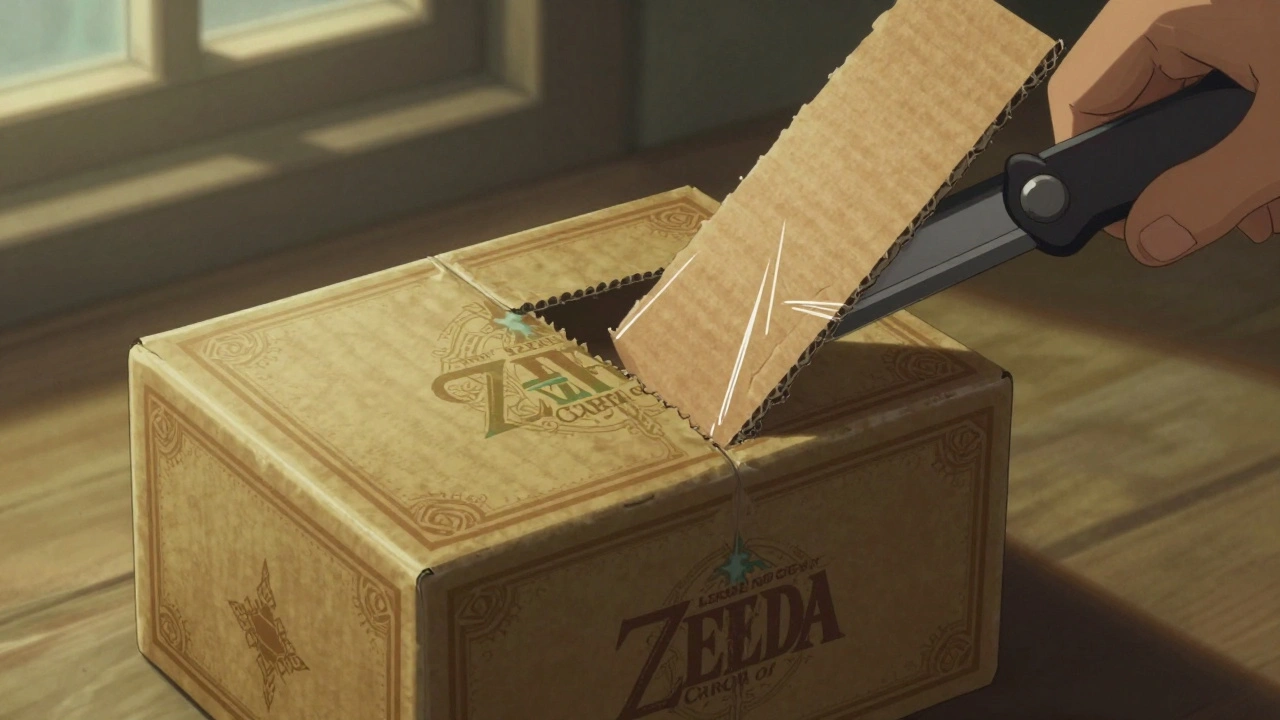
Sometimes you need to play the game. Maybe you want to check if the cartridge works. Maybe you’re preparing it for grading. But you still want to keep the shrinkwrap intact so you can reseal it later. Here’s how to do it without tearing a single inch. You’ll need three tools: a box cutter, a pair of small scissors, and a piece of thick cardboard (like an old cereal box). Don’t use your fingers. Don’t try to peel it off. You’ll ruin it.- Start at the bottom seam. Use the box cutter to make a tiny slit-just long enough to slip the blade under the plastic.
- Insert the blade and slowly drag it upward along the side seam. Don’t cut all the way through. Just separate the plastic from the glue.
- Switch to the scissors. Make tiny snips every inch along the seam, just enough to let the plastic lift. This prevents tearing.
- Now slide the thick cardboard under the shrinkwrap, starting at the bottom. Gently push upward. The cardboard acts like a lever, lifting the plastic away from the box without pulling.
- Once the plastic is fully lifted, you can carefully pull it off. It should come off in one piece, like a sleeve.
Shipping Sealed Games? Don’t Use Bubble Wrap
I’ve seen too many sealed games arrive in the mail with crushed corners, ripped shrinkwrap, or dents from being squished. The number one mistake? Using bubble wrap. Bubble wrap isn’t bad-it’s just used wrong. The air pockets can trap the corners of the game box. When the box shifts during transit, the bubble seams dig into the cardboard. You end up with tiny nicks that look like knife cuts. Here’s the right way:- Wrap each sealed game in a thin plastic sheet-like a produce bag from the grocery store. This stops them from rubbing against each other.
- Place the wrapped games in a box with foam padding around them. Don’t pack it tight. Let it breathe.
- Use loose foam peanuts or crumpled paper around the sides. No compressing.
- Close the box so the lid sits naturally. If you have to force it shut, you’re packing it wrong.
- Tape the box with reinforced packing tape. Never let the tape touch the game box itself. Always tape over the plastic wrap.
Storage Tips That Actually Work
Don’t store sealed games in a basement. Don’t leave them in a hot attic. Don’t stack them under a TV. The ideal storage environment:- Temperature: Between 65°F and 70°F
- Humidity: 40% to 50%
- Light: No direct sunlight. UV fades colors and weakens plastic.
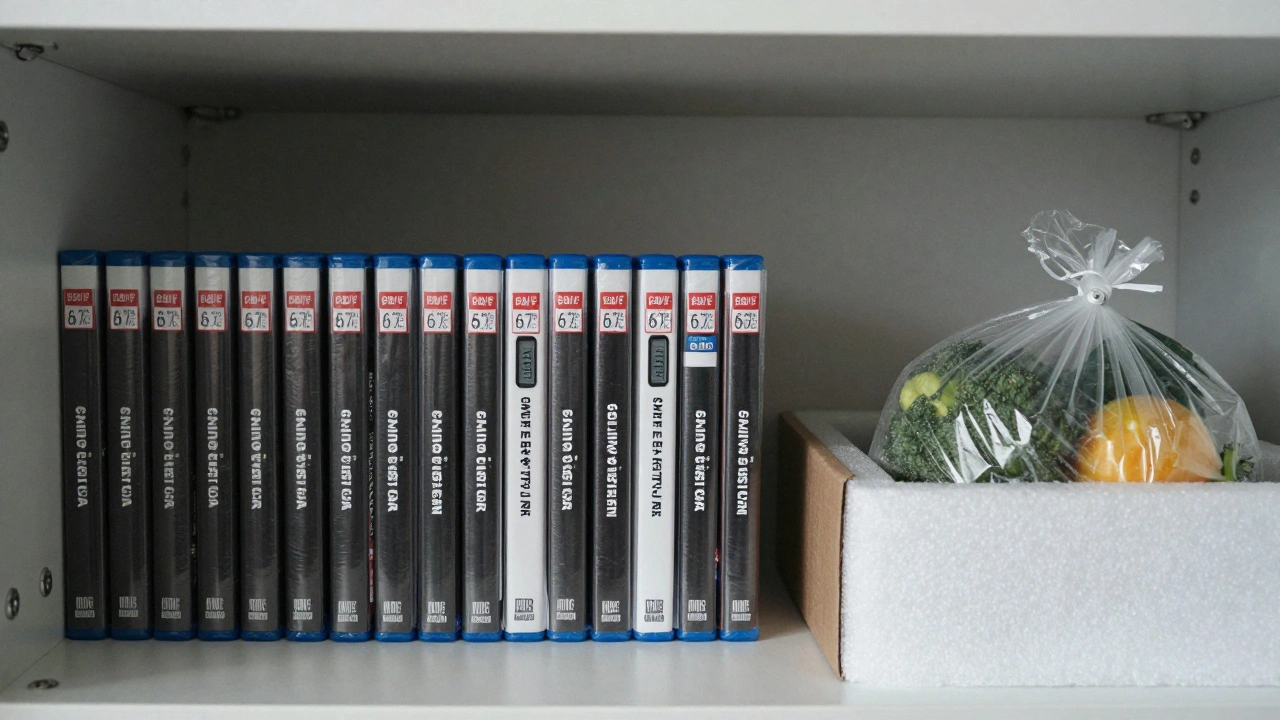
- Position: Store upright, like books. Never lay flat. Weight from above can warp the box.
- Location: A closet on an interior wall, away from vents or windows.
What Not to Do
Don’t use tape on the shrinkwrap. Ever. It leaves residue. It pulls off paint. It’s irreversible. Don’t clean the box with water or wipes. Even a damp cloth can warp the cardboard. Don’t store them in plastic bins without ventilation. Condensation builds up. Mold grows. And once mold touches cardboard, it’s gone. Don’t assume "it’s sealed, so it’s fine." Sealed doesn’t mean invincible. It means fragile.Final Rule: Treat It Like a Museum Piece
Sealed video games are artifacts. They’re history. They’re craftsmanship. The same care you’d give to a rare comic book or a first-edition book should go to your sealed games. Sleeve them. Store them right. Open them carefully. Ship them smart. The difference between a $50 game and a $5,000 game isn’t rarity. It’s condition. And condition? It’s built one careful move at a time.Can I use regular plastic sleeves for sealed video games?
No. Regular plastic sleeves from office supply stores are too thin and often contain acids that degrade cardboard over time. Only use archival-safe sleeves made for collectibles-like the MintFit Booster Pack Sleeves. They’re 100 microns thick, acid-free, and designed to last decades without yellowing or sticking.
How long does shrinkwrap last before it starts damaging the box?
It varies. Some shrinkwrap starts pulling after 3-5 years. Others take 10. But if you’re storing a game for more than 2 years, you should sleeve it. The damage isn’t immediate-it’s cumulative. A tiny corner dent now becomes a cracked edge in 10 years. Prevention is cheaper than restoration.
Is it okay to open a sealed game and reseal it with tape?
Never use tape. Tape leaves sticky residue, yellows over time, and damages the original seal. If you open a game to play it, keep the shrinkwrap intact and reapply it by hand. The original seal is part of the game’s value. Tape ruins that.
Should I remove the shrinkwrap entirely if I plan to play the game?
Only if you don’t care about resale value. The shrinkwrap isn’t just packaging-it’s proof of condition. Collectors pay premiums for games with original, unbroken seals. If you remove it, you’re turning a collectible into a used game. Keep it on unless you’re absolutely sure you’ll never sell it.
Can I store sealed games in a garage?
No. Garages fluctuate too much in temperature and humidity. In summer, it can hit 100°F. In winter, it can drop below freezing. That’s a recipe for warped boxes, cracked plastic, and mold. Store sealed games indoors, in a climate-controlled space.