You know that feeling when you see a game on eBay for $15, buy it without thinking, and then watch its value triple in six months? It’s not just luck. It’s pattern recognition. The video game market is weirdly efficient until it isn’t. One day, a copy of EarthBound is sitting in a bin at Goodwill; the next, people are bidding hundreds because a streamer mentioned it or a new console made backward compatibility possible. If you want to stop buying high and selling low-or worse, holding onto worthless plastic-you need to learn how to spot the signals before the crowd does.
Understanding Why Game Prices Move
Before you hunt for bargains, you have to understand what drives the price. It’s rarely just about how good the game is. If quality were the only factor, every highly-rated title would be expensive. Instead, prices spike due to three main forces: scarcity, nostalgia cycles, and platform shifts.
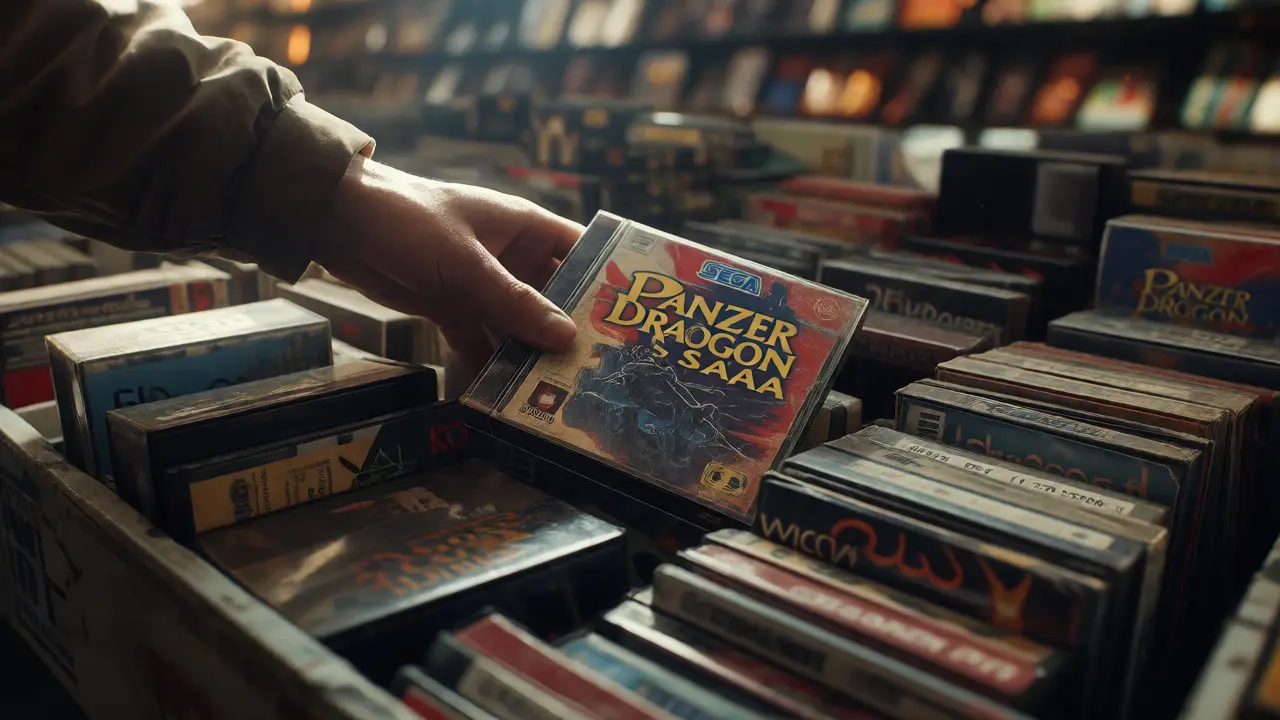
Scarcity is the easiest one to grasp. A game printed in small quantities, like Panzer Dragoon Saga for the Sega Saturn, had limited production runs. When demand suddenly rises-maybe because a YouTuber did a deep dive-the supply can’t keep up, so prices jump. But don’t just look for old games. Look for recent games with low print runs. Did the publisher pull a title from shelves after two weeks? That’s your first clue.
Nostalgia is trickier because it moves in waves. We’re currently seeing a massive surge in interest for late 90s and early 2000s titles as millennials enter their peak earning years. They have disposable income and want to recapture the magic of their childhood. This creates a predictable cycle: a generation grows up, leaves gaming, returns with money, and buys back the past. Your job is to identify which generation is entering this phase right now.
The Scarcity Signal: Print Runs and Publisher Behavior
Publisher behavior tells you more than sales charts ever will. Big publishers like Nintendo or Sony often announce print runs or regional exclusives that hint at future value. For example, when Limited Run Games announces a physical release for a digital-only indie hit, they usually limit the stock to a few thousand copies. These aren’t just games; they’re manufactured collectibles designed to appreciate.
Watch for "orphaned" platforms. When a console reaches end-of-life status, support dries up, but the user base remains loyal. Games released in the final year of a console’s life often have lower initial sales because people are waiting for the next big thing. Once the hype dies down, those last-gen titles become hard to find. Think about the PlayStation Vita library. Many games sold poorly initially but became highly sought after once the handheld was discontinued.
Here’s a quick checklist for spotting scarcity:
- Limited Physical Releases: Check if the game was released physically or digitally only. Digital-only hits that get later physical releases (like Celeste’s Limited Run edition) often start appreciating immediately.
- Regional Exclusives: Games that never left Japan or Europe often spike when Western collectors discover them. Use sites like Yen Press or import forums to gauge interest.
- Discontinued Hardware: If the console itself becomes rare, the software library follows suit. The Neo Geo Pocket Color saw massive price hikes years after discontinuation.
The Nostalgia Cycle: Timing the Market
Nostalgia isn’t random; it’s generational. There’s a roughly 20-to-30-year lag between a game’s release and its peak collector value. This aligns with when gamers who played it as children reach their mid-30s, when they have both the cash and the desire to reconnect with their past.
| Console Era | Release Years | Peak Collector Interest | Current Status (2026) |
|---|---|---|---|
| PS1 / N64 | 1994-2001 | 2020-2025 | Saturated; many titles already expensive |
| PS2 / Xbox / GameCube | 2001-2006 | 2025-2030 | Rising; prime entry point for investors |
| PS3 / Xbox 360 | 2006-2013 | 2030-2035 | Early stage; mostly cheap but volatile |
| Wii / DS | 2006-2012 | 2028-2032 | Underrated; casual libraries may spike |
Right now, we’re seeing the PS2 and GameCube era hit its stride. Titles that were considered "mid-tier" at launch are becoming valuable. But here’s the catch: not every game from these eras will appreciate. You need to filter for cultural impact. Did the game spawn a sequel? Was it heavily referenced in pop culture? Did it introduce a mechanic that changed the genre?
For instance, Okami wasn’t a huge seller on the PS2, but its unique art style and critical acclaim created a cult following. As more people discover it through remasters, the original PS2 version becomes a trophy piece. That’s the kind of signal you want to chase.
Cultural Catalysts: Streamers, Remakes, and News
One viral moment can double a game’s price overnight. Keep an eye on content creators. If a major streamer plays an obscure title and praises it, expect a short-term spike. But lasting value comes from broader cultural shifts.
Announcements of remakes or ports are huge indicators. When Nintendo announced the Switch Online service added NES and SNES classics, prices for cartridge versions of popular titles stabilized or dipped slightly because access became easier. Conversely, when a beloved series goes dormant, original entries tend to rise. Fans buy the originals because they’re tired of waiting for a new sequel.
Look for "gateway" games. These are titles that serve as entry points into a franchise. If a new installment in a long-running series drops and performs well, players often backtrack to play the earlier entries. If those earlier entries were rare or out of print, their prices climb. Watch for news about upcoming sequels to older franchises. If rumors swirl about a revival of Star Wars: Knights of the Old Republic, the original Xbox copies might start moving faster.
Condition Matters More Than You Think
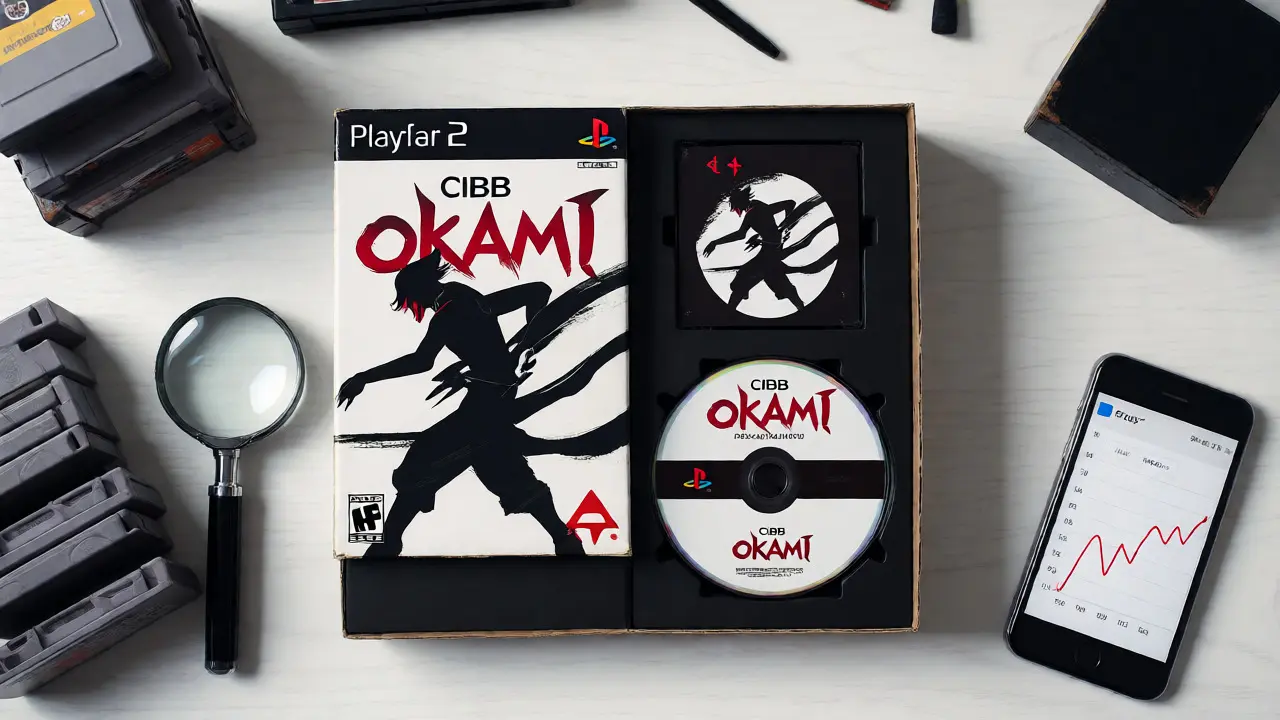
In the collectibles market, condition is king. A loose copy of a rare game might sell for $50, while a complete-in-box (CIB) version sells for $500. This disparity is where smart buyers make their money. Most sellers don’t know the difference between "complete" and "loose." They lump everything together.
Learn to grade quickly. You don’t need professional grading services like Wata for most deals, but you need to spot red flags. Check for:
- Disc Scratches: Light scratches that don’t affect gameplay are acceptable for budget buys, but deep gouges kill value.
- Box Wear: Creases, water damage, or sun-fading reduce CIB value significantly. A box with sharp corners and vibrant colors commands a premium.
- Manual Presence: Missing manuals can cut value by 20-30% for certain titles, especially RPGs where lore is important.
Your strategy should be to buy loose copies in excellent condition and either hold them or pair them with reproduction boxes and manuals if you plan to resell. Or, better yet, buy CIB sets that are priced similarly to loose copies because the seller didn’t realize the manual was included.
Tools of the Trade: Where to Track Prices
You can’t guess values. You need data. Here are the essential tools for tracking the video game market in 2026:
- PriceCharting.com: The gold standard for historical pricing. It tracks completed sales across eBay, Amazon, and other platforms. Look for graphs showing steady increases rather than one-off spikes.
- eBay Sold Listings: Filter by "Sold Items" to see real transaction prices, not asking prices. Ask yourself: Would I pay this amount today? If yes, and the trend is up, it’s a buy.
- Reddit Communities: Subreddits like r/GameSale or r/RetroGameDeals often highlight underpriced gems before they hit mainstream radar. Read the comments for community sentiment.
- MobyGames: Useful for verifying release dates, regions, and developer info. Knowing if a game was a flop or a sleeper hit helps contextualize its rarity.
Set alerts for specific titles. Don’t try to monitor the entire market. Pick 10-15 games you believe are undervalued based on the criteria above and track them weekly. Patience pays off here. Markets move slowly until they don’t.
Pitfalls to Avoid
Not every old game is valuable. In fact, most aren’t. Common pitfalls include:
- Buying Mass-Market Hits: Copies of Grand Theft Auto: San Andreas are everywhere. Unless it’s a sealed copy, the price won’t go up much because supply is infinite.
- Ignoring Platform Trends: Buying Wii U games might seem cheap now, but if the platform doesn’t develop a strong collector base, they’ll stay cheap. Wait for signs of community growth before investing heavily.
- Falling for Reproduction Boxes: Some sellers replace damaged boxes with reproductions. While this looks nice, purists prefer original boxes. Disclose if you’re buying repros, or assume you’re getting a lower value.
Also, beware of "fake rarities." Sometimes a game appears rare simply because no one wants it. Check the number of listings versus the number of sales. If there are 500 listings for a "rare" game but only 2 sales a month, it’s not rare-it’s unwanted.
Final Strategy: The Buy-Hold-Sell Loop
To succeed in identifying undervalued games, follow this loop:
- Identify: Use PriceCharting to find games with stable prices despite rising popularity metrics (e.g., increased search volume on Google Trends).
- Verify: Check scarcity factors (print run, region, condition requirements).
- Acquire: Buy loose or CIB copies below average sold price. Negotiate with local sellers who don’t check online prices.
- Hold: Wait for the nostalgia wave or platform shift to drive demand.
- Sell: List when prices spike due to external catalysts (remake announcement, viral video). Don’t wait for the absolute peak; take profit when you’re comfortable.
Remember, this isn’t a get-rich-quick scheme. It’s a hobby with financial upside. The best part? Even if the price doesn’t skyrocket, you still own a great game you enjoy playing.
Are all retro games increasing in value?
No. Only a small percentage of retro games appreciate significantly. Most common titles remain inexpensive. Value growth is concentrated in games with scarcity, critical acclaim, or strong nostalgic appeal. Always research specific titles before assuming they will increase in price.
Should I buy sealed games or open ones?
Sealed games offer higher potential returns but require larger upfront investment and carry authentication risks. Open games are cheaper and allow you to verify condition and completeness. For beginners, buying open Complete-in-Box (CIB) sets is often safer and provides better liquidity.
How do I know if a game is truly rare?
True rarity combines low supply with high demand. Check PriceCharting for sales frequency. If a game has few listings but consistent sales over time, it’s genuinely rare. If it has many listings and few sales, it’s just uncommon or unpopular. Also, consider regional exclusivity and print run data from industry sources.
Do digital games have collectible value?
Generally, no. Digital licenses cannot be resold or collected in the traditional sense. However, physical releases of digital-first games (like those from Limited Run Games) do have collectible value. Focus on physical media for investment purposes.
What is the best platform to start collecting?
The PlayStation 2 and Nintendo GameCube are currently in the sweet spot of the nostalgia cycle. They offer a wide variety of affordable titles with growing collector interest. Avoid platforms with overly saturated markets like the Wii unless you focus on niche genres.