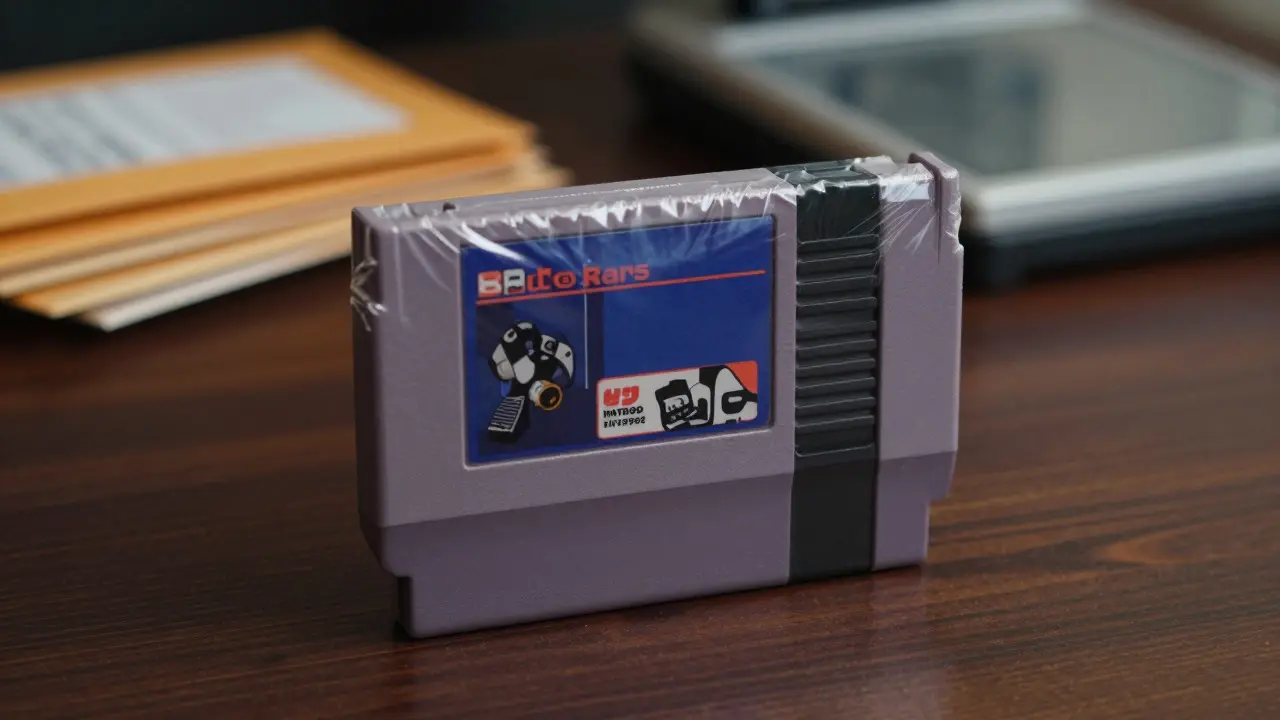
Imagine you have a sealed copy of The Legend of Zelda for the NES sitting on your shelf. You remember buying it in 1987. It’s still in its plastic sleeve. A friend tells you it might be worth thousands if you get it graded. But then you look up the fees: $50 for submission, plus shipping, plus insurance. Suddenly, that “thousands” figure feels risky. The real question isn’t just “how much is it worth?” but “is the act of grading it actually profitable?”
Grading video games is a high-stakes gamble where the cost of entry can eat into your potential profit margins significantly. In 2026, the market has shifted. Prices for top-tier grades (PSA 10) have stabilized or even dipped slightly due to increased supply from re-submissions, while mid-grade values remain volatile. This article breaks down the exact math behind when grading pays off and when it’s better to just sell raw.
The Hidden Costs of Getting Your Games Graded
Most people focus on the sticker price of the grading service, like Professional Sports Authenticator (PSA) or PGC. But the total cost of ownership includes several layers that surprise new collectors.
- Submission Fees: Standard turnaround at major graders often costs between $45 and $60 per unit in 2026. Express options can double this.
- Shipping & Insurance: You need insured mail. For a game valued at $500, expect to pay $30-$50 for two-way insured shipping with tracking.
- Slabbing Accessories: While the slab itself is included, you need proper packaging materials (bubbles, boxes) which add $5-$10 per batch.
- Opportunity Cost: Your money is tied up for 4-8 weeks. If the market drops during that time, you lose out on immediate liquidity.
A common mistake is assuming the grade will automatically increase the value by 50% or more. That was true in 2020-2021. Today, the premium for a PSA 10 over a PSA 9 is often only 10-20% for most titles, unless the title is ultra-rare.
When Grading Actually Makes Financial Sense
So, when should you pull the trigger? There are three specific scenarios where the ROI (Return on Investment) is positive.
- The “Ultra-Rare” Threshold: If the game is rare enough that finding a clean copy is difficult, a high grade commands a massive premium. Examples include early production runs of Super Mario Bros. 3 or limited-edition console bundles. Here, a PSA 10 can fetch 3x the price of a raw game.
- High-Volume Titles with Low Raw Supply: Some popular games, like Sonic the Hedgehog (Genesis), have millions of copies, but very few are in mint condition. If your copy is pristine, grading it separates it from the sea of worn-out cartridges. Buyers trust the slab, allowing you to charge a premium without haggling.
- Investment Holding Periods Over 5 Years: If you plan to hold the game for a decade, the initial grading cost becomes negligible against the long-term appreciation. Grading preserves the asset’s integrity and provides a verifiable history, which increases buyer confidence in secondary markets.
In these cases, the grading fee is an investment in verification, not just decoration.
When to Skip Grading and Sell Raw
Conversely, there are clear red flags where grading is a waste of money.
- Low Market Value: If the raw game sells for under $50, the grading fee alone wipes out any potential profit. Even if it gets a 10, it might only sell for $70. After fees, you’re breaking even at best.
- Visible Flaws: If the label has scratches, the case has cracks, or the cartridge has wear, it likely won’t reach a 10. Graders are strict. A “9” might not command a significant premium over a raw “mint” description. Why pay $60 to prove it’s good, not perfect?
- Common Titles with High Supply: For mass-produced games like Mario Kart 64, the market is flooded. A PSA 10 might sell for $150, while a raw one sells for $120. The $30 difference doesn’t cover the $80+ cost of grading and shipping.
For these items, selling raw on platforms like eBay or specialized forums is faster and more profitable. You keep the entire margin.
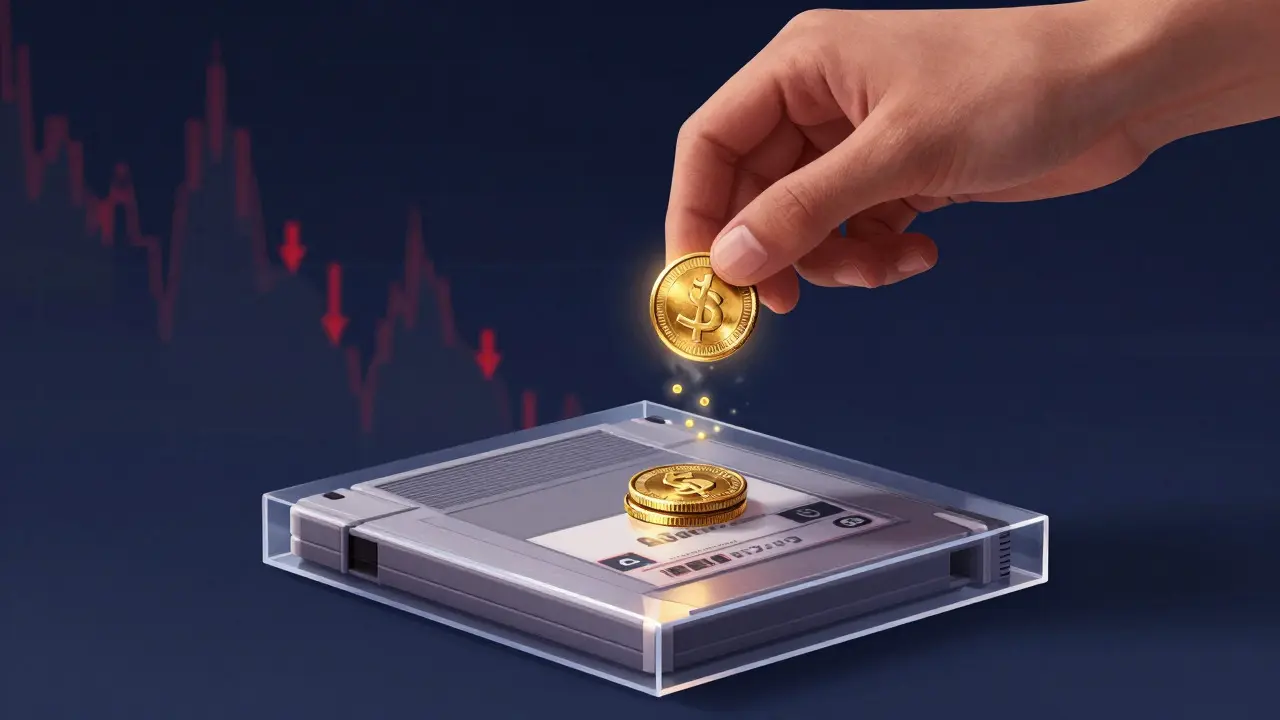
Comparing Grading Services and Their Impact on Value
Not all graders are created equal. The choice of grader affects both the cost and the perceived value of your slab.
| Service | Avg. Fee (Standard) | Turnaround Time | Market Recognition | Best For |
|---|---|---|---|---|
| PSA | $50-$60 | 4-6 Weeks | Highest (Gold Standard) | High-value, rare titles |
| PGC | $40-$50 | 3-5 Weeks | High (Growing Trust) | Budget-friendly grading for mid-range items |
| BGS | $45-$55 | 5-7 Weeks | Moderate (Niche) | Specific collector bases who prefer BGS slabs |
PSA remains the dominant player because buyers trust the brand. However, PGC has gained significant traction as a lower-cost alternative. If you’re grading a $200 game, PGC might be the smarter financial choice, saving you $10-$15 per unit without sacrificing too much buyer confidence.
How to Assess Your Game Before Spending Money
Before you pack anything up, run through this quick checklist. It takes five minutes and can save you hundreds of dollars in unnecessary fees.
- Check Recent Sales: Go to completed sales on eBay or specialized sites like PriceCharting. Look for the last 10 sold listings. What did raw copies sell for? What did PSA 10s sell for? Calculate the spread.
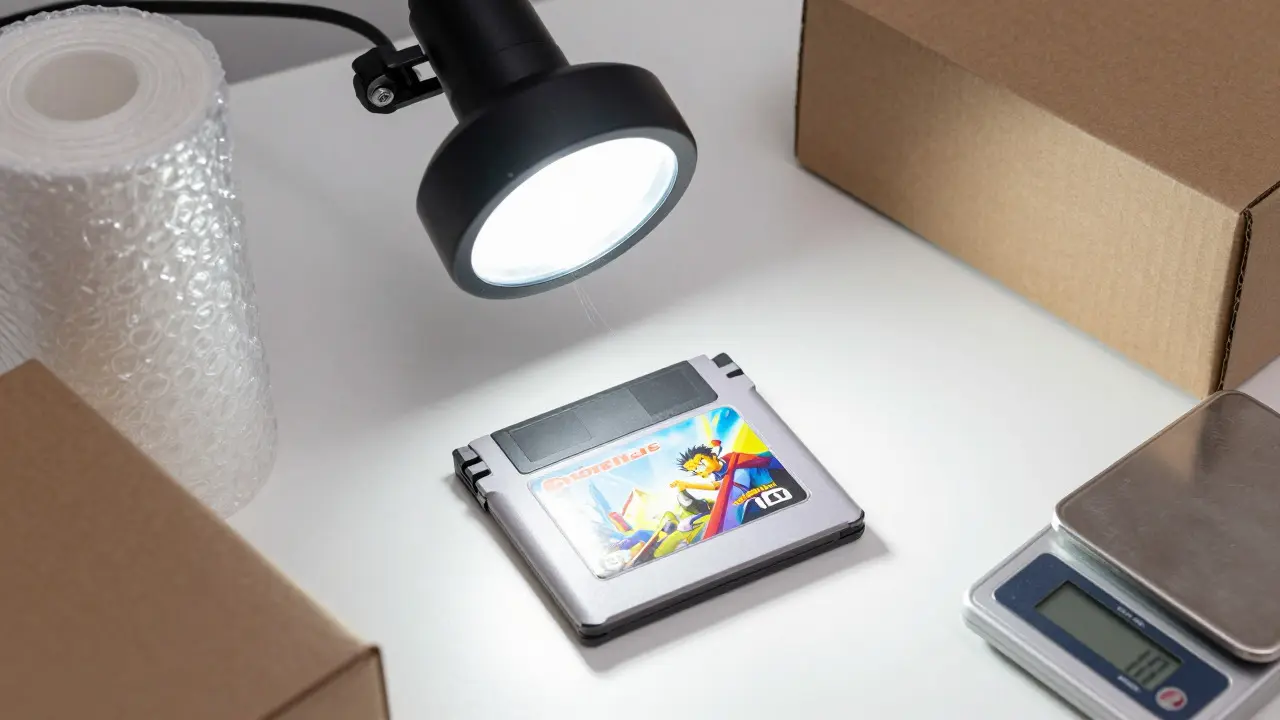
- Inspect Under Light: Use a bright light to check the label for micro-scratches. Check the case for stress cracks. If you see anything, assume it won’t be a 10.
- Calculate the Break-Even Point: Take the average raw sale price. Add the grading fee ($55) + shipping ($40). This is your break-even point. Will a high grade realistically push the sale price above this number by at least $50? If not, skip it.
- Consider the Batch Size: Grading one game is expensive. Grading ten games lowers the per-unit shipping cost. If you have multiple similar items, batching them improves your ROI.
This approach turns grading from a guess into a calculated business decision.
Common Mistakes New Collectors Make
Many enthusiasts fall into traps that erode their profits. Avoid these pitfalls:
- Chasing the Perfect Grade: Obsessing over getting a 10 instead of accepting a 9 or 10 depending on the title. Sometimes a 9 is sufficient for the market demand.
- Ignoring Condition Codes: Not understanding what graders look for. A tiny scratch on the edge of a label can drop a game from 10 to 9. Know the standards before submitting.
- Underinsuring Shipments: Losing a $1,000 game in the mail because you only insured it for $500 is a catastrophic loss. Always insure for full replacement value.
- Timing the Market Poorly: Submitting during peak holiday seasons when grading labs are backed up can extend wait times to 3 months, locking up your capital unnecessarily.
By avoiding these errors, you protect your bottom line and ensure that every dollar spent on grading works for you, not against you.
Frequently Asked Questions
Is it worth grading a video game worth less than $100?
Generally, no. Unless the game is extremely rare, the grading fees and shipping will likely exceed the premium you can achieve from a higher grade. For games under $100, selling raw is usually more profitable.
Which grading company is best for video games in 2026?
PSA is still the gold standard for resale value and buyer trust. However, PGC offers a strong alternative with lower fees, making it ideal for mid-range collections where maximizing margin is key.
Does a PSA 10 always sell for more than a raw game?
Yes, but the difference varies. For common titles, the premium might be 10-20%. For rare titles, it can be 50-100% or more. Always check recent sales data for the specific title before deciding.
How long does it take to get games graded?
Standard turnaround times in 2026 range from 4 to 8 weeks, depending on the grading service and volume. Express options are available but cost significantly more.
Should I grade my games if I plan to play them?
No. Playing a game will ruin its condition, dropping its grade and value. Keep original copies for playing and use backups or digital versions for gameplay if you want to preserve the collectible.