You buy a shiny new video game on a Friday night. You play it for three weekends, beat the main story, and then what? If you bought it digitally, it sits in a library you might never open again. If you bought it physically, it goes on a shelf next to your other trophies. But here is the uncomfortable truth about long-term video game collecting: neither format guarantees you actually own your collection forever. With physical discs rotting and digital licenses vanishing overnight (remember when Ubisoft pulled servers?), the debate isn't just about convenience. It's about legacy.
Are you building a museum or a utility closet? That question determines everything. Let's break down the real costs, risks, and rewards of choosing between plastic discs and data streams for the long haul.
The Illusion of Ownership in Digital Libraries
When you click "Buy" on the PlayStation Store or Steam, you aren't buying the game. You're buying a revocable license to access that game as long as the storefront exists and honors its terms. This distinction matters if you plan to keep things for ten years or more. Digital storefronts have closed before. The Wii Shop Channel shut down in 2019, leaving thousands of users with titles they couldn't re-download unless they had previously saved them to their consoles.
Digital collecting offers incredible convenience. No scratches, no lost cases, and instant access. For many gamers, this is the ideal setup. But consider the risk profile:
- Server Dependency: Online-only features can disappear. If a publisher decides to turn off multiplayer servers for an older title, your single-player experience might remain, but the full ecosystem often dies.
- Platform Lock-in: Your Xbox Game Pass Ultimate library doesn't transfer to Nintendo Switch. If you switch ecosystems, your digital investment stays behind.
- Licensing Expiry: Games featuring licensed music or cars (like certain racing sims) sometimes vanish from stores when contracts end. You lose the ability to repurchase them, though existing downloads usually remain playable.
If you value ease of use over permanence, digital wins. But if you want to hand a specific copy of The Legend of Zelda: Breath of the Wild to your grandchild, digital files won't cut it.
Physical Media: Tangible Assets with Decay Risks
Physical games are objects. They occupy space, gather dust, and can be sold. This tangibility creates psychological ownership-you feel like you possess the item. In the secondary market, rare physical copies of retro games like EarthBound or Silent Hill command prices in the hundreds or even thousands of dollars. Digital versions don't appreciate; they depreciate as newer hardware renders old formats obsolete.
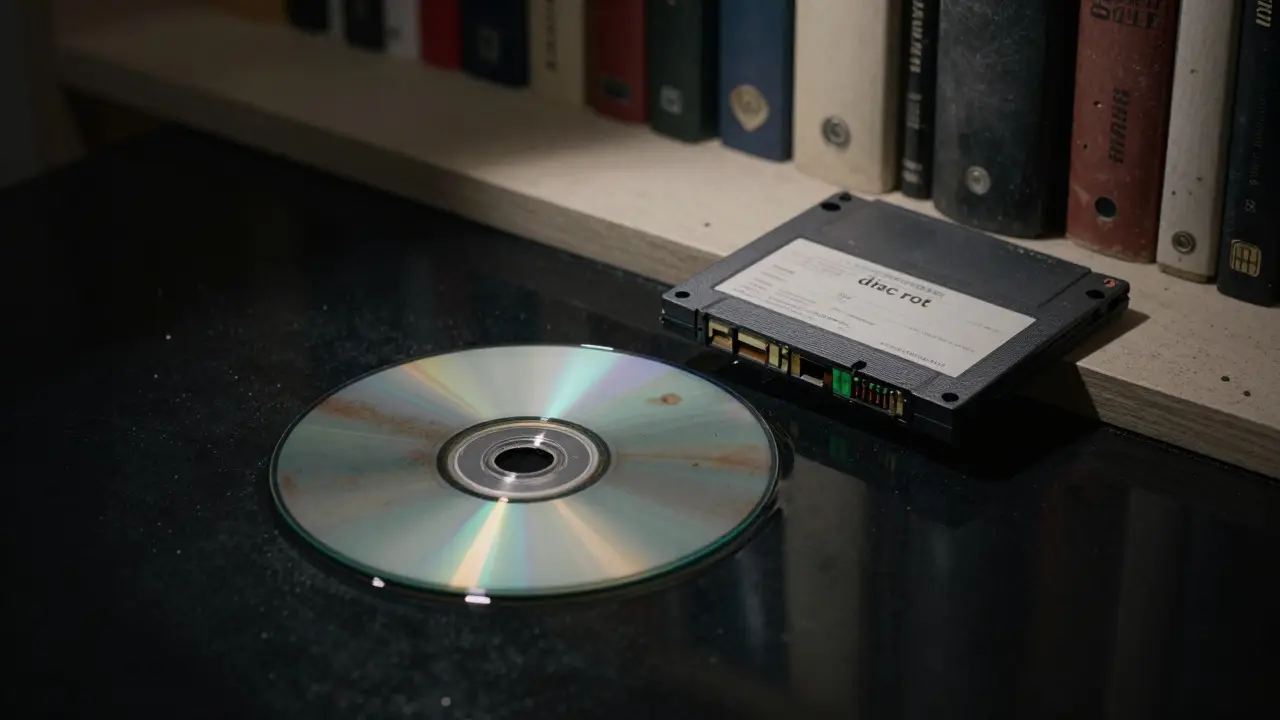
However, physical media isn't immortal. Discs suffer from "disc rot," where the reflective layer oxidizes, making the data unreadable. Cartridges, particularly for handhelds like the Nintendo DS, can suffer from battery failure in save functions or contact corrosion. Storing these items requires care. You need cool, dry environments away from direct sunlight. A poorly stored box set can degrade faster than a well-maintained digital archive.
Yet, physical copies offer something digital cannot: resale value and tradeability. If you finish a game and decide it wasn't for you, you can sell the disc on eBay or swap it at a local shop. That $60 initial outlay becomes a revolving fund. Try selling your downloaded copy of Elden Ring back to Sony. You'll wait a long time.
Preservation and Archival Stability
For serious collectors, preservation is the ultimate goal. How do you ensure your favorite titles survive technological shifts? Physical media has a clear advantage in archival stability, provided you maintain backups. A scratched disc can be replaced by buying another copy. A corrupted digital file might require redownloading, which depends entirely on server availability.
Consider the concept of game preservation. Organizations like the Internet Archive rely heavily on physical ROMs and dumps because they represent the source code exactly as released. Digital storefront versions often include DRM (Digital Rights Management) layers that complicate emulation and long-term playback. If a company goes bankrupt, their digital store might close, taking their entire catalog offline for new purchases. Physical copies, however, remain in circulation among private collectors.
| Factor | Physical Media | Digital Media |
|---|---|---|
| Ownership Type | Tangible asset (resaleable) | Revocable license |
| Longevity Risk | Disc rot, loss, damage | Store closure, license expiry |
| Resale Value | High potential for rare titles | Zero (non-transferable) |
| Convenience | Requires swapping discs/cartridges | Instant access, no clutter |
| Storage Cost | Shelf space, protective cases | Hard drive space, cloud fees |
| Collector Appeal | High (packaging, manuals, art) | Low (library icon only) |
The Hybrid Strategy: Best of Both Worlds
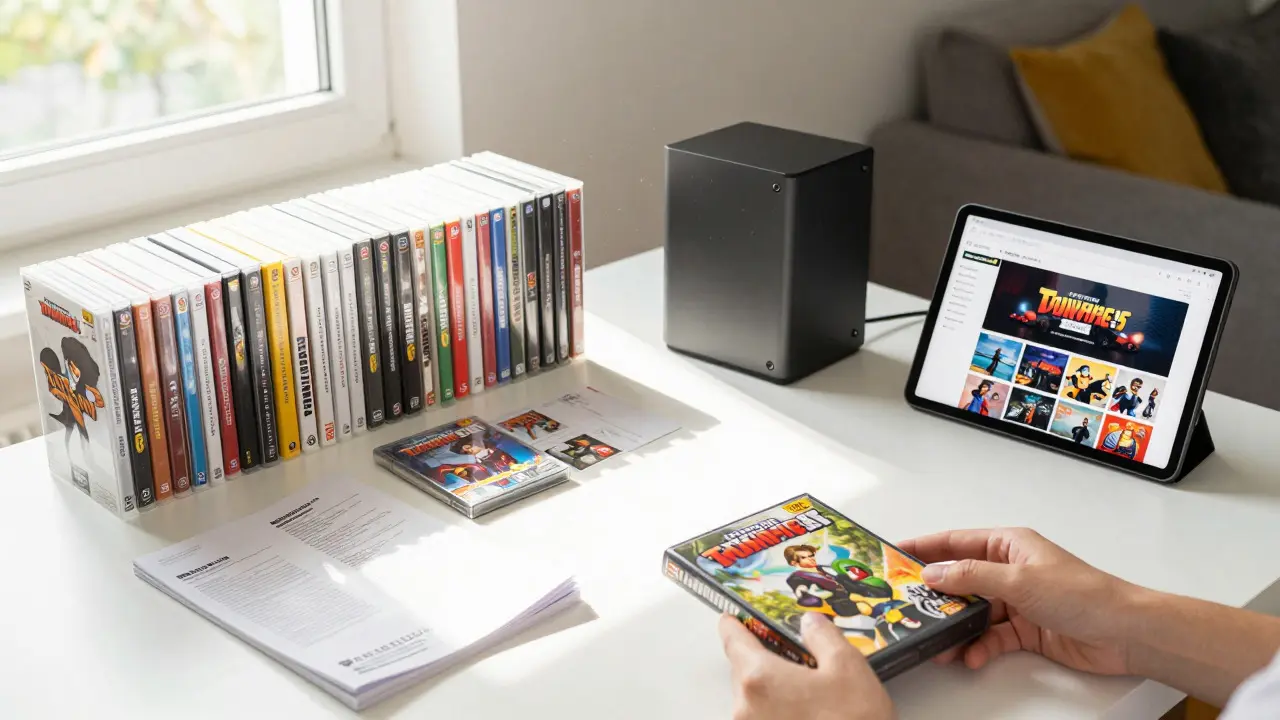
Most experienced collectors don't choose one side exclusively. They adopt a hybrid model. Buy digital for games you know you'll replay frequently or that benefit from frequent updates (like live-service shooters). Buy physical for narrative-driven experiences, collector's editions, or titles you suspect might become rare.
This approach mitigates risk. If a digital store closes, you still have your physical backups. If a disc breaks, you might have a digital backup purchased during a sale. The key is intentionality. Don't buy every release physically. Curate your shelf. Ask yourself: "Will I want to hold this in five years?" If the answer is yes, buy the box. If it's no, download it.
Also, consider the environmental impact. Manufacturing discs, printing manuals, and shipping plastic cases consumes resources. Digital distribution reduces waste but increases energy consumption for data centers. For eco-conscious collectors, buying used physical copies extends the life of existing products, reducing the demand for new manufacturing.
Market Trends and Future Proofing
The industry is shifting toward digital-first releases. Major publishers are reducing print runs for niche titles. This scarcity drives up prices for remaining physical copies. If you see a limited edition run out, grab it immediately. Once gone, they rarely return to retail at MSRP.
Looking ahead, subscription services like Game Pass change the landscape further. These services offer access rather than ownership. While great for discovery, they don't build a permanent collection. When the service removes a game, it disappears from your library unless you purchase it separately. Treat subscriptions as rental libraries, not collections.
To future-proof your hobby, diversify your holdings. Keep a mix of current-gen physical games, classic retro cartridges, and a curated digital library. Regularly audit your collection. Check for disc health. Ensure your digital accounts are secure with two-factor authentication. And remember, the joy of collecting comes from curation, not accumulation. A small, cherished shelf beats a massive, forgotten hard drive any day.
Do digital games last longer than physical discs?
Not necessarily. Digital games depend on the longevity of the platform and licensing agreements. If a store closes or a license expires, you may lose access. Physical discs can last decades if stored properly, but they are susceptible to physical damage like scratches or disc rot. Neither is perfectly eternal, but physical copies offer more control over preservation through replacement or repair.
Can I sell my digital video games?
Generally, no. Most digital storefronts, including Steam, PlayStation Network, and Xbox Live, treat purchases as non-transferable licenses tied to your account. You cannot resell individual digital titles like you can with physical discs. Some platforms allow gifting, but this is different from a secondary market transaction.
Which format holds better value for retro games?
Physical media almost always holds better value for retro games. Rare cartridges and sealed boxes can appreciate significantly in price due to scarcity. Digital retro titles are often available cheaply on modern storefronts and do not appreciate in value. Collectors pay premiums for the tangible artifact, packaging, and historical significance of physical copies.
Is it worth buying physical copies for online-only games?
It depends on your preference for resale. If the game is purely online and likely to be delisted or discontinued, a physical copy might become worthless quickly once servers shut down. However, if you enjoy having the case on your shelf or want the option to sell it while the game is active, physical is fine. Just be aware that the disc itself is often just a key to download the latest patch, so you still need internet access.
How should I store physical games to prevent damage?
Store games upright in a cool, dry place away from direct sunlight. Avoid extreme temperature fluctuations, which can warp discs or damage cartridge contacts. Use high-quality protective cases for valuable items. For cartridges, clean the contacts gently with isopropyl alcohol if they show signs of oxidation. Never stack heavy items on top of boxed games, as this can crush the packaging and deform the contents.