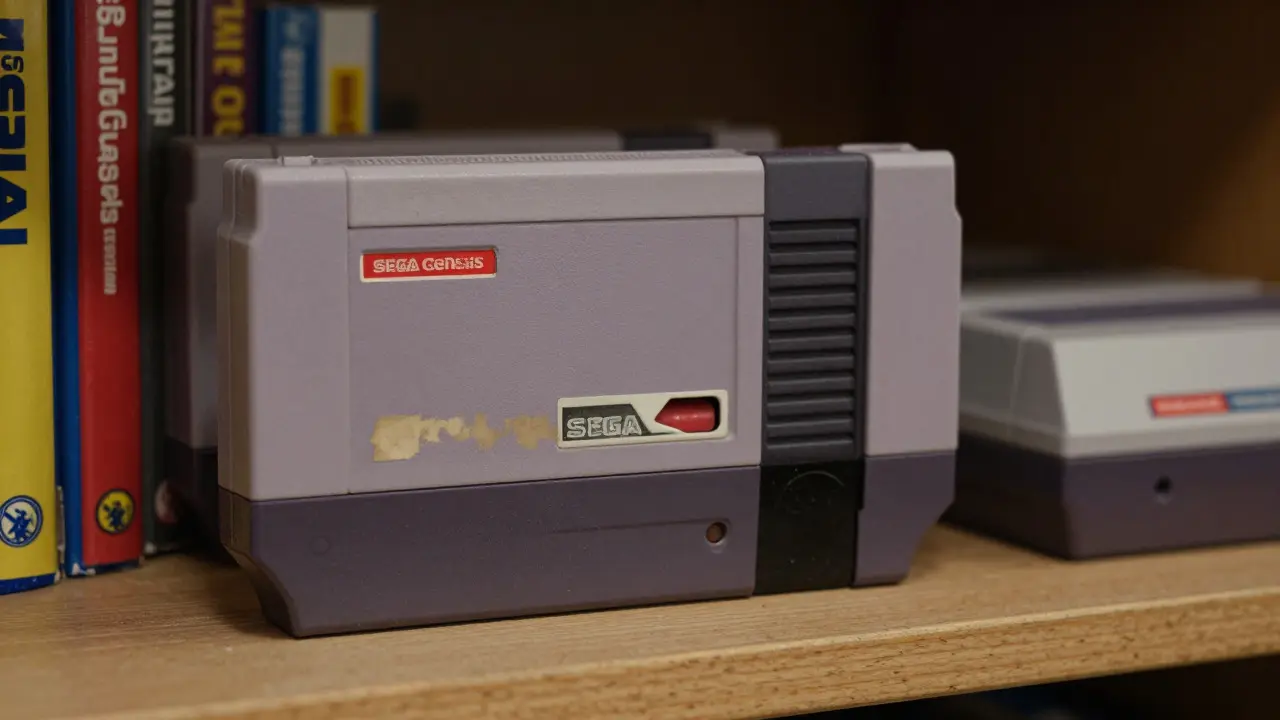
Imagine the sound of a hard drive clicking as you open your storage unit, only to find that humidity has warped the plastic cases of your rare Sega Genesis cartridges. It is a nightmare scenario for any serious collector. While the joy of preserving gaming history is immense, the financial and emotional value of these items often outpaces standard home insurance coverage. You need a strategy that balances proper storage with accurate valuation.
This guide walks you through the specific steps to protect your investment. We will cover how to document your items, why "replacement cost" matters more than "actual cash value," and how to get a fair price from appraisers who actually understand retro gaming. Whether you have a shelf of Nintendo Entertainment System classics or a climate-controlled vault of limited-edition PlayStation 2 consoles, the process remains similar: document, preserve, appraise, and insure.
Key Takeaways
- Video game insurance requires a specialized rider on your homeowner’s policy because standard policies often cap collectible values at $1,000 or less.
- Preservation is not just about storage; it involves controlling temperature, humidity, and light exposure to prevent physical degradation.
- Appraisal should be done by certified professionals using recent sales data, not just retail listings which often include inflated asking prices.
- Documentation is king. High-resolution photos and detailed condition reports are essential for both appraisal and future claims.
Understanding the Value of Your Collection
Before you call an agent, you need to know what you actually have. The video game market is volatile. A game might be worth $50 today and $500 next year due to a popular YouTube retrospective or a movie adaptation. This volatility makes static insurance values risky if you do not update them regularly.
To establish a baseline, you must distinguish between "loose" copies and "complete in box" (CIB) sets. A loose cartridge for The Legend of Zelda might fetch a few hundred dollars, but a sealed CIB copy can command thousands. Furthermore, the condition of the manual and instruction sheets significantly impacts the final price. Collectors grade these items on scales like the Professional Grading Service (PGS) or Certified Guaranty Company (CGC), which provide standardized metrics for wear and tear.
You should also consider the rarity of the hardware. Limited production runs, such as the Sony PlayStation Classic or early Atari 2600 woodgrain consoles, hold their value better than mass-produced units. However, functionality matters. A console that does not power on is essentially a paperweight unless it is a highly sought-after prototype.
Preservation Methods That Protect Value
Insurance premiums and appraised values drop sharply if items show signs of neglect. Proper preservation is a prerequisite for high valuations. Here is what professional archivists recommend:
- Control Humidity: Keep relative humidity between 35% and 50%. Too dry causes plastic to become brittle; too moist leads to mold and corrosion on contacts.
- Stable Temperature: Avoid attics and basements where temperatures fluctuate wildly. Aim for a stable 65-70°F (18-21°C).
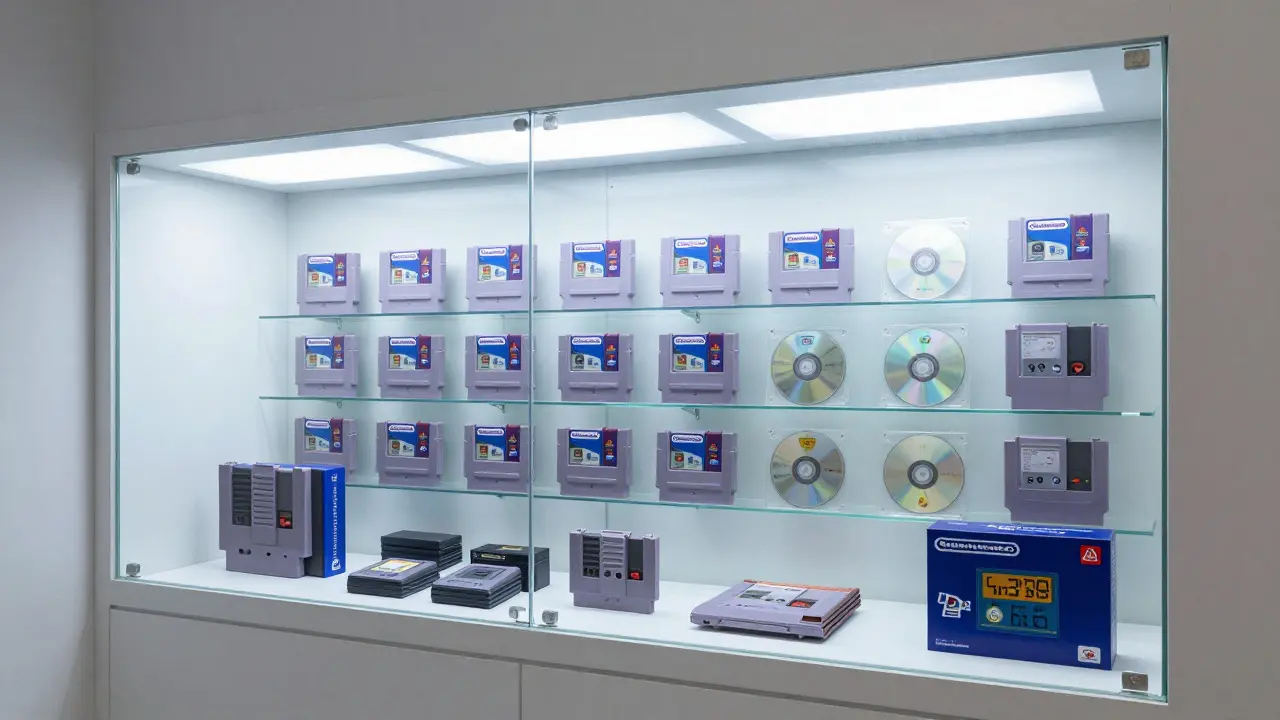
- Light Protection: UV rays fade labels and discolor plastics. Store items away from direct sunlight or use UV-filtering glass cases.
- Acid-Free Materials: Use acid-free boxes and sleeves. Standard cardboard releases acids over time that eat into paper manuals and cardboard boxes.
For media like CDs and DVDs, store them vertically rather than stacked horizontally to prevent warping. For cartridges, clean the contacts gently with isopropyl alcohol (90%+) before storing them in anti-static bags. These small steps demonstrate care, which appraisers notice immediately.
The Appraisal Process: Who to Trust
Finding the right appraiser is the most critical step. Many generalist appraisers look at eBay sold listings and guess. This is dangerous. You need someone who understands the difference between a "first print" and a "reprint."
Look for appraisers who are members of the American Society of Appraisers (ASA) or the International Society of Appraisers (ISA). They should specialize in collectibles or specifically electronic media. During the appraisal, expect them to check:
- Serial numbers and model variants.
- Authenticity of seals (checking for tampering).
- Condition of all included components (cables, controllers, manuals).
- Recent auction results from reputable houses like Heritage Auctions or eBay Power Sellers.
An appraisal report should list each item individually, noting its condition and current market value. Ask for a "fair market value" opinion, which reflects what a willing buyer would pay a willing seller. This is different from "retail value," which includes the dealer's markup.
Navigating Insurance Policies and Riders
Most standard homeowner’s policies include a sub-limit for jewelry and fine art, but they rarely offer robust coverage for video games. If your policy caps collectibles at $1,000, your entire collection is underinsured. You need to add a "scheduled personal property" rider, often called a blanket endorsement.
When discussing this with your agent, clarify two key terms:
| Term | Definition | Example for a $500 Console |
|---|---|---|
| Actual Cash Value (ACV) | Pays out based on age and depreciation. | $150 (if 10 years old) |
| Replacement Cost New (RCN) | Pays out enough to buy a new equivalent item. | $500 (current market price) |
Always aim for Replacement Cost New. If ACV is the only option, ensure the depreciation schedule is favorable for antiques and collectibles, which often retain value or appreciate. Additionally, ask about the deductible. A lower deductible means higher premiums, but faster reimbursement when you need it.
Documenting Your Collection for Claims
If disaster strikes-fire, flood, or theft-you need proof of ownership and condition. Create a digital inventory. For each item, take photos of the front, back, top, bottom, and serial number. Include a photo of the original packaging if available. Write down the purchase date, price paid, and where you bought it.
Store this inventory in the cloud, not just on your home computer. If your house floods, your local backup drive might be gone. Use a spreadsheet or dedicated app to track serial numbers and condition notes. Update this inventory annually, especially after major market shifts or when you acquire new pieces.
Common Pitfalls to Avoid
Many collectors make mistakes that void their insurance or lower their appraisal. Avoid these traps:
- Overlooking "Complete in Box": Selling the manual separately destroys the value of the set. Keep everything together.
- Ignoring Regional Variants: A Japanese version of a game might be rarer and more valuable than the North American version. Note the region code clearly.
- Using Non-Acid-Free Storage: Yellowed boxes signal poor storage. Replace cheap cardboard boxes with archival-quality alternatives.
- Assuming Retail Price Equals Insurance Value: Dealers charge a premium. Your insurance payout should reflect the wholesale or fair market value, not the sticker price at a shop.
Frequently Asked Questions
Do I need a separate policy for my video game collection?
Not necessarily. You can usually add a scheduled personal property rider to your existing homeowner’s or renter’s policy. This is cheaper than buying a standalone policy and covers the same risks like fire, theft, and water damage.
How often should I re-appraise my collection?
Every two to three years is a good rule of thumb. The retro gaming market fluctuates, so annual reviews might be excessive unless you have extremely high-value items that are appreciating rapidly.
Does insurance cover damage from poor storage?
Generally, no. Insurance covers sudden events like fires or floods. If you leave a console in a damp basement and it molds, that is considered negligence or gradual deterioration, which is typically excluded. Proper preservation protects against this exclusion.
What is the best way to store CD-ROM games?
Store them vertically in jewel cases, away from direct heat sources like radiators or windows. Horizontal stacking puts pressure on the disc, causing warping over time. Keep the case closed to prevent dust accumulation.
Can I insure unsealed games?
Yes, and they are often the most valuable. However, you must prove the seal is original. Photograph the seal from multiple angles and note any tape residue or perforations. If the seal breaks accidentally, the value drops significantly, so handle with extreme care.