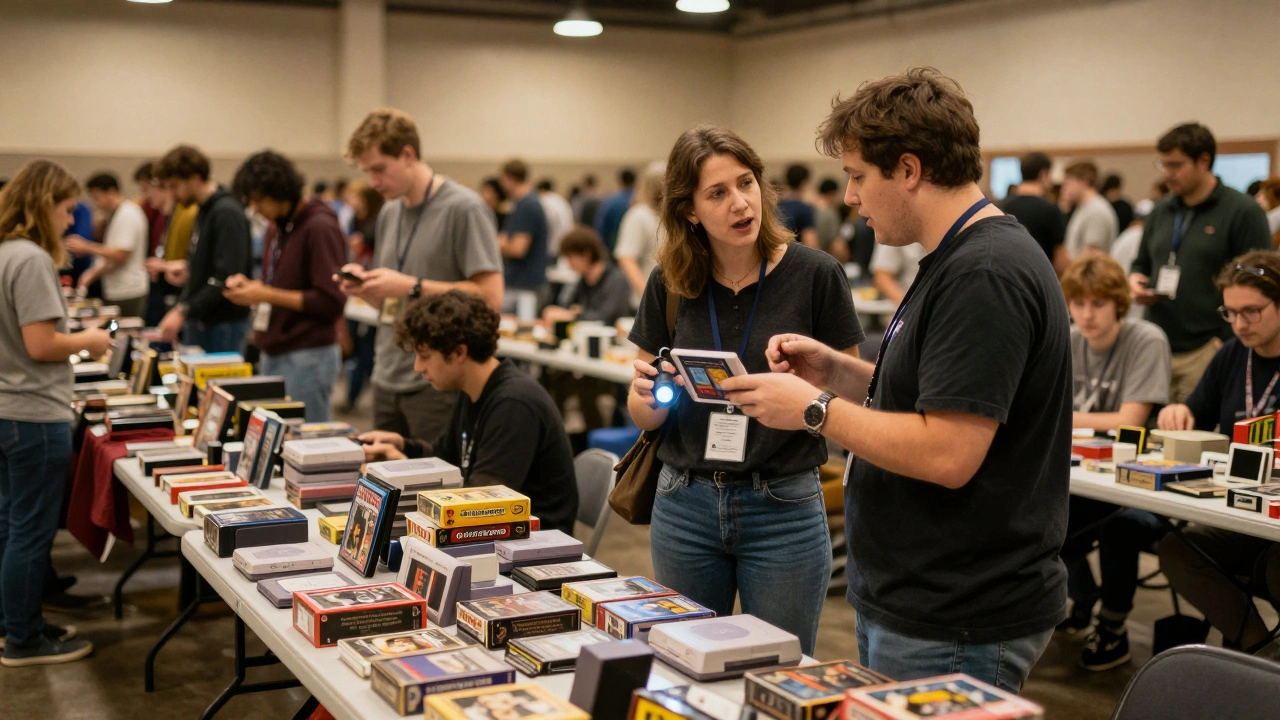
You walk into a crowded room filled with tables of dusty cartridges and sealed boxes. It’s loud, chaotic, and smells faintly of old plastic. Most people treat this like a flea market: grab the deal, pay cash, leave. But if you want the rare items that never hit the open floor, you need to play the long game. You aren’t just shopping; you’re building a network.
Networking at video game swap meets isn’t about making friends in the traditional sense. It’s about establishing trust so that when someone finds a gem they don’t need, they call you before they put it on eBay. This guide breaks down how to turn a one-time transaction into a recurring trade relationship.
The Anatomy of a Successful Swap Meet
To network effectively, you first need to understand the environment. Not all events are created equal. Some are quick hits; others are community anchors. Recognizing the format helps you adjust your strategy.
| Event Type | Frequency | Duration | Networking Potential |
|---|---|---|---|
| Monthly Trade Night | First Saturday of every month | 3 hours (e.g., 6 PM - 9 PM) | High. Same faces appear regularly. Great for consistent follow-ups. |
| Quarterly Mega-Swap | 4 times per year | 2 weekends (Sat & Sun) | Medium-High. Large crowds allow broad scouting, but less intimacy than monthly nights. |
| One-Off Store Opening | Irregular | 1 day | Low. High turnover of attendees. Harder to build lasting connections. |
Events like Rad Junk’s monthly "Trade Night" or RetroMania’s quarterly festivals in Campbell create predictable touchpoints. When you know exactly when and where you’ll see the same group of collectors again, the pressure to close a deal right now disappears. You can afford to say, "I don’t have the cash today, but I have the exact console you need next month." That confidence only exists in recurring environments.
Preparation: Your Toolkit Before You Arrive
Walking in empty-handed is a missed opportunity. You need tools that signal you are serious, organized, and easy to do business with. Chaos kills deals. Preparation saves them.
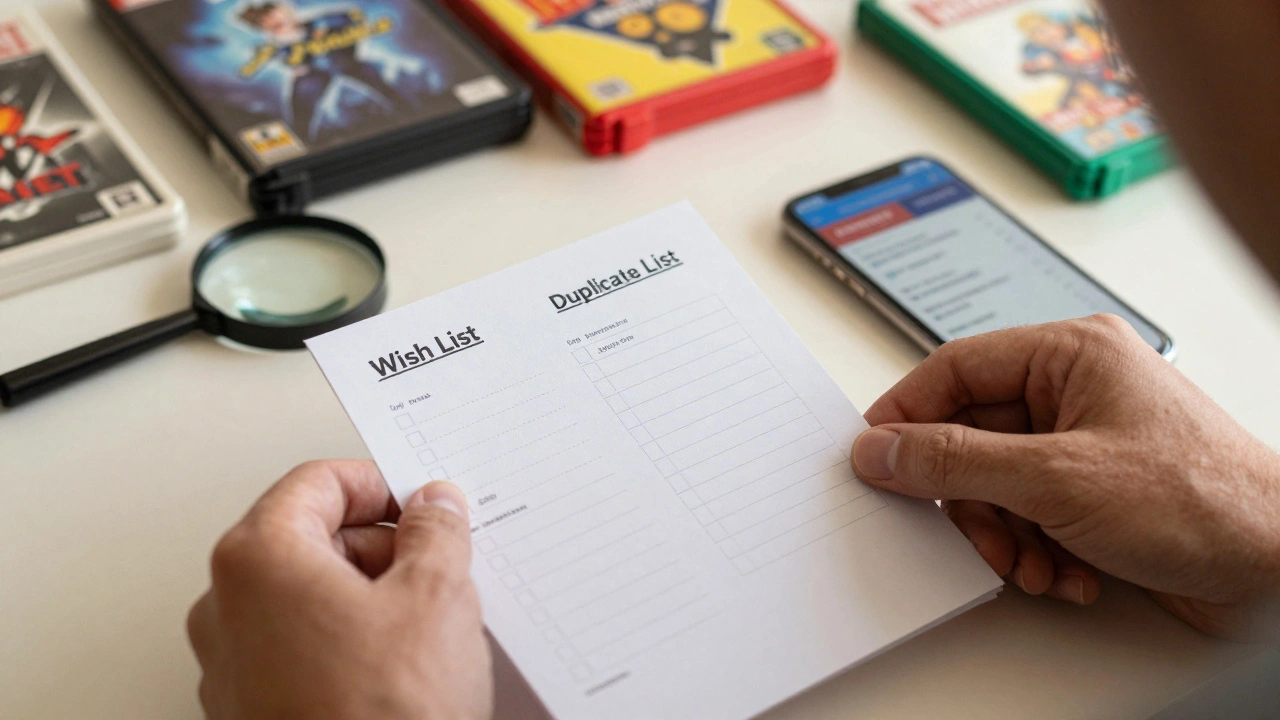
- Digital Price Guides: Have an app or spreadsheet ready on your phone. Being able to pull up recent sold listings for a specific title builds instant credibility. It shows you respect the market value and aren’t trying to lowball blindly.
- Wish Lists & Duplicate Lists: Print two simple lists. One for what you want, one for what you have extra. Handing these to a vendor or fellow collector sparks conversation. "I’m looking for this RPG," you say, pointing to the list. "Do you happen to have any copies of this other one?" It turns a browse into a dialogue.
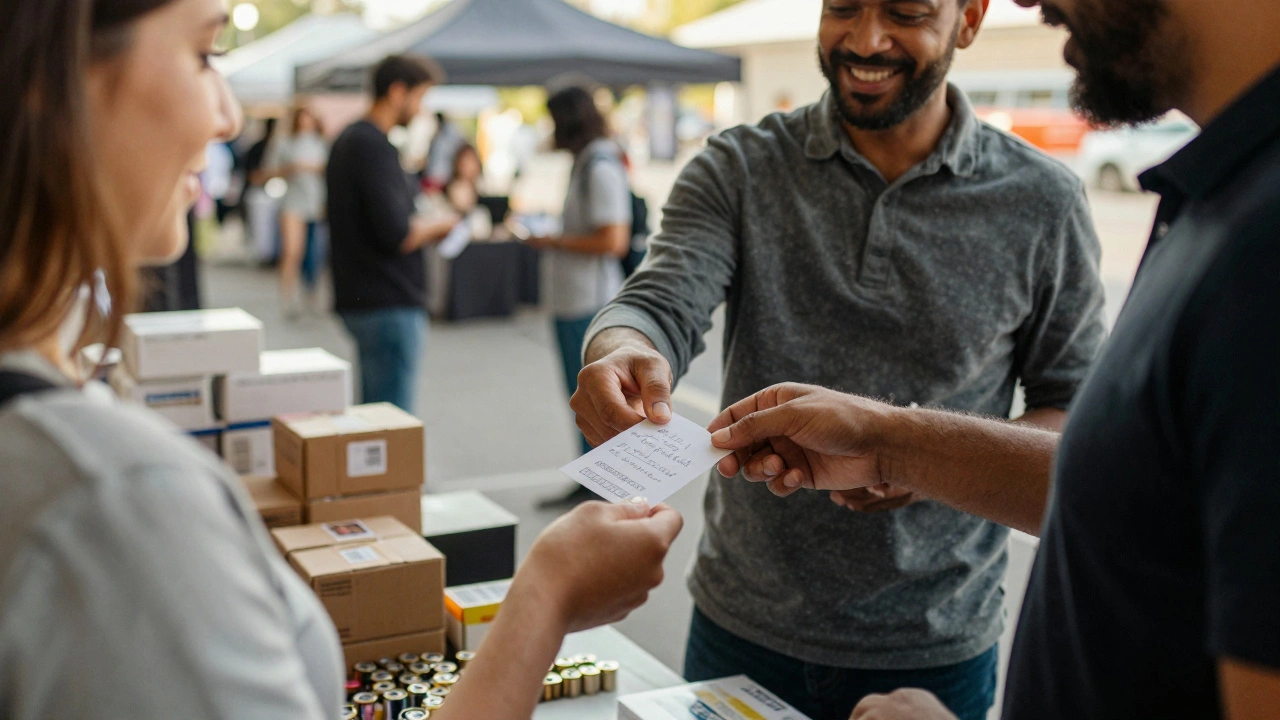
- Contact Cards: Business cards feel too corporate. Use small index cards or even clean sticky notes with your name, phone number, and Discord/Instagram handle. Write "Open to Trades" on them. Hand them out liberally when discussions get good.
- Condition Inspection Kit: Bring a small flashlight and a magnifying glass. Inspecting a cartridge board or disc under good light shows you care about quality. It also prevents future disputes over condition, which protects your reputation.
On-Site Networking Techniques
Once you’re on the floor, your behavior matters more than your inventory. You are being evaluated by everyone around you. Here is how to act.
Start With Collections, Not Prices
Don’t lead with "How much for this?" Lead with "What systems do you mainly collect?" or "Is that part of your personal stash or for sale?" People love talking about their passion. If you engage with their hobby first, they become more willing to help you later. A friendly chat about the rarity of a specific region code builds rapport faster than haggling over five dollars.
Signal Openness to Future Deals
If you see something you want but can’t buy or trade right now, say so explicitly. "I’d love to take this off your hands, but I need to check my budget. Can I bring some GameCube titles next month to swap?" Then, hand them your contact card. Write the date of the next event on the back of their card or yours. Specificity creates accountability.
Respect the Time Window
In a three-hour window, time is currency. Don’t monopolize a table for twenty minutes unless a major deal is happening. Spend five minutes connecting, exchange contacts, and move on. You can always circle back. If you’re stuck in a negotiation, you miss the chance to meet three other potential trading partners. Efficiency is respected.
Building Trust and Reputation
In small communities, your reputation travels faster than your games. At recurring events like monthly trade nights, word spreads quickly about who is fair and who is difficult.
Be honest about condition. If a case has yellowing or a label is peeling, point it out yourself. Saying, "The game works fine, but the label has a tear here," builds immense trust. The other person thinks, "If they’re telling me about the flaws, they’re probably not hiding anything else." Conversely, misrepresenting a reproduction cartridge as original will blacklist you from the local scene. Collectors talk. They remember who tried to pull a fast one.
Honor your agreements. If you agree to hold an item for someone while they run to another table, wait for them. If you promise to send a text with a price quote, do it within the hour. Reliability makes you a preferred partner. When a collector has a high-value item to sell, they will text the person they know is reliable, not the stranger who offered slightly more money but seemed shady.
Securing Future Trades
The goal isn’t just to make a friend; it’s to lock in a future transaction. Here is how to formalize those informal chats.
- Document Immediately: After exchanging contacts, write a note in your phone. "Met Alex at Rad Junk. Interested in swapping Super Mario 64 for Zelda OoT. Next event: July 5." Memory fades. Notes persist.
- Follow Up Digitally: Send a message within 24 hours. "Great meeting you at the swap! Here’s that link to the price guide we discussed. Let me know if you decide to bring that N64 controller next month." This keeps the connection warm without being pushy.
- Plan the Logistics: Agree on a rough value framework beforehand. "Let’s use the average sold price from last six months as our baseline." This prevents arguments when you meet again. You both know the math; you just need to adjust for condition.
- Re-inspect High-Value Items: For expensive trades, agree to re-check items in person at the next event. This reduces risk for both parties and reinforces the ethical standard of the community.
Physical vs. Online: Why In-Person Still Wins
You might wonder why bother with swap meets when you can trade on forums or eBay. Online trading is asynchronous and global, but it lacks immediate trust signals. You can’t read body language or see how someone handles a disagreement. At a swap meet, you witness their character in real-time. Do they haggle respectfully? Do they admit mistakes? These micro-interactions tell you if someone is safe to do long-term business with.
Furthermore, physical events offer density. In three hours, you might interact with dozens of traders. Online, you might spend weeks messaging one person. The speed of connection at a swap meet is unmatched for building a broad network quickly.
Practical Challenges and Solutions
Networking isn’t without friction. Here are common hurdles and how to clear them.
Challenge: Noise and Crowds. It’s hard to hear details. Solution: Move to a quieter corner if possible, or write key details (prices, items) on paper immediately. Recap the agreement aloud before walking away: "So, I’ll bring the SNES cart next month, and you’ll give me the Genesis console. Sound good?"
Challenge: Limited Time. You can’t talk to everyone. Solution: Prioritize. Identify vendors or collectors with large, well-organized tables-they often have deeper inventories and are more experienced traders. Focus your energy there.
Challenge: Miscommunication. He said/she said scenarios ruin relationships. Solution: Use digital confirmation. A simple text summarizing the verbal agreement serves as a record. "Just confirming our plan for next Saturday's trade..."
Long-Term Viability
The ecosystem of video game collecting relies on these human connections. As long as stores like Rad Junk and organizers like Retro Fix II Turbo keep hosting these events, the network remains viable. The hybrid model-meeting in person to build trust, then maintaining contact digitally between events-is the most sustainable approach. It combines the efficiency of online communication with the reliability of face-to-face verification.
Don’t just go to swap meets to buy. Go to belong. The best deals aren’t found on the table; they’re found in the conversations that happen after the cash register closes.
How do I start a conversation with a collector at a swap meet?
Avoid starting with price. Instead, ask about their collection focus. Questions like "What systems are you currently hunting for?" or "Is that a complete-in-box set?" show genuine interest in their hobby. This builds rapport and makes them more receptive to future trade discussions.
What should I bring to a video game swap meet besides games?
Bring a printed wish list and duplicate list, a small flashlight for inspecting discs/cartridges, and contact cards with your name and social media handles. Having a smartphone with price guide apps installed also helps verify values quickly during negotiations.
Is it better to attend monthly or quarterly swap meets?
Monthly meets are better for building deep, consistent relationships because you see the same people regularly. Quarterly mega-swaps are better for scouting new inventory and meeting a wider variety of collectors. Ideally, attend both to maximize your network.
How do I protect my reputation at a swap meet?
Be transparent about item conditions, honor your agreements, and avoid aggressive haggling. If you promise to follow up, do it promptly. Word spreads quickly in local collector communities, and a reputation for fairness is your most valuable asset.
Can I negotiate a trade if I don't have the item right now?
Yes. This is a core part of networking. Express interest in the item, explain what you can bring in the future, and exchange contact information. Suggest meeting at the next scheduled event to finalize the trade. Be specific about dates and items to ensure clarity.