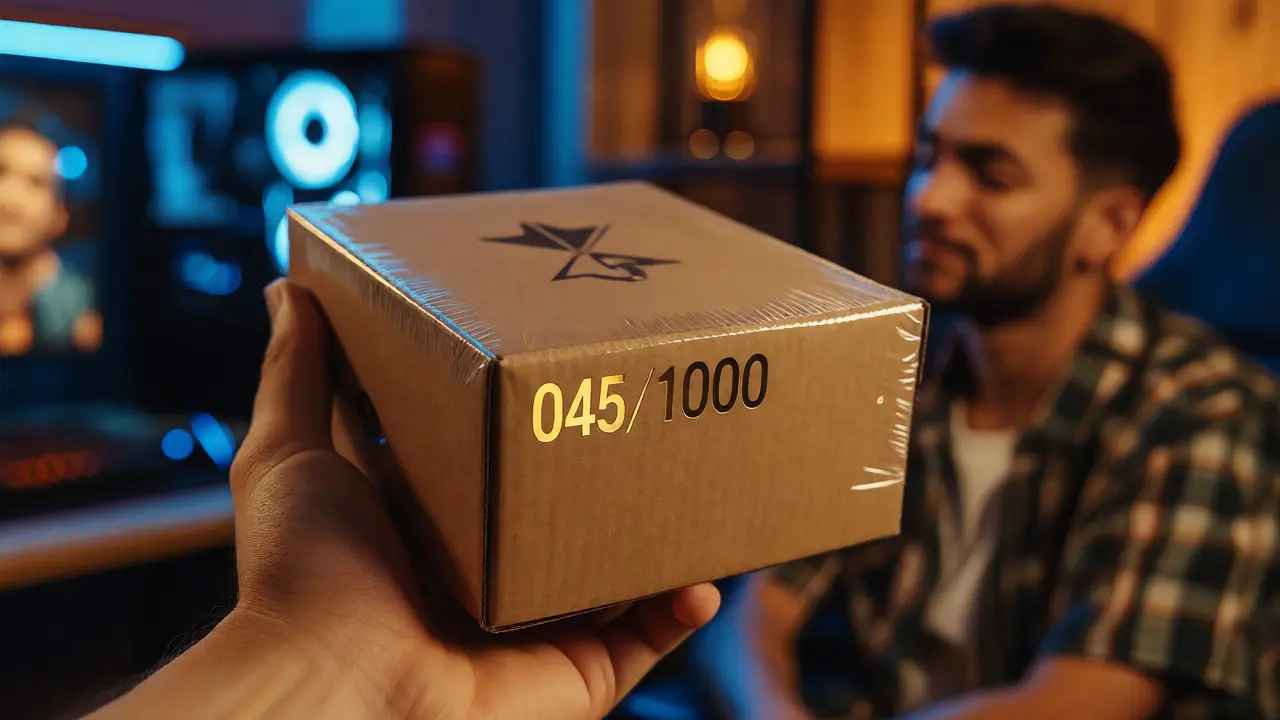
You just dropped $80 on a collector's edition of the latest RPG, and your spouse is giving you that look. The one that says, "Is this going in the trash or the bank?" It’s a fair question. Most modern video games are like fast food-delicious today, forgotten tomorrow. But every now and then, a game turns into gold. Think about EarthBound. In 1995, it sold poorly. Today, a complete copy can fetch hundreds of dollars. Why? Because someone saw the potential before the market did.
Predicting which modern titles will appreciate isn't magic. It's a mix of supply chain logic, community psychology, and cold, hard data. If you want to turn your gaming shelf into an asset class, you need to stop buying what you *want* to play and start buying what others will *need* to own. Here is how to spot the winners before they hit the secondary market.
The Scarcity Signal: Print Runs and Regional Exclusives
Scarcity is the engine of value. But not all scarcity is created equal. You need to distinguish between artificial scarcity (marketing hype) and genuine production limits.
Look at regional exclusives. Games released only in Japan, Europe, or specific countries often have smaller print runs because the publisher didn't expect global demand. When the internet decides a niche Japanese title is cool, those few thousand copies become priceless. Persona 3 Reload's physical release strategy showed us that even major franchises limit initial physical stock to drive digital sales, creating a vacuum for physical collectors later.
- Regional Locks: Did the game require a specific region console? That limits the buyer pool but increases desirability for importers.
- Retailer Exclusives: Was it sold only at GameStop or Amazon? If the retailer drops support or closes stores, inventory dries up fast.
- Print Run Data: For indie games, check developer interviews. Sometimes they order 5,000 units. If 4,000 sell day one, the remaining 1,000 are already valuable.
Don't trust the "Limited Edition" label blindly. Publishers slap that word on everything. Instead, look for numbered editions. If you buy #450 of 1,000, you know exactly where you stand. Unnumbered "limited" runs are often infinite in practice.
The Community Catalyst: Cult Status vs. Mainstream Hits
Mainstream hits rarely appreciate significantly because everyone has them. You don't pay extra for a copy of Call of Duty unless it's sealed and mint. Value comes from passionate, niche communities who feel underserved by the mainstream market.
Identify games with high engagement metrics relative to their sales figures. Look at Reddit subscriber counts, Discord activity, and speedrun.com entries. A game with 10,000 players but 5,000 active speedrunners is a red flag for future value. Those runners care about the mechanics, not the box. But a game with 100,000 players and a thriving lore discussion forum? That's a collector base.
Consider Undertale. It wasn't just a hit; it became a cultural movement. The merchandise, the fan art, the emotional connection-it created a floor for prices that never dropped back to retail. When a game becomes part of someone's identity, they won't sell it cheaply.
| Metric | High Potential Signal | Low Potential Signal |
|---|---|---|
| Reddit Subscribers | Growing steadily post-launch | Spikes at launch, then flatlines |
| Speedrun Entries | Stable or increasing over years | Declines after first month |
| Fan Art Volume | Consistent daily uploads | Drops off after DLC releases |
| Merchandise Sales | Third-party bootlegs appear | Only official merch exists |
The Hardware Hook: Console Lifecycles and Obsolescence
Games appreciate when the hardware they run on becomes difficult to access. This is the "hardware hook." If a game is exclusive to a console that had a short lifespan or poor distribution, its value skyrockets once people realize they can't easily play it anymore.
We are currently seeing this with Nintendo Switch titles. As Nintendo prepares its successor, early Switch games with low print runs are starting to climb. Why? Because new buyers want to play them, but used consoles are getting scarce, and digital-only purchases lock you to the account, not the disc.
Watch for these hardware trends:
- Discontinued Consoles: Once production stops, supply is fixed. Demand usually stays steady or grows due to nostalgia.
- Failed Platforms: Think Sega Saturn or Nintendo Virtual Boy. Few games were made, fewer were bought, and now everyone wants them as curiosities.
- Hybrid Confusion: Games that rely on specific accessories (like Kinect or PlayStation VR) lose value if the accessory breaks, but gain value if the library is small and curated.
A pro tip: Check eBay "sold" listings for the console itself. If console prices are rising, game prices follow suit within six months. It’s a lagging indicator, but a reliable one.
The Physical Factor: Packaging Integrity and Special Editions
In the world of collectibles, condition is king. A loose cartridge might be worth $10, but the same cartridge in its original box with the manual and obi strip could be worth $100. Modern publishers often skip manuals or use plastic sleeves instead of cardboard boxes. This makes finding a "Complete in Box" (CIB) copy harder.
Special editions that include non-digital items (statues, steelbooks, maps) tend to hold value better because they offer tangible utility beyond the game code. However, beware of "bloatware" editions. If the extra content is just downloadable codes that expire, the physical value is minimal.
Here’s a quick heuristic for packaging:
- Steelbooks: High durability, high appeal. These almost always appreciate if the game has any cult following.
- Art Books: If the art book is substantial (50+ pages), it adds significant value. Thin pamphlets do not.
- Soundtracks: Physical CDs/Vinyl are gaining traction again. A game with a popular soundtrack and a physical CD inclusion is a strong bet.
Store your games properly. Sunlight fades spines. Humidity warps cases. A faded spine cuts resale value by 30-50% instantly. Use acid-free sleeves and keep them upright, not stacked.
The Digital Threat: How Steam Sales Kill Physical Value
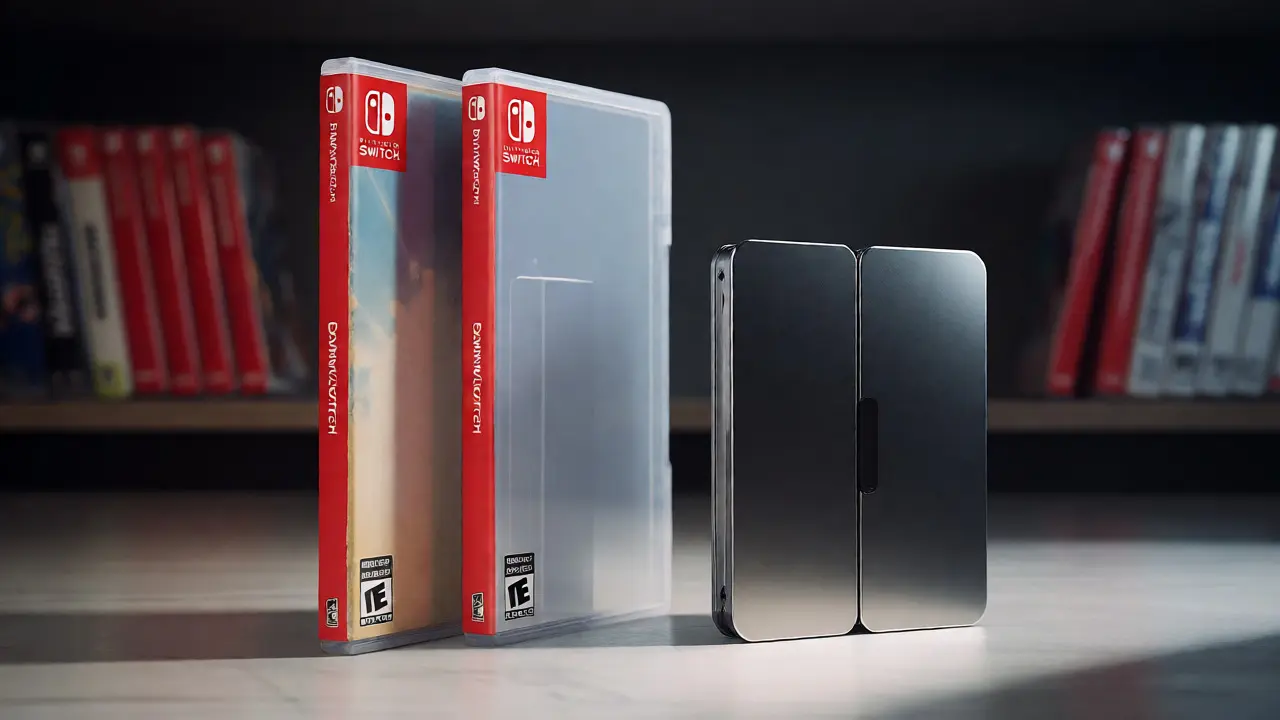
This is the biggest risk for modern collectors. If a game goes on sale for $5 on Steam, why would anyone pay $30 for a physical copy? Digital platforms disrupt traditional valuation models.
To predict appreciation, you must assess the "Digital Discount Risk." Does the publisher regularly slash prices? Do they offer cross-buy (buy digital, get physical)? If yes, physical value is capped.
However, some genres resist digital commoditization. JRPGs, fighting games, and platformers often maintain higher physical premiums because fans prefer the tactile experience or the ability to trade. Shooters and open-world games, however, are often treated as disposable software.
Check the publisher’s history. Companies like Atlus and Limited Run Games understand the collector market. They control supply tightly and rarely discount aggressively until years later. Other publishers dump inventory quarterly. Buy from the former if you want investment potential.
The Speculator’s Checklist: Before You Buy
Ready to place a bid? Run through this checklist to avoid buying a dud.
- Is it truly limited? Verify the print run size via press releases or distributor announcements.
- Is there a dedicated community? Search for fan sites, wikis, and active forums.
- What is the digital price trend? Has it ever gone below $10? If so, physical value is weak.
- Is the hardware stable? Is the console still supported? Are repairs possible?
- Are there fakes? Some rare games have counterfeit discs. Learn the authentication markers.
Remember, most games will never appreciate. You are looking for outliers. The goal isn't to make money on every purchase; it's to build a portfolio where the winners cover the losers. Keep records of your purchase price, date, and condition. When you sell, that documentation proves your expertise and builds trust with buyers.
Do sealed video games appreciate faster than opened ones?
Generally, yes. Sealed copies command a premium, often 2-3x higher than Complete in Box (CIB) copies, especially for modern titles where opening the case is seen as diminishing rarity. However, for older games where manuals are missing, a CIB copy might outperform a sealed one if the manual is critical to the gameplay experience.
How long does it take for a modern game to appreciate?
Typically, you need to wait 5-10 years for meaningful appreciation. The first 3 years are volatile as digital sales dominate. After the console generation ends and digital storefronts begin to close or deprecate older titles, physical scarcity kicks in. Patience is essential; flipping too early leaves money on the table.
Are digital-only games worth collecting?
Rarely. Digital games lack the scarcity factor because licenses can theoretically be re-sold infinitely. Unless a game is delisted entirely (removed from stores permanently), digital ownership doesn't create the same supply constraints as physical media. Delisting events are the exception, not the rule.
What happens if the server shuts down for an online-only game?
Value often crashes initially because the game becomes unplayable. However, if the community creates private servers or mods to restore functionality, the value can rebound and even exceed original levels. Niche MMOs and live-service games with strong modding communities sometimes see this "zombie revival" effect.
Should I buy multiple copies of a promising game?
Yes, if you plan to sell. Buying two copies allows you to keep one for personal enjoyment while selling the other. Alternatively, buying three lets you sell two to recoup costs and keep one free. This strategy mitigates risk since you're not relying solely on capital gains to justify the hobby.