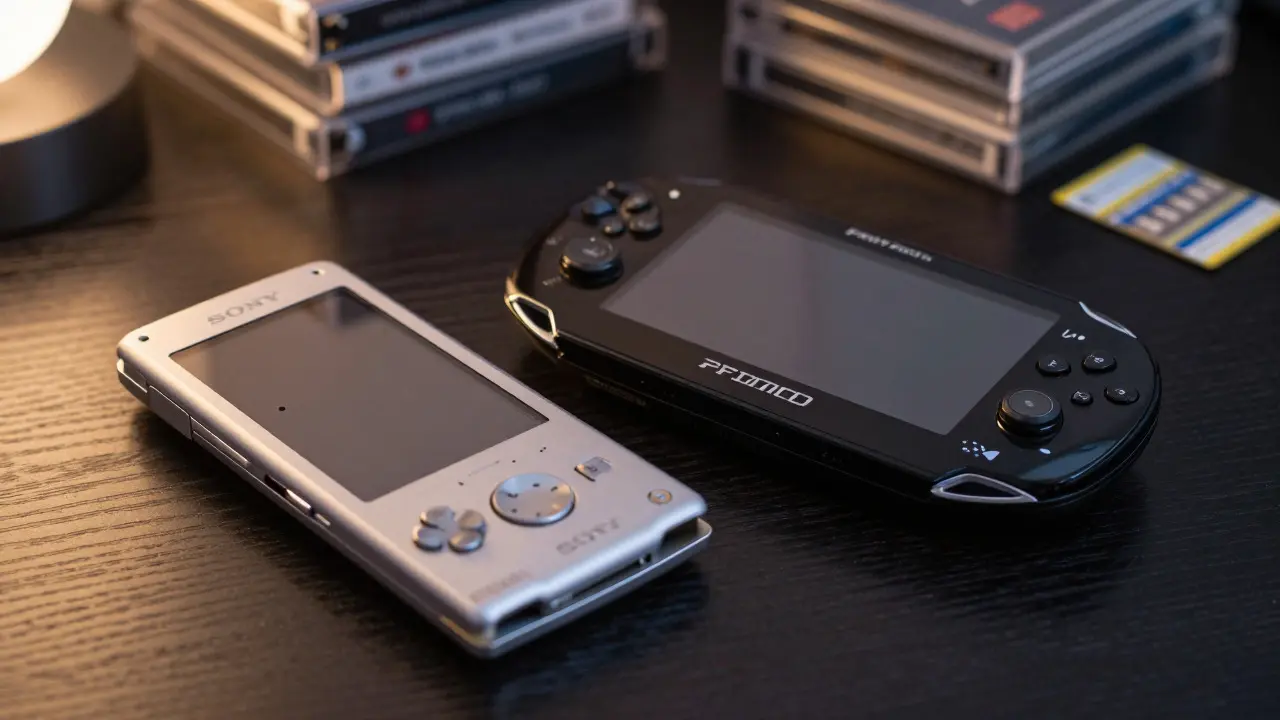
There is a specific kind of thrill that comes from finding a first-print PlayStation Portable in its original box, complete with the battery still holding a charge. Or maybe it’s the moment you slot a pristine PS Vita card into a PCH-1000 model and hear that distinct click. Whether you are chasing the elusive Japanese exclusives or simply trying to preserve the hardware before it becomes unrepairable, collecting these handhelds requires more than just money. It requires knowledge of regional differences, storage quirks, and the subtle nuances of what makes a copy "rare" versus just "old."
Key Takeaways for New Collectors
- PSP models vary significantly in screen quality and battery life; the PSP-3000 is generally preferred over the 2000 for display fidelity.
- PS Vita has two main generations: the OLED (PCH-1000) and LCD (PCH-2000), with the OLED version being rarer and more desirable among purists.
- Memory cards are not interchangeable between PSP and PS Vita due to different formats (Memory Stick Duo vs. proprietary Vita cards).
- Importing games is legal but requires understanding region locks, which are strict on PSP but non-existent for most digital PS Vita titles.
- Physical rarity often correlates with print runs and regional exclusivity rather than age alone.
Understanding the Hardware Variants
To start collecting seriously, you need to know exactly which unit you are holding. The Sony PlayStation Portable went through three major revisions. The original PSP-1000 featured a matte screen and was the heaviest. The PSP-2000 introduced a glossy screen and improved audio, but many collectors find the screen too reflective for outdoor use. The PSP-3000 refined the design further with better color accuracy and an internal microphone. If you are buying for display purposes, the 3000 is usually the sweet spot. However, if you want the absolute closest experience to the launch era, the 1000 holds sentimental value, provided the screen hasn't yellowed or degraded.
The PlayStation Vita split is even more critical. The PCH-1000 series uses an OLED panel, which offers deep blacks and vibrant colors but is susceptible to burn-in if left static for long periods. The PCH-2000 series switched to an IPS LCD panel, which is brighter and more durable but lacks that signature contrast. For a shelf collection, the 1000 is the trophy piece. For daily emulation or playing, the 2000 might be safer. Always check the model number printed on the back of the device or inside the battery compartment to confirm which generation you have.
Memory Cards: The Hidden Bottleneck
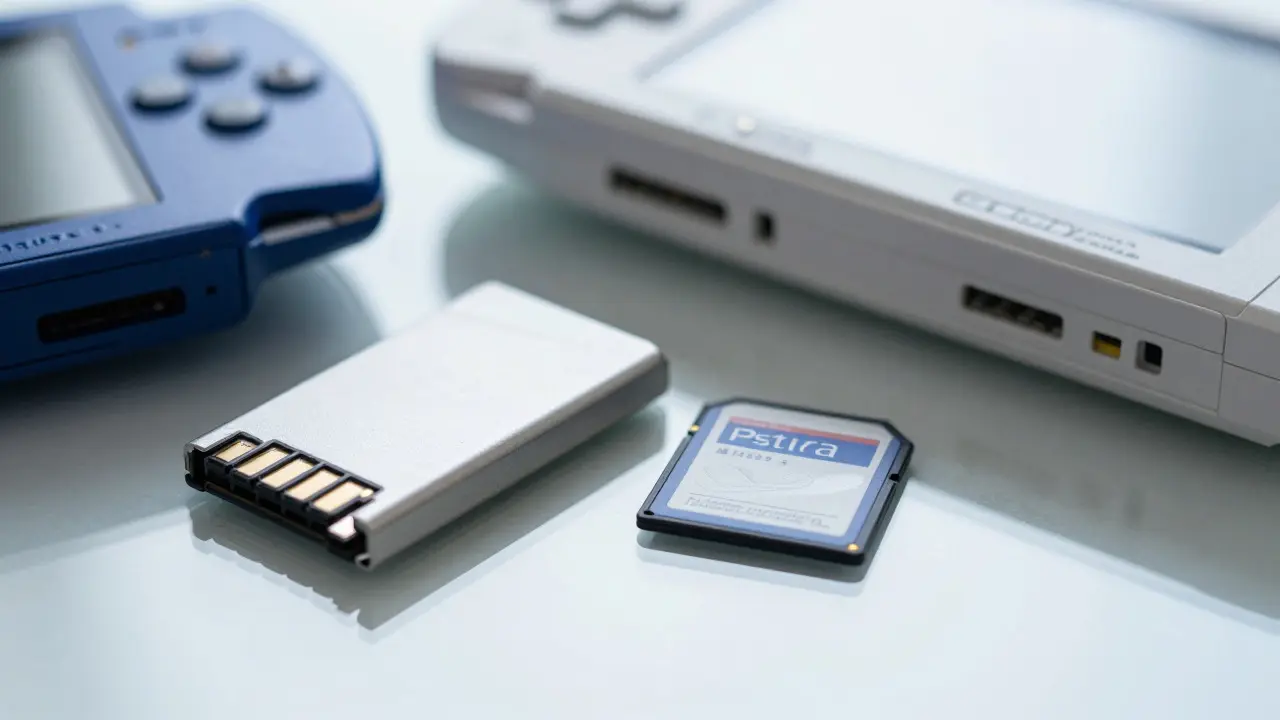
One of the biggest pain points for new collectors is storage. The PSP uses Memory Stick Pro Duo cards. These are widely available, but high-capacity versions (64GB+) can be expensive and sometimes incompatible with older firmware. If you are running custom firmware (CFW), stick to 32GB or less for maximum stability. The PS Vita, however, uses a proprietary PS Vita Memory Card. These are essentially SD cards with a unique connector. You cannot use standard SD cards without an adapter, and adapters add bulk and potential failure points. Original Sony Vita cards are becoming harder to find as production winds down, so securing a 128GB or 256GB card early is wise if you plan to store digital backups or homebrew apps.
| Feature | PSP (Memory Stick Pro Duo) | PS Vita (Proprietary Card) |
|---|---|---|
| Max Capacity | 64GB (Officially supported up to 32GB for CFW) | 256GB (Officially supported) |
| Availability | High (Generic brands common) | Moderate (Sony-branded preferred) |
| Speed Class | Not standardized, varies by brand | Class 10 recommended for smooth gameplay |
| Adapter Needed? | No | Yes, for using standard SD cards |
Navigating Physical Rarities and Grading
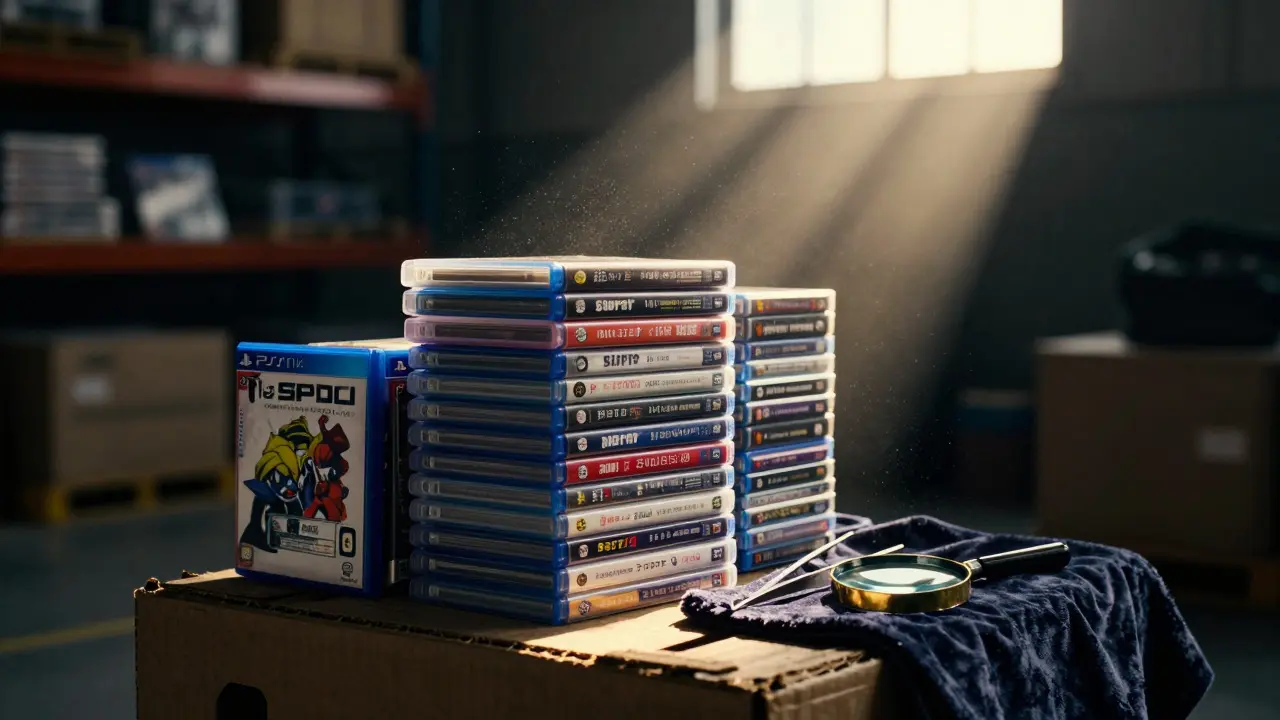
Rarity in the handheld world isn't just about how old a game is. A 2007 release in Japan might be rarer than a 2014 release in North America if the former had a limited print run. Look for "First Press" indicators, such as specific spine codes or packaging variations. For PSP, the Japanese market produced many exclusive titles that were never localized, making them prime targets for importers. When grading your collection, consider the condition of the case, the disc itself, and the manual. A disc with light scuffs can still play, but a collector-grade copy should be free of scratches. Use a lens to inspect the disc surface under bright light; even micro-scratches can affect readability over time.
For PS Vita, the shift to digital-first publishing means fewer physical copies exist for later titles. This paradoxically makes early physical releases of popular games like Journey or LittleBigPlanet PS Vita more valuable today. Check the barcode and region code on the back of the case. A Japanese-exclusive title will have a JPN code, while European imports will show PAL. Mixing regions can complicate things if you rely on online features, though offline play is generally unaffected.
Importing Games: Legalities and Logistics
Importing games is one of the most rewarding aspects of this hobby. The PSP is region-locked, meaning a Japanese disc will only work on a Japanese console (or a modded one). The PS Vita is largely region-free for physical discs, allowing you to play any region's game on any console. However, be aware of language options. Many Japanese imports do not include English text, so check the product description carefully. When ordering from overseas, factor in shipping costs and potential customs duties. In the United States, orders under $800 are generally duty-free, but always verify current regulations. Using a reputable retailer or marketplace with buyer protection is essential to avoid scams, especially when dealing with sealed copies.
Preservation Tips for Long-Term Storage
If you aren't playing your collection daily, proper storage is crucial. Keep consoles in a cool, dry place away from direct sunlight. UV rays degrade plastic and cause screens to fade. For discs, use jewel cases or hard-shell cases to prevent warping. Never stack heavy objects on top of stacked cases. For memory cards, remove them from the console if you plan to store it for months to prevent contact corrosion. Label your boxes clearly with the title, region, and condition notes. This saves you hours of digging later when you want to sell or trade a specific item.
Frequently Asked Questions
Can I use a standard SD card in a PS Vita?
No, not directly. You need an adapter that converts a standard microSD or SD card to fit the PS Vita's proprietary slot. However, using an adapter adds thickness and may interfere with the card door closing properly. Original Sony PS Vita memory cards are the safest option for reliability.
Which PSP model is best for collecting?
The PSP-3000 is generally considered the best balance of visual quality and durability. The PSP-1000 is rarer but has a matte screen that can degrade. The PSP-2000 is lighter but has a very reflective screen. Choose based on whether you prioritize aesthetics (1000) or usability (3000).
Are PS Vita games region-locked?
Most physical PS Vita games are region-free, meaning you can play a Japanese disc on a US console. However, some titles with online components or specific licensing restrictions may enforce region locks. Always check the game's specific details before importing.
How do I clean a dirty PSP or PS Vita screen?
Use a microfiber cloth dampened with distilled water or a specialized screen cleaner. Avoid alcohol-based cleaners on OLED screens (PCH-1000) as they can damage the coating. Turn off the device and let it cool down before cleaning to prevent condensation.
Is it worth buying used PSP/PS Vita units?
Yes, but inspect carefully. Check the buttons for stick drift, test the Wi-Fi connectivity, and ensure the battery holds a charge. Used units are significantly cheaper than new ones, but you assume the risk of wear and tear. Buying from a trusted seller who provides photos of the actual unit is key.