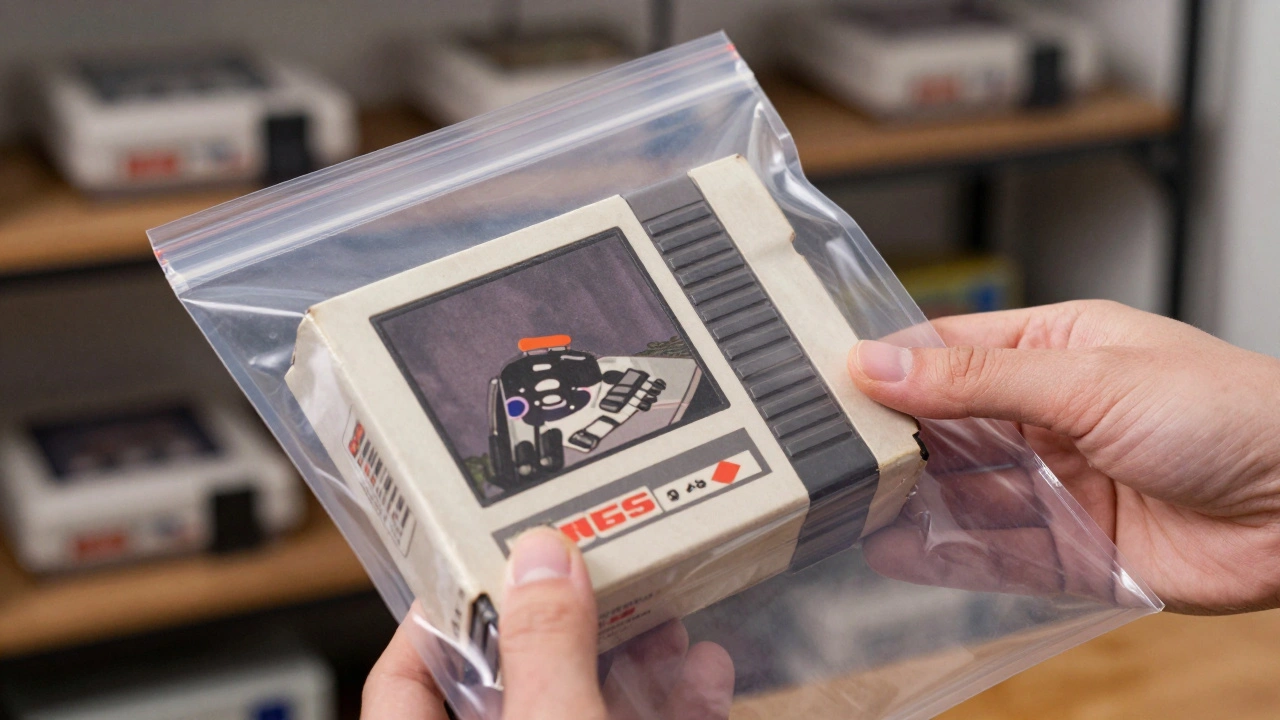
Your childhood gaming collection is more than just a set of discs and cartridges; for many, it's a financial asset and a piece of nostalgia. But if you've ever looked at a cardboard NES box or a fragile PS1 case, you know how easily they succumb to "shelf wear." A single accidental brush against another box can cause a crease or a surface scratch that instantly drops the value of a rare title. That's where resealable poly bags is a transparent plastic protective sleeve designed to shield video game packaging from environmental damage and physical wear comes into play. These aren't just basic sandwich bags; they are a professional standard in the preservation community, especially in Japan's high-end second-hand markets, to keep box art in mint condition.
Why Resealable is Better Than Standard Sleeves
If you're choosing between a standard open-ended sleeve and a resealable version, go for the resealable every time. The core difference is the adhesive strip or flap mechanism on the edge. In a standard polybag, you either leave the top open-inviting dust and moisture-or you seal it with tape, which risks leaving sticky residue on your precious boxes when you finally decide to take the game out.
Resealable bags allow you to open and close the protector multiple times without damaging the bag or the box. This is a huge win for collectors who like to periodically examine their games or move them between displays. You get a clean, professional look without the clutter of tape, and the seal keeps out the tiny particles of dirt that can act like sandpaper against a glossy game cover over several years.
Choosing the Right Size for Your Collection
One size definitely does not fit all in gaming. If you pick a bag that's too tight, you risk putting pressure on the corners of the box, which can actually cause the very damage you're trying to prevent. If it's too loose, the box slides around, and the bag looks sloppy on the shelf.
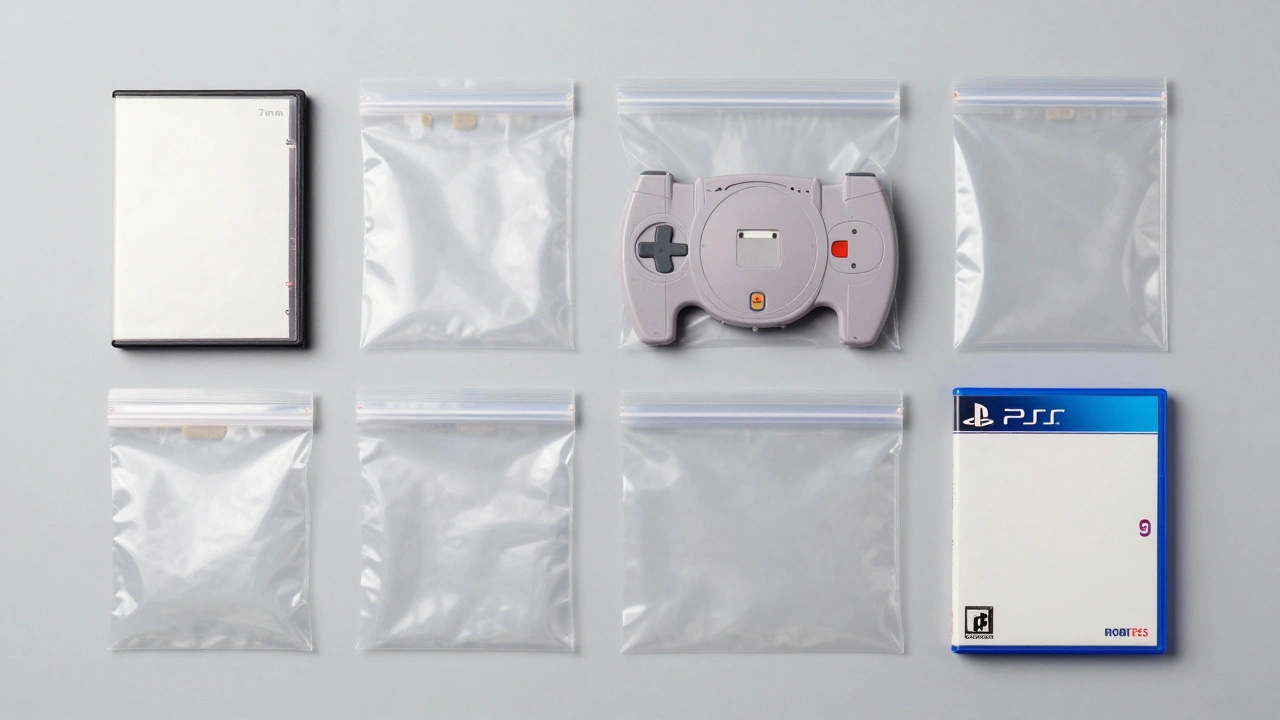
For those with a variety of games, look for oblong-shaped bags. These are more versatile because they allow you to turn the item on its side, making it easier to fit different formats. If you're dealing with slimline 7mm cases and the games are unsealed, a tight standard case fit is perfect. However, if you have Sealed Games (factory sealed), avoid those tight fits. Instead, opt for DVD wrap-style polybags. These provide a comfortable 5mm gap on the side, ensuring the factory shrink-wrap isn't compressed.
| Case Type | Recommended Bag Style | Fit Gap/Note |
|---|---|---|
| Slimline 7mm (Unsealed) | Standard Case Fit | Perfect/Tight Fit |
| Sealed Game Boxes | DVD Wrap-style | 5mm Gap (Prevents compression) |
| Double-sized PS1 Cases | DVD Wrap-style | 3-4mm Gap (Excellent fit) |
The Technical Side: Microns and Material
Not all plastic is created equal. If you buy the cheapest bags available, you'll likely notice a "matte" or dulling effect. This happens because lower-quality plastics diffuse light rather than letting it pass through cleanly. For a high-end display, you want a material that uses PET plastic or a similar high-clarity formulation. This ensures the colors of the original box art pop and aren't muted by a foggy film.
Then there is the thickness, measured in microns. This is where a lot of beginners make a mistake by buying thin "office supply" bags. For serious preservation, the gold standard is a minimum of 25 microns. Anything thinner lacks the structural integrity to protect against crushed corners or accidental impacts. A 25-micron barrier provides the necessary rigidity to keep the box shape intact while still remaining flexible enough to wrap around the edges.
How to Properly Bag Your Games
It seems simple, but a few wrong moves can leave a permanent mark on your collection. Follow these steps to ensure a professional result:
- Clean the Box: Before bagging, use a dry, microfiber cloth to remove any surface dust. If you trap dust inside the bag, it can rub against the cardboard every time you move the game.
- Slide Gently: Never force a box into a bag. If you feel resistance, stop. Forcing a box into a too-small sleeve is a fast track to split seams or bent corners.
- Align the Edges: Ensure the box is centered. If it's skewed, the bag will bunch up, creating unsightly folds that distract from the artwork.
- Seal the Flap: Press the adhesive strip firmly, but avoid over-stretching the plastic, which can warp the clarity of the bag.
Long-Term Storage and Display Tips
Once your games are bagged, where you put them matters. While poly bags protect against dust and scratches, they aren't a magic shield against extreme humidity or direct sunlight. UV rays can bleach the ink on a game cover even through a plastic sleeve. Keep your bagged collection in a cool, dry place away from windows.
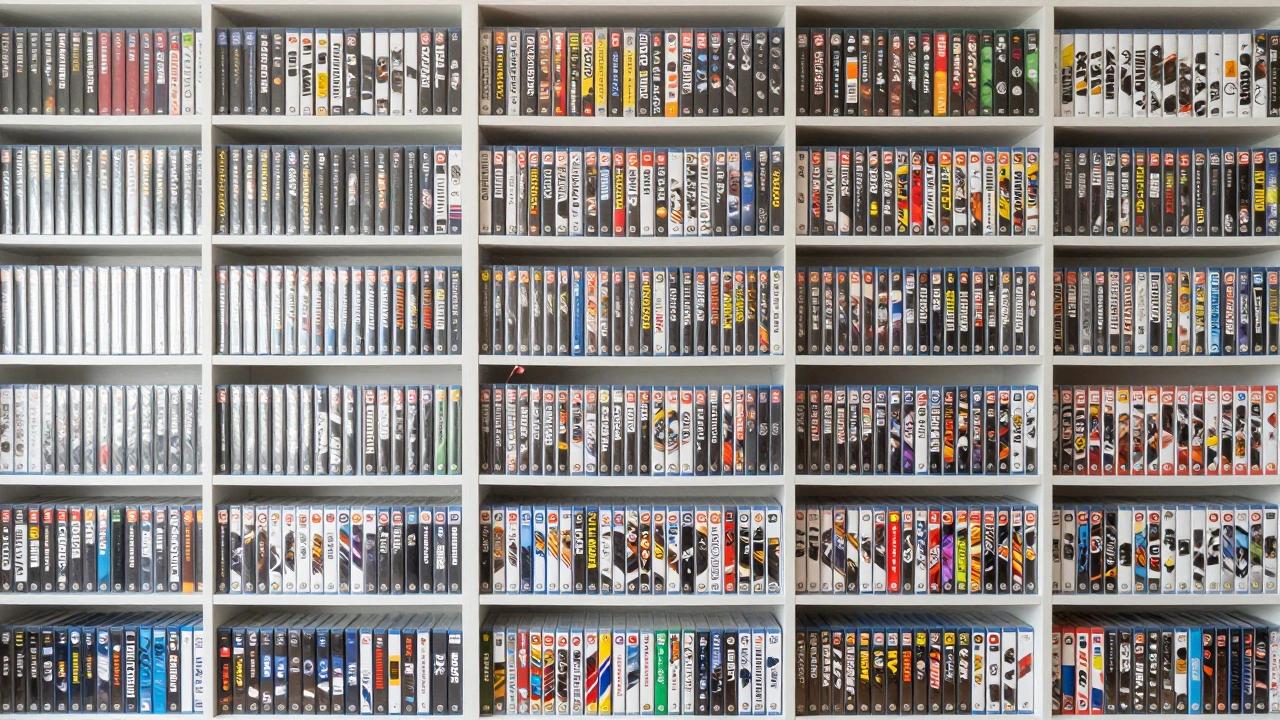
For those who enjoy the "wall of games" look, these bags are a lifesaver. They prevent the "rubbing" that occurs when you slide a game out of a tight shelf. Instead of the cardboard sliding against cardboard, you have a smooth plastic-on-plastic interaction, which preserves the sharp edges of the boxes for decades.
Will poly bags cause the game boxes to sweat or mold?
As long as you aren't bagging games in an extremely humid environment or sealing them immediately after they've been in a cold car (which causes condensation), poly bags are safe. Just ensure your storage area is dry and well-ventilated.
Can I use these for cardboard cartridge boxes like NES games?
Yes, absolutely. In fact, they are most critical for cardboard boxes, which are far more prone to crushing and edge wear than plastic cases. Just ensure you use the oblong style to accommodate the different depths of those boxes.
Are these bags archival safe?
High-quality PET plastic bags are generally stable, but always check for "acid-free" or "archival grade" labels if you are preserving a museum-quality piece. Standard poly bags are great for 99% of collectors, but archival plastics are the gold standard for multi-decade storage.
How do I remove a game without ripping the bag?
That's the benefit of the resealable strip! Simply peel back the adhesive tab slowly. If the bag is a tight fit, gently wiggle the box from the bottom rather than pulling from the top to avoid stressing the plastic.
Why do my bags look foggy compared to others?
You likely have a lower-grade plastic formulation or a thicker bag that lacks high-clarity PET. Cheaper bags often have a matte finish that diffuses light, which makes the box art look dull.
Next Steps for Your Collection
If you've just started protecting your games, the next logical step is to audit your storage environment. Check for UV protection on your shelves and consider using acid-free dividers if you store your games in bins. For those with extremely high-value items, you might want to look into hard plastic "clamshell" cases for added crush protection, using the poly bags as an internal layer to prevent the hard plastic from scratching the original box.