
Selling a rare copy of EarthBound or a bulk lot of PS2 classics is one thing, but managing those listings across five different platforms is a full-time job. If you're manually copying and pasting titles, descriptions, and photos from eBay to Mercari or Facebook Marketplace, you're leaving money on the table and wasting hours of your life. The goal is simple: get your games in front of as many buyers as possible without spending your entire weekend on data entry.
The reality is that cross-listing tools can either be a massive growth engine or a monthly subscription drain, depending on how much inventory you actually move. For a high-volume flipper, these tools are non-negotiable. For a casual collector selling a few gems, the math might not add up. Let's break down how to actually use these tools to scale a video game business in 2026.
| Focus Area | The Bottom Line |
|---|---|
| Best Value | Ideal for sellers with 50+ active listings. |
| Biggest Risk | Overselling unique/graded items (Double-selling). |
| Top Benefit | Massive increase in eyeballs on rare titles. |
| Budget Warning | Small inventories may not recoup subscription costs. |
The Heavy Hitters: Which Tool Actually Works?
Not all cross-listing software is built the same. Some are essentially "copy-paste" assistants, while others are deep integrations that talk directly to the marketplace servers. When you're dealing with video games-where condition, region, and version (like PAL vs NTSC) are critical-you need a tool that doesn't mangle your data.
Voolist is a comprehensive cross-listing platform known for its wide integration range, supporting over 12 different marketplaces. It's particularly strong for those who want a tiered pricing model, starting around $29/month and scaling up to $249/month for power users who need AI assistance to write descriptions for hundreds of retro games.
Vendoo is a user-friendly dashboard that specializes in streamlining the listing process and consolidating offers. If you hate logging into six different apps to check for offers on a GameCube game, Vendoo’s consolidated interface is a lifesaver, though some find the pricing a bit steep for what it offers.
List Perfectly remains a staple for high-volume sellers who need precision and speed, while Crosslist has gained traction as a modern, sleek alternative with a focus on automation and a cleaner user experience.
If you're completely overwhelmed and don't want to manage the software yourself, Flyp takes a different route. Instead of giving you a tool, they connect you with professional resellers who handle the actual listing and selling for you. It's more of a managed service than a software tool, which is great if you have a massive library but zero time.
The Pros: Why Bother Cross-Listing?
Why not just stick to eBay? Because different buyers hang out in different places. Serious collectors might haunt specialized forums or eBay, while casual buyers looking for a cheap Wii game are scrolling through Facebook Marketplace or Mercari. By listing everywhere, you aren't just hoping for a sale; you're casting a wider net.
- Multiply Your Reach: You instantly move from one pool of buyers to five or ten. This is especially helpful for niche titles that might only have a handful of interested buyers globally.
- Kill the Manual Labor: Creating a listing for a game involves taking 5-10 photos, writing the condition, and setting the price. Doing that once is fine; doing it six times is a nightmare. Automation turns hours of work into a few clicks.
- Professional Consistency: Using templates ensures that every listing-whether on Depop or eBay-has the same professional tone and clear shipping policies. This builds trust with buyers who are wary of scams in the gaming world.
- Faster Turnaround: The more places a game is listed, the faster it usually sells. This increases your cash flow, allowing you to reinvest in more inventory.

The Cons: The Hidden Traps
It sounds like a magic bullet, but there are real downsides, especially for the "hobbyist" seller. The biggest issue is the Return on Investment (ROI). If you only have 30 games in stock, paying $30 to $60 a month for a tool is a huge hit to your margins. If the tool only increases your sales by 20%, you might actually be losing money compared to just doing it manually.
Then there's the "Double-Sell Nightmare." Imagine you sell a graded copy of Pokémon Red on eBay. A few minutes later, someone buys it on Mercari before you can delete the listing. Now you have to cancel an order, apologize to a disappointed customer, and potentially take a hit to your seller rating. This happens most often with tools that rely on browser extensions rather than real-time API syncing.
| Feature | Voolist | Vendoo | Flyp | Crosslist |
|---|---|---|---|---|
| Integration Depth | Very High (12+) | High | Managed Service | Medium/High |
| Sync Speed | Real-time | Extension-based | Human-managed | Fast |
| Best For | Scale & AI | Ease of Use | Hands-off | UX & Automation |
| Pricing Model | Tiered | Subscription | Commission/Fee | Subscription |
The Ideal Workflow for Video Game Sellers
If you want to make this work without losing your mind, you need a system. You can't just wing it. Here is a proven workflow for managing a gaming inventory across multiple channels.
- The Master Listing: Start by creating a "Gold Standard" listing in your cross-listing tool. This should include high-res photos of the front, back, and the actual game cartridges/discs. Be incredibly specific about the condition (e.g., "Disk has light surface scratches but plays perfectly").
- Template Application: Use the tool's template system to push that listing to your primary marketplaces (eBay, Mercari, etc.). Adjust the price slightly based on the platform's fee structure.
- The Sync Check: Ensure your tool is set to real-time inventory synchronization. For game sellers, this is the most important setting. The moment a sale is detected, the tool should automatically mark the item as "Sold" across all other platforms.
- Offer Management: Once a week, use a consolidated dashboard (like Vendoo's) to send out competitive offers to watchers across all platforms. This triggers a surge in activity and helps clear out slower-moving stock.
- Audit and Pivot: Every month, check your analytics. If you notice that 90% of your games sell on eBay and almost none on Depop, stop wasting your time (and potential fees) listing there.
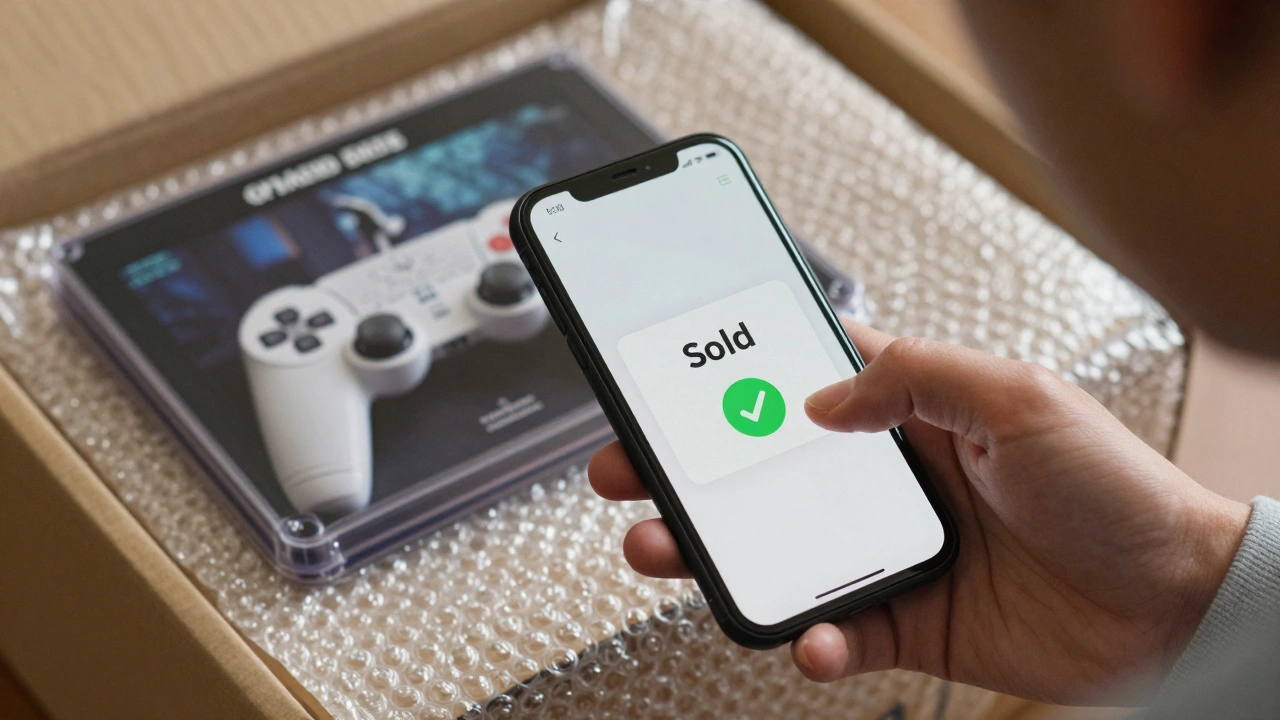
Avoiding the "Overselling" Trap
In the world of collectibles, one-of-a-kind items are the norm. You don't have a warehouse of identical items; you have one specific copy of a game. This makes inventory synchronization a critical failure point.
Be wary of tools that only use a browser extension. These often have a "lag time" where they only sync when you actually have the tab open or the extension active. For a high-value item, a 10-minute delay is enough for two different people to hit "Buy It Now." To prevent this, look for tools that utilize direct API integrations. These tools communicate with the marketplace in the background, meaning the listing is pulled the second a payment is processed, regardless of whether your computer is on.
Are these tools worth it for small sellers with under 50 games?
Honestly, probably not. If you're paying $30/month but only selling a few games, the subscription fee will eat your profits. For small inventories, manual listing across two high-traffic platforms (like eBay and Mercari) is usually the more profitable route until you scale up.
Do these tools work with specialized retro gaming sites?
Most current tools focus on major e-commerce giants like eBay, Etsy, and Poshmark. Specialized gaming marketplaces often require manual listing or have their own unique APIs that general cross-listing tools haven't integrated yet. Always check the integration list before paying for a subscription.
How do I handle different pricing across platforms?
Different platforms have different fee structures. Use your tool's pricing templates to set a base price and then add a percentage increase for platforms with higher fees. This ensures your take-home profit remains the same regardless of where the game sells.
Can I use AI to write my game descriptions?
Yes, tools like Voolist offer AI integration. However, be careful. AI tends to use generic phrases. For game collectors, specific details like "original manual included" or "no screen rot" are what actually sell the item. Use AI for the structure, but manually add the critical condition details.
What is the fastest way to get started?
The fastest path is: 1. Pick a tool based on your volume. 2. Connect your primary accounts. 3. Import your existing eBay listings (most tools allow this). 4. Push those imports to your second and third platforms. This allows you to go from one platform to three in a single afternoon.
Next Steps for Your Business
If you're just starting out, don't jump into the most expensive plan. Start with a tool that offers a free trial or a basic tier. Focus on two platforms first-eBay for the global reach and a local platform like Facebook Marketplace for the easy pick-ups. Once you've mastered that workflow and your inventory exceeds 100 items, that's when the automation of a pro tool becomes a necessity rather than a luxury.
If you find that you're still spending too much time on the "business" side and not enough on the "hunting" side (finding new games to flip), it might be time to look into managed services like Flyp. Letting someone else handle the logistics can be the difference between a stressful side-hustle and a streamlined business.