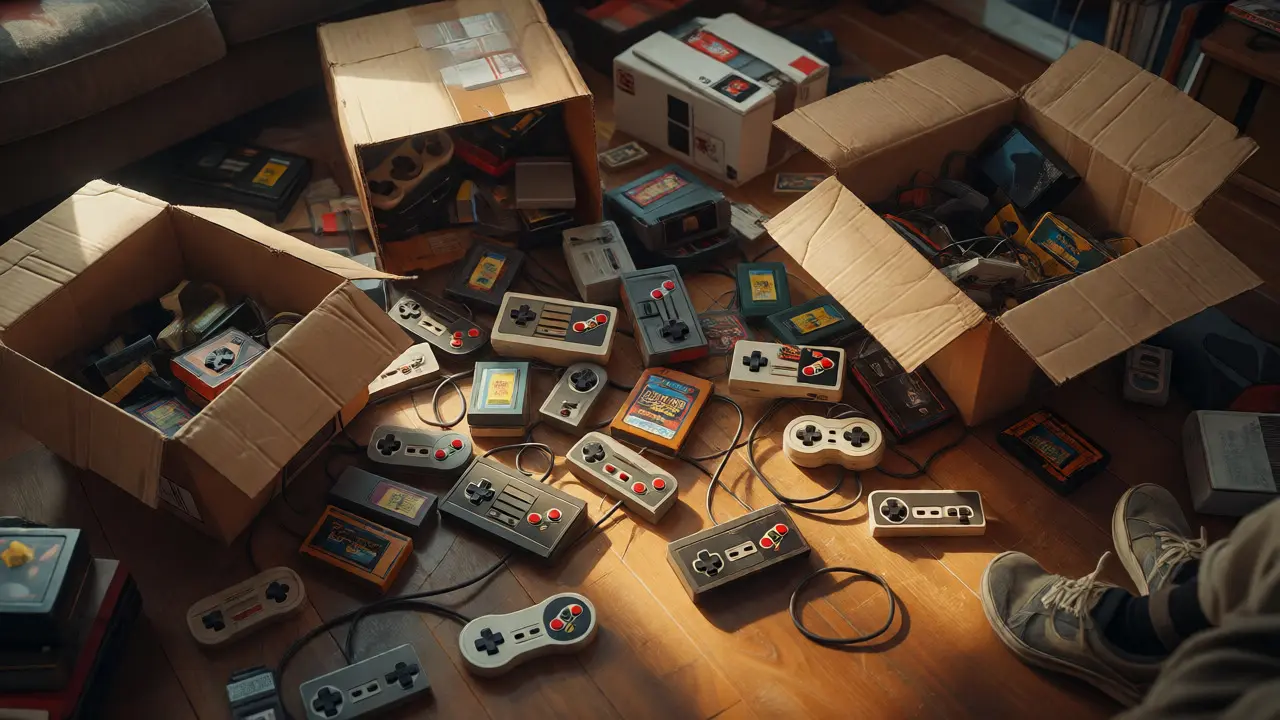
You just walked out of the convention center. Your feet hurt, your bank account is lighter, and you’re carrying three heavy boxes of cartridges, consoles, and loose controllers. It feels like a victory lap until you get home, dump everything on your living room floor, and realize you have no idea what half of it is worth or where it even goes. This is the "post-expo hangover," and if you don’t handle it right within 48 hours, you’ll end up with a pile of regret rather than a profitable collection.
The core challenge isn't buying; it's inventory management. Most attendees treat an expo as a shopping spree, but for collectors and resellers, it’s a sourcing event. The difference between turning a profit and drowning in clutter happens in how you process your haul. You need a system that separates the winners from the duds before the excitement fades and the reality of storage space sets in.
Sort by Urgency, Not Just Value
When you dump those boxes out, resist the urge to start grading every single card or checking eBay sold listings immediately. That’s a trap. Instead, sort your items into three distinct piles based on liquidity and condition risk.
- The Hot Sellers: These are sealed modern titles, rare limited editions, or high-demand retro hardware (like a clean Nintendo 64 console) that will sell fast. If you’re flipping, these go straight to your listing queue.
- The Condition Risks: Loose cartridges with dirty contacts, scratched discs, or controllers with stick drift. These need immediate cleaning or repair assessment because their value drops the longer they sit in poor shape.
- The Long Haul: Niche items, lower-value bulk lots, or personal keepsakes. These can wait. Put them in a box labeled "Process Later" so they don’t distract you from the money-making tasks.
This triage method stops decision fatigue. You aren’t trying to solve the entire problem at once; you’re just identifying what needs attention today versus next month.
Mastering the Art of Accurate Pricing
Pricing is where most people bleed money. They look at the highest asking price on eBay and assume that’s the market value. Wrong. Asking prices are wishful thinking; sold listings represent actual market data. But even sold listings can be misleading if you don’t adjust for context.
Here’s the rule of thumb I use when evaluating items from events like PAX West or local swap meets:
| Factor | Impact on Price | Action Required |
|---|---|---|
| Condition | -10% to -50% | Clean thoroughly. Photograph flaws honestly. A "Good" item sells faster than a mint item priced too high. |
| Completeness | +20% to +100% | If it has the box and manual, verify authenticity. Missing manuals drop value significantly for collectors. |
| Location | Variable | Shipping costs matter. Local pickup might net you more cash than online sales after fees and shipping. |
| Timing | High Volatility | Sell hype-driven items within 2 weeks. Sell stable retro items whenever you want. |
Don’t forget platform fees. If you list a $20 game on eBay, you’re keeping maybe $17 after fees and shipping supplies. If you sell it locally via Facebook Marketplace, you keep the $20. Sometimes, the convenience of not packing a box is worth taking a slightly lower price. Calculate your net profit, not just the gross sale price.
Cleaning and Restoration: Do It Now
Video games picked up at expos often come from basements, attics, or other people’s messy collections. Dust, grime, and oxidized battery leaks are common enemies. Cleaning isn’t just about aesthetics; it’s about preserving value.
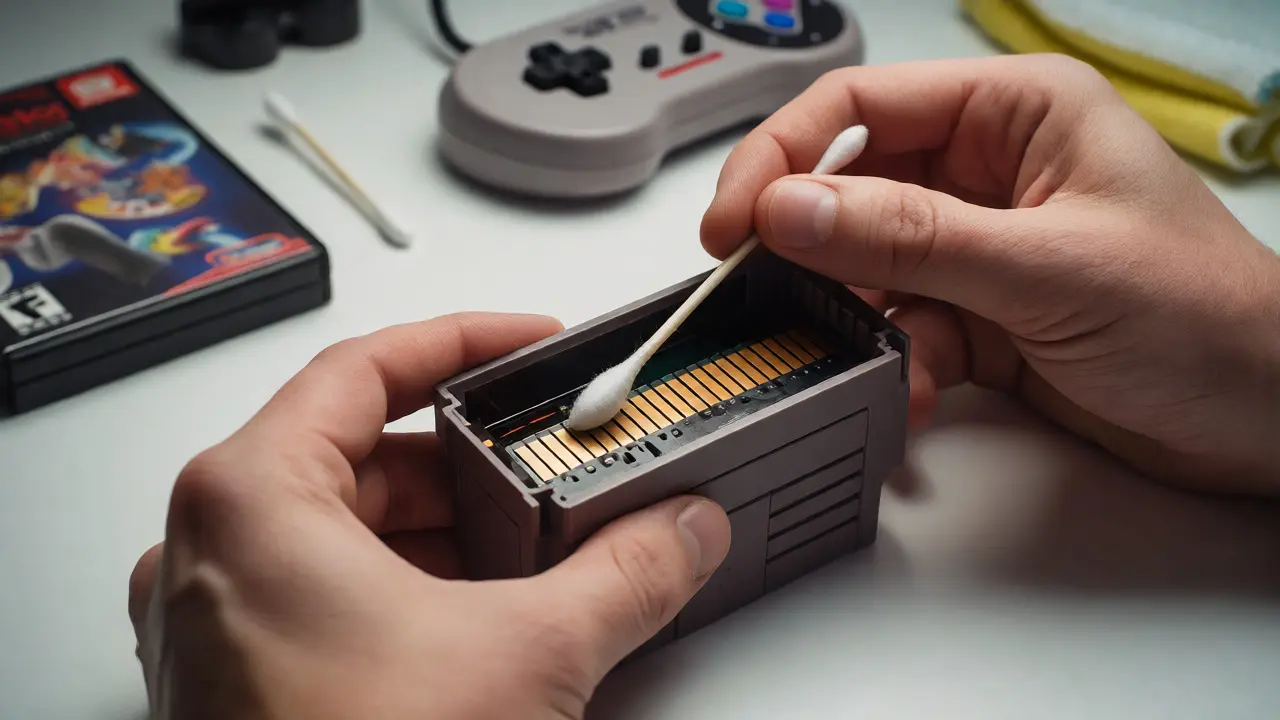
For cartridge-based systems like the NES, SNES, or Sega Genesis, open the case and check the battery. If it’s leaking, remove it immediately. Corrosion eats through PCBs over time. Use isopropyl alcohol (90%+) and a Q-tip to clean the contacts. For disc-based systems, inspect for scratches. Light scuffs can sometimes be buffed out, but deep gouges mean the game might skip. Disclose this upfront. Buyers appreciate honesty, and hiding defects leads to returns, which cost you double in shipping.
Controllers are tricky. Stick drift is a known issue with PlayStation DualShock 4 and Xbox One controllers. Test every button and analog stick before listing. If it drifts, either fix it (if you have the skills) or list it as "for parts/repair." Selling a broken controller as "working" is a quick way to ruin your seller rating.
Leveraging Digital Tools for Inventory Tracking
If you bought more than ten items, stop using your brain to track them. Memory is unreliable. Use a spreadsheet or a dedicated app. I prefer a simple Google Sheet because it’s accessible from my phone while I’m packing orders.
Your columns should include:
- Item Name: Be specific. "Super Mario Bros. 3" vs. "SMB3 NES Cart Only."
- Acquisition Cost: What you paid at the expo.
- Current Market Value: Check PriceCharting.com for a baseline.
- Target Sale Price: Your realistic selling goal.
- Status: Listed, Sold, Shipped, Returned.
- Notes: Any quirks, like "missing screw" or "sticky button."
This log helps you spot trends. Maybe you notice you consistently lose money on PS2 accessories but make great margins on Game Boy Color games. That data tells you what to hunt for at the next expo and what to ignore.
Where to Sell: Matching Item to Platform
Not all platforms are created equal. Choosing the wrong one wastes time and cuts into profits.
eBay is best for rare, high-value items where buyers are willing to pay a premium for trust and authentication. If you found a sealed copy of a rare Japanese RPG, eBay’s global reach ensures you find the buyer who wants it badly enough to pay top dollar.
Facebook Marketplace and local buy groups are king for bulky items like CRT TVs, large consoles, or bundles of 20+ games. Shipping a heavy CRT is a nightmare and expensive. Selling locally saves you that headache. Plus, you get cash instantly. No waiting for PayPal holds.
Mercari works well for mid-range vintage items, especially clothing or smaller tech. Its audience skews younger and appreciates the "vintage aesthetic," so styling your photos well can boost sales here.
Discogs is essential if you bought music soundtracks or vinyl records related to games. General marketplaces undervalue niche media. Discogs users know exactly what they want and will pay for correct pressings.

The Mental Game: Avoiding Buyer’s Remorse
Let’s be real: sometimes you buy stuff you didn’t plan on. You see a cool-looking figure or a weird peripheral, and impulse takes over. When you get home and look at that $40 plastic statue, don’t panic. Admitting you made a mistake is part of the hobby.
If you truly hate it, relist it quickly. Don’t let it sit in a corner gathering dust for six months. List it at break-even or a small loss to clear space. The mental clarity of having a tidy collection is worth more than holding out for an extra five bucks. Conversely, if you discover something valuable you overlooked, celebrate it. That dopamine hit is why we do this.
Preparing for the Next Event
Recovery isn’t just about the past; it’s about preparing for the future. Once your current inventory is sorted, listed, and stored, take ten minutes to review your expo experience.
- Did you run out of cash? Bring more small bills next time.
- Did you miss a vendor because you were busy eating? Plan your route better.
- Did you overbid on an item? Set strict limits before you walk in.
Update your wishlist for the next show. Did you find a great deal on N64 games? Maybe stock up on memory cards to bundle them. Smart sellers anticipate demand. By analyzing what sold fast and what sat, you refine your strategy. The goal isn’t just to survive the post-expo chaos; it’s to enter the next one sharper, wealthier, and ready to score bigger wins.
How soon should I list items after a video game expo?
Ideally, within 48 hours. Hype-driven items, like new releases or trending retro consoles, lose momentum quickly. Listing early captures buyers who are still searching for specific finds from the event. Stable retro items can wait a week or two for proper cleaning and photography, but don’t let them sit for months unless you’re holding for long-term appreciation.
What is the best way to determine fair pricing for used video games?
Use completed/sold listings on eBay as your primary benchmark, not active asks. Adjust for condition: deduct 10-20% for missing manuals or boxes, and more for functional issues. Factor in shipping costs and platform fees (usually 10-15%). For local sales, aim for 80-90% of the online sold price to account for the convenience of immediate pickup and cash payment.
Should I clean video games myself before selling?
Yes, basic cleaning increases perceived value and sale speed. Clean cartridge contacts with isopropyl alcohol and cotton swabs. Wipe down consoles and controllers with microfiber cloths. However, avoid aggressive restoration methods like polishing lenses or replacing internal components unless you are experienced. Poor DIY repairs can decrease value more than original dirt does. Always disclose any pre-existing damage.
Which platform is best for selling bulk video game lots?
Facebook Marketplace is excellent for bulk lots because shipping many individual games is costly and complex. Local buyers prefer picking up a box of 20 games for a flat fee. eBay can work if you create a compelling lot listing with good photos, but competition is higher. For very large quantities, consider selling to a local retro game store or pawn shop, though you’ll receive below-market rates.
How do I handle items that don’t sell after a few weeks?
Review your pricing and photos first. Are the images clear? Is the title optimized with keywords? If those are good, lower the price by 10-15%. If it still doesn’t move, consider bundling it with a popular item or offering free shipping. Sometimes, moving stagnant inventory is worth taking a slight loss to free up capital and space for new acquisitions.