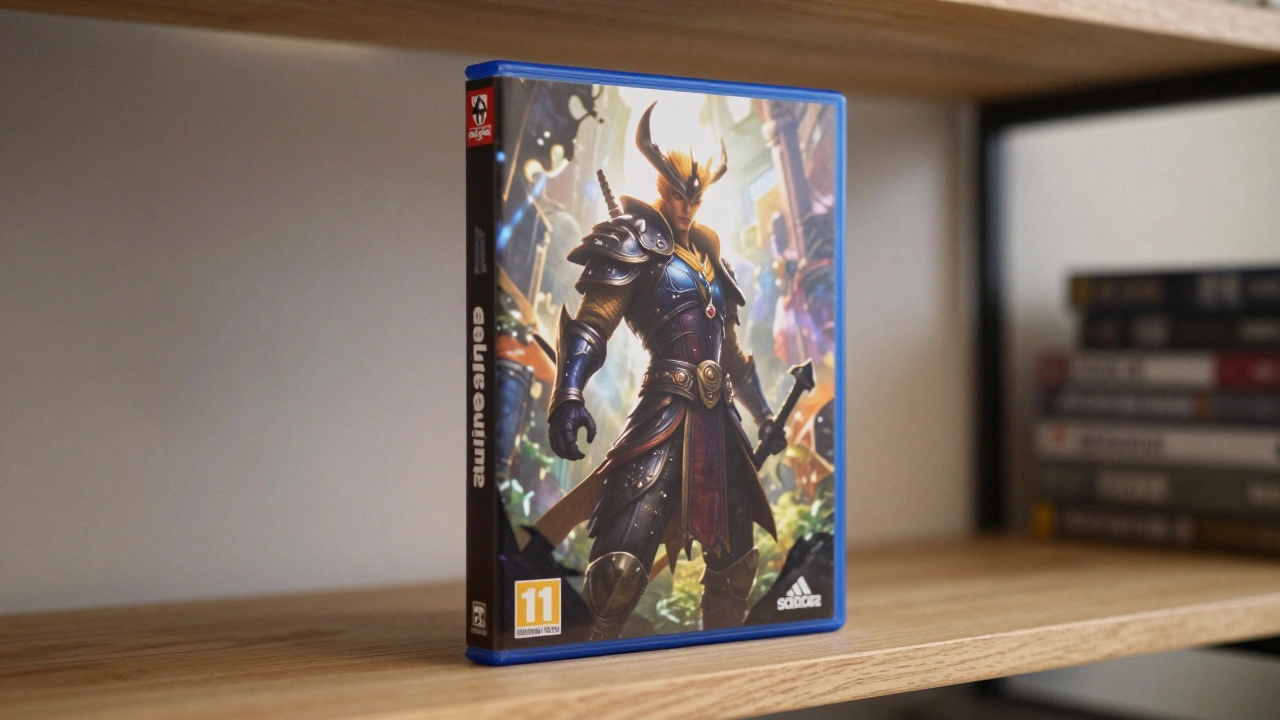
That massive collector’s edition box sitting on your shelf is a trophy. It holds the art book, the statue, and the steelbook you waited months for. But if you look closely at the corners of your older boxes, you might see dents. The edges are softening. The vibrant cover art is fading under the sun. Oversized collector’s edition video game boxes are fragile giants. They are made of cardboard, printed paper, and sometimes plastic inserts that degrade quickly in the wrong environment.
You don’t need a museum-grade vault to keep them safe. You just need a strategy. Storing these large items requires balancing protection from physical damage with protection from environmental hazards like humidity and heat. If you treat them like standard DVD cases, they will break. If you treat them like fine art, they last forever.
The Enemies of Your Collection
Before buying any supplies, you need to know what you are fighting against. Cardboard is hygroscopic, meaning it absorbs moisture from the air. This causes warping. Heat accelerates the breakdown of the glue holding the box together. Light fades the ink. And simple gravity crushes the corners when boxes are stacked improperly.
What are the biggest risks to collector's edition boxes?
The four main enemies are humidity (causing mold and warping), direct sunlight (fading ink), extreme temperatures (weakening glue and cardboard), and physical pressure (crushing corners and edges).
Most homes have spots that are terrible for storage. Attics get too hot in summer, often exceeding 40°C (104°F). Basements can be damp, with humidity levels spiking above 70%, which invites mold growth. Garages experience rapid temperature swings. Avoid these areas entirely. Aim for a climate-controlled room where the temperature stays between 18-24°C (64-75°F) and relative humidity hovers around 40-60%. This range keeps cardboard stable and prevents mold without making the material brittle.
Layered Protection: From Inside Out
Protection works best in layers. Think of it like an onion. The innermost layer protects the contents inside the box. The middle layer protects the box itself. The outer layer protects the entire package from dust and pests.
Step 1: Secure the Interior
If you keep the extras-art books, statues, CDs-inside the box, they shift around. Every time you move the box, those heavy items bang against the interior walls. This causes internal bruising and eventual external bulging. Use acid-free tissue paper or archival foam to fill empty spaces. Wrap individual items like steelbooks in bubble wrap before placing them back. Do not overfill the box; if the lid won't close easily, you are stressing the seams. A good rule of thumb is to leave about 5% of the volume empty to allow for slight expansion.
Step 2: Sleeve the Box
This is non-negotiable for serious collectors. You need a clear plastic protector. Standard polyethylene terephthalate (PET) sleeves are ideal because they are inert and won't off-gas chemicals that damage ink over time. Avoid cheap PVC sleeves, which can become sticky and yellow as they age. For oversized boxes, you may need custom-sized protectors since standard sizes only fit Nintendo or PlayStation standard cases. Measure your box height, width, and depth precisely. A tight fit prevents dust accumulation inside the sleeve but shouldn't be so tight that it creases the box corners during insertion.
Step 3: The Outer Container
Once sleeved, place the box in an outer container. You have two main choices:
- Archival Cardboard Banker Boxes: These are breathable and prevent moisture trapping. Look for "acid-free" or "archival quality" labels. They are great for short-to-medium term storage but offer no water resistance.
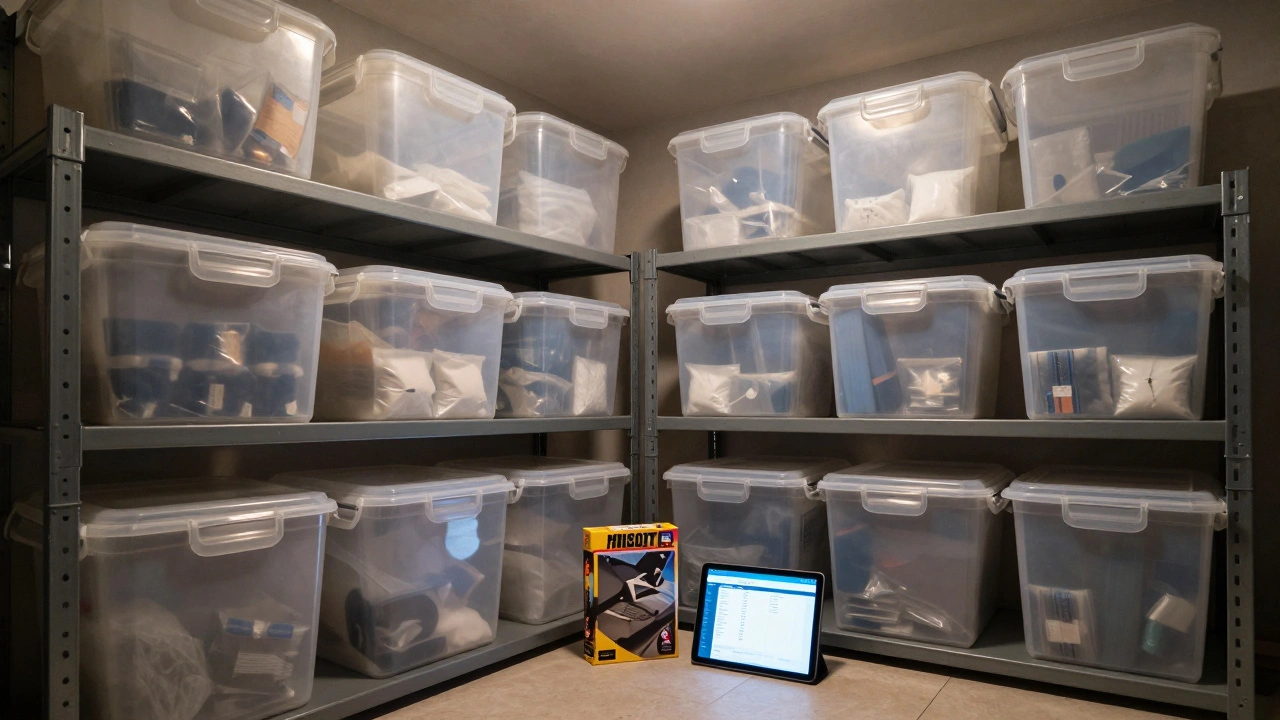
- Polypropylene (PP) Totes: Clear plastic bins with gasketed lids are superior for long-term storage. They block dust, pests, and minor spills. However, plastic traps humidity. To fix this, add silica gel desiccant packets (about 10-30g per tote) to absorb excess moisture. Check the packets annually and replace them if they change color.
Shelving vs. Stacking: The Physics of Storage
How you position the boxes matters more than you think. Many people stack large boxes flat, one on top of another. This is dangerous. The bottom box bears the weight of all the boxes above it. Over time, this constant pressure creates permanent indentations on the spine and corners. Even a few kilograms of weight can deform corrugated cardboard after a year.
Instead, store boxes upright, like books on a shelf. This distributes the weight along the spine, which is structurally stronger. If you must stack them, limit the stack to two or three boxes maximum, and ensure the bottom box is the sturdiest one. Never stack a lightweight collector’s edition under a heavy metal statue or a dense art book.
| Method | Pros | Cons | Best For |
|---|---|---|---|
| Upright Shelving | Zero crushing risk; easy access | Takes up horizontal space | Daily display; high-value items |
| Flat Stacking | Saves floor space | High risk of corner damage | Temporary storage only |
| Plastic Totes | Dust/pest proof; durable | Requires desiccants; hard to see contents | Long-term archival; basements/closets |
Displaying Without Destroying
Many collectors want to show off their hauls. Displaying oversized boxes is possible, but you must manage light and spacing. Direct sunlight is the fastest way to fade cover art. UV rays break down the chemical bonds in ink. Keep displayed boxes away from windows or use curtains/blinds to block direct beams. Ambient indoor lighting is generally safe, but avoid halogen bulbs that emit significant heat.
When arranging shelves, leave gaps. Crowding boxes together leads to abrasion. When you pull one box out, its neighbors rub against each other, wearing down the edges. Leave at least 0.5 inches (1.3 cm) of space between each box. Also, be careful with decorative items placed in front of the boxes. Heavy statues or figures can tip over and knock boxes off the shelf. If you place figures in front, secure them or keep them lightweight.
Use adjustable shelving units. IKEA Billy bookcases are popular among collectors because they are sturdy and allow you to move shelves to accommodate different box heights. Ensure the shelf depth is sufficient. Shallow shelves cause boxes to tilt forward, putting stress on the bottom edge. Deep shelves (12+ inches) provide stability.
Handling Irregular Shapes
Some collector’s editions come in weird shapes-helmets, busts, or dioramas. These are nightmares for storage. The key principle here is separation. Display the statue or helmet. Store the original packaging separately. Flattening these boxes saves space but destroys their collector value. Creases in litho-printed surfaces are permanent and significantly reduce resale price.
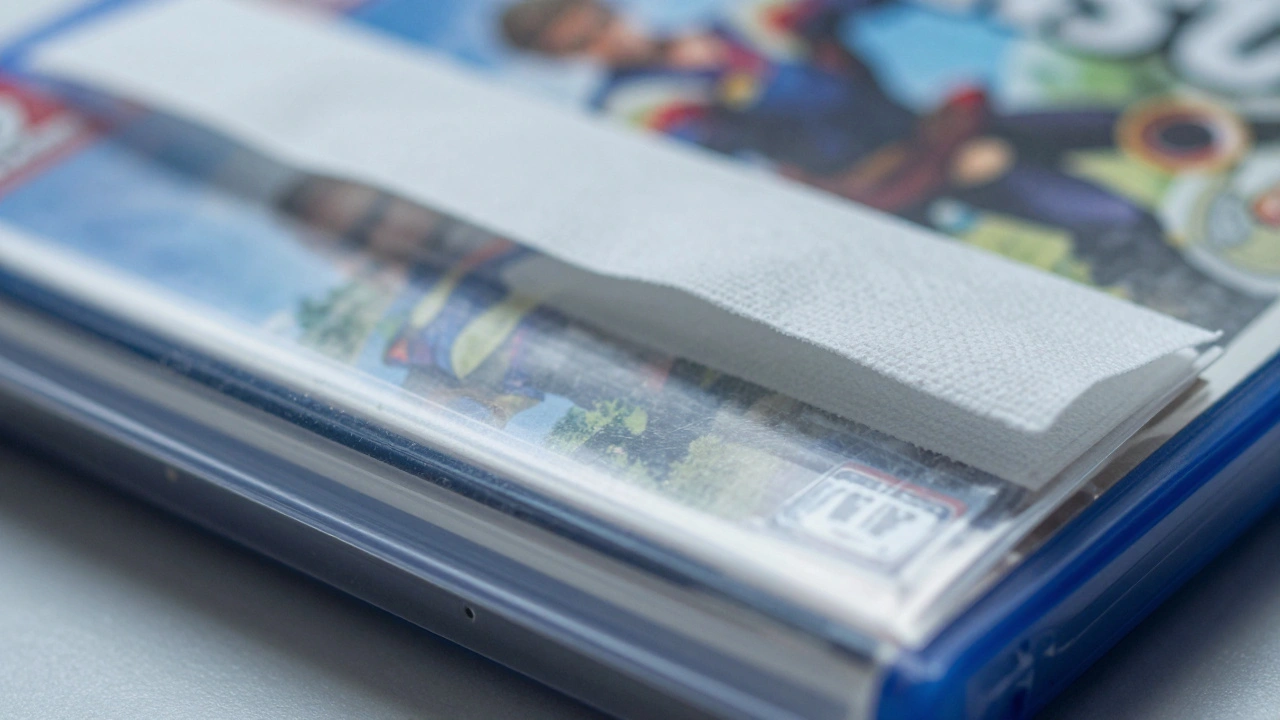
For irregular boxes, build a custom support structure. Use rigid foam board or wood to create a cradle that holds the box’s shape. Reinforce weak corners with archival tape (like Filmoplast P) if seams begin to split, but do this sparingly. Visible tape reduces aesthetic appeal. Store these unique items individually, never stacked, and ideally in their own dedicated closet section or high shelf where they won’t be bumped.
Cataloging and Maintenance
A collection you cannot find is useless. If you store boxes in opaque totes or deep closets, you will forget what you have. Create a digital inventory. Use a spreadsheet or apps like CLZ Games or GameEye. Record the title, platform, edition type, condition score (e.g., 9/10 for near mint), and storage location (e.g., "Tote #3, Shelf B").
Take photos of each box before storing it. Capture all angles, including the barcode and any serial numbers. This serves two purposes: it helps you identify the box without opening the protective sleeve, and it provides proof of condition for insurance claims if something goes wrong.
Perform an annual check-up. Once a year, open your storage containers. Inspect for signs of mold, silverfish damage, or fading. Replace silica gel packets if they are saturated. Rotate boxes that are stored flat to prevent uneven settling. This small investment of time prevents catastrophic loss later.
Should I keep the boxes for my collector's editions?
Yes, if you plan to resell them or view them as collectibles. Complete-in-box (CIB) items sell for significantly higher prices than loose items. The box contributes to the perceived value and authenticity of the set.
Can I use regular plastic bags for protection?
No. Regular plastic bags often contain PVC or phthalates that can off-gas and damage cardboard and ink over time. Use PET (polyethylene terephthalate) sleeves specifically designed for archival purposes.
Is it okay to flatten old boxes to save space?
Flattening boxes drastically reduces their collector value. Creases and folds are considered major defects. Only flatten boxes you intend to recycle or discard, never those you wish to preserve or sell.
How do I remove dust from a box safely?
Use a soft, dry microfiber cloth or a soft-bristled brush. Gently wipe the surface. Never use water, cleaning sprays, or abrasive materials, as these can damage the print and finish.
What is the best way to store a statue included in a collector's edition?
Store the statue separately from the box if possible. If kept inside, wrap it in acid-free tissue paper and cushion it with foam to prevent movement. Displaying the statue while storing the box separately is often the best compromise for space and safety.