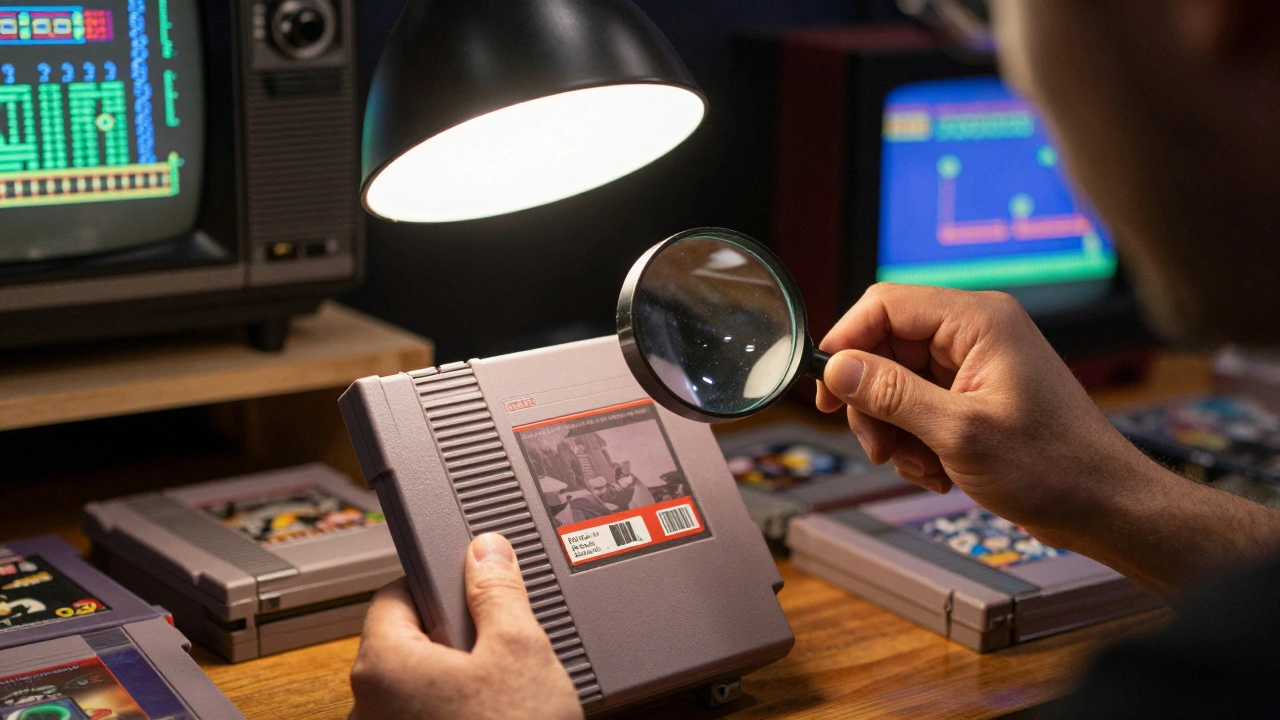
Every year, thousands of collectors head to gaming conventions hoping to score rare NES cartridges, sealed SNES boxes, or hard-to-find board games. But somewhere between the rows of vendor tables, a growing number of counterfeit video games are slipping through. These fakes aren’t just poorly made-they’re engineered to fool even experienced buyers. And if you walk away with one, you’re not just out of pocket-you’re stuck with a worthless piece of plastic.
What Makes a Game Counterfeit?
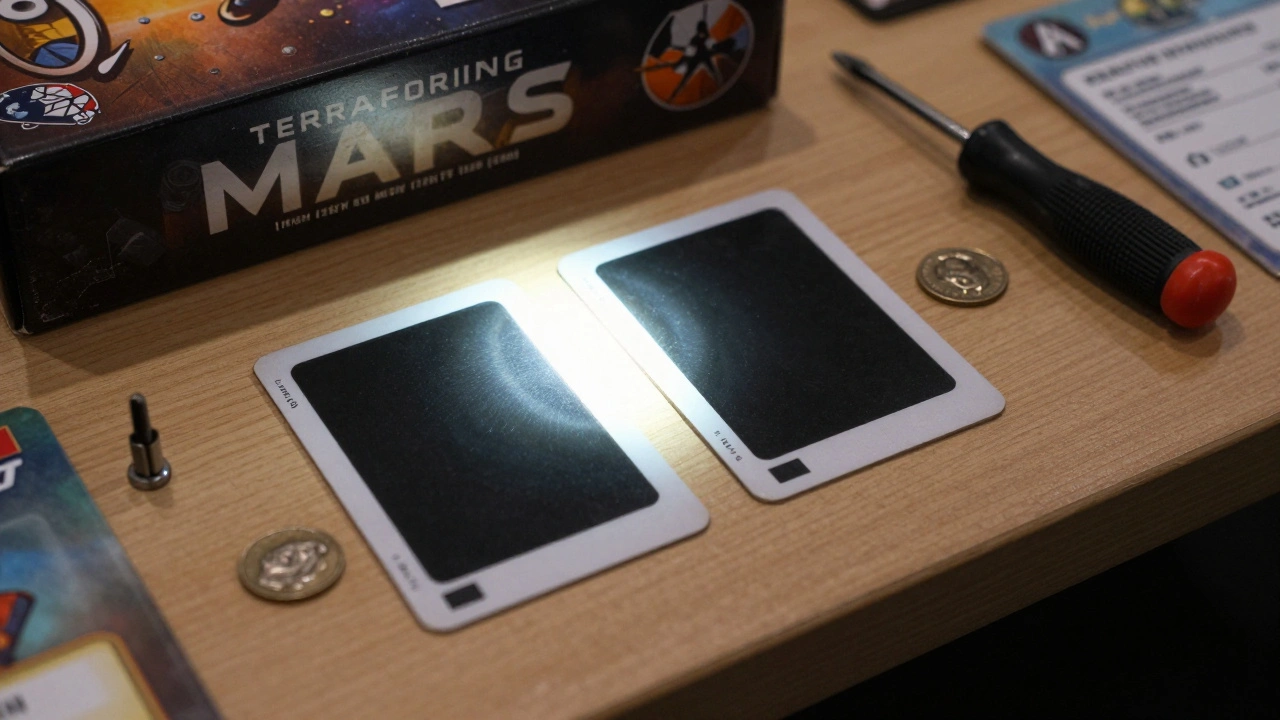
Counterfeit video games aren’t just knockoffs. They’re sophisticated reproductions designed to mimic the real thing down to the last detail. Some use original shells from cheap, damaged games and slap on new labels. Others print fake labels with near-perfect color matching and even replicate the texture of worn cardboard. For cartridge-based systems like the NES or SNES, counterfeiters open up real cartridges, swap out the circuit board, and reseal them. The result? A game that looks authentic until you try to play it-or crack it open.It’s worse for board games. Titles like Terraforming Mars have been heavily faked. Legitimate copies use cards with a thin black core layer inside to block light from shining through. Fake versions? They use standard cardstock. Hold one up to a bright light, and you’ll see right through it.
Physical Inspection: Your First Line of Defense
At conventions, you have one advantage you don’t have online: you can touch it. Don’t just glance. Handle every game like you’re inspecting a rare coin.- Feel the plastic. Authentic cartridges have a slightly rough, matte texture. Counterfeits often feel too smooth, too shiny, or too thin. Run your fingers along the edges-real ones have consistent molding with no visible seams.
- Check the label. Compare the printing to reference images. Look for blurry text, misaligned colors, or mismatched fonts. The logo on a real NES game has a specific shade of red. Fake ones often use a brighter, cheaper red.
- Open it up. If the seller lets you, use a 3.8mm game bit screwdriver to open the cartridge. Inside, real NES/SNES boards have clean solder joints, consistent labeling, and specific chip placements. Counterfeit boards look messy. Wires might be hand-soldered. Chips might be labeled with fake part numbers.
- Test the game. Plug it in. If the seller won’t let you test it, walk away. A fake cartridge might boot up, but it’ll freeze, glitch, or crash during gameplay. Some even have corrupted saves or missing audio.
Watch for Red Flags in Sellers
Not all vendors at conventions are shady-but many are. Here’s how to spot trouble before you hand over cash.- Too many copies of the same rare game? If someone has five copies of a $500 game like Stadium Events, they’re either incredibly lucky or running a scam. Genuine collectors rarely hold multiple copies of ultra-rare titles.
- No history, no reputation. Check their booth. Do they have years of convention badges on their table? Are they selling mostly obscure, high-value items with no other inventory? New vendors with only one or two expensive games are high-risk.
- Refuse to show details. Ask to see the circuit board. Ask for a photo of the game with a penny next to it for scale. If they hesitate, say no. Real sellers don’t mind transparency.
Know the System-Specific Tricks
Different systems have different telltale signs. Don’t rely on general advice-learn what to look for in the games you collect.- NES/SNES cartridges: Look for the Nintendo seal on the back. Real ones have a slight embossing. Fakes often print it flat. Check the color of the plastic-real NES cartridges have a slightly yellowed tint from age.
- Atari 2600: The label should have a specific font and spacing. Counterfeits often use modern fonts. The cartridge shell should have a small ridge on the bottom edge-many fakes leave this out.
- Board games: For games like Terraforming Mars, Wingspan, or Root, check card thickness and core color. Legit cards have a black core. Fake cards are thin and translucent. Also, check the box insert-real ones have precise die-cut slots. Fakes often have rough, uneven cuts.
Price Is a Clue-But Not the Only One
A game priced at $50 when the market says $500? That’s a red flag. But don’t assume a high price means it’s real. Some scammers inflate prices to seem legitimate.Use PriceCharting.com or BoardGameGeek to check recent sales. If a seller claims their game is “mint” but the price is 30% below market, ask why. If they say, “I just got it from a friend,” that’s not enough.
When in Doubt, Walk Away
The most expensive mistake you can make at a convention is buying something you’re not 100% sure about. If you’re unsure, take a photo and ask in a collector forum later. Many groups on Reddit, Discord, and Facebook have experts who can ID fakes from a picture.Don’t be pressured. Vendors know you’re excited. They’ll say, “This is my last one,” or “I’m leaving in an hour.” That’s a classic tactic. Take your time. Sleep on it. Come back tomorrow.
What to Do If You Get Scammed
If you realize after the show that you bought a fake, don’t panic-but don’t stay quiet either.- Report the seller. Notify the convention organizers. Most have a fraud reporting form on their website.
- File a complaint. Use the Internet Crime Complaint Center (IC3) or the Federal Trade Commission (FTC). Even if you can’t get your money back, your report helps track repeat offenders.
- Post about it. Share your experience on collector forums. A photo of the fake game with a note like “Bought this at PDX Game Expo 2026-here’s what to look for” can save someone else $300.
The Future: AI, Blockchain, and Tamper-Proof Tags
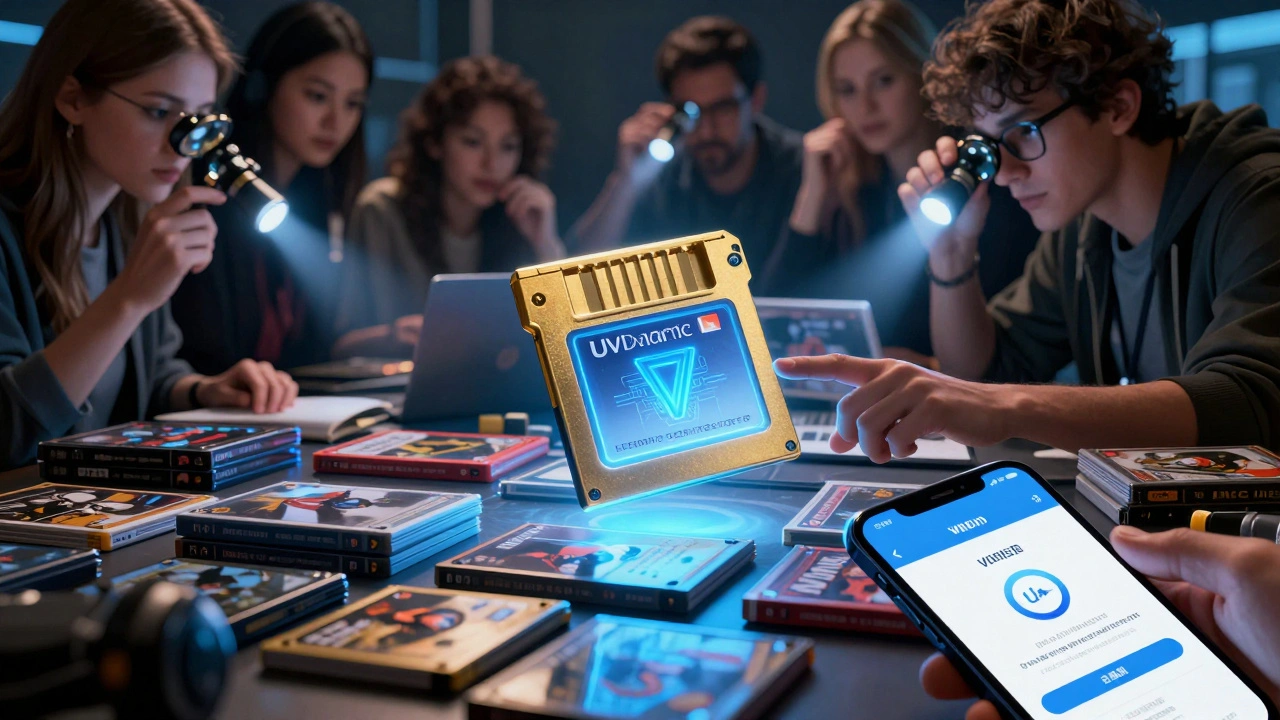
By 2026, the fight against counterfeits is getting high-tech. Some publishers are embedding tiny QR codes inside game boxes that link to a blockchain-verified ownership record. Others are using invisible digital watermarks in printed artwork-visible only under UV light.Companies like Bandai Namco are already using AI to scan online listings for fake images. They’ve shut down over 75 counterfeit operations in 2023 alone. In the next few years, you might be able to scan a game with your phone and instantly see its full history: where it was made, who owned it, and if it’s been reported as fake.
For now, though, your eyes, your hands, and your questions are still your best tools. Don’t let excitement override caution. A rare game is worth waiting for. A fake one? It’s just trash.
How can I tell if a retro game cartridge is fake just by looking at it?
Start by checking the plastic shell. Real cartridges have a consistent matte texture and slight molding details. Fake ones often feel too smooth or too thin. Look at the label-real labels have sharp printing, correct color shades, and no smudging. For NES games, check the Nintendo seal on the back-it should be slightly embossed, not flat. If the cartridge opens easily without a screwdriver, it’s likely fake. Also, compare the serial number on the label to known authentic examples online.
Are all games sold at conventions risky?
No. Many vendors at conventions are longtime collectors who’ve been selling for years. Look for booths with multiple years of convention badges, a wide variety of games (not just rare ones), and clear pricing. Reputable sellers often have a website or social media presence you can check before you buy. The real risk comes from first-time sellers with only one or two expensive items and no history.
Can I trust sellers who let me test the game before buying?
Yes-but only if you test it properly. Plug it into a known working system. Play for at least 5 minutes. Watch for freezes, glitches, missing audio, or corrupted saves. A fake cartridge might boot up but fail during gameplay. If the seller refuses to let you test it, walk away. If they only let you press “Start,” that’s not enough.
What should I do if I suspect a game is fake after I buy it?
Take clear photos of the game, especially the label, cartridge, and any internal components. Post them in collector forums like r/retrogaming or BoardGameGeek. If you bought it at a convention, report it to the event organizers. File a complaint with the FTC or IC3. Most importantly, share your experience. Your warning could stop someone else from getting scammed.
Is it worth buying games from online marketplaces instead of conventions?
It depends. Reputable online sellers with verified reviews and return policies are often safer than random convention vendors. But many online listings use stolen photos of real games to sell fakes. Always ask for close-up photos of the label, cartridge, and circuit board. Avoid sellers who won’t show internal details. If the price seems too good to be true, it probably is.