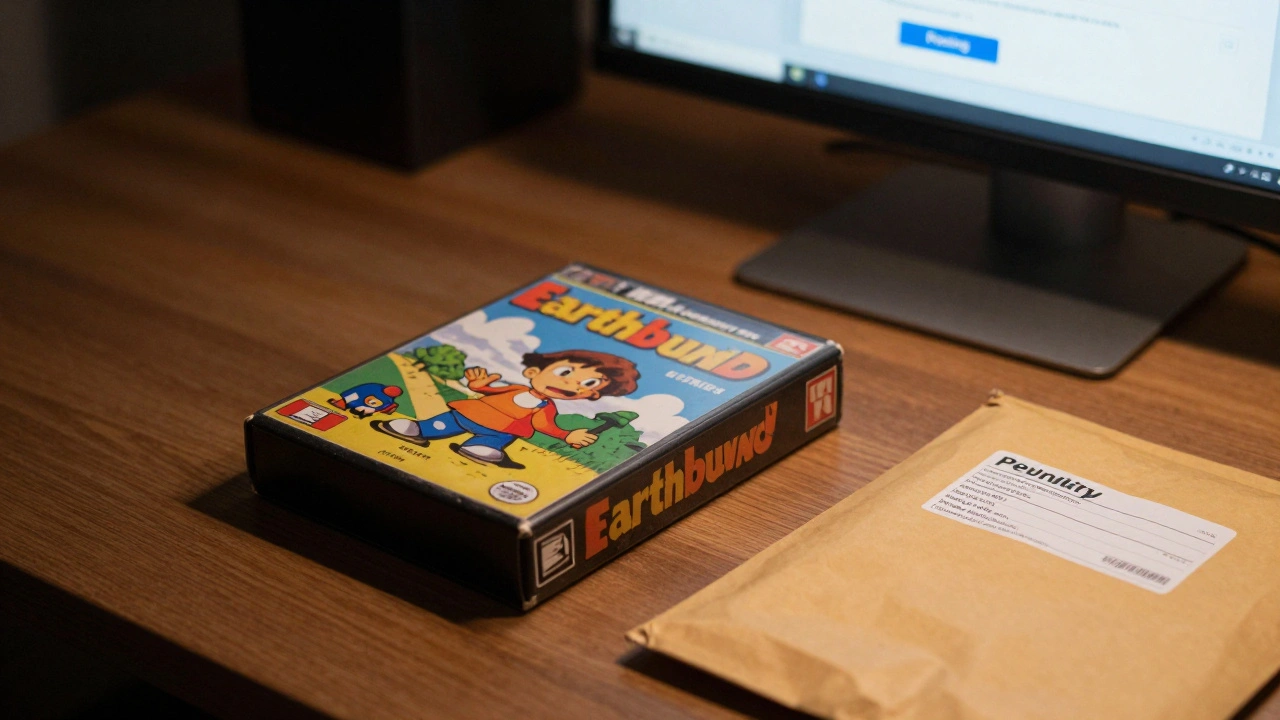
Quick Summary: Key Takeaways
- Use a dedicated spreadsheet to log submission dates, service tiers, and expected return dates.
- Monitor official portals for PSA and CGC, as turnaround times fluctuate based on submission volume.
- Compare 'Value' vs 'Express' tiers to see if the cost jump is worth the time saved.
- Factor in hidden fees, like CGC's handling charges, to calculate your true cost per game.
- Understand that 'business days' are the standard metric, not calendar days.
Setting Up Your Tracking System
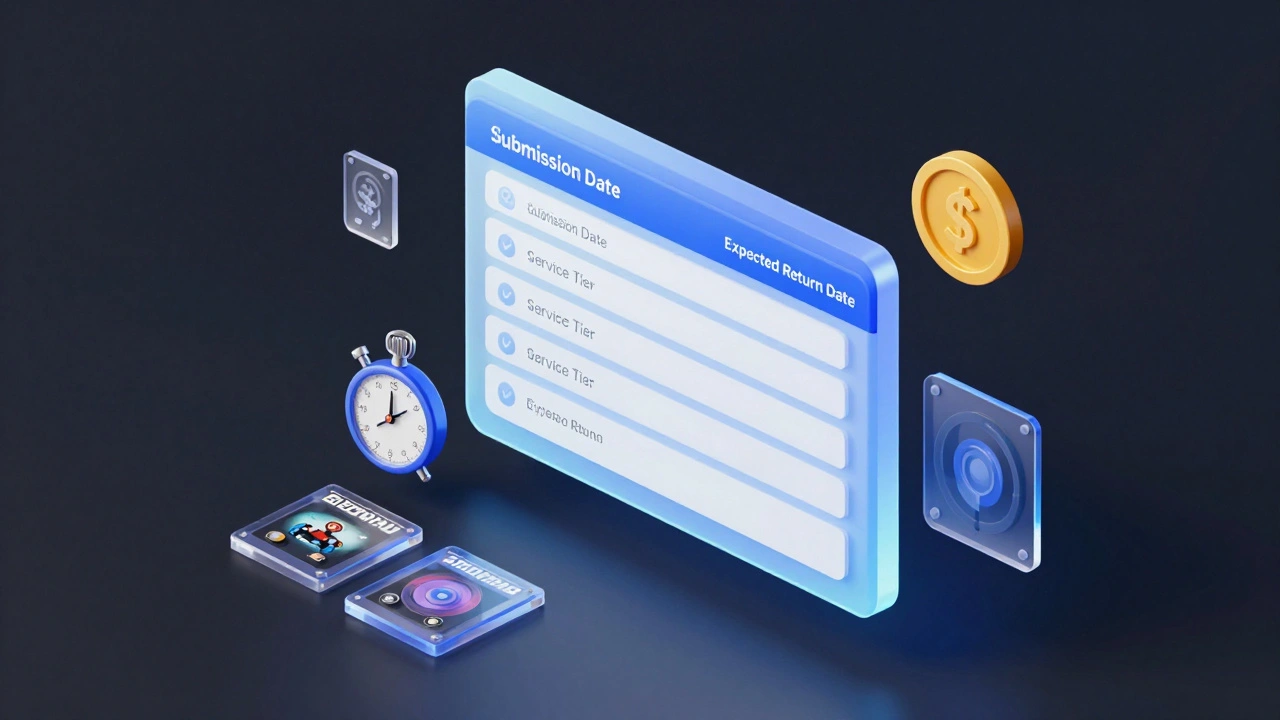
You can't rely on memory or a pile of email receipts. To truly manage your collection's journey, you need a centralized log. Most seasoned collectors use a simple spreadsheet or a database. Your tracker should include specific columns: Submission Date, Game Title, Grading Company, Service Tier, Cost Per Unit, Total Cost (including shipping/insurance), and the "Expected Return Date."
The secret to accurate tracking is calculating the Expected Return Date based on business days. If a service like PSA is a professional authentication and grading service for collectibles, including trading cards and video games says 25 business days, that's actually about five calendar weeks. If you mark your calendar for 25 days from today, you'll be checking your mailbox far too early and getting frustrated when nothing arrives.
Decoding Grading Tiers and Costs
Not all grading levels are created equal. Most companies offer a tiered system where you pay for speed. If you're sending in a common title, a "Value" tier is fine. But for a high-value grail, paying for "Express" might be worth the peace of mind.
Let's look at the current landscape. CGC Video Games is a specialized grading service that provides independent authentication and condition grading for video games often includes a $5 handling fee on submissions. If you're sending ten games, that's an extra $50 just to get them in the door. Meanwhile, Video Game Graders LLC provides a more transparent tier system based on the type of item. For example, a sealed game costs $55 at Level 1, while a Complete-in-Box (CIB) item jumps to $77. The trade-off here is time: Level 1 can take up to 55 business days, while Level 3 cuts that down to 15.
| Provider | Service Tier | Est. Turnaround (Business Days) | Key Cost Note |
|---|---|---|---|
| PSA | Regular | 25 Days | Volumes frequently impact times |
| PSA | Value Max | 35 Days | Increased from 30 recently |
| CGC | CrossOver | 20 Days | $5 handling fee per submission |
| Video Game Graders LLC | Level 1 | 55 Days | $55 Sealed / $77 CIB |
| Video Game Graders LLC | Level 3 | 15 Days | Fastest available option |
Managing the "Wait Time" Volatility
Turnaround times are rarely set in stone; they are estimates. PSA, for instance, recently bumped its Value Plus service from 40 to 45 business days because they were overwhelmed with submissions. If you're tracking your games, you need to check the official service pages at least once a week. If a company announces a backlog, update your spreadsheet immediately so you don't panic when your game isn't back by the original date.
One pro tip for tracking is to monitor the "received date" rather than the "shipped date." Most companies, including Video Game Graders LLC, only start the clock once the item is processed into their system. There's often a gap of 3-7 days between when the post office says "Delivered" and when the grader actually logs the item. If you count from the day you mailed it, your tracking will be off by a week.
Avoiding Common Cost Pitfalls
The sticker price on a grading website is rarely the final amount you pay. To track costs accurately, you have to account for the secondary expenses. Shipping insurance is the big one. If you're sending a $1,000 game, you aren't just paying the grading fee; you're paying for a high-value shipping plan.
Also, watch out for "up-charges." Some graders charge more if the game's market value exceeds a certain threshold. This can lead to a surprise bill after the grading is complete. One advantage of Video Game Graders LLC is that they don't charge extra for high-value games, making your cost tracking much more predictable. When logging your costs, always create a "Budgeted Cost" column and an "Actual Cost" column to see where the discrepancies happen.

The Psychology of the Grade Return
Tracking isn't just about numbers; it's about managing expectations. When you've tracked a game for 45 business days, the anticipation builds. This is where many collectors make the mistake of over-valuing the item before the grade even arrives. Use your tracker to stay grounded. Note the condition you *think* the game is in before sending it. When the result comes back, compare the actual grade to your prediction. This helps you become a better grader yourself, eventually allowing you to submit only the items that have a high chance of a top grade, saving you money on "filler" submissions.
Why do turnaround times keep changing?
Grading companies operate on capacity. When there is a surge in submissions-like after a major gaming convention or a holiday-the backlog grows. Companies like PSA update their estimates in real-time to reflect this increased volume, which is why you must check their portals frequently rather than relying on a static price list.
What is the difference between business days and calendar days?
Business days exclude weekends and public holidays. If a company promises a 20-business-day turnaround, it actually takes four full weeks. Always multiply the business day estimate by roughly 1.4 to get a realistic calendar date for your return.
Do all grading services charge handling fees?
No, but many do. For instance, CGC Video Games charges a $5 handling fee on submissions. Always read the fine print to see if there are per-submission fees or per-item fees, as these can add up quickly if you are sending multiple small batches.
How do I know when my game has actually been received?
Don't rely solely on the courier's "Delivered" status. Wait for the confirmation email from the grading company's internal system. This is the official start date for the turnaround clock. If you don't receive this email within a week of delivery, contact their customer support immediately.
Is it worth paying for the fastest tiers?
It depends on your goal. If you are flipping the game for a quick profit, the faster turnaround of a Level 3 service (like those from Video Game Graders LLC) is worth the premium. If you are a long-term collector holding a game for years, the Value tiers are much more cost-effective.
Next Steps for Your Collection
If you've never tracked your submissions before, start by auditing your current pending games. Create your spreadsheet today and map out the expected return dates. For those with high-value collections, consider a "batching" strategy-send games in groups of 5 or 10 to minimize the impact of per-submission handling fees. Finally, set a monthly reminder to check the turnaround updates on the PSA and CGC websites so you're never surprised by a delay.