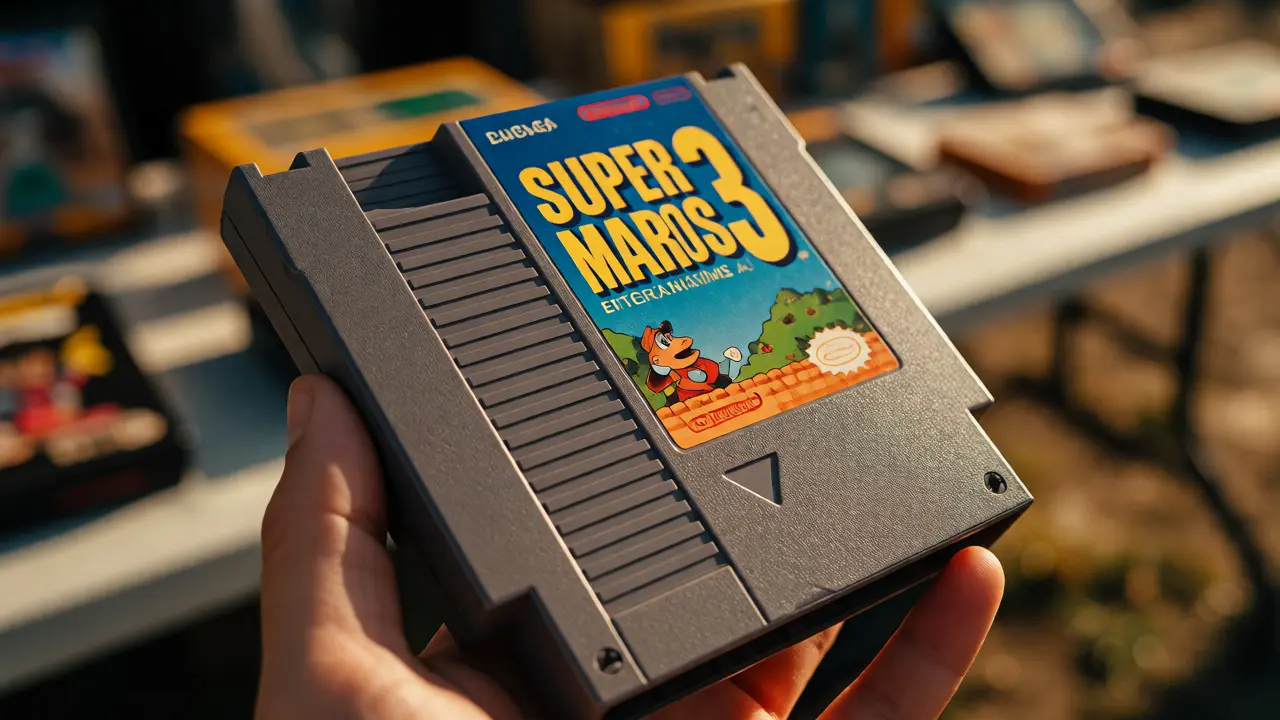
You just found a copy of Super Mario Bros. 3 for the NES at a garage sale for five bucks. Your heart skips a beat. Is this the real deal, or did someone stick a photocopied label on a $2 re-release? The classic video game market is flooded with fakes, from cheap bootlegs to sophisticated counterfeits that fool even experienced collectors. Knowing how to spot the difference saves you hundreds of dollars and keeps your collection honest.
The Quick Checklist for Spotting Fakes
Before you spend hours researching serial numbers, run through these basic checks. If a game fails any of these, walk away or negotiate hard.
- Weight: Original cartridges have specific weights due to internal components. Bootlegs are often lighter.
- Screws: Nintendo used specific screw types (tri-wing for NES/SNES). Flat-heads are a red flag.
- Label Quality: Look for blurry text, wrong colors, or cheap paper stock.
- Cartridge Shell: Check for mold lines, discoloration, or mismatched plastic shades.
- PIN Lockout: Does it work in an original console without modification? Modern repros often bypass this.
Understanding the Hardware: Cartridges vs. Discs
The method for verifying authenticity changes drastically depending on whether you are holding a cartridge or a disc. For Nintendo Entertainment System (NES) and Super Nintendo Entertainment System (SNES) titles, the physical shell tells most of the story. These systems used proprietary connectors and lockout chips that made simple copying difficult for early pirates.
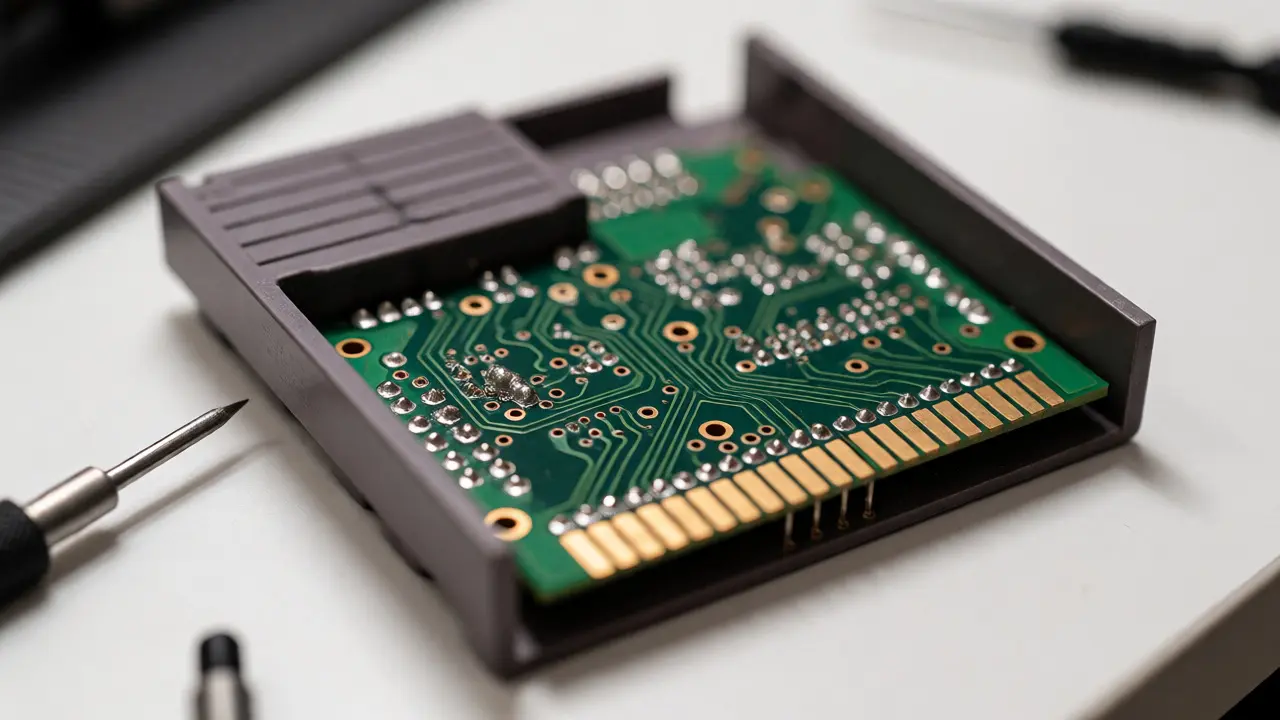
However, the Nintendo 64 and GameCube introduced different challenges. N64 cartridges are bulky and heavy, making them harder to fake poorly, but GameCube discs are easier to duplicate. Always check the underside of the PCB (printed circuit board) inside the cartridge. Original boards have clean solder points and specific manufacturer stamps. Reproduction boards often look messy or use modern, generic components.
Decoding Serial Numbers and Batch Codes
Every official Nintendo product has a unique identifier. This is your strongest evidence. On NES and SNES games, look for the batch code stamped into the plastic near the screws or printed on the back label. It usually looks like "108-XXXX" or similar combinations depending on the region.
For example, a North American NES game might have a code starting with "NES-" followed by a title abbreviation. If the number on the label doesn't match the number molded into the plastic case, it’s a franken-game-a mix of parts from different copies. While not always a fake, it lowers value and complicates authentication.
| Console | Key Verification Point | Common Fake Indicator |
|---|---|---|
| NES | Tri-wing screws; gray/black shell consistency | Flat-head screws; white/yellowed uneven plastic |
| SNES | Ribbed grip texture; specific label font weight | Smooth sides; pixelated logo edges |
| N64 | Heavy weight; clear window showing PCB | Lightweight; cloudy plastic window |
| Game Boy | Small tri-wing screws; battery compartment shape | Large Phillips screws; loose fit |
Evaluating Labels and Packaging
Labels are where most fakes fail. Nintendo invested heavily in printing quality during the 80s and 90s. Hold the label up to a bright light. You should see a fine grain texture if it’s a genuine print. Photocopies look flat and shiny. Check the color saturation-bootlegs often have washed-out colors or incorrect hues. A famous example is the Zelda II: The Adventure of Link label, where fakes often get the green shade slightly too bright or dark.
If you are buying boxed games, inspect the box itself. Original boxes have crisp corners and sturdy cardboard. Re-boxed games often show wear patterns inconsistent with the cartridge condition. Also, check the UPC barcode. Scan it with your phone. If it brings up a completely different game or nothing at all, be suspicious. Sometimes scammers swap labels between common and rare titles.
Testing Software Behavior
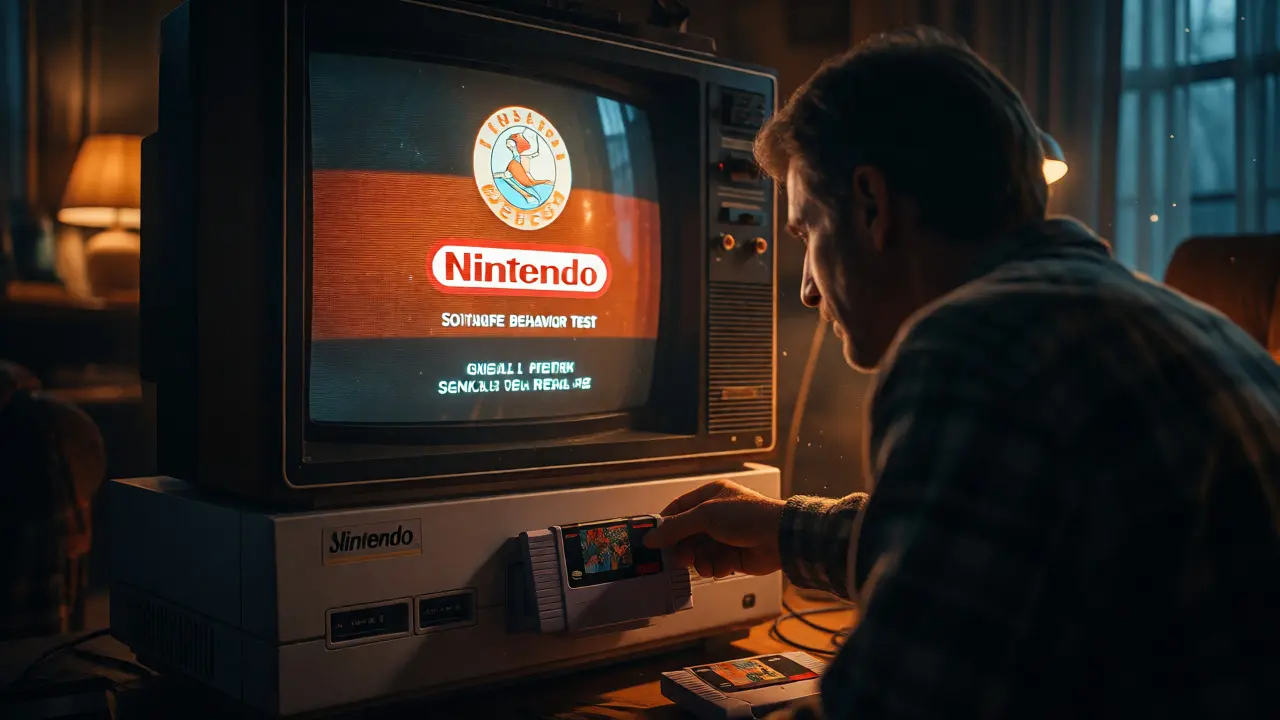
Hardware can be swapped, but software behavior is harder to replicate perfectly. Turn on the console. Watch the startup screen. Genuine Nintendo games display the official Nintendo seal and copyright notices with precise timing. Bootlegs often skip the intro animation or display it with glitches.
Play the game for at least ten minutes. Look for frame rate drops, missing sound effects, or graphical errors. Some cheap reproductions use lower-quality ROM dumps that result in audio distortion. If the game crashes unexpectedly or saves incorrectly, it might be a bad dump rather than a hardware fault. Compare your experience with gameplay videos online to spot discrepancies.
Where to Buy Safely
Your best defense against fakes is buying from reputable sources. Local thrift stores are high-risk, high-reward environments. You need eyes and knowledge here. Online marketplaces like eBay require scrutiny of seller history. Look for sellers who provide detailed photos of the actual item, not stock images.
Specialized retro game stores often grade their inventory strictly. They may charge more, but they assume the risk of authenticity. If you are buying expensive titles, consider using a grading service like Wata Games for sealed copies, though this is overkill for loose cartridges. For loose games, ask the seller to send close-up photos of the PCB and label before you commit.
Common Pitfalls to Avoid
Don’t let nostalgia cloud your judgment. Just because you remember playing a game as a kid doesn’t mean every copy you find is valuable. Many common titles were mass-produced, so finding a "rare" copy is statistically unlikely unless it’s a specific variant.
Beware of "complete in box" claims. Often, the manual or insert is missing or replaced with a reprint. While reprints aren’t fakes, they affect value. Always verify if the manual matches the game version. Regional differences matter too-a European PAL cartridge won’t run correctly on a US NTSC console without modifications, affecting its utility and value.
Are reproduction games considered fakes?
Not necessarily. Reproductions (repros) are modern copies made for playability, often labeled as such. Fakes try to pass as originals. Repros are fine for playing but have little collector value compared to originals.
Can I fix a broken screw on my NES cartridge?
Yes, but use the correct tri-wing driver. Using a Phillips head will strip the plastic. Replacement screws are available online, but ensure they match the original size and type to maintain authenticity.
Why do some old games smell weird?
This is called "off-gassing," caused by the degradation of plastics and adhesives over time. It’s normal for vintage electronics. However, a strong chemical smell might indicate poor storage conditions or recent cleaning with harsh solvents.
Is it worth buying loose games without manuals?
For casual play, yes. For collecting, no. Manuals and inserts significantly impact resale value. You can often download PDFs of manuals online, but physical copies are preferred by serious collectors.
How do I clean dirty contacts on a cartridge?
Use isopropyl alcohol (90%+) and a cotton swab. Gently rub the gold pins. Avoid water or household cleaners, which can cause corrosion. Let it dry completely before inserting into the console.