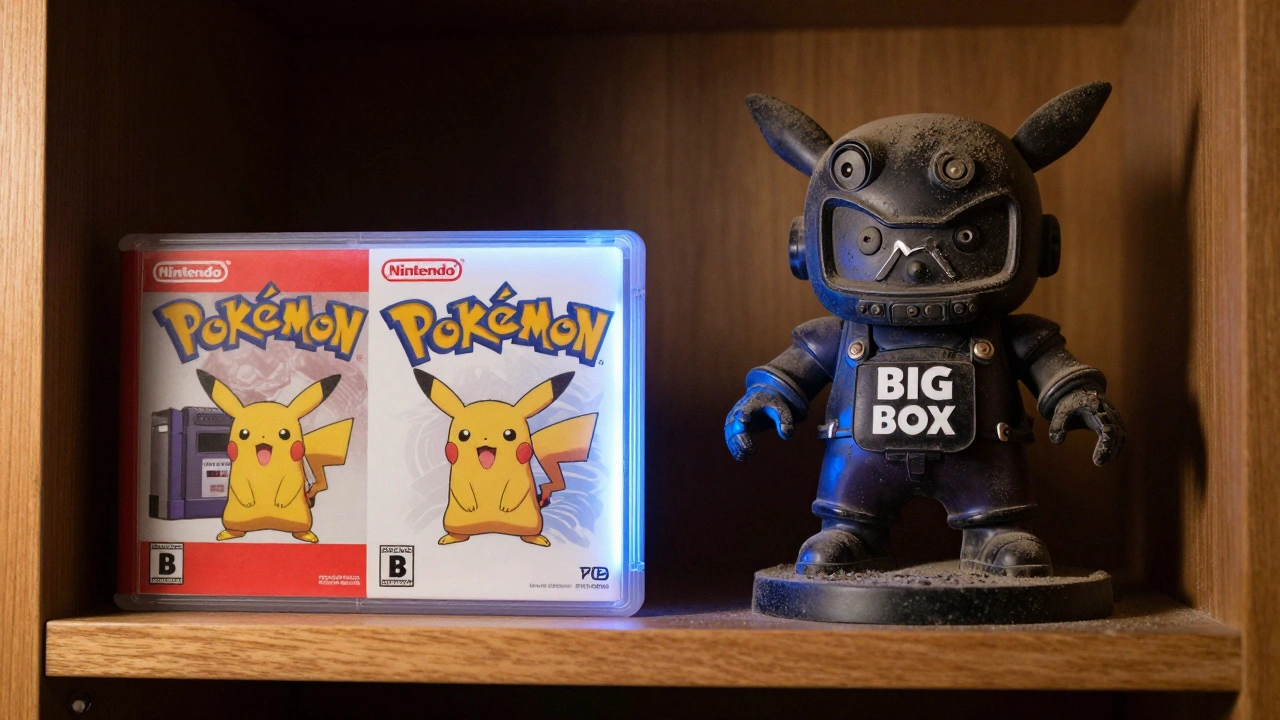
Remember the rush of buying that $150 special edition box set back in 2023? You probably thought it would double in price by next year. Fast forward to early 2026, and you might be looking at a secondary market listing that barely covers your original purchase price. The era of easy money through limited edition physical video games is shifting dramatically. What was once a reliable shortcut for collectors to build wealth is now a complex landscape where short-term hype often clashes with long-term reality.
The global gaming merchandise market hit USD 31.7 billion in 2025, projected to swell to USD 36.8 billion in 2026. On paper, this looks like a gold rush. But beneath these headline numbers, the mechanics of supply, demand, and collector psychology have changed. Today’s buyer needs to understand not just what they are buying, but why they are buying it. Are you chasing the excitement of the unboxing experience, or are you trying to park cash in plastic cases?
The Anatomy of Limited Edition Hype
Short-term hype in the physical game market is driven by artificial scarcity and social proof. Publishers announce low production runs, influencers post unboxing videos, and a fear of missing out (FOMO) takes over. This cycle creates a temporary spike in demand that pushes prices well above retail.
However, this hype is increasingly fragile. According to data from the Boston Consulting Group, approximately 65% of gamers actively wait for discounts before making purchases. This price sensitivity cuts both ways. While hardcore fans still buy premium editions, the casual impulse buyers-who drove much of the resale market inflation-are disappearing. They are no longer willing to pay inflated prices on eBay or live auction platforms because they see standard digital copies available at lower costs.
The result? A market where the initial hype spike lasts weeks, not months. Sellers who bought into the frenzy during launch windows are now dumping inventory onto platforms like Whatnot and eBay. This saturation dilutes the perceived rarity, causing prices to stabilize-or drop-quickly after the initial sell-out period.
Who Actually Holds Long-Term Value?
If hype doesn’t guarantee profit, what does? Long-term value in physical media relies on three pillars: genuine rarity, persistent cultural demand, and platform loyalty. Not all limited editions are created equal. In fact, most modern "special editions" are designed for immediate consumption, not future appreciation.
| Category | Primary Driver | 2026 Market Outlook | Risk Level |
|---|---|---|---|
| First-Party Nintendo Titles (Pokémon, Mario) |
Cultural Nostalgia & Brand Loyalty | Stable to Appreciating | Low |
| Big Box Special Editions (Switch, PS4 Modern) |
Packaging & Exclusivity | Declining Interest | High |
| Sealed Graded Games | Speculative Condition Grading | Oversaturated / Volatile | Very High |
| Rare Retro Imports | Genuine Scarcity | Stable Premiums | Medium |
Let’s break down why these categories perform differently. First-party titles from Nintendo, particularly those in the Pokémon and Mario franchises, have shown remarkable resilience. These games benefit from multi-generational appeal. A parent who played Red and Blue in the 90s wants to share that experience with their child, creating sustained demand for physical copies. This isn’t speculation; it’s recurring emotional attachment.
In contrast, big box special editions for current-gen consoles like the Nintendo Switch or PlayStation 4 are struggling. Collectors today are pragmatic. They prefer the standard game case that fits neatly on a shelf. The bulky boxes, steelbooks, and statues included in deluxe editions often gather dust. As one market observer noted, these items require a "specialized type of collector" to move, meaning the pool of potential buyers is tiny. When the pool shrinks, liquidity vanishes.
The Trap of Sealed and Graded Games
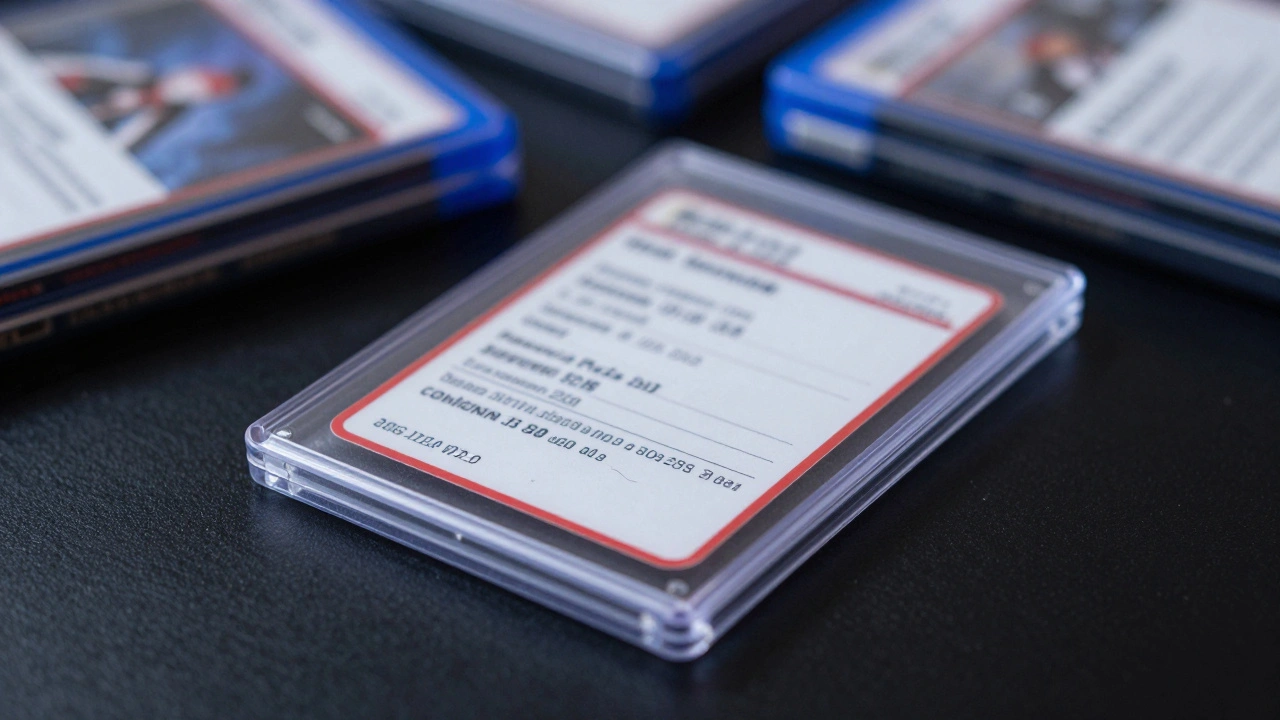
A significant portion of recent hype has centered around sealed, graded games. Services that authenticate and grade condition assigned numerical scores to pristine copies, driving prices up exponentially. But this segment is cracking under its own weight.
Experts argue that many games were graded "for no reason," fueling an overspeculative bubble. The cost of grading alone can exceed $100 per unit, plus shipping and waiting periods. For mid-tier titles, this added cost rarely translates into proportional resale value. In 2026, we are seeing a correction. Buyers are questioning whether a PSA 10 grade adds real value to a game that can be played digitally for $60. The trend suggests that unless a title is historically significant or genuinely rare, the grading premium will likely evaporate.
Economic Pressures Shaping Collector Behavior
You cannot separate game collecting from broader economic trends. The Boston Consulting Group’s 2026 report highlights a fragmented consumer base. Only about 45% of gamers are "serious fans" willing to pay premium prices. Another 23% are neutral, and crucially, 30% said they would cut back spending if prices rose.
This means the market for high-priced limited editions is shrinking relative to the total player base. Tiered pricing is returning to levels seen in the 1990s, where premium versions cost twice as much as standard ones. But unlike the 90s, today’s consumers have endless alternatives. Subscription services like Game Pass or PS Plus offer vast libraries for a monthly fee. Why pay $150 for a physical copy when you can play the same game for $10/month?
This competition forces limited editions to justify their existence beyond exclusivity. If the packaging doesn’t hold sentimental or aesthetic value for the owner, it becomes dead weight. Investors who bought purely for ROI are finding themselves holding assets with little exit strategy.
Navigating the Secondary Market in 2026
The secondary market has become a seller’s nightmare for non-rare items. Platforms like Whatnot have democratized selling, leading to a flood of listings. If you try to sell a common limited edition, you’re competing against hundreds of other sellers who also bought during the hype phase. This abundance drives prices down.
For collectors, this presents an opportunity. If you want to complete a collection without paying retail premiums, now is the time to buy. Mid-tier limited editions are being liquidated. However, for investors, the window for quick flips has closed. Success now requires patience and selectivity. Focus on titles with strong franchise recognition, such as those from Sony Interactive Entertainment or Electronic Arts, but only if they feature iconic characters or historical significance.
Avoid new intellectual properties. Even if they sell out initially, there is no established fanbase to support long-term value. Stick to proven names. And always ask yourself: would I keep this on my shelf even if it never increased in value? If the answer is no, you’re speculating, not collecting.
Final Thoughts on Value vs. Passion
The distinction between short-term hype and long-term value is clearer than ever. Hype is loud, fast, and fleeting. It relies on marketing budgets and social media algorithms. Long-term value is quiet, slow, and built on genuine affection for the medium. As the market matures in 2026, the smartest collectors are those who buy what they love, ignore the noise of speculative bubbles, and recognize that true rarity cannot be manufactured-it must be earned through time and cultural impact.
Are limited edition video games a good investment in 2026?
Generally, no. Most limited editions, especially big box sets for modern consoles, face declining resale values due to market saturation and changing collector preferences. Only specific categories like first-party Nintendo titles (Pokémon, Mario) or genuinely rare retro games show stable long-term value. Treat purchases as hobbies, not financial investments.
Why are sealed graded games losing value?
The market for graded games became oversaturated with speculative purchases. Many buyers realized that high grading fees did not translate to proportional resale gains for non-rare titles. As the bubble bursts, prices for graded copies of common games are dropping back toward standard used market rates.
Which console brands hold the best collector value?
Nintendo currently leads in value retention, particularly for first-party franchises like Pokémon and Mario. Their strong brand loyalty and multi-generational appeal create consistent demand. Sony and Microsoft titles have niche collector bases but generally lack the broad cultural staying power needed for widespread appreciation.
Is it better to buy digital or physical games for collecting?
For collecting, physical media is essential. Digital licenses can be revoked, accounts hacked, or services shut down. Physical copies provide tangible ownership and are the only format that appreciates in value based on rarity and condition. However, for pure gameplay convenience, digital remains superior.
How does the 2026 economic climate affect game prices?
Economic pressure has made 65% of gamers more price-sensitive, leading them to wait for discounts or use subscription services. This reduces demand for high-priced limited editions, causing secondary market prices to stabilize or drop as impulse buyers disappear.