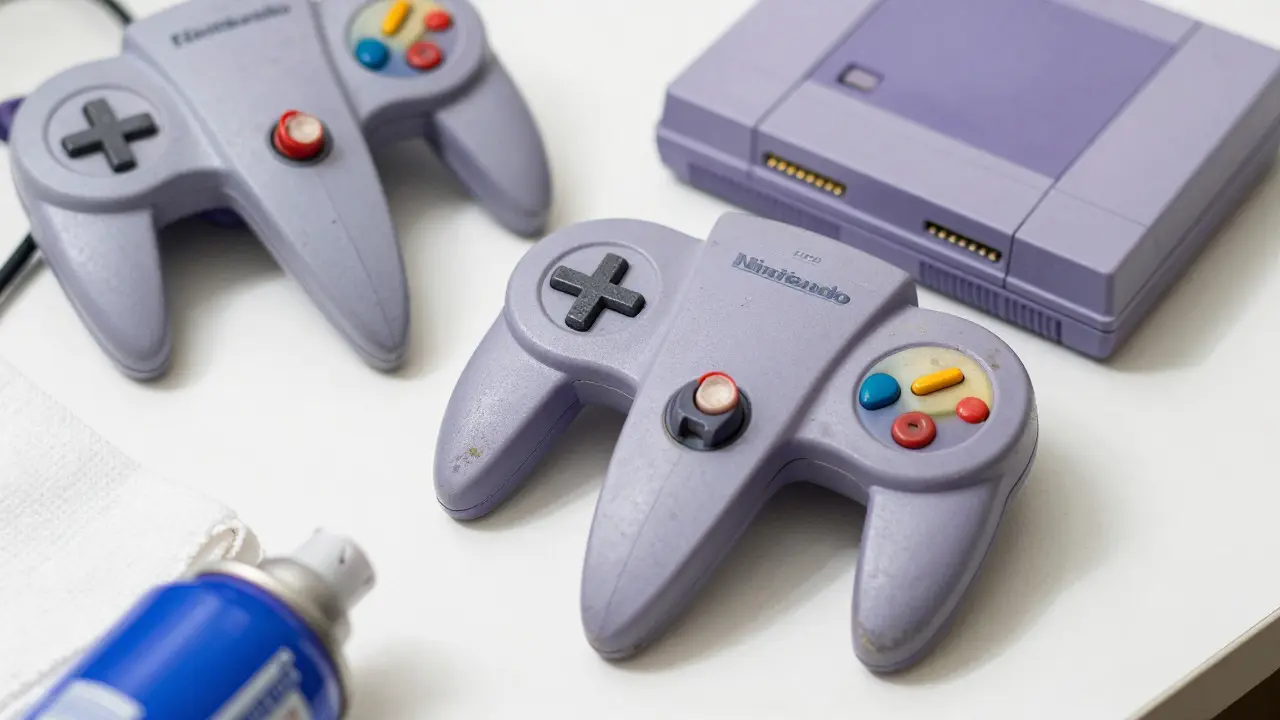
You’ve got a box of old cartridges and consoles gathering dust. You want cash, but you’re worried about getting lowballed by a shop owner who’s seen it all. Selling retro video games is less about the items themselves and more about how you present them. A dirty cartridge might be worth $20 clean, but only $5 if it looks like it was pulled from a basement flood. Before you walk into a local store or post online, you need to treat your collection like inventory, not just nostalgia.
Quick Summary / Key Takeaways
- Cleanliness drives price: A "Complete in Box" (CIB) item can fetch 3-5x the price of a loose copy, but only if the media is spotless.
- Know your region: NTSC (US/Japan), PAL (Europe/Australia), and other regions have different values; US players often prefer NTSC-U.
- Test everything: Dead batteries, cracked screens, or non-functional discs kill deals instantly. Bring working examples if possible.
- Research comps: Check recent sold listings on eBay or PriceCharting before setting expectations.
- Timing matters: Prices spike around anniversaries or when new remasters are announced.
Why Presentation Matters More Than Rarity
Retro video game collections are physical media and hardware from pre-2010 gaming eras, valued based on condition, completeness, and regional demand. Many sellers think rarity is the only factor. It isn’t. Condition is king. In the secondary market, a "Near Mint" Nintendo 64 cartridge is significantly more valuable than a "Good" one because collectors want shelf-ready items. If your game has a faded label, deep scratches on the disc, or a cracked case, you’re already starting at a discount. The goal is to make the buyer believe they are buying a pristine item, even if it’s not museum-grade. This perception gap is where your profit margin lives.
Consider the difference between a loose *Super Mario World* cartridge and one that comes with its manual and original box. The loose version might sell for $15-$20. The complete set? Easily $80-$120. But if that box is yellowed and the manual is stained, the value drops back down to $40. Cleaning isn’t just aesthetic; it’s financial triage. You are selling the idea of preservation, not just plastic and silicon.
The Cleaning Protocol: Step-by-Step
Don’t use water on electronics. Ever. Instead, follow this specific routine for each type of media:
- Cartridges (NES, SNES, N64, PS1): Use compressed air to blow out dust from the connector pins. Wipe the shell with a microfiber cloth slightly dampened with isopropyl alcohol (90%+). Avoid getting liquid near the gold contacts. For NES carts, check for the "dried-out glue" issue where the label peels off; these are worth less unless you replace the label professionally.
- CDs/DVDs (PS2, Xbox, GameCube): Scratches are the enemy. Use a commercial CD cleaner kit or a soft cotton T-shirt and mild dish soap. Clean from the center outward in straight lines, never in circles, to avoid creating new spiral scratches. Inspect under bright light after cleaning.
- Consoles: Dust out vents with compressed air. Clean the exterior with a dry microfiber. For CRT-era consoles like the Sega Genesis or Super Famicom, check for hairline cracks in the plastic. These are common and reduce value by 10-15%.
- Packs & Manuals: Do not wash manuals. Use a soft brush to remove dust. For heavy stains, consult a professional restorer. A stained manual is a red flag for buyers.
Understanding Value Metrics: CIB vs. Loose
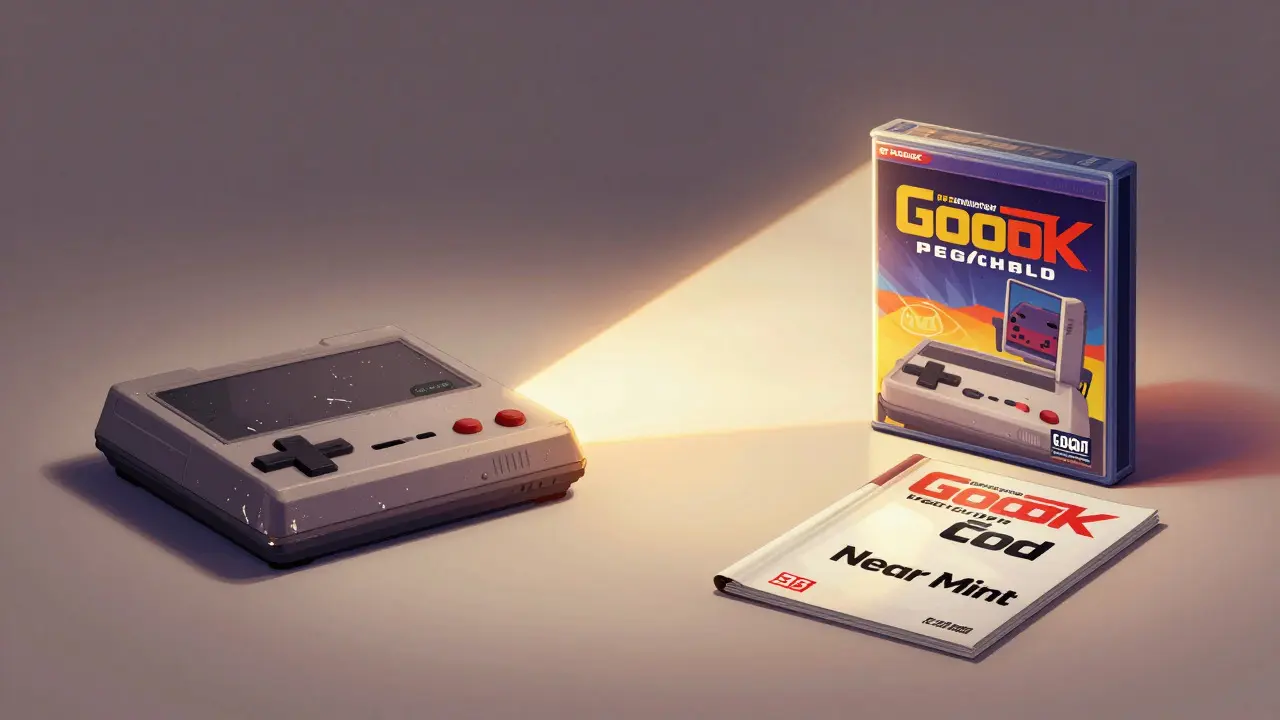
Stores and private buyers use specific terminology to grade items. Knowing these terms helps you negotiate better. Here’s what actually moves the needle:
| Condition Term | Description | Typical Price Multiplier | Buyer Preference |
|---|---|---|---|
| Mint (M) | Unplayed, no wear, perfect seal | 2.0x - 5.0x | High (Investors) |
| Near Mint (NM) | Played once, no visible wear | 1.5x - 2.0x | Very High (Collectors) |
| Excellent (Ex) | Light wear, minor scuffs | 1.2x - 1.5x | Medium (Casual Buyers) |
| Good (G) | Visible wear, scratches, faded labels | 1.0x (Base) | Low (Price Seekers) |
| Poor (P) | Broken cases, missing parts, unreadable labels | 0.5x - 0.7x | Very Low (Parts Only) |
Note that "Complete in Box" (CIB) refers to having the game, box, and manual. "Complete in Case" (CIC) usually means game and manual, but no box. The box is the most fragile component. If you have a rare title without a box, don’t despair-loose copies still hold value, especially for popular titles like *The Legend of Zelda* or *Final Fantasy VII*. However, for niche indie games from the PS1 era, the box is often the only proof of authenticity, so its absence hurts more.
Regional Differences: Why Your Location Changes the Price
A major mistake sellers make is assuming their local market reflects global prices. It doesn’t. NTSC-U is the North American video game standard, primarily used in the United States and Canada. If you live in Portland, Oregon, like many US-based collectors, you are in the heart of the NTSC-U market. This means English-language games command the highest premiums here. Japanese imports (JAP) can be valuable for rare exclusives, but they require translation patches or multilingual support to appeal to a broader audience. European (PAL) games often have slower frame rates due to the 50Hz refresh rate, which deters some buyers unless the game is a region-exclusive exclusive.
Before listing, check the region code on the bottom of the cartridge or inside the disc tray. If you have a mix of US, EU, and JP games, separate them. Local stores will pay less for non-US games because their customer base is smaller. Online, however, you can target international collectors who specifically hunt for JAP or PAL exclusives. This dual-market approach lets you maximize revenue by selling locally for quick cash and online for premium pricing on rarer regions.
Where to Sell: Local Stores vs. Online Marketplaces
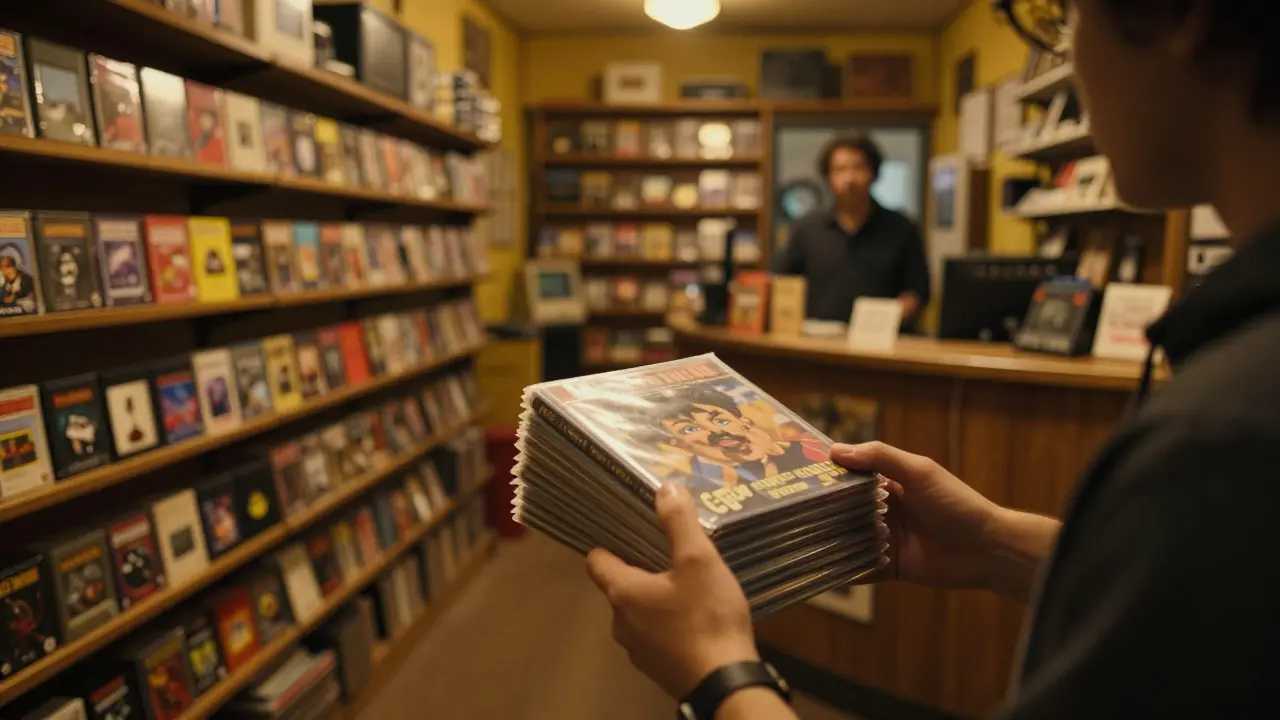
You have two main paths: convenience or profit. Local retro game shops offer instant cash but take a significant cut. They typically buy at 40-60% of the current retail value. Why? Because they need to cover overhead, risk of unsold stock, and labor for testing/cleaning. If you have a bulk lot of common games (e.g., 50 PS1 titles), a local store is the best option. You save time, and they get volume. Ask for a "bulk rate" per hour rather than per item; this often yields a better total payout for large lots.
Online platforms like eBay, Mercari, or specialized forums allow you to keep 80-95% of the sale price. However, you handle shipping, packaging, and disputes. For high-value items (over $50), online is almost always superior. For low-value items (under $10), the shipping cost eats your profit. A good rule of thumb: Sell anything under $15 locally or bundle it. Sell anything over $50 online. For the middle ground ($15-$50), decide based on your time availability. If you enjoy photography and writing descriptions, go online. If you hate admin work, go local.
Negotiation Tactics and Red Flags
When dealing with a store owner, watch for these tactics:
- The "We Have Too Many": If they say they already have three copies of *Tetris*, they’re bluffing. Common games turn over fast. Push back by citing recent sold comps.
- The "It Needs Repair": If a console has a dead battery, the fix costs $10. Don’t let them deduct $50. Offer to leave the battery in place and note it as a minor flaw.
- The "Lowball Anchor": They might offer $10 for a $30 game. Counter with evidence. Show them a screenshot of a similar item selling for $28 last week. Specificity wins arguments.
Common Mistakes That Kill Deals
Avoid these pitfalls to ensure smooth transactions:
- Mixing Generations: Keep NES, SNES, N64, etc., in separate bags. Organized lots are easier to appraise and faster to sell.
- Missing Parts: If a controller is broken, say so upfront. Hiding defects leads to returned sales or bad reviews online.
- Ignoring Trends: Prices fluctuate. *Pokémon Gold/Silver* spikes every few years during anniversaries. Check current trends before selling.
- Poor Packaging: Use bubble wrap for discs. Static cling attracts dust. Store items in anti-static bags if you plan to hold them for a while.
Frequently Asked Questions
How much do local stores pay for retro games?
Most local stores pay between 40% and 60% of the current retail value. Bulk lots may receive a flat hourly rate instead of per-item pricing, which can sometimes result in higher total earnings for large collections.
Is it better to sell complete sets or loose games?
Complete in Box (CIB) sets generally command 3-5 times the price of loose copies. However, if the box is damaged, the premium decreases. For very common titles, loose copies are still easy to sell, but for rare titles, the box is essential for maximum value.
Do I need to test my games before selling?
Yes. Testing is crucial. A game that doesn’t load is worth significantly less. If you don’t have the hardware, consider selling to a local store that tests items in-house. Online buyers expect tested items, and untested sales carry a higher risk of returns.
Which retro consoles hold value the best in 2026?
In 2026, the PlayStation 2, Nintendo 64, and Sega Dreamcast continue to hold strong value due to their extensive libraries and cult followings. Handhelds like the Game Boy Advance and PSP also remain popular among casual collectors. Rare first-party titles for these systems tend to appreciate steadily.
Should I clean my games myself or hire a pro?
For most items, DIY cleaning is sufficient and saves money. Use isopropyl alcohol for cartridges and gentle soap for discs. Hire a professional only for high-value items with severe damage, such as water-stained manuals or heavily scratched limited-edition boxes.