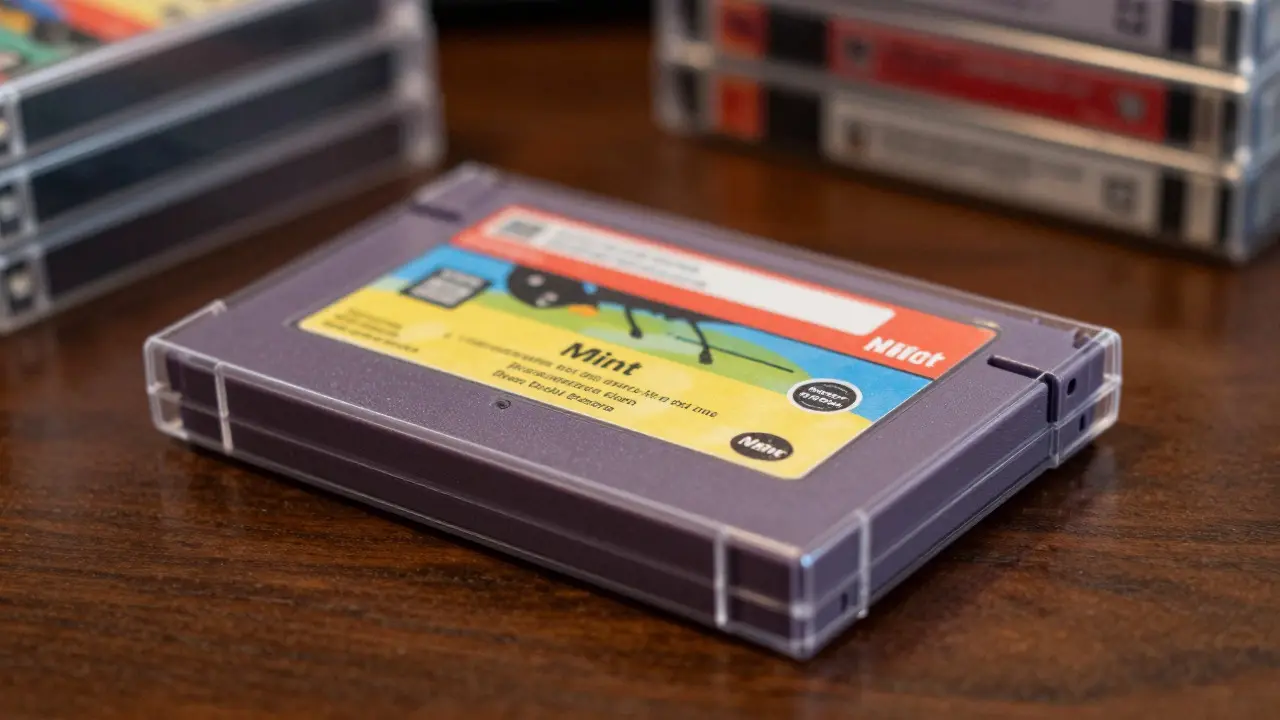
You hold a copy of Super Mario Bros. from 1985. It’s in the original box, the manual is crisp, and the cartridge looks untouched. Your friend says, "Just sell it on eBay for $200." Another collector whispers, "Get it graded by PSA; it could be worth $4,000." Who is right? The answer isn’t obvious, and getting it wrong can cost you hundreds or even thousands of dollars.
The decision between sending a game to a professional grading service or selling it as-is ("raw") depends on three things: the game’s rarity, its current condition, and your patience. This guide breaks down the math, the risks, and the strategy so you can make a move that protects your investment.
Understanding the Grading Landscape
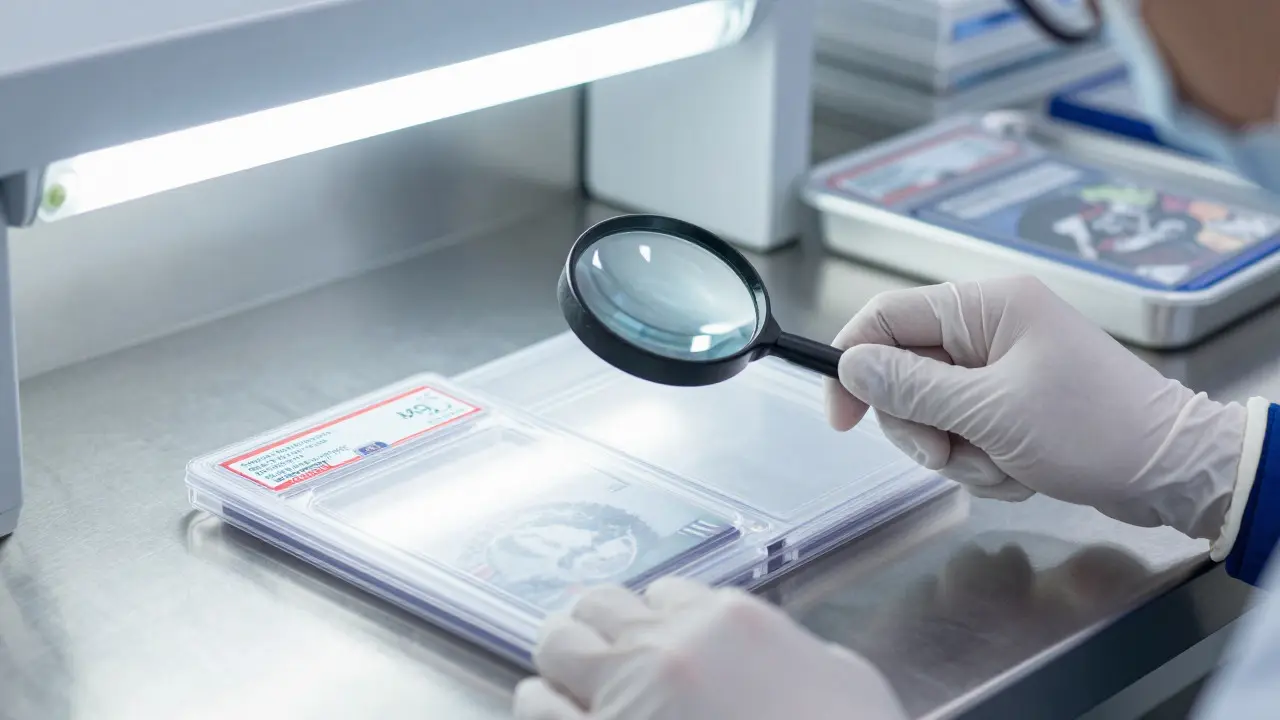
Professional grading involves submitting a video game to a third-party company that inspects, authenticates, and assigns a numerical score based on specific criteria. The most prominent services in the market are Professional Sports Authenticator (PSA), a leading grading company known for its strict standards and high market liquidity, Video Game Authentication (VGA), a service that focuses specifically on video media with detailed condition reports, and Beckett Grading Services (BGS), known for its 10-point scale and sub-scores for individual components like the case and manual.
Each company uses slightly different scales. PSA and VGA typically use a 1-10 scale where 10 represents "Mint" condition. BGS also uses a 10-point scale but provides sub-scores for factors like centering, corners, edges, and surface. For video games, the key attributes evaluated usually include:
- Case Condition: Scratches, warping, hinge wear, and label integrity.
- Cartridge/CD/DVD Condition: Label fading, plastic discoloration, and physical damage.
- Manual & Inserts: Presence, page tears, spine creases, and ink quality.
- Authentication: Verification that the game is not a re-release, bootleg, or reproduction.
The final grade determines the price ceiling. A "Gem Mint 9" game often commands a premium over a "Near Mint 8," but the gap between an 8 and a 7 can be significant depending on demand.
The Economics: When Does Grading Pay Off?
Grading is not free. You pay submission fees, insurance, and shipping. As of 2026, standard turnaround times at major companies range from 30 to 60 days, with express options available for higher fees. Let’s look at the numbers.
| Factor | Selling Raw | Graded Submission |
|---|---|---|
| Upfront Cost | $0 (plus listing fees) | $50 - $150+ (fees + insurance) |
| Time to Sale | Days to Weeks | Months (grading + shipping + listing) |
| Price Potential | Moderate (buyer discounts for risk) | High (verified condition commands premium) |
| Risk Factor | Buyer disputes, shipping damage | Lower grade than expected, authentication fail |
| Best For | Common titles, lower-value games (<$200) | Rare titles, high-value games (>$500) |
A general rule of thumb: if the game’s potential value is under $200, grading rarely makes sense. The fees eat up too much of the profit margin. However, for games valued at $500 or more, the premium attached to a high grade often outweighs the costs. For example, a raw copy of a rare first-print Pokémon Red might sell for $1,500. If it grades a PSA 9, it could fetch $3,500. That $2,000 difference easily covers the $100 grading fee and months of waiting.
Assessing Your Game’s Condition
Before you decide, you need an honest assessment. Many collectors overestimate their items. Here is how to self-grade using industry standards:
- Check the Case: Hold the case up to a bright light. Look for hairline scratches, yellowing, or cracks along the seams. A "Mint 10" case must be virtually flawless. Any visible scratch under magnification likely drops it to a 9 or lower.
- Inspect the Cartridge/Disc: Check the label for fading, peeling, or stickers. Plastic should be clear, not cloudy. For discs, check for scuffs that might affect readability or appearance.
- Examine the Manual: Open the manual slowly. Look for spine creases, dog-ears, or water stains. A perfect manual is essential for a top-tier grade.
- Verify Authenticity: Are there any signs of tampering? Re-sealed cases or mismatched manuals are red flags. If unsure, consider a pre-submission inspection by a local dealer.
If your game has minor flaws but is still in great shape, it might land a PSA 8 or VGA 8. These grades are still valuable but don’t command the same premium as 9s or 10s. If the game has noticeable wear, it might be better to sell raw, as buyers expect some imperfection in non-graded items.
Market Dynamics and Liquidity
Liquidity refers to how quickly you can sell an item without sacrificing price. Graded games have higher liquidity because buyers trust the grade. They don’t need to inspect the item personally, which expands the pool of potential buyers. Raw games require more caution from buyers, who may offer less money to account for the risk of hidden defects.
However, the market fluctuates. During boom periods, even raw games sell quickly at high prices. In slower markets, graded games hold their value better because the grade provides a benchmark. If you plan to hold onto the game for years, grading adds long-term stability. If you need cash now, selling raw might be faster, though potentially for less.
Strategic Scenarios
Different situations call for different approaches. Consider these common scenarios:
- The Rare Gem: You have a first-print Street Fighter II with all accessories. It’s pristine. Action: Grade it. The potential upside is huge, and the low risk of a bad grade justifies the wait.
- The Common Title: You have a Super Mario World in good shape. It’s not rare. Action: Sell raw. Grading fees will eat into your profit, and the premium for a high grade won’t be enough to justify the cost.
- The Uncertain Condition: You have a Final Fantasy VII that looks great, but you’re not sure about the manual. Action: Get a second opinion from a local expert or send it for a pre-submission inspection. If it’s borderline, consider selling raw to avoid the risk of a lower-than-expected grade.
- The Investment Play: You’re buying games to hold for 5-10 years. Action: Grade them. High-grade items appreciate more steadily and are easier to resell later.
Common Pitfalls to Avoid
Even experienced collectors make mistakes. Watch out for these:
- Overpaying for Express Service: Unless you need the game back quickly, standard turnaround is cheaper and sufficient.
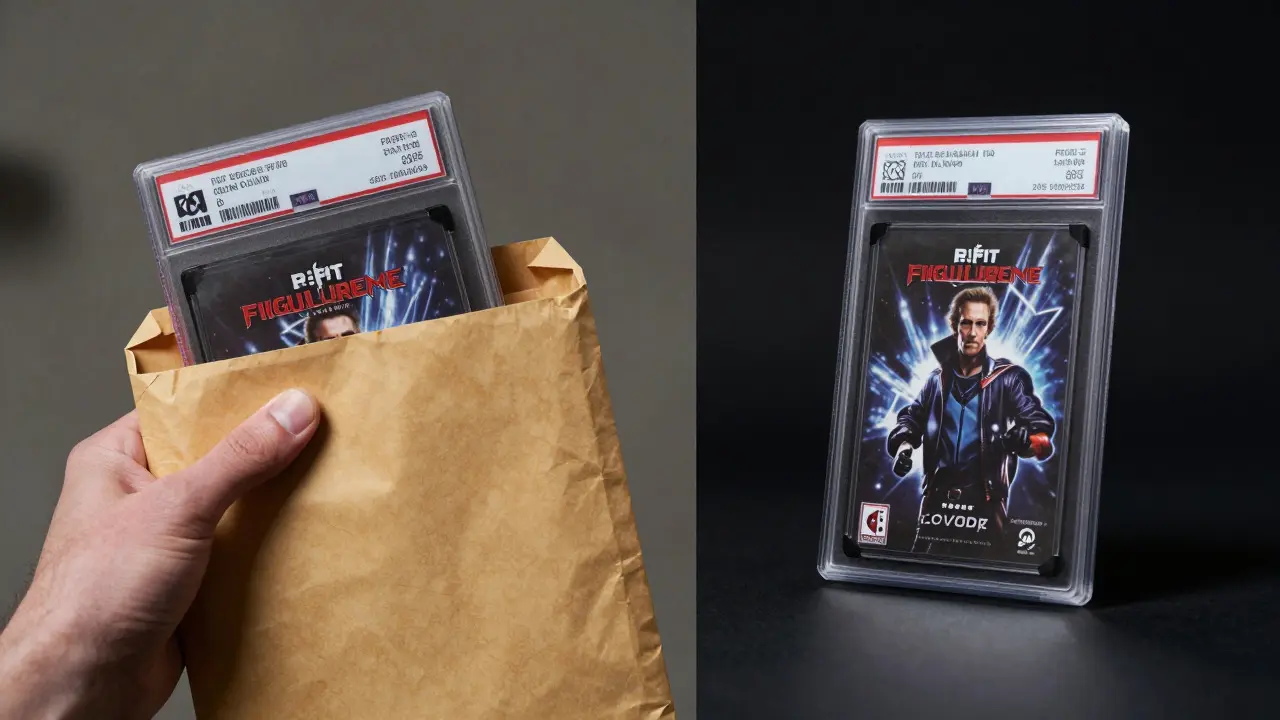
- Ignoring Insurance: Always insure your shipment. Losing a $5,000 game in the mail is a disaster.
- Chasing 10s: Not every game deserves a 10. If it’s not perfect, aim for a 9. A 9 is still highly desirable and less risky.
- Forgetting the Manual: A perfect game with no manual is worth significantly less. Ensure all components are included before submitting.
Frequently Asked Questions
Is PSA grading worth it for video games?
Yes, for high-value or rare games. PSA grades are widely recognized and add a premium to the sale price. For common or low-value games, the fees may outweigh the benefits.
What is the difference between selling raw and graded?
Selling raw means selling the game as-is, without professional verification. Graded games come with a certified condition report, which increases buyer confidence and often results in a higher sale price.
How long does it take to get a video game graded?
Standard turnaround is typically 30-60 days, depending on the grading company and volume. Express options can reduce this to 10-20 days but cost more.
Can a graded game lose value?
Yes, if the market cools or if the grade is lower than expected. However, graded items generally hold value better than raw items during market downturns due to their verified condition.
Which grading company is best for video games?
PSA is the most popular and liquid option. VGA is respected for its focus on video media. BGS offers detailed sub-scores. Choose based on your target market and preference for detail.