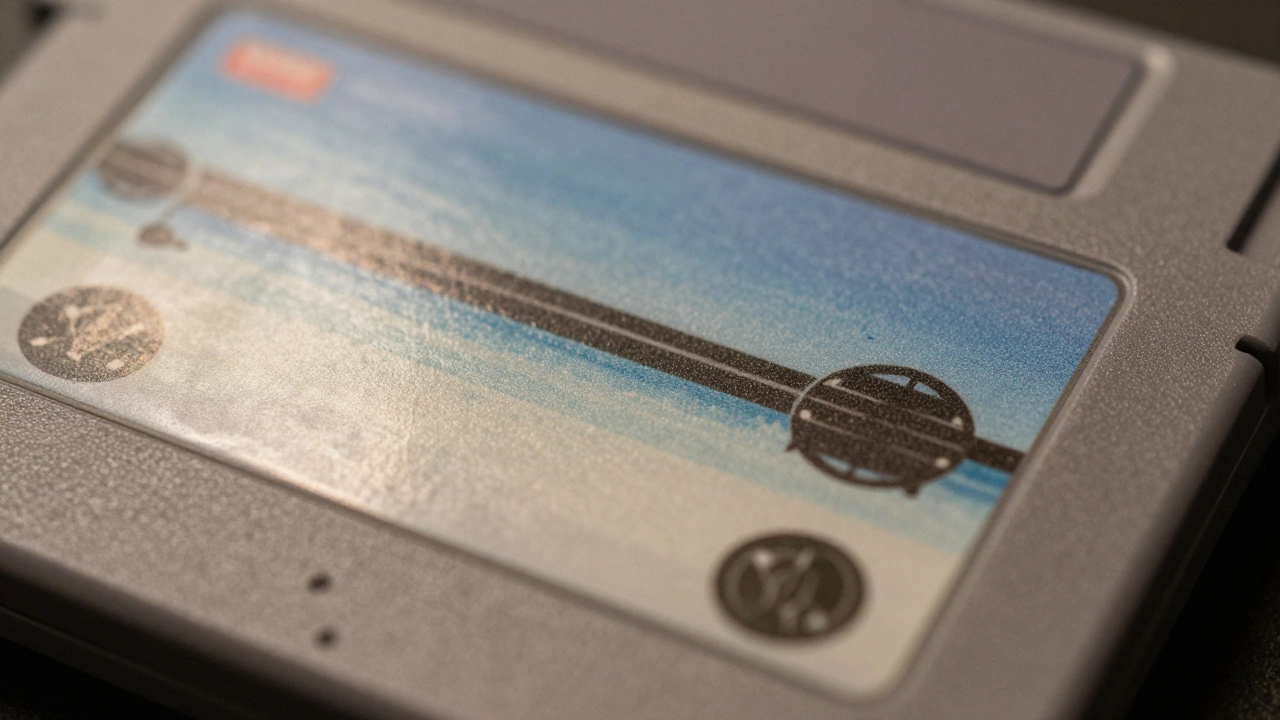
You open the package. The cartridge looks pristine. The label shines under the light. But something feels off. Maybe the plastic casing is slightly thinner, or the logo sits just a millimeter too far left. In the world of retro gaming, buying fake products isn't just a financial loss; it's a blow to the spirit of collecting itself. As we navigate the market in 2026, the line between counterfeit goods and legitimate reproductions has blurred dangerously.
If you've ever felt hesitant buying a rare Pokémon card or a vintage NES cart online, you're right to be worried. The supply chain is messy. Counterfeiters have professionalized their operations, sourcing blanks from mass manufacturers and reselling them through major platforms. You aren't just fighting shady guys in basements anymore; you are fighting organized drop-shipping networks hiding behind customer service policies.
The Difference Between Reproductions and Counterfeits
To protect yourself, you need to understand exactly what you are holding. Technically, there is a distinction between a 'reproduction' and a 'counterfeit,' though both hurt collectors who expect original hardware.
Reproduction Cartridge is a modern copy made to function like an original game, often sold transparently as 'new old stock' fakes.These are often manufactured in bulk on AliExpress or Alibaba. Sellers import them, slap on generic labels, and list them on eBay. They might work on your emulator console, but they lack the authenticity of the original hardware. A counterfeit, however, tries to pass itself off explicitly as a genuine used product from the release era, often utilizing stolen branding assets.
Visual and Label Inspection Techniques
Before you even consider opening the case, look closely at the packaging and the sticker. Counterfeiters often steal high-resolution scans from websites like DeviantArt or auction sites to print their own labels. These rarely match the factory press perfectly.
Start with the ESRB rating. On older systems, specifically SNES and Game Boy, the rating system was different. If you see an 'E' (Everyone) rating on a classic-era cartridge, pause. Many originals carried the defunct 'K-A' (Kids to Adult) rating. An 'E' rating on an older game suggests a later re-release or, more likely, a fake. Also, watch for incorrect coloring on the rating logos. Official ratings had specific color gradients that cheap laser printers struggle to replicate accurately.
Font consistency matters immensely. Look at the text on the box art. Did the letter spacing shift? Are certain letters emboldened when they shouldn't be? For example, official Pokémon Company games have specific font weights. Fakes often use standard fonts that look almost right but lack the proprietary styling.
- Glossiness: Authentic labels usually have a matte finish or specific lamination texture depending on the region. Fake labels often look overly shiny or sticky.
- Alignment: Factory-printed labels are centered. Hand-stamped fakes can drift by half a millimeter.
- Spelling: Check for typos. It sounds basic, but misspelled developer names or copyright dates are red flags.
Hardware Authentication: Inside the Shell
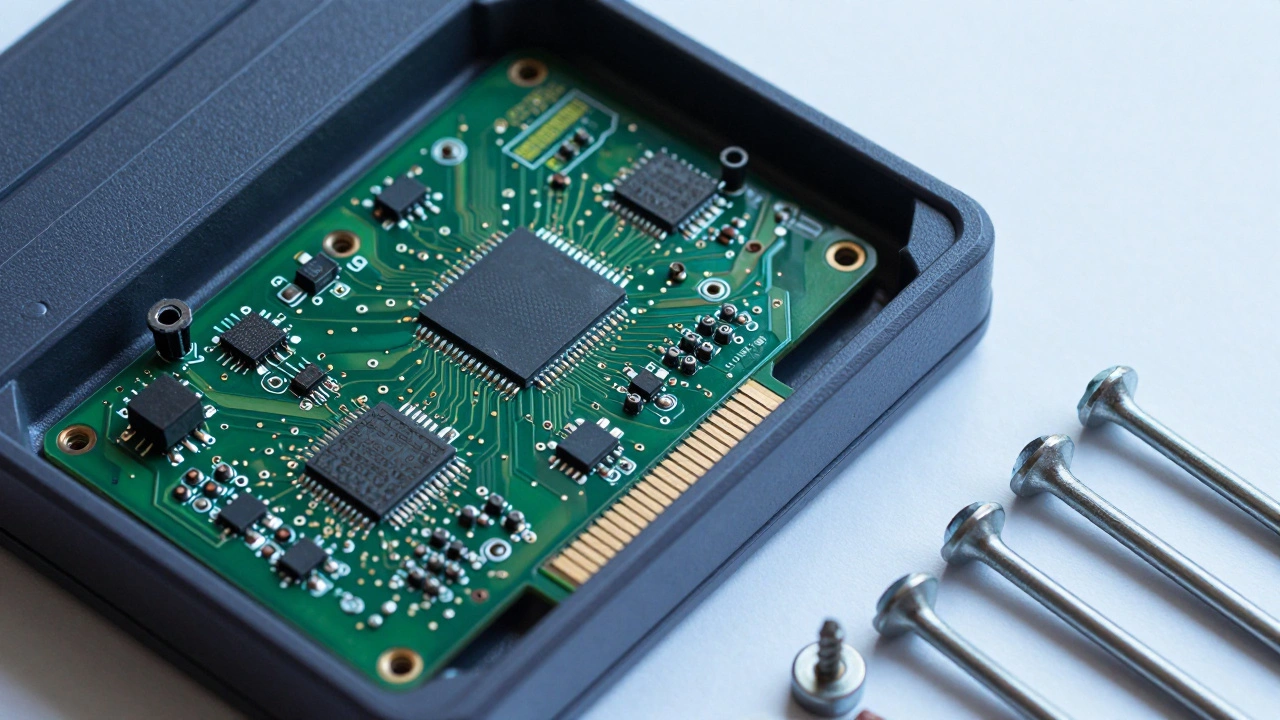
This is where certainty comes from. Opening a cartridge is controversial among some purists, but it is the only way to verify the Printed Circuit Board (PCB). If you cannot open it during the sale negotiation, ask for clear photos of the motherboard.
Printed Circuit Board (PCB) is the internal electronic board containing the game code and components, serving as the definitive ID for authenticity.Licensed manufacturers like Nintendo stamped their boards with serial numbers, chip IDs, and specific copyright years. Compare these against verified databases online. Many fakes use salvaged boards from cheap, common games. Imagine someone taking a cheap Zelda clone board, flashing it with the ROM of a rare title, and selling it as 'rare.' Without checking the board markings, you wouldn't know.
Screwheads are another tell-tale sign. Most cartridges from the mid-Nintendo era utilize specialized Gamebit screws. These have unique drive patterns that require specific screwdrivers costing less than $10. If a cartridge opens easily with a standard micro-screwdriver found in any household toolbox, it is almost certainly a reproduction. Genuine units were designed with security features to prevent casual tampering.
| Feature | Authentic Original | Fake Reproduction |
|---|---|---|
| Cartridge Screws | Gamebit (specialized bit required) | Standard Phillips/Slotted |
| Label Texture | Matte or consistent gloss | Overshiny, peeling edges |
| PCB Logos | Nintendo/NES Logo + Serial Number | Generic Text or Missing Stamps |
| Soldering | Clean machine soldering | Messy or uneven hand-soldering |
| Connector Pins | Straight, even platingWiring issues, bent pins |
Evaluating Online Sellers and Marketplaces
The platform matters less than the seller, but some environments breed risk. Drop shippers operate globally. They buy from China in bulk, upload photos, and let customers handle shipping. When you buy from an individual listing, ask direct questions. "Why are you selling?" "When did you purchase this?" "Have you tested it recently?" Honest answers provide confidence. Vague, robotic responses suggest a script used by hundreds of other listings.
Price is a major filter. If a highly sought-after title like Pokémon Platinum is listed significantly below market value without a logical reason (like damage), assume it is fake. The cost of blank shells alone limits how low prices can go. Sellers listing over fifty copies of a rare game indicate mass production rather than personal collection sales.
Packaging provides clues too. Legitimate used games often come in bubble wrap or simple bags. Reproduction sellers frequently ship games in tiny, custom-molded plastic cases that look suspiciously new. Authentic used items show signs of age on the case and connector gold pins. A perfectly clean connector pin on a 'used' item is a strong indicator of a reprint.
Legal Remedies and Consumer Protections
Finding a fake is frustrating, but knowing your rights empowers you. Buying a fake is a form of fraud. While pursuing criminal charges against international counterfeiters is nearly impossible for individuals, you have recourse through consumer protection channels.
If you purchased via PayPal or a credit card, file a dispute immediately upon verification of inauthenticity. Credit card companies generally view 'Item Not As Described' claims favorably for buyers. Provide documentation of the discrepancy-compare the PCB photos you received versus what you actually got. Platforms like eBay and Amazon have increasingly strict anti-counterfeit policies, driven by pressure from major publishers like Nintendo and Sony. Submitting a report helps ban repeat offenders.
In the United States, the Lanham Act protects against false advertising and trademark infringement. Selling a reproduction as an original violates federal trademark laws. While suing an overseas seller is impractical, reporting the listing to the platform's Trust and Safety team triggers investigations. Persistent infringers lose accounts, which stops the immediate harm.
However, you must act fast. Dispute windows are short. Document everything: screenshots of the listing, chats with the seller showing hesitation to inspect, and photos of the received item. Evidence of deception strengthens your claim for a full refund plus return shipping costs.
Troubleshooting and Next Steps
If you suspect you bought a fake, do not open the cartridge until after you have secured a refund policy confirmation from the seller. Once you confirm it is fake, keep the packaging intact until shipping back.
For those who want to play these games safely without the legal gray areas of reproduction hardware, emulators offer a legal path if you own the ROM backup of games you already possess physically. It keeps the market honest by reducing demand for illicit manufacturing.
Stay vigilant. The tools are available, but the temptation of a low price is real. If you stick to reputable sellers who allow PCB inspection, you protect yourself and support the legitimacy of the hobby.
Can I sue a seller for selling a fake game cartridge?
Technically yes, under trademark laws, but for small individual amounts, it is not cost-effective. Instead, use chargebacks or platform dispute mechanisms. Litigation is reserved for large-scale counterfeit operations.
Are reproduction games illegal to own?
Owning them is generally a civil matter for the owner, but manufacturing and selling them as originals is illegal. However, owning unauthorized reproductions exists in a gray area; enforcement focuses on sellers, not private owners.
How much do Gamebit screwdrivers cost?
A quality set of retro game screwdrivers, including Gamebit bits, typically costs between $10 and $20. This small investment is crucial for physical authentication.
What does the K-A rating mean on SNES games?
It stands for 'Kids to Adult,' the predecessor to the ESRB ratings. Its presence confirms an early run SNES game. Seeing an 'E' rating on an early game implies it is a reproduction.
Does eBay remove fake game listings automatically?
They try using AI and brand protections, but they miss many. Manual reporting by buyers is still the fastest way to remove harmful listings.