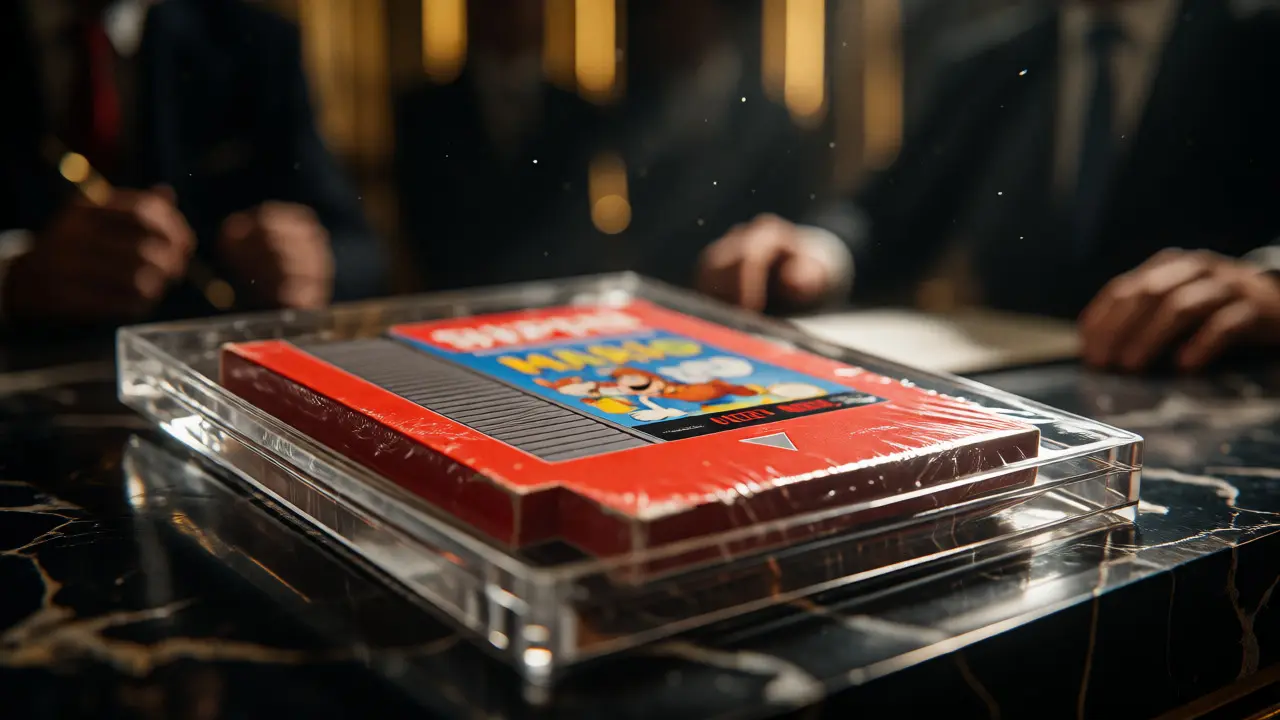
Imagine paying $2 million for a piece of plastic and paper. It sounds insane until you realize it’s not just any cartridge-it’s a sealed copy of Super Mario Bros. from 1985, still in its factory shrink wrap. This isn’t a hypothetical; it actually happened. The world of high-end video game auctions has exploded, turning forgotten childhood toys into blue-chip investments. But what separates a $50 garage sale find from a seven-figure asset? It comes down to provenance, condition, and the specific story behind the item.
The Anatomy of a Record Sale
When we look at the biggest sales in history, a pattern emerges. It’s rarely about the game itself being "fun" to play today. It’s about scarcity and historical significance. Take the Super Mario Bros. sale mentioned earlier. Sold by Heritage Auctions in August 2021 for $2,040,000, this wasn't just a game; it was a time capsule. It represented the peak of Nintendo’s dominance and the birth of modern gaming culture. Buyers weren’t looking for gameplay mechanics; they were buying a piece of cultural history that no longer exists in new condition.
This leads us to the primary driver of price: Wata Games grading. Before these items hit the auction block, they are almost always graded by professional services like Wata or VGA (Video Game Authority). These companies assign a numerical score based on the completeness of the box, the condition of the manual, and the integrity of the seal. A score of 9.8 versus a 9.6 can mean a difference of hundreds of thousands of dollars. Why? Because collectors are perfectionists. They want the best example available, and there is only one "best" in existence.
Case Study 1: The Super Mario Bros. Phenomenon
The $2 million sale of Super Mario Bros. shattered previous records, but why did it command such a premium? First, it was an early production run. Early copies had different packaging details that later reprints lacked. Second, it was found in a pristine state, which is incredibly rare for a mass-produced item from the 80s. Most people ripped open their games immediately. Finding one still sealed is like finding a mint-condition comic book issue #1.
Another factor was the buyer profile. In recent years, tech billionaires and hedge fund managers have entered the market. They treat these items as alternative assets, similar to art or wine. When a high-net-worth individual wants to diversify their portfolio, a unique, historically significant artifact with a clear provenance offers tangible value. The emotional connection to nostalgia also plays a role. For many buyers, owning the definitive copy of the game that defined their childhood is worth whatever the market demands.
Case Study 2: The Nintendo World Championships Cartridge
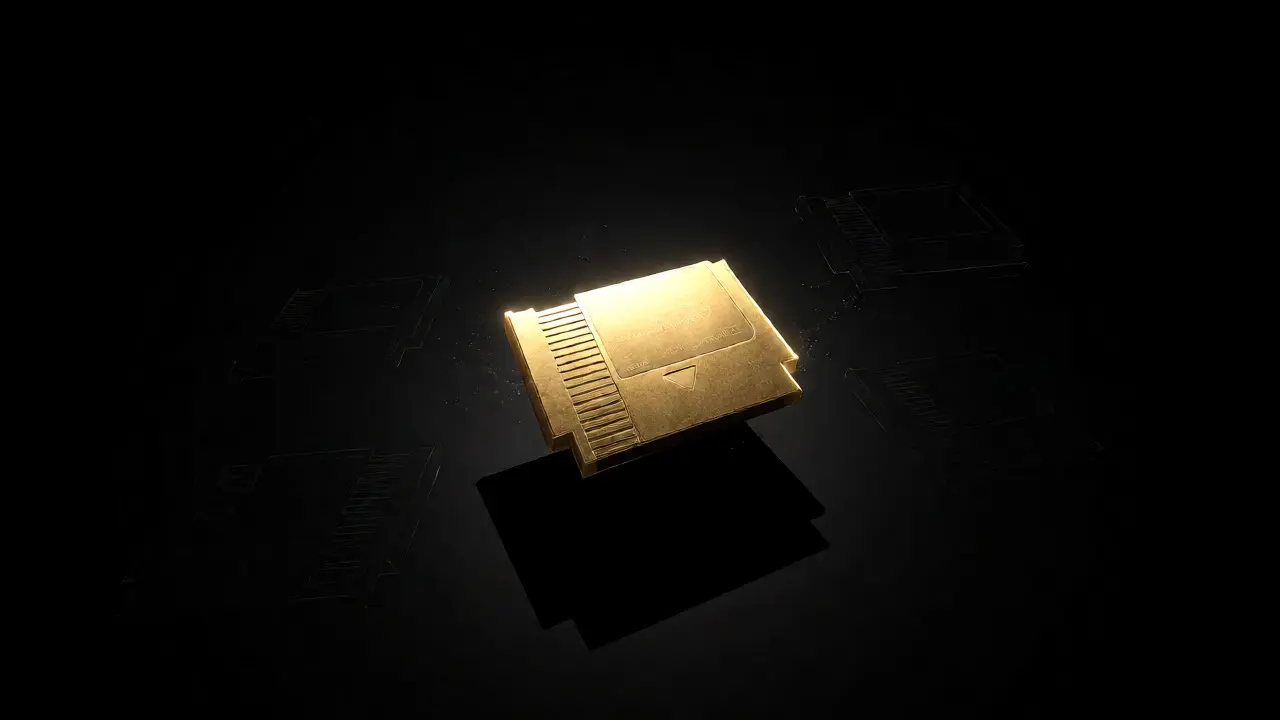
If Super Mario Bros. is the king, then the Nintendo World Championships gold cartridge is the crown jewel of rarity. Only a handful of these were ever made-mostly distributed as prizes in the late 1980s and early 1990s. One sold for $100,000 in 2015, but prices have skyrocketed since. In 2021, a graded copy went for over $170,000.
What drives this price? Extreme scarcity. Unlike commercial releases where millions were printed, promotional cartridges often had runs of fewer than 50 units. Many were lost, damaged, or discarded because recipients didn’t realize their value. Today, finding one in complete condition with its original poster and ribbon is nearly impossible. The narrative here is exclusivity. Owning one means you own something almost no one else on Earth possesses. This creates a bidding war dynamic where status and bragging rights drive the final hammer price higher than intrinsic utility would suggest.
Case Study 3: Pokémon TCG and the Cross-Over Effect
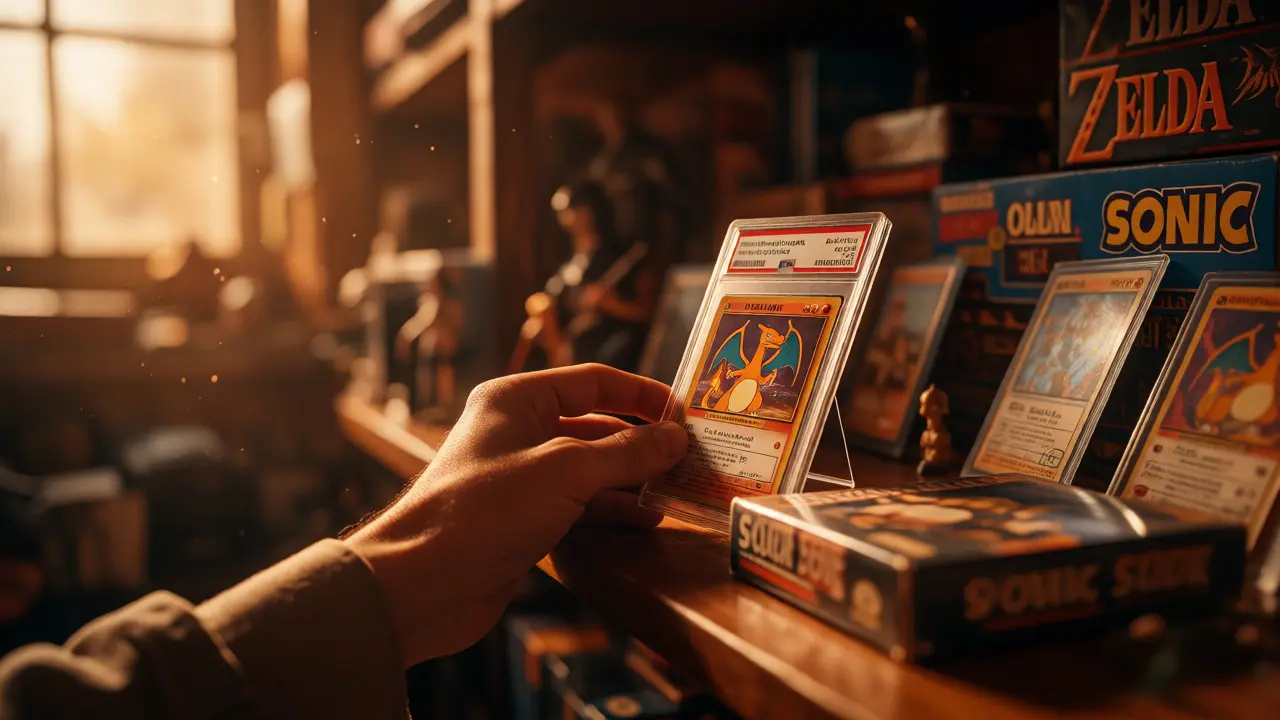
While not a video game cartridge, the Pokémon Trading Card Game illustrates how video game IP influences physical collectible markets. The Charizard card sales mirror video game trends. Logan Paul famously bought a PSA 10 Charizard for $220,000, sparking mainstream interest. This crossover effect brings liquidity into the broader retro gaming market. When celebrities talk about Pokémon cards, casual gamers start digging through their attics, uncovering hidden gems that eventually feed the auction supply chain.
The lesson here is that IP strength matters. Games with enduring franchises-like The Legend of Zelda, Sonic the Hedgehog, and Final Fantasy-command higher prices because the brand remains relevant. A obscure RPG from 1992 might be rare, but if nobody remembers it, demand stays low. Franchise power ensures a steady stream of interested bidders, keeping prices buoyant even during economic downturns.
Key Factors Driving Prices
So, what exactly pushes a video game from a nostalgic trinket to a six-figure asset? It’s a combination of hard metrics and soft psychology. Let’s break down the main drivers.
| Factor | Impact Level | Explanation |
|---|---|---|
| Condition & Grading | Critical | A high grade (e.g., 9.8+) from Wata or VGA significantly increases value due to perceived perfection. |
| Provenance | High | Documented history, such as ownership by a developer or participation in a tournament, adds narrative value. |
| Rarity | High | Low print runs or promotional exclusivity create scarcity, driving competitive bidding. |
| Franchise Strength | Medium-High | Established IPs like Nintendo or Sega ensure ongoing demand and recognition. |
| Completeness | Medium | Including manuals, boxes, and inserts (CIB - Complete in Box) boosts value over loose cartridges. |
Notice how Provenance ranks high. If you can prove your copy of Mega Man 2 was owned by a level designer at Capcom, its value jumps. Documentation is key. Without receipts, photos, or letters, provenance is just a story. With documentation, it’s evidence.
The Role of Nostalgia Economics
We live in an era of aggressive nostalgia. Millennials and Gen Z are now adults with disposable income, and they’re spending it on recreating the feelings of their youth. This demographic shift fuels the market. Platforms like eBay and specialized auction houses report surges in bids from buyers aged 30-45. They aren’t buying these games to play them; they’re buying them to display them.
This psychological component is powerful. A sealed copy of EarthBound sells for thousands not because the game is technically superior to modern titles, but because it represents a specific moment in time when RPGs were breaking into the Western mainstream. The emotional resonance overrides logical cost-benefit analysis. You’re paying for the memory, packaged in cardboard.
Pitfalls for New Investors
Thinking about diving in? Be careful. The market has pitfalls. First, fakes exist. Reproduction seals and counterfeit boxes can fool untrained eyes. Always buy from reputable auction houses or sellers with strong feedback histories. Second, liquidity can be poor. Unlike stocks, you can’t sell a rare game instantly at fair market value. It takes time to find the right buyer who values the item as much as you do.
Also, beware of hype cycles. Prices spiked dramatically during the pandemic lockdowns, partly due to boredom and excess free time. While long-term trends remain upward, short-term corrections happen. Don’t buy at the absolute peak unless you plan to hold for decades. Diversification helps. Instead of putting all your money into one ultra-rare item, consider a mix of high-grade staples and mid-tier rarities.
Future Outlook for Retro Gaming Collectibles
Where does this market go next? As digital distribution dominates, physical media becomes increasingly rare. Future generations may view sealed cartridges similarly to how we view vinyl records-nostalgic artifacts rather than functional tools. This could further inflate prices for iconic titles.
Additionally, as more institutional investors enter the space, standardization will improve. We’ll likely see more financial products tied to collectibles, perhaps even fractional ownership of high-value items. For now, though, the thrill of the hunt remains. Whether you’re in Portland hunting at flea markets or watching online auctions, the core appeal is unchanged: owning a piece of history that defies logic but satisfies the soul.
Why are sealed video games so expensive?
Sealed video games are expensive primarily due to scarcity and condition. Most games opened in the 80s and 90s were played and discarded, leaving very few in pristine, factory-sealed condition. High grades from professional grading services like Wata Games certify this condition, creating trust among high-net-worth buyers who treat these items as investment assets.
What makes a video game 'rare' in auctions?
Rarity is determined by print run size, survival rate, and regional exclusivity. Promotional items like the Nintendo World Championships cartridge are extremely rare because only a few dozen were produced. Additionally, games released in limited regions or specific years with low sales figures become rare over time as copies are lost or destroyed.
Do video games appreciate in value like stocks?
Top-tier video games have shown significant appreciation, often outperforming traditional indices over the last decade. However, they are illiquid assets. Unlike stocks, selling requires finding a specific buyer willing to pay the market price, which can take months. Value is driven by nostalgia, franchise popularity, and condition rather than dividends or earnings.
Is it worth grading my old video games?
Grading is worth it for potentially valuable titles, especially those from major franchises like Nintendo or Sega. The cost of grading ($50-$100+) can be recouped if the grade significantly boosts the item's market value. For common games, grading usually costs more than the increase in sale price, so research comparable sales before submitting.
How do I verify the authenticity of a sealed game?
Authenticity is verified through professional grading services that examine the seal material, printing quality, and internal components under magnification. Reputable auction houses also provide guarantees. Look for certificates of authenticity from recognized bodies like Wata or VGA, and check for signs of resealing, such as air bubbles or mismatched glue types.