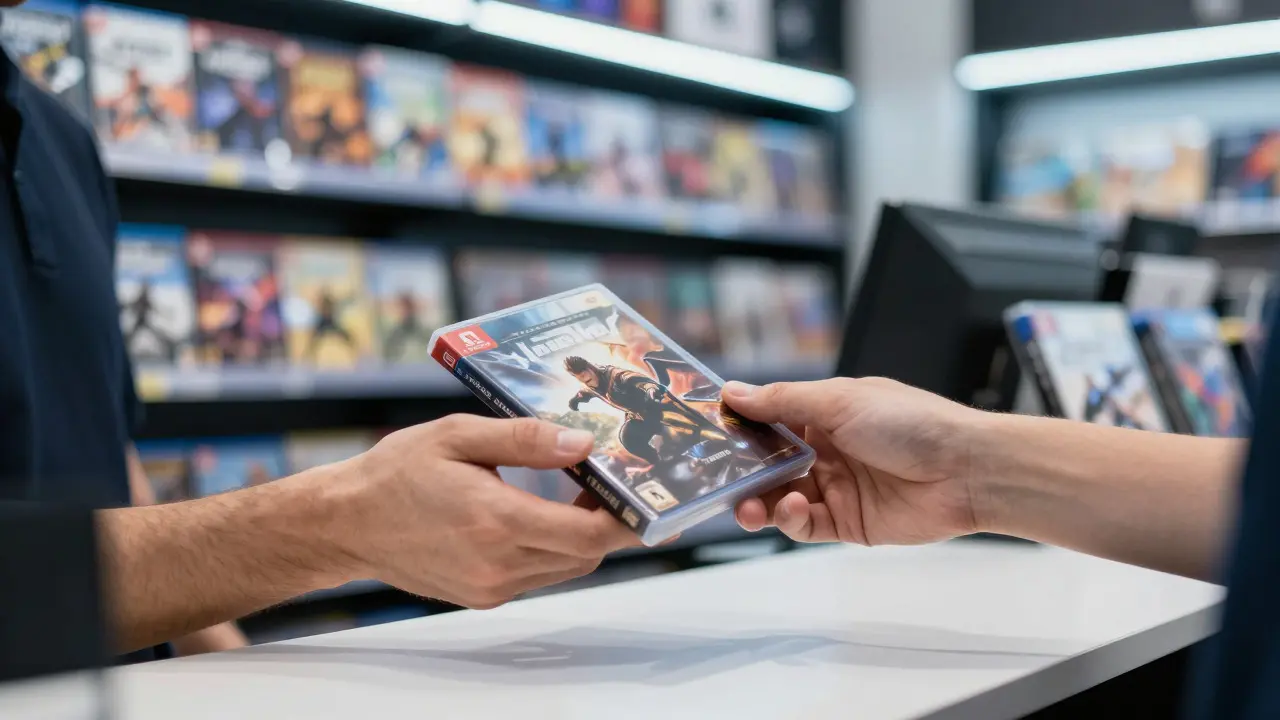
Handing over a copy of Elden Ring or the latest Call of Duty release for cash is a rite of passage for many gamers. But have you ever wondered why the price tag on your used disc varies wildly between stores? It’s not random. Behind every counter sits a complex web of algorithms, regional data, and strict physical inspection protocols that determine exactly what your game is worth. Understanding how these chains standardize their video game trade-in values can help you get the best deal and avoid common pitfalls.
Retailers don’t just guess prices; they calculate them based on real-time market demand, shelf space constraints, and the condition of the media. This guide breaks down the machinery behind the math, showing you how major chains like Best Buy, GameStop, and Walmart arrive at those specific dollar amounts.
The Core Data Engine: How Prices Are Calculated
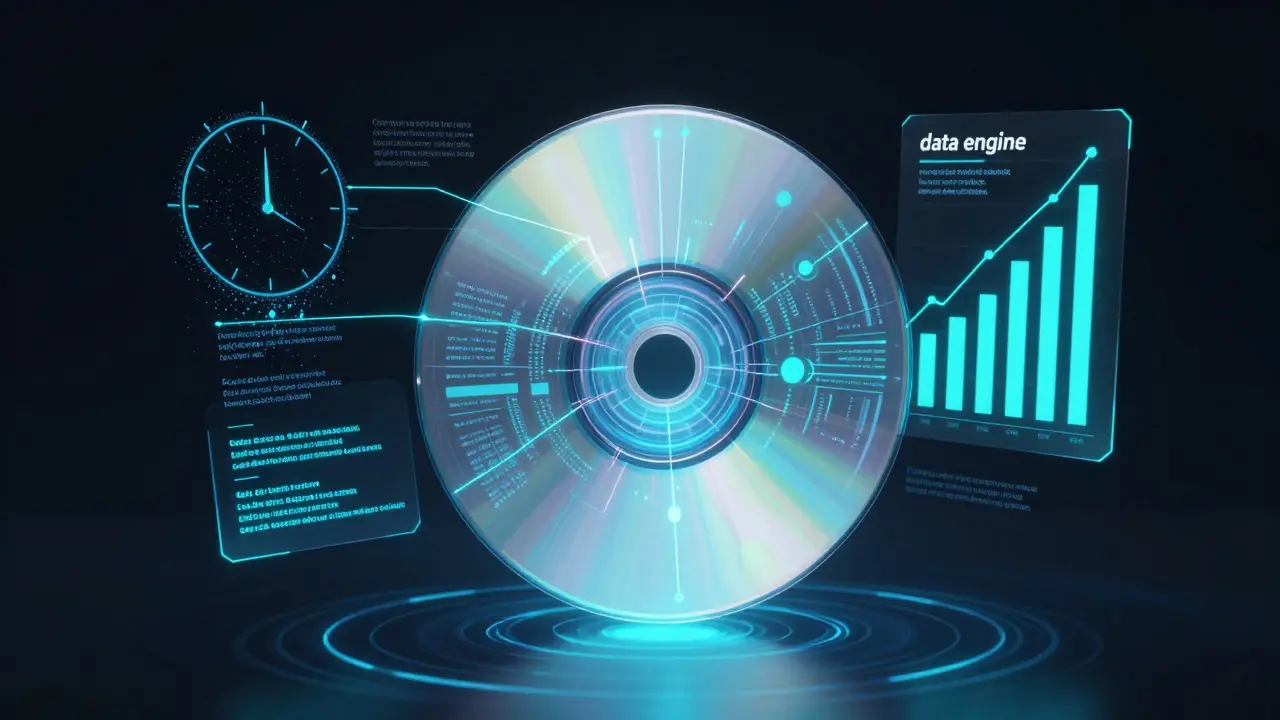
At the heart of any modern trade-in program is a centralized pricing database. This isn’t a static list updated once a year. Instead, it’s a dynamic system that ingests data from multiple sources daily. The primary input is the current retail price of the new version of the game. If a title drops from $70 to $50 in two weeks, the trade-in value adjusts immediately to reflect that depreciation curve.
Beyond the base price, the algorithm weighs several critical factors:
- Days Since Release: Games lose value fastest in the first 30 days. After six months, the curve flattens significantly.
- Genre Popularity: Multiplayer titles with active communities (like Fortnite or Apex Legends) hold value longer than single-player narratives that players finish in 20 hours.
- Regional Demand: A store in a college town might pay more for sports games during tournament season, while a suburban location might prioritize family-friendly titles.
This data feeds into a tiered structure. Most chains use a three-tier system: "Like New," "Good," and "Fair." Each tier represents a percentage discount off the maximum possible trade-in value. For example, if the max value is $20, "Like New" might yield $18, "Good" yields $14, and "Fair" yields $9. These percentages are standardized across all locations to ensure consistency, but the base number fluctuates based on the local inventory levels.
Physical Grading: The Human Element
While the software sets the ceiling, the employee behind the counter determines which tier your item falls into. This is where disputes often arise. To minimize subjectivity, large chains provide detailed visual guides and digital checklists. However, interpretation still varies by staff training level.
Here is how the physical attributes map to the tiers:
| Condition Tier | Case/Sleeve Status | Disc/Media Surface | Included Extras |
|---|---|---|---|
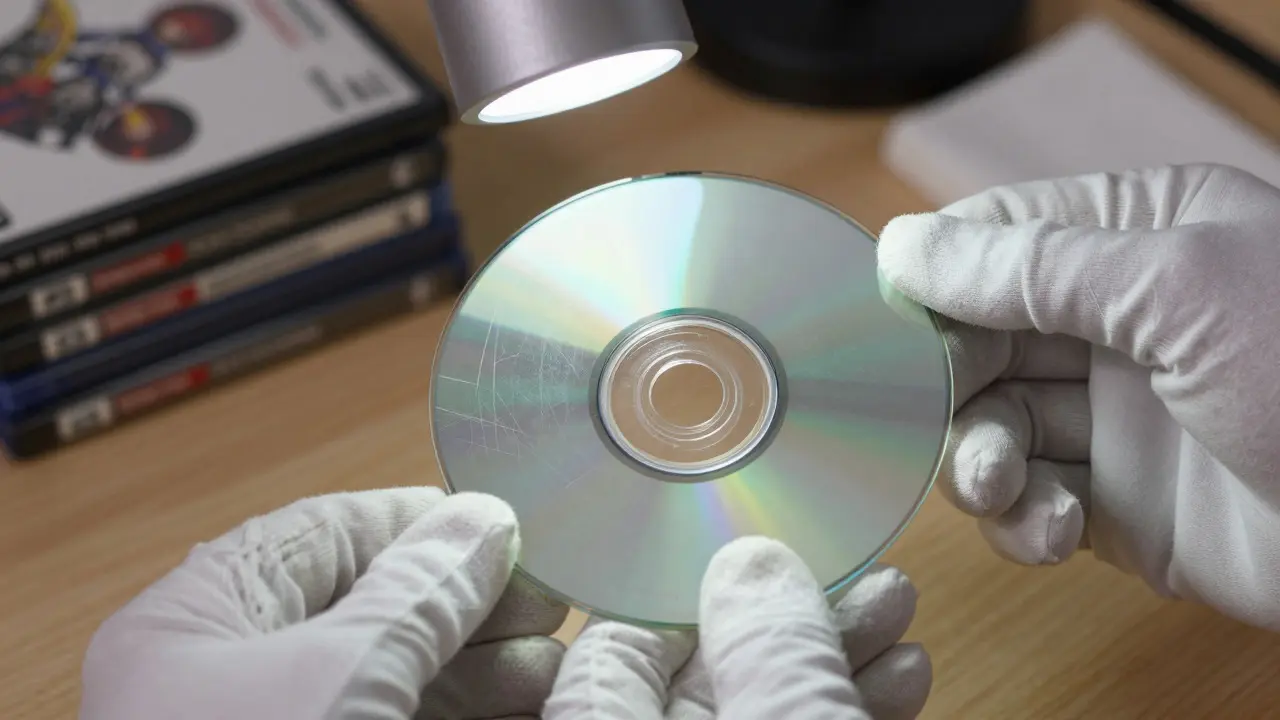
| Like New | No scratches, spine intact, no yellowing | Mirror finish, no visible scuffs under light | All manuals, inserts, and original packaging present |
| Good | Minor wear on edges, slight cloudiness acceptable | Fine hairline scratches that do not affect readability | Manual may be missing or worn; core content intact |
| Fair | Visible cracks, broken spine, heavy yellowing | Deep scratches requiring laser cleaning or repair | Missing extras; media must still load reliably |
A crucial detail here is the "readability test." Before assigning a grade, employees insert the disc into a terminal drive. If the console takes more than 15 seconds to read the data, or if it throws an error code, the item automatically drops to "Fair" regardless of how clean the case looks. This technical check ensures that only playable inventory enters the resale stock, protecting the retailer from selling defective goods.
Digital vs. Physical: A Diverging Path
For years, physical discs were the only option for trade-ins. Today, digital codes complicate the equation. When you trade in a digital game key, there is no physical media to grade. So, how do they standardize the value?
Digital trade-ins rely almost exclusively on the remaining license value. Unlike physical discs, which can be resold indefinitely, digital keys are often tied to a specific platform region (e.g., US PlayStation Store). If you bought the game in Europe and try to trade it in at a US store, the value plummets because the retailer cannot easily resell it to their domestic customer base.
Furthermore, digital games depreciate faster. Because there is no manufacturing cost for the retailer to recover, they can afford to lower the buy-back price more aggressively. On average, digital trade-in values are 15-20% lower than their physical counterparts for the same title. This gap has widened since 2024 as more publishers shift to day-one digital exclusives, reducing the secondary market liquidity for physical copies.
The Role of Inventory Depth
You might notice that some stores offer higher trade-in values than others, even for the same game in the same condition. This is due to inventory depth. If a local store already has 50 copies of Starfield sitting on the shelf, they have little incentive to buy another one from you. Their algorithm will suppress the offer to prevent oversaturation.
Conversely, if a store is running low on a popular title, the system might boost the trade-in value slightly to encourage customers to bring in copies. This creates a localized arbitrage opportunity. Savvy traders monitor online inventory trackers (when available) or simply call ahead to ask about current stock levels before making a trip. In 2026, many major chains have begun displaying real-time "high demand" badges on their websites, signaling where trade-in premiums are active.
Common Pitfalls That Lower Your Offer
Even if you know the grading criteria, small mistakes can shave dollars off your final payout. Here are the most frequent issues that cause value drops:
- Missing Barcodes: If the UPC sticker on the back of the case is peeling or torn, the scanner may fail. Employees often downgrade the item to "Fair" manually to account for the extra time needed to look up the product ID.
- Region Locks: Trading in a Japanese-exclusive game at a US store usually results in a near-zero value unless the game is English-labeled. Always check the language support on the box before visiting.
- Bundle Confusion: If you bought a game bundled with a console or a collectible figure, the trade-in value applies only to the game component. The retailer rarely pays for the hardware or peripherals separately unless they are in pristine condition.
To maximize your return, clean your discs with a microfiber cloth and store them in protective sleeves. While this doesn’t change the tier, it shows care and can sometimes sway a borderline decision in your favor during the human assessment phase.
FAQ
Do all retail chains use the same trade-in values?
No. While the grading tiers (Like New, Good, Fair) are industry-standard, the base price each chain assigns differs. Best Buy, for instance, tends to offer lower cash values but provides store credit bonuses, whereas independent shops might pay higher cash rates for niche titles. Always compare offers from at least two different retailers.
Is it better to trade in for store credit or cash?
Store credit almost always yields a higher value, typically 10-25% more than the cash equivalent. This is because the retailer retains your spending within their ecosystem. If you plan to buy accessories or new games soon, store credit is the financially smarter choice. Cash is only preferable if you need immediate liquidity outside that store.
How long does it take to process a trade-in?
For physical media, the process is immediate, taking less than five minutes per item. Digital trades can take up to 10 minutes as the employee verifies the license status on the platform. Bulk trades (more than 10 items) may require a manager override, adding 15-20 minutes to the transaction.
Can I dispute a trade-in grade?
Yes, but politely. Ask to see the grading guide or request a second opinion from a manager. Disputes are rare but successful when the issue is obvious, such as a scratched disc that was graded "Good" despite failing the readability test. Keep receipts and photos of your items before trading to support any claims.
Do seasonal sales affect trade-in values?
Indirectly, yes. During major sales events like Black Friday or Back-to-School, retailers reduce the margin on new games. To maintain profit margins, they often lower the trade-in buy-back price simultaneously. It is generally better to trade in games during off-peak seasons when new game discounts are minimal.