
Your favorite console is dead. The fan makes a grinding noise, or the disc drive just stopped spinning. You take it to a local repair shop, only to be told, "We can't open it without voiding the warranty, and you have to send it back to the manufacturer anyway." Frustrating, right? In 2026, that scenario is becoming less common, but the rules are still tricky. Right to repair laws are shifting the landscape for video game console owners, giving you more power over your hardware than ever before.
But don't get too excited yet. These laws aren't one-size-fits-all. They vary by state, apply differently to different components, and often leave room for manufacturers to create their own hurdles. Here’s what actually changed, what it means for your wallet, and how to navigate the new reality of fixing your gaming rig.
The Core Shift: From Proprietary Lockdown to Consumer Choice
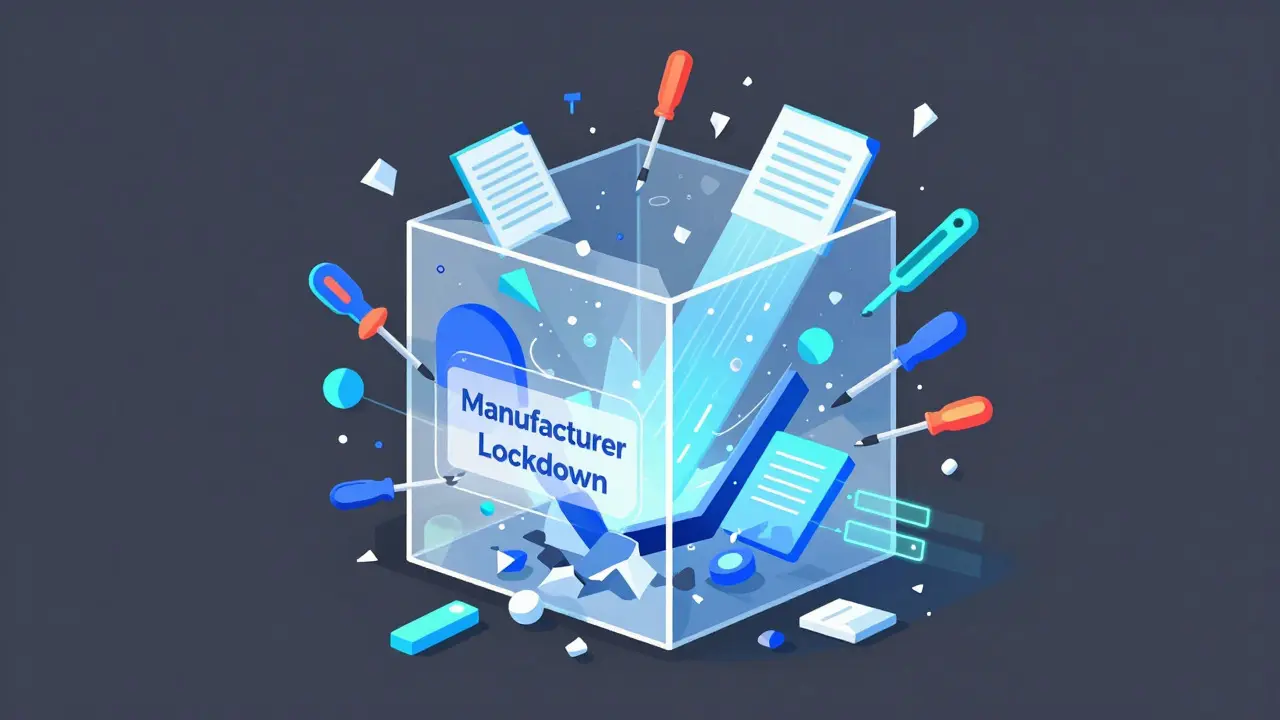
For years, major console makers like Sony, Microsoft, and Nintendo operated under a strict proprietary model. If something broke, you sent it to them. Why? Because they controlled the parts, the tools, and the diagnostic software. Independent repair shops were effectively locked out. This created a massive backlog during peak seasons and meant that if a factory was slow, your console sat idle for weeks.
Right to Repair legislation aims to break this monopoly. At its core, these laws require manufacturers to provide consumers and independent repairers with access to three critical things:
- Parts: Genuine replacement components must be available for a reasonable period after a product's discontinuation (typically 7-10 years).
- Tools: Specialized screwdrivers, prying tools, or thermal paste applicators needed for standard repairs.
- Information: Service manuals, diagnostic codes, and firmware update procedures.
In the context of gaming, this doesn't necessarily mean you can swap out the main processor easily. It mostly applies to modular components like hard drives, fans, optical drives, and power supplies. However, even these small wins add up significantly for long-term ownership.
State-by-State Variations: Where Do You Stand?
One of the biggest confusions for gamers is thinking there is a single federal law covering all electronics. As of mid-2026, that’s not the case. While federal bills have been proposed, most enforceable rules come from state legislatures. If you live in California, New York, or Colorado, you likely have stronger protections than someone in other states.
| State | Coverage Includes Consoles? | Manufacturer Obligation | Key Limitation |
|---|---|---|---|
| California | Yes (Consumer Electronics) | Provide parts/tools/info for 7 years | Does not explicitly ban anti-repair software locks |
| New York | Yes (General Electronics) | Provide service manuals & parts | Applies primarily to professional repairers first |
| Colorado | Partial (Focus on Ag Tech, expanding) | Emerging guidelines for consumer goods | Still being refined for specific device classes |
| Federal (Proposed) | Pending | N/A | No current binding force |
If you’re outside these jurisdictions, you might still benefit indirectly. Manufacturers often adopt national standards to avoid complex legal compliance across 50 different states. So, even if your state hasn’t passed specific legislation, check the warranty terms of your latest purchase-they may already include self-repair options as a competitive advantage.
What Can You Actually Fix Yourself?
Let’s be realistic. You probably won’t be soldering a GPU onto a PlayStation 5 motherboard at home. But here are the most common issues where right to repair laws have made a tangible difference:
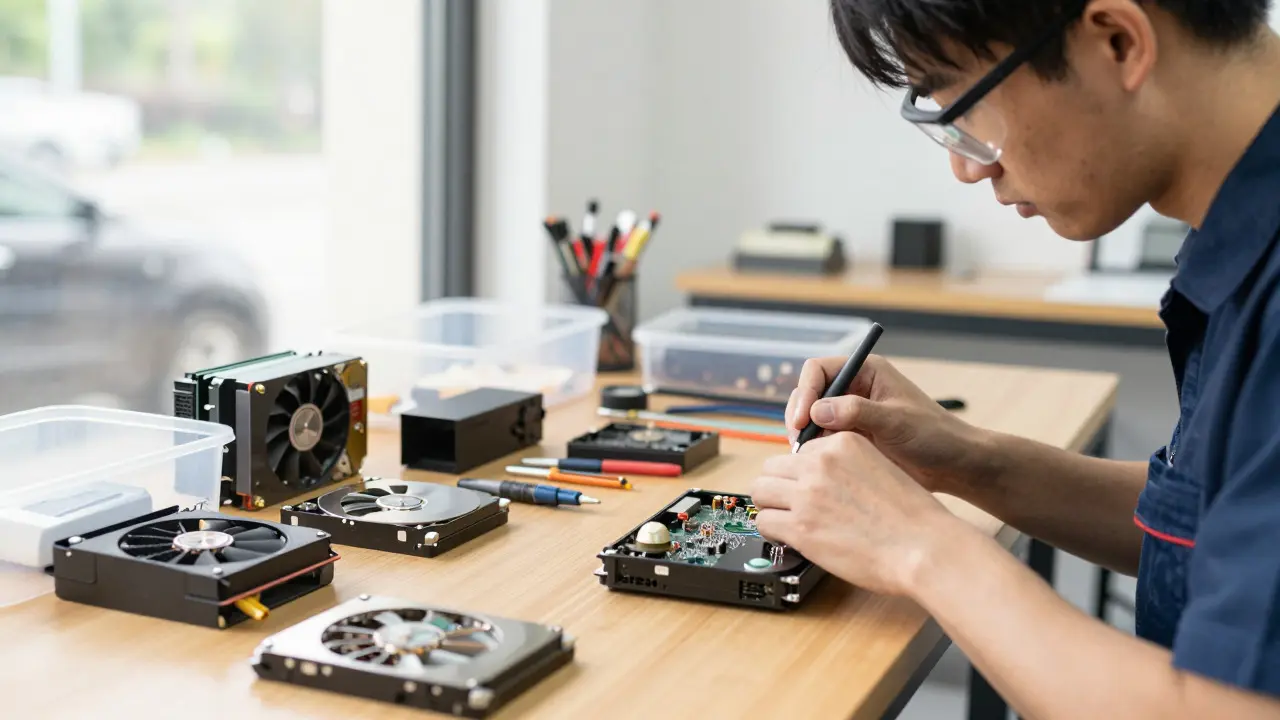
- HDD/SSD Replacement: For consoles that use user-accessible storage (like the Xbox Series X/S or PS4), swapping drives has always been easier. Now, manufacturers are required to document the exact interface requirements so third-party drives work seamlessly without weird compatibility bugs.
- Fan Maintenance: Dust buildup is the number one killer of console longevity. Access to proper cleaning guides and genuine fan replacements allows you to clean or replace these units without sending the whole machine away.
- Power Supply Units (PSUs): Power bricks fail more often than people think. Previously, you had to buy a whole new console if the brick died. Now, standardized PSU models are available from authorized third parties, saving you hundreds of dollars.
- Optical Drive Issues: For those who still play physical discs, laser degradation is a known issue. Right to repair mandates ensure that spare lenses and drive mechanisms are stocked by independent repair shops.
A pro tip: Always keep a record of your serial numbers and purchase dates. When requesting parts under right to repair provisions, manufacturers may ask for proof of ownership to verify the unit isn’t stolen or counterfeit.
The Role of Independent Repair Shops
These laws aren’t just for DIY enthusiasts. They empower local independent repair technicians. Before these regulations, many small shops couldn’t compete because they couldn’t get official parts. Now, certified independent repairers can order genuine components directly from the manufacturer or through authorized distributors.
This creates a healthier ecosystem. You have two choices: 1. **DIY:** Save money, learn about your hardware, and fix simple issues yourself. 2. **Local Pro:** Pay a fair market rate for expert labor without the markup of sending it to a corporate call center.
When choosing a local shop, look for certifications. Many regions now offer "Certified Right to Repair" badges for businesses that meet specific training and tool standards. This ensures they are using correct techniques and genuine parts, reducing the risk of further damage.
Common Pitfalls and Myths
Despite the progress, several myths persist that can trip you up.
Myth 1: Any repair voids your warranty. This is no longer true in many jurisdictions. If you repair a non-warranty component (like a broken HDMI port) using genuine parts, your warranty on other components (like the CPU) should remain intact. However, if you use cheap knock-off parts and cause collateral damage, that’s on you.
Myth 2: Manufacturers will release updated firmware to block repairs. While possible, this is becoming legally risky. In states with strong RTR laws, intentionally bricking a console via firmware update to prevent third-party part usage can be considered an anti-competitive practice. Keep an eye on patch notes before updating if you’ve recently modified your hardware.
Myth 3: All consoles are covered equally. Handheld devices and older models sometimes fall into gray areas. Check the specific classification of your device in your state’s statute. A Switch Lite might be treated differently than a full-sized PC-like console.
How to Prepare Your Console for Longevity
Even with better repair access, prevention is cheaper than cure. Here’s a quick checklist to maximize your console’s lifespan under the new rules:
- Update Firmware Regularly: Ensures compatibility with any future third-party parts.
- Store Properly: Avoid extreme temperatures which degrade solder joints and batteries.
- Document Modifications: If you upgrade RAM or SSD, take photos of the original configuration. This helps when returning to factory settings or selling the unit later.
- Know Your Rights: Download the service manual for your specific model. Most manufacturers now host these on public repositories as required by law.
By staying informed and proactive, you turn your console from a disposable appliance into a durable piece of technology that you control.
Frequently Asked Questions
Do I need special tools to repair my console now?
Not necessarily. Basic repairs like fan cleaning or SSD swaps usually require only a standard Phillips screwdriver and a spudger. For deeper internal repairs, manufacturers are now required to sell specialized torque drivers and thermal application kits, making professional-grade tools accessible to consumers.
Will my online account be locked if I repair my console independently?
Generally, no. Hardware repairs do not affect your digital identity. However, if you replace the main storage drive, you will need to re-download your games and re-link your accounts. Ensure you have cloud save backups enabled before performing any major hardware changes.
Are refurbished consoles covered by Right to Repair laws?
Yes, typically. Once a console leaves the factory, it is subject to consumer electronics regulations regardless of its sale status. Refurbished units sold by manufacturers or authorized retailers must also adhere to parts availability and information disclosure requirements.
What happens if a manufacturer stops making a specific part?
Laws usually mandate a minimum support window (e.g., 7 years). After that, manufacturers may stop producing parts, but they are often required to provide the schematics so that third-party companies can manufacture compatible replacements. This keeps the repair chain alive even after official production ends.
Is it worth buying extended warranties if I can repair my own console?
It depends on your comfort level. Extended warranties cover unexpected failures that might be difficult to diagnose, such as motherboard shorts. If you are confident in your DIY skills, you might skip them. If you prefer peace of mind against complex electronic failures, they can still be valuable despite improved repair access.