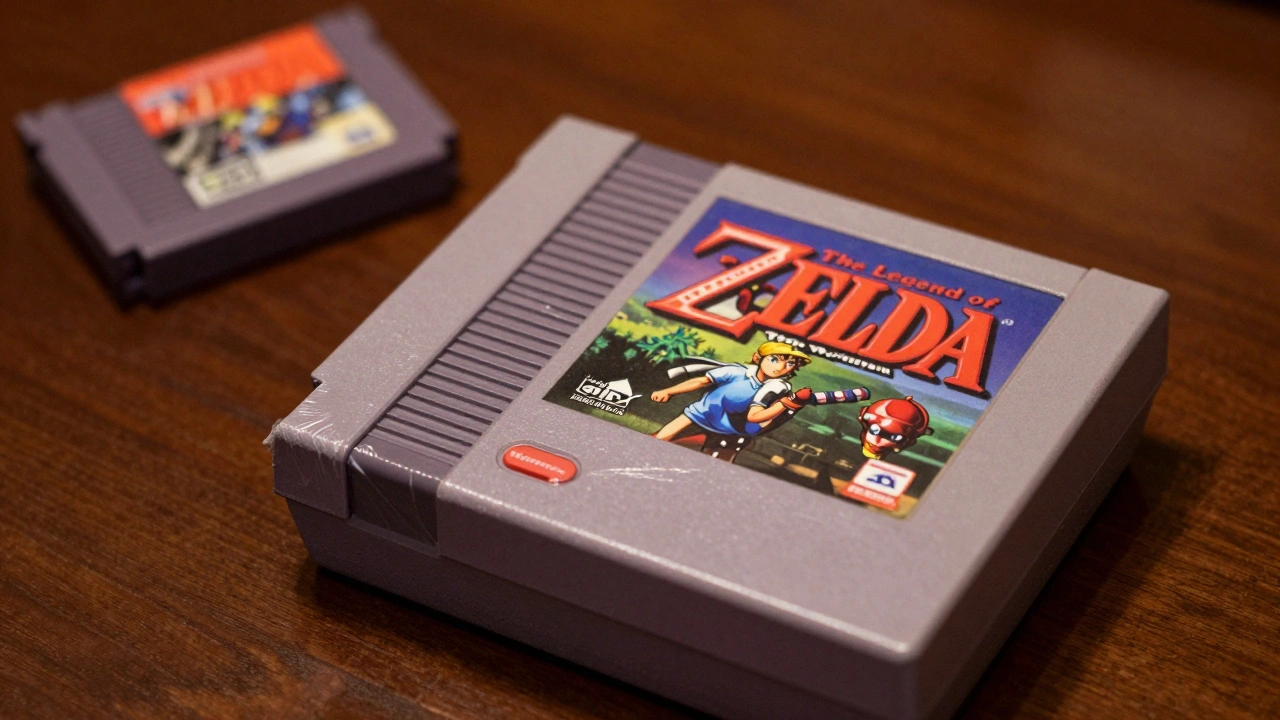
You’ve seen the listings. A loose cartridge for $10. The same game with its box and manual for $30. And then, sitting at the top of the page, a factory-sealed copy priced at $706. It feels like magic, or maybe just madness. But there is logic behind these staggering price jumps. Understanding the difference between sealed and complete in-box (CIB) conditions isn’t just about trivia; it’s about understanding supply, demand, and collector psychology.
When you buy a video game today, you aren’t just buying software. You are buying physical media, packaging, and history. The condition of that package dictates its worth more than anything else. This guide breaks down why sealed copies command such massive premiums over complete ones, how different platforms handle these multipliers differently, and what this means if you’re looking to invest or simply build a shelf-worthy collection.
The Definitions: Sealed vs. Complete In-Box
Before we talk money, we need to be clear on what we are looking at. These terms are specific, and mixing them up can cost you hundreds of dollars.
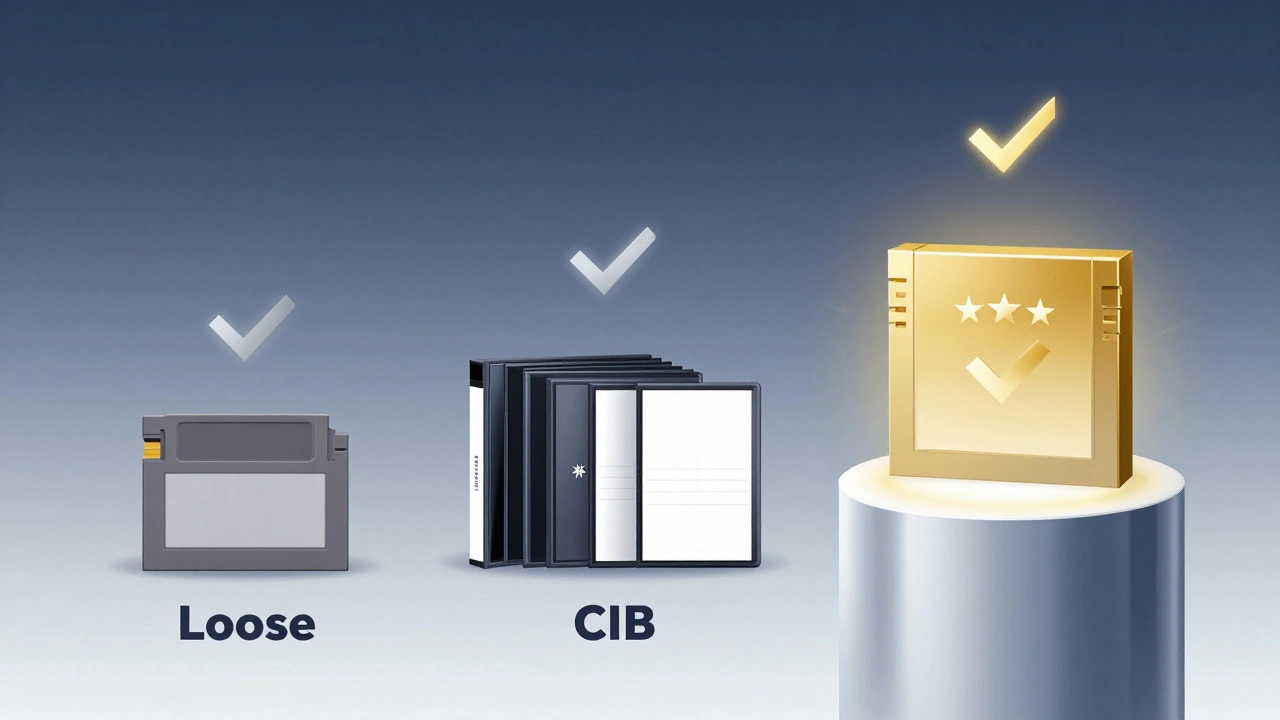
- Loose: Just the cartridge or disc. No box, no manual, no inserts. This is the baseline price.
- Complete In-Box (CIB): The game includes the original box, the instruction manual, any promotional inserts, and the media. Crucially, the shrink wrap has been removed. The game has been opened, used, and handled.
- Sealed: Factory-sealed. The plastic shrink wrap is intact. The game has never been opened by a consumer. It is in the exact state it left the manufacturing plant.
The jump from Loose to CIB is significant because it represents completeness. The jump from CIB to Sealed is exponential because it represents rarity and preservation.
Why Sealed Commands Such a High Premium
If you look at the numbers, the markup can be dizzying. Why would someone pay $500 more for a game they can’t play? Several factors drive this.
Rarity is the biggest driver. Think back to when you bought your first Nintendo or PlayStation game. Did you keep the plastic wrap on? Probably not. Most consumers opened their games immediately. Decades later, the vast majority of copies in circulation are loose or complete-in-box. Sealed copies are the survivors-the ones that were saved, stored in attics, or kept as gifts never given. Supply is incredibly low.
Guaranteed Authenticity. In the world of retro gaming, counterfeits are real. A sealed box offers absolute assurance that every component inside-manuals, leaflets, stickers-is original. With a CIB game, a previous owner might have lost the manual, swapped out a sticker, or even replaced the cartridge with a bootleg. Sealed removes that risk entirely.
The "Pristine" Factor. Collectors love perfection. A sealed game is visually flawless. There are no scuffs on the case, no dog-eared corners on the manual, no yellowing from decades of exposure to air. For display purposes, nothing beats the clean look of factory shrink.
Platform-Specific Price Multipliers
Not all platforms treat sealed games the same way. The age of the console and the durability of its packaging play huge roles in pricing.
| Platform | Example Title | Loose/Cart Value | CIB Value | Sealed Value | CIB to Sealed Markup |
|---|---|---|---|---|---|
| NES | The Legend of Zelda | $10 | $30 | $706 | 2,250% |
| NES | Zelda II: The Adventure of Link | $10 | $20 | $510 | 2,450% |
| SNES | Chrono Trigger | $50 | $145 | $1,220 | 741% |
| SNES | Super Mario RPG | $40 | $157 | $320 | 104% |
| Nintendo 64 | Star Fox 64 | $14 | $27 | $155 | 474% |
| PlayStation | Final Fantasy VII (Black Label) | $35 | $80 | $417 | 421% |
| Dreamcast | Ikaruga | - | $46 | $111 | 141% |
Notice the trend? Older consoles like the NES have insane multipliers. This is because NES boxes were made of cardboard, which was fragile. Many people threw away the boxes early on, making even CIB copies rare, and sealed copies nearly mythical. Later consoles like the SNES and N64 had sturdier packaging, so more survived. By the time we get to the Dreamcast or PlayStation era, plastic cases became standard, meaning CIB copies are common, and the premium for sealed status drops significantly relative to the older systems.
The Risk of Resealing
This brings us to the dark side of the sealed market: fraud. Because sealed games are worth so much, some bad actors will unseal a game, clean it, and reseal it using modern plastic wrap to sell it as "factory sealed."
How do you spot this? You have to know what to look for. Factory shrink wrap from the 80s and 90s looks different than modern retail plastic. Old shrink often has a specific texture, slight wrinkles, and may show signs of aging like brittleness or discoloration. Modern reseals are often too tight, too smooth, or lack the natural wear of decades-old plastic.
For newer systems like the Wii U or Nintendo 3DS, Nintendo used distinctive flap seals that are very difficult to replicate perfectly. If a seal looks suspiciously perfect on an old game, or if the plastic looks brand new while the box shows dust damage, walk away. Buying sealed games requires trusting reputable sellers who guarantee authenticity.
Graded Games: The Next Level Up
Recently, the market has shifted toward professional grading. Companies like WATA or CGC take a sealed game, inspect it under microscopes, verify its contents via X-ray (without opening it), and assign a numerical grade based on condition.
A sealed game graded a 9.6 or higher can command a premium even above an ungraded sealed copy. Why? Because it provides third-party verification. You don’t have to guess if the shrink is original; the grading company has already done the work. However, this adds cost. You pay for the game, plus the grading fee, plus shipping insurance. This makes graded games a high-entry-point investment, suitable mostly for serious collectors rather than casual buyers.
Should You Buy Sealed?
This depends entirely on your goal.
If you want to play the game, do not buy sealed. You will spend thousands on something you cannot use. Instead, buy a CIB copy. You get the full experience, the manuals, and the nostalgia, without the inflated price tag of preservation. For most players, CIB is the sweet spot-it looks great on the shelf and works perfectly in the console.
If you want to invest, sealed is where the potential growth lies. But it’s risky. The market for retro games is volatile. New releases can impact the value of older titles. Plus, sealed games are illiquid-they are hard to sell quickly for cash compared to loose cartridges. Only buy sealed if you plan to hold it for years and believe the title has enduring cultural significance.
Finally, consider the "hybrid" approach. Some collectors buy a sealed copy for display and a loose copy for playing. This satisfies both the desire for perfection and the joy of gameplay. It costs more upfront, but it ensures you never have to choose between preserving history and enjoying it.
Frequently Asked Questions
What does CIB mean in video games?
CIB stands for "Complete In-Box." It means the game includes the original box, instruction manual, any inserts, and the cartridge or disc. The shrink wrap has been removed, indicating the game has been opened.
Is it worth buying sealed retro games?
It depends on your intent. For investment, yes, sealed games of iconic titles often appreciate in value due to scarcity. For playing, no. Sealed games are expensive and cannot be played without breaking the seal, which drastically reduces their value.
How can I tell if a sealed game has been resealed?
Look for signs of modern plastic wrap, which is often smoother and tighter than vintage shrink. Check for inconsistent aging on the box versus the plastic. Be wary of deals that seem too good to be true. For high-value purchases, buy from reputable sellers who offer authenticity guarantees or consider professionally graded copies.
Why are NES sealed games so much more expensive than PS1 sealed games?
NES games are older, and their cardboard boxes were less durable, leading to fewer surviving copies. Additionally, the NES has a strong nostalgic following. PS1 games came in sturdy plastic cases that many owners kept, making CIB and even sealed copies more abundant, which lowers the price multiplier.
Does grading a sealed game increase its value?
Yes, typically. Professional grading services verify the authenticity and condition of the game and its packaging. A high grade (like 9.5 or 10) provides buyer confidence, often allowing the seller to charge a premium over an ungraded sealed copy.