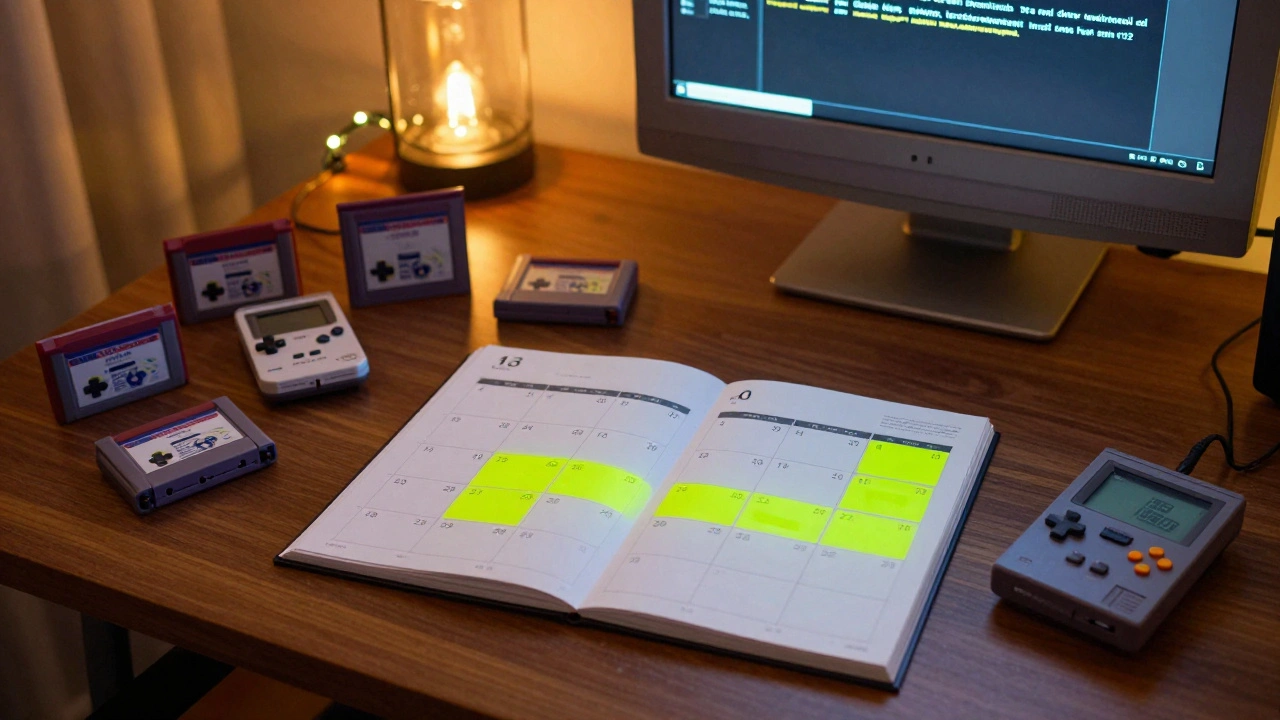
Trying to grow a channel or blog around game collecting often feels like a guessing game. You might post a deep dive into rare Nintendo cartridges in July, only to realize the real hype for retro gaming spikes during the winter holiday gift-giving season. If you aren't timing your topics with the natural rhythms of the hobby, you're leaving views and engagement on the table. A content calendars approach allows you to stop reacting to trends and start predicting them, ensuring your best work hits the screen exactly when collectors are most primed to care.
Whether you are a YouTuber documenting a quest for rare Limited Run Games releases or a blogger tracking the market value of Pokémon cards, seasonality is your best friend. Collectors don't just buy; they follow cycles of anticipation, acquisition, and showcasing. By mapping these behaviors against a calendar, you can turn a random stream of posts into a strategic engine that drives consistent growth.
The Anatomy of a Seasonal Collecting Calendar
A content calendar isn't just a list of dates; it's a blueprint for your brand's authority. In the collecting world, this means balancing "Evergreen" content-stuff that stays relevant all year, like how to clean old cartridges-with "Seasonal" content that has a hard expiration date. For instance, a guide on "The Best Retro Games for Winter Coziness" is useless in August, but gold in December.
To make this work, you need to identify the "Anchor Events" of the gaming year. These are the moments that naturally drive search traffic. Think about the major gaming conventions, the release windows for new consoles, and even cultural holidays. When you align your topics with these anchors, you ride the wave of existing search intent rather than trying to swim against the current.
| Season/Period | Core Collector Theme | Example Topic Idea | Content Goal |
|---|---|---|---|
| Q1 (Winter/Spring) | Post-Holiday Cleanup & Organization | "How to Organize Your 2026 Haul" | Utility & Engagement |
| Q2 (Spring/Summer) | Convention Season & Hunting | "Pax West: Top 5 Rare Finds Checklist" | Hype & Discovery |
| Q3 (Late Summer/Fall) | Back-to-School & Budget Collecting | "Best Budget Retro Games for Students" | Accessibility |
| Q4 (Autumn/Winter) | Gifting, Scarcity & Holiday Hype | "Rare Gift Guide for Hard-to-Please Collectors" | Conversion/Traffic |
Mapping Content to Collector Psychology
Collecting is driven by a mix of nostalgia, scarcity, and the thrill of the hunt. Your calendar should reflect these emotional drivers. For example, during the "Hunting Season" (typically around major gaming expos), your audience is in an active, aggressive mindset. This is the time for checklists, "What to look for" guides, and real-time updates on limited-edition drops.
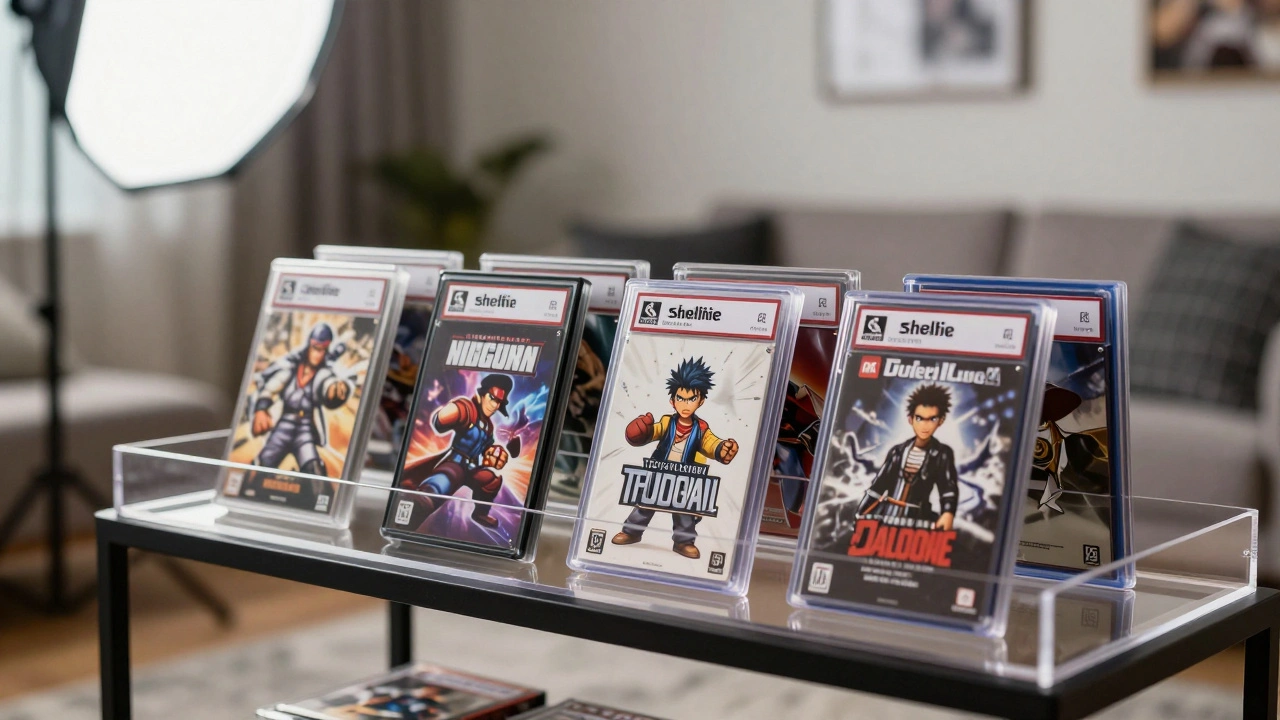
Conversely, during the "Reflection Period" (often January and February), collectors are usually staring at their new acquisitions. This is when you shift your content toward showcasing, grading, and preservation. If you provide a guide on how to use WATA or CGC grading services right after the holiday rush, you're providing exactly what the user needs at that specific moment.
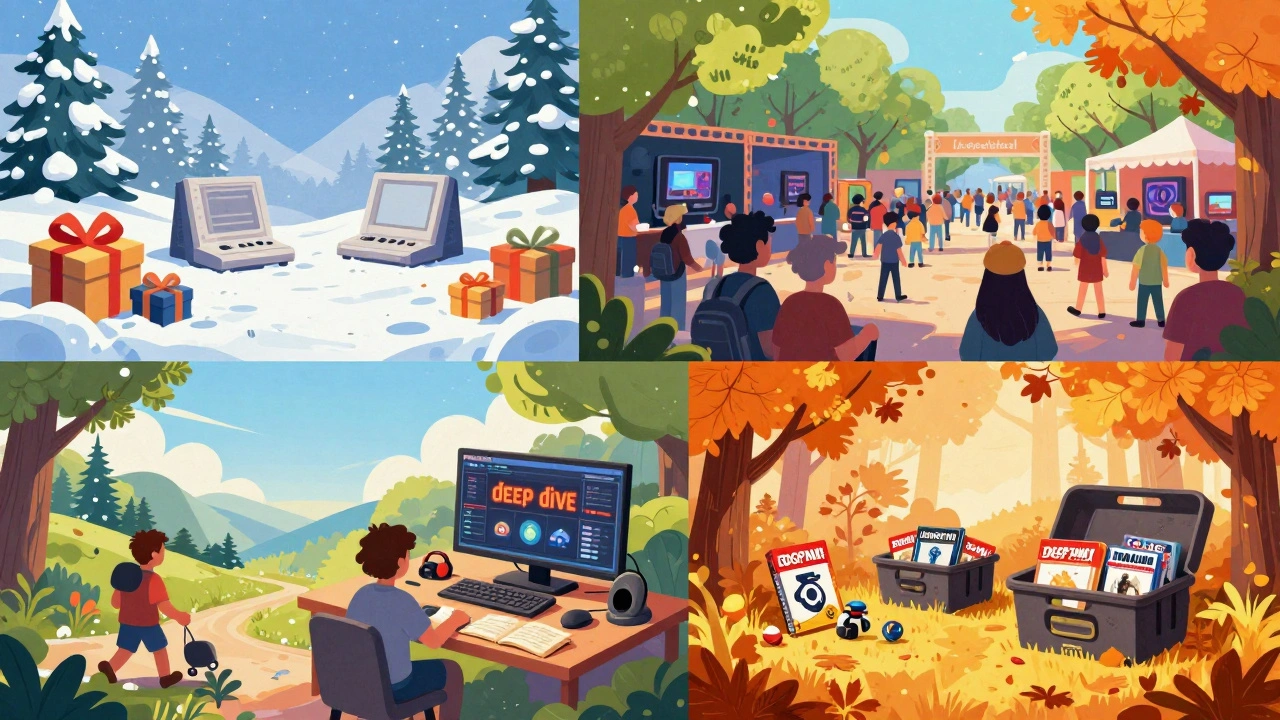
Don't ignore the "Lull Periods." Mid-summer can be slow for new releases. This is the perfect time to run a "Deep Dive Series" into an obscure developer or a retrospective on a forgotten console. It keeps your audience engaged without needing a trending news story to lean on.
Gamifying Your Calendar for Higher Engagement
One of the most effective ways to keep people coming back is to introduce a sense of progression. Borrow a page from game design and implement a "Seasonal Event" for your content. Instead of just posting a video, create a "Digital Advent Calendar" of reveals. For example, throughout December, you could reveal one "Grail Game" per day from your collection, explaining why it's valuable and where you found it.
Other gamification tactics include:
- The Countdown: Use a 7-day countdown leading up to a major release or convention to build tension and anticipation.
- The Challenge: Start a "30 Days of Retro" challenge in a slow month, encouraging your followers to play and share a different game every day.
- The Scavenger Hunt: Hide clues about a rare item in your videos across a month, rewarding the first person to find them all with a shoutout or a small piece of merch.
These tactics turn a passive viewer into an active participant. When people know that "something happens every Tuesday in October," they develop a habit of visiting your platform, which signals to algorithms that your content is high-value.
Distribution Strategy: Where to Post What
A great topic on the wrong platform is a wasted effort. Collectors hang out in different places depending on what they are doing. Reddit and Discord are where the hardcore research and authenticity verification happen. Instagram and TikTok are for the "shelfie"-the visual satisfaction of a curated collection.
Your calendar should dictate the format based on the platform. If you're doing a "Limited Edition Drop Alert," a quick X (formerly Twitter) post or a Discord announcement is best because speed is everything. If you're doing a comprehensive "History of the Game Boy," a long-form YouTube video or a detailed blog post is the way to go.
Try this weekly cadence to prevent audience fatigue:
- Monday: The "Market Watch" (Short-form update on price trends).
- Wednesday: The "Collector Spotlight" (Interview or feature on another collector's haul).
- Thursday: The "How-To/Guide" (Technical advice on preservation or hunting).
- Friday: The "Weekend Hunt" (Tips for flea markets or upcoming online auctions).
Avoiding Common Seasonal Pitfalls
The biggest mistake creators make is becoming "The News Bot." If you only post about what's happening *right now*, you're competing with every major gaming news site on the planet. You can't out-news a giant corporation, but you can out-curate them. Instead of just announcing a new PlayStation limited edition, analyze it from a collector's perspective: "Will this actually hold value in five years?"
Another trap is over-scheduling. If you plan every single post for the next twelve months, you lose the ability to pivot. The game collecting world moves fast-a sudden trend in Virtual Boy games or a surprise re-release of a classic can render your planned content irrelevant. Leave "Flex Slots" in your calendar-empty spaces where you can slot in trending topics without breaking your entire schedule.
Finally, watch out for "Content Burnout." Trying to produce high-effort deep dives every single week of the year is a recipe for disaster. Use your seasonal low points to batch-produce evergreen content. Record five "How to clean your console" videos in July so that when the December rush hits, you can focus entirely on the high-hype seasonal topics.
How far in advance should I plan my collecting calendar?
Ideally, map out your high-level "Anchor Events" six months in advance. This gives you time to acquire the games or items you need to feature. However, only detail your specific titles and scripts 2-4 weeks before posting to keep the content feeling fresh and relevant to current market trends.
What if I don't have a huge budget for rare games to showcase?
You don't need the most expensive games to be an authority. Focus on "Budget Collecting" or "Hidden Gems." A series on "The Best Games Under $20" often performs better than a high-end showcase because it's more relatable to the average collector. Your value comes from your knowledge and curation, not your bank account.
How do I track if my seasonal topics are actually working?
Look at your "Search Traffic" in analytics. If a topic like "Retro Game Gift Guide" sees a 300% spike in December but drops to zero in January, you've successfully captured a seasonal wave. Compare the growth of these peaks year-over-year to see if your authority in that specific niche is growing.
Do I need professional software for a content calendar?
Not at all. A simple Google Sheet or Trello board is plenty for most creators. The goal is visibility-you just need to be able to see your month at a glance so you can spot gaps in your strategy or overlaps in your topics.
How can I incorporate digital collectibles into a physical collecting calendar?
Treat them as complementary. If you're discussing a physical release of a game, mention its digital counterparts or limited-time DLC. Many collectors now value "Complete sets" that include both the physical disc and exclusive digital skins or items. Create "Hybrid Guides" that show collectors how to complete a set across both mediums.
Next Steps for Your Content Strategy
If you're feeling overwhelmed, don't try to map the whole year today. Start with the next 30 days. Pick one "Anchor Event" and build three pieces of content around it: one educational guide, one hype-building short, and one community-driven discussion. Once you see the engagement spike from that targeted approach, the value of the calendar becomes obvious, and you'll be motivated to fill out the rest of the year.