You just spent three hours editing a deep-dive video on the history of the Sega Genesis library. It’s brilliant. It’s comprehensive. And it got forty-seven views. Meanwhile, your thirty-second clip showing a rare seal check on a loose cartridge? That one hit ten thousand views overnight. Sound familiar?
This is the central tension for every video game collecting educator right now. You have two powerful tools in your arsenal: short-form content (TikTok, Reels, Shorts) and long-form content (YouTube essays, podcasts, blog posts). One grabs attention like lightning; the other builds trust like slow-drying concrete. The question isn't which one is better. The question is how to make them work together without burning out.
| Feature | Short-Form (TikTok/Reels) | Long-Form (YouTube/Blog) |
|---|---|---|
| Audience Intent | Entertainment, quick tips, discovery | Deep learning, validation, community building |
| Production Time | 15-60 minutes per piece | 4-20 hours per piece |
| Lifespan | Viral spikes (days/weeks) | Evergreen search traffic (years) |
| Trust Factor | Low to Medium (surface level) | High (demonstrates expertise) |
| Monetization | Brand deals, affiliate links (impulse) | Ad revenue, memberships, high-ticket sales |
The Power of the Hook: Why Short-Form Wins Attention
Let’s be honest about the algorithm. Platforms like TikTok and Instagram Reels are built for speed. They reward immediate gratification. In the world of retro gaming, this means you can’t spend thirty seconds explaining the economic impact of the 1983 crash before you show the goods. You need to grab the viewer by the collar.
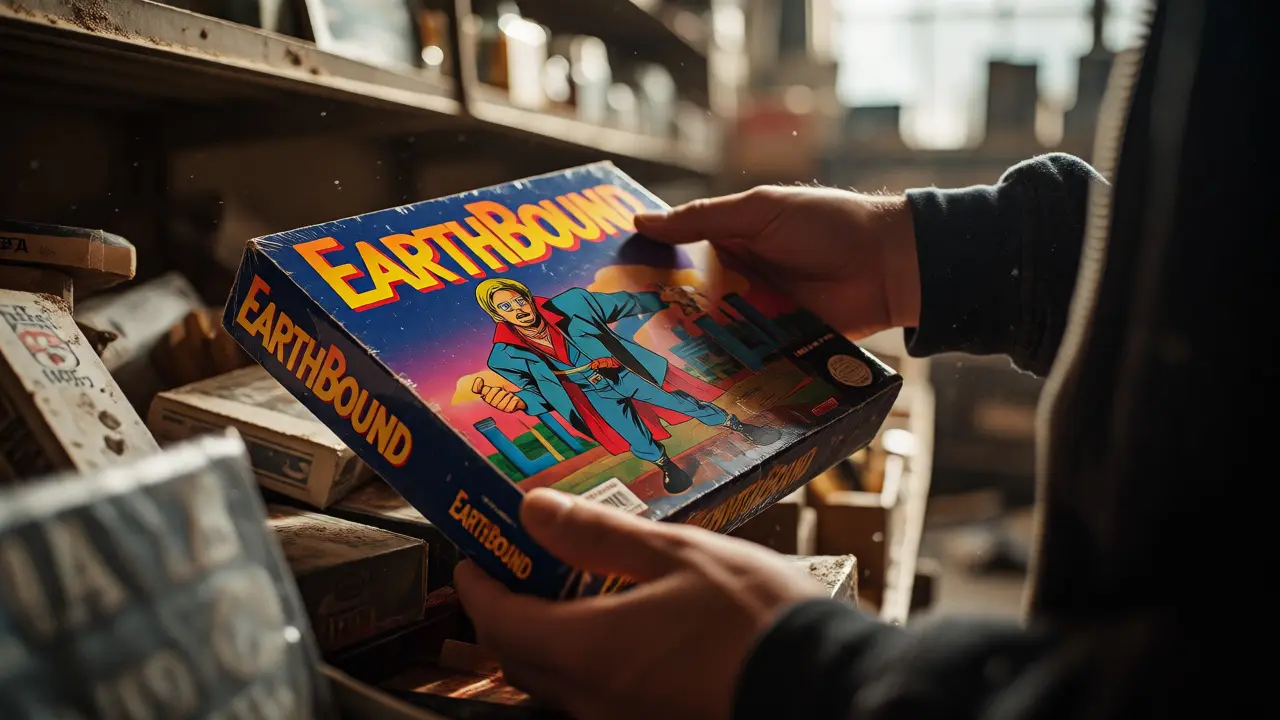
Short-form content excels at discovery. Think about how most new collectors find their niche. They aren’t Googling "history of SNES regional lockouts" while scrolling through their feed. They see a fifteen-second clip of someone finding a sealed copy of EarthBound in a thrift store bin. The dopamine hit is instant. The curiosity is sparked. This is the top of your funnel.
Use short-form videos for:
- Quick Valuations: "Is this $5 or $500?" Show the item, point out the key feature (like a specific label variant), and give the answer.
- Myth-Busting: Take a common misconception-like "all Japanese imports are expensive"-and disprove it with a rapid-fire example.
- Unboxing Teasers: Show the exterior of a box, tease what’s inside, and link to the full review.
The trap here is superficiality. If you only post short clips, people might think you’re just an entertainer, not an expert. They’ll watch your clip, laugh, scroll past, and never buy your guide or join your Discord. You’re renting attention, not owning it.
The Depth of Trust: Why Long-Form Builds Authority
Now, flip the script. Imagine a potential buyer looking for a rare Nintendo 64 controller. They’re skeptical. They’ve been burned by fake listings before. They don’t want a ten-second clip; they want proof. They want to know why you say this particular joystick replacement is inferior to the original part.
This is where long-form content shines. A twenty-minute video essay or a detailed blog post allows you to demonstrate nuance. You can discuss the subtle differences in plastic molding between early and late production runs. You can explain the historical context of why certain games were pulled from shelves. This depth signals expertise.
Long-form content is an asset that compounds over time. A well-optimized YouTube video titled "How to Spot Fake Sealed Games" will generate views for years via search traffic. A TikTok video usually dies within a week unless it goes viral. For educators, this stability is crucial. It creates a library of resources that works for you while you sleep.
Consider the psychological aspect of collecting. It’s often nostalgic and emotional. Long-form content gives you space to connect on that level. You can share personal stories about hunting for specific titles, the frustration of bad auctions, and the joy of completion. This builds a parasocial relationship where the audience trusts your judgment because they feel they know you.
Bridging the Gap: The Hybrid Strategy
So, do you choose one? Absolutely not. The most successful creators in the retro gaming niche use a hybrid approach. Think of short-form as the bait and long-form as the net. You need both to catch fish.
Here’s a practical workflow that saves time and maximizes reach:
- Create the Pillar Piece First: Start with a long-form video or article. Let’s say you write a comprehensive guide on "Identifying Authentic PlayStation 1 Discs." Spend the time to get it right. Include photos, diagrams, and clear explanations.
- Slice and Dice: Don’t create new content from scratch. Edit your pillar piece into five to ten short clips.
- Clip 1: The color difference in the inner ring.
- Clip 2: The font weight on the back label.
- Clip 3: A quick test using UV light.
- Add Contextual Links: In the caption or pinned comment of each short clip, direct viewers to the full guide. Use phrases like, "Want to learn the rest of the checks? Link in bio."
This method solves the production burnout problem. You’re working smarter, not harder. You also ensure consistency in your messaging. Your short clips reinforce the points made in your long-form content, creating a cohesive educational experience.

Audience Behavior: What Do Collectors Actually Want?
Data from platforms like Twitch and YouTube suggests that collector audiences are highly segmented. There are "casual hunters" who browse flea markets on weekends, and there are "hardcore archivists" who care about serial numbers and factory errors.
Casual hunters prefer short-form. They want quick wins. They want to know if that dusty copy of Tony Hawk Pro Skater 2 is worth picking up. They value speed and simplicity. If you bore them with a lecture on manufacturing defects, they’ll swipe away.
Hardcore archivists prefer long-form. They crave detail. They want to debate the merits of different preservation methods. They are more likely to engage in comments, share your content with niche forums, and purchase premium products like authentication guides or high-end storage solutions.
Your job is to serve both without alienating either. Use short-form to attract the casual crowd and convert them into subscribers. Then, nurture those subscribers with long-form content that deepens their interest. Over time, many casual hunters become hardcore archivists as they invest more money and time into the hobby.
Pitfalls to Avoid in Both Formats
Even with a solid strategy, creators often stumble. Here are the most common mistakes in video game collecting education.
In Short-Form: Clickbait without substance. You show a shiny box but don’t explain why it’s valuable. Viewers feel cheated when they click through and find no real information. Always deliver value, even in fifteen seconds. Give them one tangible takeaway.
In Long-Form: Poor pacing. Retro gaming topics can be dry if you just read facts. Use visuals effectively. Show close-ups of labels, compare side-by-side images, and keep the energy up. If you ramble for ten minutes without getting to the point, retention drops off a cliff.
In Both: Ignoring audio quality. Bad audio kills credibility faster than bad video. People will forgive a shaky camera, but they won’t tolerate muffled speech. Invest in a decent microphone. It’s the cheapest upgrade with the highest ROI.

Measuring Success: Beyond Vanity Metrics
How do you know if your strategy is working? Likes and views are nice, but they don’t pay the bills. Look at metrics that indicate genuine engagement and conversion.
For short-form, track the click-through rate to your long-form content. Are people actually leaving the app to watch your full video? If yes, your hook is effective. If no, your call-to-action might be weak, or your short content might be too self-contained.
For long-form, look at watch time and comment sentiment. Are people asking follow-up questions? Are they tagging friends? High-quality comments indicate that your content resonated deeply. This is where you build community. Reply to these comments. Build relationships. These engaged users are your future brand ambassadors.
Also, monitor your email list growth. Social media algorithms change constantly. An email subscriber owns their inbox; you own the connection. Use your short-form content to drive sign-ups for a newsletter that summarizes your latest long-form insights.
The Future of Collector Education
The landscape is shifting. AI tools are making it easier to edit short clips. Virtual reality might soon allow us to "inspect" digital replicas of physical games. But human expertise remains irreplaceable.
People buy from people. They trust voices that sound authentic. Whether you’re speaking in a sixty-second reel or a thirty-minute documentary, let your passion for the hobby shine through. If you love spotting a misprinted manual, that enthusiasm is contagious.
Don’t let the format dictate your message. Let your message dictate the format. If a topic requires nuance, go long. If it needs punch, go short. Master both, and you’ll build an educational empire that stands the test of time.
Which platform is best for starting a video game collecting channel?
It depends on your strengths. If you are good at editing and have a charismatic personality, start with TikTok or Instagram Reels to build an audience quickly. If you prefer writing or deep analysis, start with a blog or YouTube channel. Many creators find success starting with YouTube because it supports both short (Shorts) and long-form content natively, allowing you to test both formats in one place.
How often should I post short-form vs. long-form content?
A sustainable schedule for solo creators is often 3-5 short-form posts per week and 1 long-form piece every two weeks. Consistency matters more than volume. It is better to post one high-quality long-form video every two weeks than to rush daily uploads that lack depth. Adjust based on your capacity to maintain quality without burning out.
Can I repurpose my long-form videos for short-form platforms?
Yes, and you should. Repurposing is essential for efficiency. Identify the most interesting moments, tips, or visual highlights from your long-form videos and edit them into vertical clips. Ensure you add captions, as many users watch short-form content without sound. Always include a clear call-to-action directing viewers to the full-length version for more details.
Do collectors prefer buying from creators who do short-form or long-form?
Collectors generally prefer buying from creators who offer both. Short-form content introduces them to the creator, but long-form content builds the trust necessary for a transaction. If you sell authenticated games or guides, having detailed long-form reviews or explanations reassures buyers that you understand the product's condition and history thoroughly.
What is the biggest mistake new collecting educators make?
The biggest mistake is assuming everyone knows the basics. New creators often skip foundational explanations, assuming the audience understands terms like "CIB" (Complete in Box) or "NGC" (Nintendo GameCube). Always define acronyms briefly or provide context. Additionally, neglecting lighting when photographing or filming cartridges and boxes can make items look dull or inaccurate, reducing perceived value.