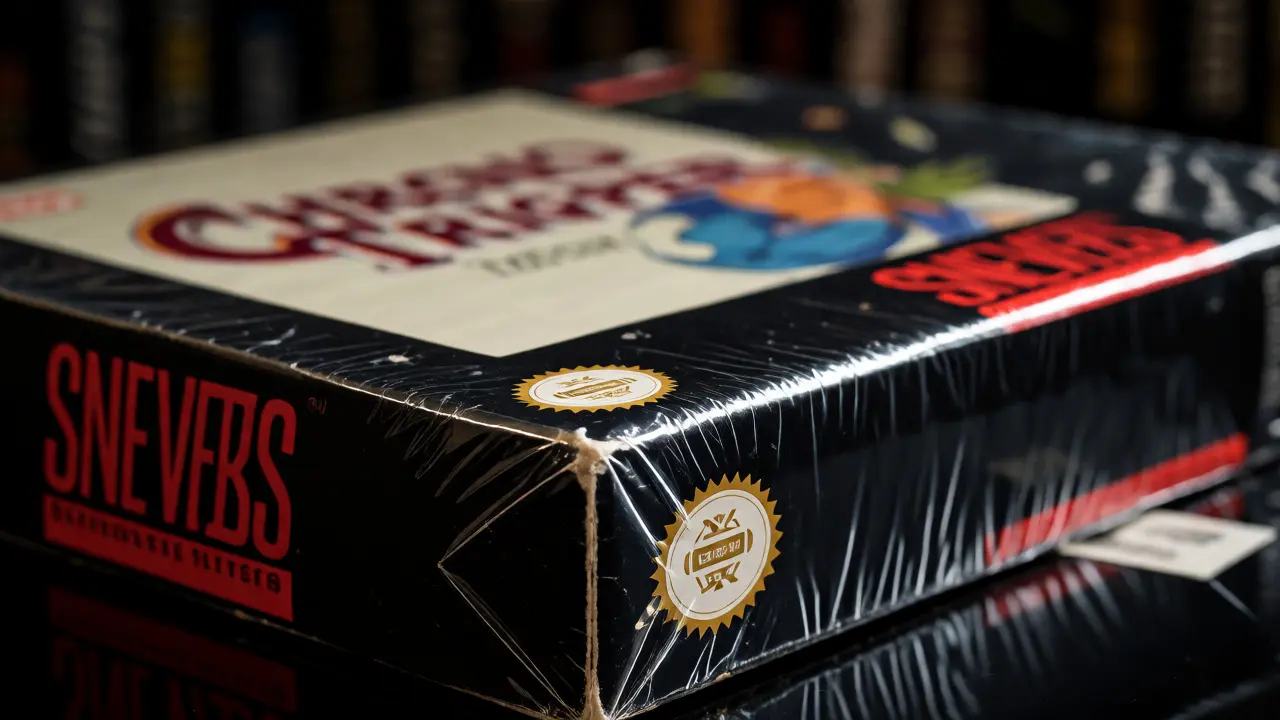
You just found a copy of Chrono Trigger for the SNES in its original shrink wrap. The price is too good to be true, but you hesitate. Is it real? Or did someone re-shrink a loose cartridge with a printed box and call it "New"? This isn't paranoia; it's survival in the modern collector's market. With platforms like eBay, Mercari, and specialized forums flooding with listings, distinguishing genuine factory-sealed titles from cleverly faked reproductions has become a high-stakes game of detective work.
The problem isn't just about money. It's about trust. A fake sealed game can cost you hundreds or thousands of dollars, depending on the rarity. Worse, it ruins the historical integrity of your collection. If you're buying online, you can't hold the item, smell the plastic, or feel the weight of the cardboard. You have to rely on pixels and seller promises. But here's the good news: most fakes leave traces. Once you know what to look for, spotting a counterfeit becomes second nature. Let's break down exactly how to verify authenticity before your credit card gets charged.
Why Fake Seals Are Everywhere Now
A decade ago, if a game was sealed, it was almost certainly authentic. The cost of labor to open, inspect, and re-shrink a common title rarely justified the effort. Today, that economic equation has flipped. High-profile sales-like the $150,000 Super Mario Bros. copy sold by Heritage Auctions-have created a speculative bubble. Suddenly, even mid-tier NES and Sega Genesis titles command premiums. Collectors are willing to pay extra for that pristine, untouched look.
This demand has spawned an entire industry of "re-shrinking." Sellers buy loose games, clean them up, print new boxes if necessary, and seal them using heat guns and commercial-grade PVC film. To the untrained eye, these look identical to factory seals. But they aren't. Factory sealing happens in controlled environments with specific machinery. Re-shrinking is often done in garages or small workshops. The difference lies in the details: the tightness of the wrap, the presence of air bubbles, and the quality of the cardboard underneath.
Understanding this context helps you approach every listing with healthy skepticism. You aren't accusing the seller of lying; you're acknowledging that the market rewards perfection, and perfection can be manufactured. Your job is to spot the manufacturing flaws.
The Shrink Wrap Tells All
The plastic itself is your first line of defense. Genuine factory seals use a specific type of polyolefin or PVC film designed for retail packaging. It has a distinct clarity and texture. When you look at photos of the item, zoom in. Do you see wrinkles? Not the slight creases that happen during shipping, but deep, uneven folds near the corners or spine?
Factory seals are typically applied using automated machines that stretch the plastic evenly around the box. This results in a smooth, taut surface with minimal distortion. In contrast, hand-applied seals often show signs of manual manipulation. Look for "taco-ing," where the plastic folds over itself awkwardly at the edges. Also, check the back seam. Original seals usually have a single, straight seam along the back or bottom. Fakes might have multiple seams, tape patches, or irregular overlaps because the seller struggled to get the fit right.
Lighting matters too. Take advantage of the seller's photo angles. Does the plastic reflect light uniformly? Factory plastic has a consistent sheen. If parts look matte while others are glossy, the seller might have used different types of film or tried to patch a tear. Some sophisticated fakers will even iron out wrinkles, but this often leaves heat marks or discoloration on the plastic. If the plastic looks cloudy or yellowed in spots (and the game is supposed to be mint), ask questions. That could indicate poor storage conditions or low-quality replacement film.
Inspecting the Box and Print Quality
Beneath the plastic, the box holds the truth. Many buyers focus so hard on the seal that they ignore the cardboard. Don't make that mistake. The printing process for video game boxes changed significantly over the years, especially between the 8-bit and 16-bit eras. Knowing the era helps you spot anachronisms.
For example, early NES games often featured textured paper stock with visible grain. Later releases moved to smoother, glossier finishes. If you're looking at a 1985 title that looks like it was printed on modern, ultra-smooth coated paper, something is off. Counterfeiters often reprint boxes using digital printers. These printers produce vibrant colors but lack the subtle ink bleed and dot patterns of offset lithography used in the '80s and '90s. Zoom in on text. Is it crisp? Or does it look slightly fuzzy or pixelated when magnified? Digital prints struggle with fine lines and small fonts.
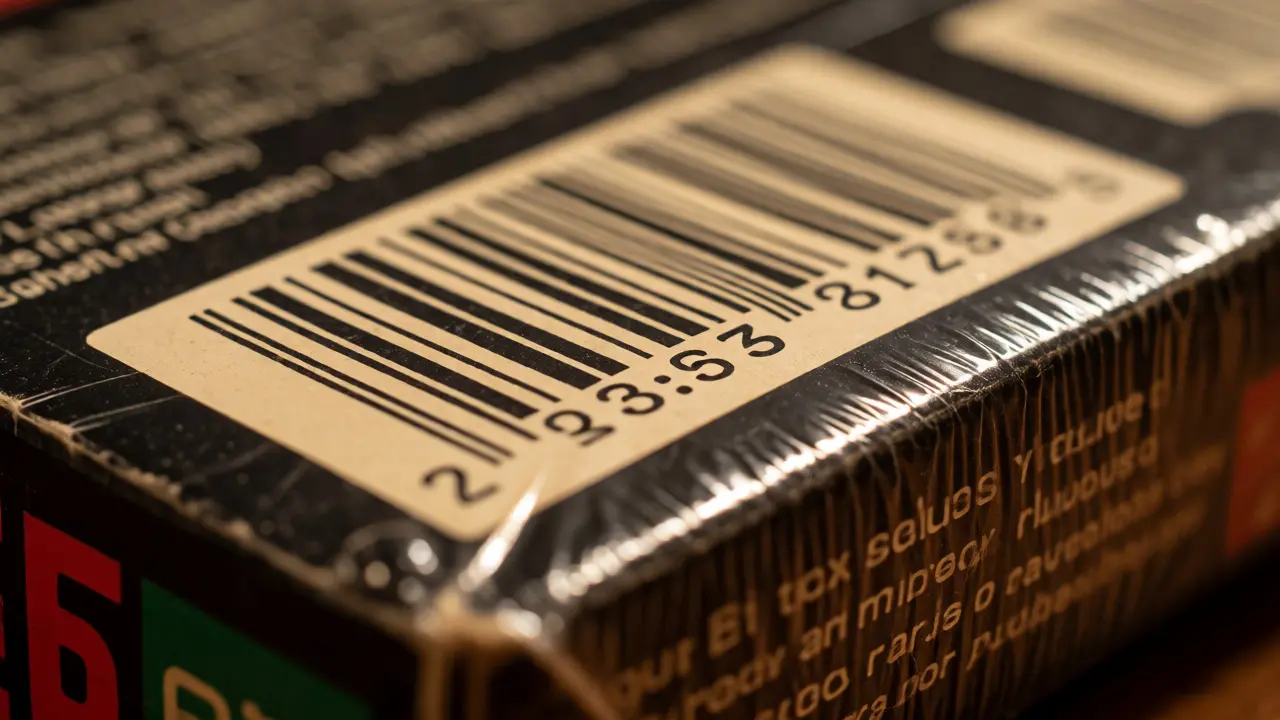
Check the barcode area. This is a dead giveaway for many fakes. Original barcodes were printed as part of the box design. They align perfectly with the grid lines of the cardboard. On reprinted boxes, barcodes are often stickers or poorly aligned prints. Sometimes, the barcode number doesn't match the official database for that region. For instance, a US NTSC game should start with specific UPC prefixes. If the code looks generic or uses a random sequence, it’s likely a reproduction. Also, look at the wear pattern. A truly old box that was stored well might still have minor shelf wear on the corners. A fake box might look brand new but feel flimsy, or conversely, show artificial distressing that doesn't match natural aging.
Verifying the Contents Without Opening
What if the box and seal look perfect? You still need to worry about what's inside. Swapping contents is a classic trick. A seller might take a valuable cartridge, put it in a cheap box, and sell it as a bundle. Or worse, replace a rare manual with a photocopy. Since you can't open the seal without destroying its value, you need indirect verification methods.
Start with weight. This sounds simple, but it's powerful. Different revisions of the same game have different weights. Early versions often had thicker manuals or different cartridge shells. Compare the listed weight to known standards. Sites like RYM (Rate Your Music) or specialized gaming wikis often list exact weights for major titles. If a game weighs 20% less than it should, the manual might be missing, or the cartridge could be a later, lighter revision. While this doesn't prove a fake, it raises red flags.
Next, examine the spine and top edge. Through the clear plastic, you can sometimes see the thickness of the manual and the shape of the cartridge. Does the manual bulge unnaturally? Does the cartridge sit centered? Misalignment can suggest that items were stuffed in haphazardly. Also, look for the copyright date on the spine. It must match the release year. Mismatches are common in bootlegs or re-releases disguised as originals.
| Feature | Genuine Indicator | Fake/Re-shrunk Indicator |
|---|---|---|
| Plastic Seam | Straight, single line, machine-pressed | Multiple seams, taped, uneven overlap |
| Corner Fit | Tight, no excess plastic pooling | Loose, wrinkled, or folded over sharply |
| Barcode | Integrated into print, correct UPC prefix | Sticker, misaligned, or generic numbers |
| Print Quality | Offset lithography, slight ink texture | Digital print, overly sharp or pixelated |
| Box Weight | Matches known revision specs | Significantly lighter or heavier |
Leveraging Seller Reputation and Provenance
Technology fails us. Photos can be edited. Lighting can be manipulated. That's why human factors matter. Who is selling this game? Check their history. Have they sold similar items before? Read reviews specifically mentioning condition accuracy. A seller with a 100% positive rating might still be inexperienced with vintage grading. Conversely, a seasoned collector who specializes in retro games is more likely to understand the nuances of authenticity.
Ask for provenance. Where did they get it? Did they inherit it? Buy it from a department store clearance in 1995? Or did they pull it from a local thrift shop last week? A clear chain of custody adds credibility. "Found in my attic" carries more weight than "Bought from another eBay user." Why? Because the latter creates a chain of potential errors. Each handoff introduces risk. If the previous owner didn't know it was a fake, the current seller might genuinely believe it's real.
Don't be afraid to ask for additional photos. Request close-ups of the barcode, the spine, and any existing labels. If the seller hesitates or refuses, walk away. Legitimate sellers want to prove their item is real. They understand the stakes. If they say, "It's sealed, so it's perfect," they don't know what they're talking about. Push for specifics. Ask, "Can you confirm the UPC code matches the official Nintendo registry?" Their response tells you everything about their expertise.
When to Walk Away
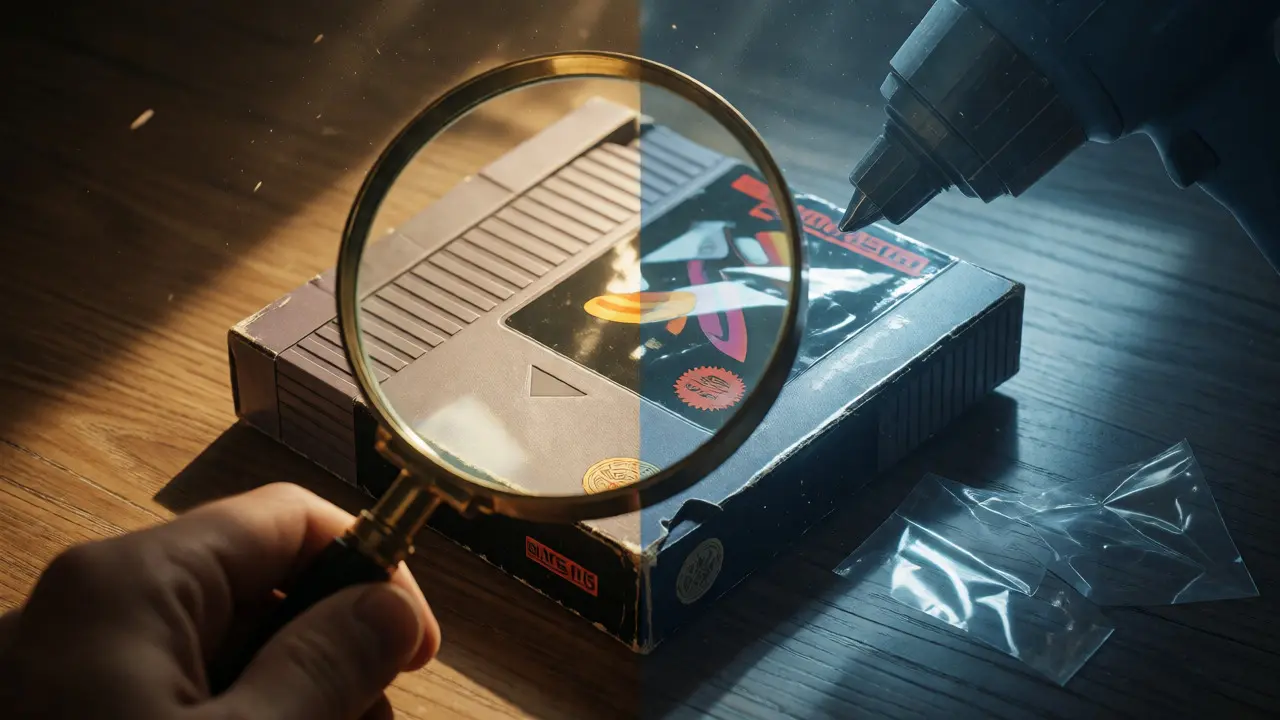
Not every deal is worth the risk. If a rare title is priced 50% below market average, assume there's a catch. Maybe it's a re-shrink. Maybe it's a bootleg. Maybe the box is a reprint. Calculate the cost of authentication versus the potential loss. For high-value items (over $500), consider hiring a third-party grader like Wata Games or VGA. They physically inspect the item under UV light and magnification. They can detect non-original adhesives, replaced cards, and subtle print differences invisible to the naked eye.
But for mid-range collections, DIY verification works fine. Just stay disciplined. Don't let excitement override logic. If you see one red flag, investigate it. If you see three, skip it. There will always be another copy. Patience saves money. And remember, a loose game with a verified manual is often better than a sealed game with questionable origins. At least with the loose copy, you know exactly what you own.
Does resealing a video game lower its value?
Yes, generally speaking. Collectors pay a premium for factory-sealed items because they guarantee the contents are untouched. A re-shrunk game, even if the contents are original, is considered "opened" by many grading standards and collectors. Unless the re-shrink is documented and accepted by the community (which is rare), it significantly reduces resale value compared to a true factory seal.
How can I tell if a seal is original without opening it?
Look for machine-made characteristics: a single, straight seam; tight, uniform stretching without excessive wrinkles; and consistent clarity. Check the barcode alignment and print quality through the plastic. Compare the box weight to known specifications for that specific revision. Any signs of manual application, such as tape patches, uneven folds, or multiple seams, suggest it is not factory-sealed.
Are all sealed games on eBay fake?
No, definitely not. Many sellers are legitimate collectors selling inherited or previously purchased items. However, the prevalence of re-shrinks has increased due to rising prices. Always verify the seller's reputation, ask for detailed photos, and scrutinize the physical indicators of authenticity mentioned in this guide. Skepticism is healthy, but cynicism isn't necessary.
What is the best way to authenticate expensive sealed games?
For high-value items (typically over $500-$1,000), professional grading services like Wata Games or VGA are the gold standard. They use UV lights, magnification, and expert knowledge to detect tampering, re-shrinks, and content swaps. They encapsulate the game in a tamper-evident case, which also boosts resale liquidity and buyer confidence.
Can a fake box still contain the original cartridge?
Yes, this is a common scenario. Sellers may find a valuable loose cartridge and pair it with a reproduced or damaged-but-presentable box to increase the perceived value. They then seal it to hide the fact that the box might be a reprint or that the manual is a copy. Checking the weight and print quality of the box can help identify this mismatch.