Imagine this: You just got home from a local video game swap meet is a community event where collectors trade or sell physical video game media, consoles, and memorabilia directly with other enthusiasts. You’re holding a rare copy of a classic RPG that you’ve been hunting for years. The box looks pristine. The disc spins up in your console. But then, three days later, you notice a deep scratch on the case that wasn’t there at the stall. Or maybe the “complete set” is missing the instruction manual. In the world of digital downloads, returns are easy. One click, done. But when dealing with physical goods bought face-to-face, the rules are fuzzy, emotions run high, and getting your money back can feel like chasing a ghost.
This guide cuts through the confusion. We’ll look at how to prevent these headaches before they happen, what to do when something goes wrong, and how to navigate the gray areas between buyer’s remorse and actual defects. Whether you’re a seasoned collector or a casual gamer picking up a few titles, knowing your rights (and limits) will save you time, money, and stress.
Key Takeaways
- Document everything: Photos and videos taken immediately after purchase are your best defense against disputes.
- Agree on terms upfront: Clarify if items are sold "as-is" or if there is a window for returns.
- Check compatibility first: Region locks and console generations are common sources of "defective" claims that aren't actually defects.
- Keep receipts informal but clear: A handwritten note with date, item, price, and signatures works better than nothing.
- Escalate only as a last resort: Small claims court is effective but should be reserved for significant losses or bad faith sellers.
Why Physical Media Swaps Are Different
Unlike online retail giants that offer 30-day return windows, a swap meet operates on trust and immediate inspection. When you hand over cash for a cartridge or a Blu-ray, the transaction is usually final unless agreed otherwise. This creates a unique dynamic. Sellers often mark items as "As-Is," meaning you accept the condition exactly as it appears. However, "As-Is" doesn't mean the seller can lie. If a seller knowingly hides a crack in the case or mislabels a region-free disc as region-locked, that’s fraud, not a simple mistake.
The core issue here is Physical Media Condition is the state of the tangible game assets including cases, discs/cartridges, manuals, and seals. Unlike software, which is identical every time you download it, physical copies degrade. Scratches, warping, label peeling, and missing inserts all affect value. Because value is subjective and condition-dependent, disputes rarely hinge on whether the game *works*, but rather whether it matches the *description*.
Prevention: Setting the Stage Before You Buy
The easiest way to handle a return is to avoid needing one. Here is how to protect yourself while browsing stalls:
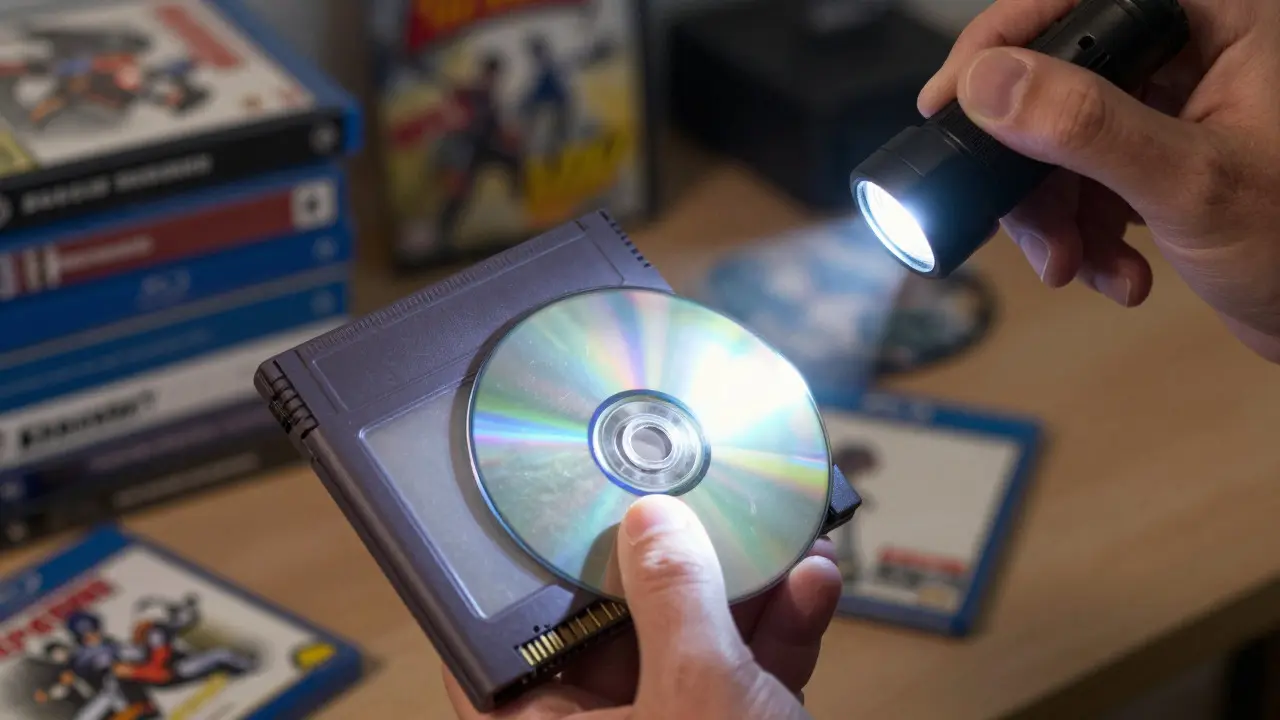
- Inspect under light: Hold discs up to a bright light to check for scratches. Check cartridges for corrosion or stuck pins.
- Verify region codes: Ensure the game matches your console's region (NTSC, PAL, etc.) unless it is explicitly marked region-free.
- Test if possible: Many swap meets have testing stations. Use them. If the seller allows it, boot the game. If not, ask specifically about known issues.
- Ask about the history: Was it played? Where was it stored? Did it come from an estate sale? Context matters for condition assessment.
- Get a written note: Even a sticky note on the receipt saying "Bought 'Zelda Ocarina of Time' NTSC-U, Case B-, Disc A, $45, No Manual" creates a paper trail.
Building a relationship with regular sellers also helps. If you buy from someone frequently, they are more likely to honor a small courtesy return because their reputation depends on repeat business. New vendors, however, may be less flexible, so documentation becomes even more critical.

Navigating the Gray Area: What Counts as a Defect?
Not every issue warrants a return. Understanding the difference between a defect and a normal wear-and-tear expectation is crucial. Let’s break down common scenarios:
| Issue Type | Description | Likely Outcome | Action Step |
|---|---|---|---|
| Hidden Scratch | Deep scratch on disc/case not visible during initial quick check. | Partial Refund or Return | Photograph immediately; compare with photos taken at stall if available. | Missing Manual | Seller said "Complete Set" but no manual included. | Price Reduction | Check listing notes; argue based on verbal promise vs. written description. | Region Lock Mismatch | Game doesn't play due to region code not disclosed. | Full Return | Cite seller's duty to disclose material facts affecting usability. | Buyer's Remorse | You change your mind about the game choice. | No Return (unless agreed) | Resell locally; assume risk of personal preference changes. | Broken Seal Claim | Seller claims you broke the shrink wrap after purchase. | Disputed | Video evidence of seal status at point of sale is vital. |
Note how Seller Disclosure Duty is the ethical and often legal obligation to inform buyers of known flaws or limitations of the product. While not always legally binding in casual swaps, it forms the basis of most fair negotiations. If a seller knows a disc has minor scuffs that don't stop gameplay but affect resale value, mentioning it prevents future conflict. If they stay silent, they are relying on your oversight, which weakens their position if you discover it later.
Step-by-Step: How to Initiate a Return or Dispute
If you find an issue, act fast. Don't wait weeks. Here is a practical workflow:
- Stop using the item: Keep it in its original packaging to preserve condition evidence.
- Gather evidence: Take close-up photos of the defect. Record a short video showing the issue (e.g., the scratch catching light, the error message on screen).
- Contact the seller calmly: Reach out via the method used during the sale (phone, text, social media). State the facts: "Hi [Name], I found a deep scratch on the disc we traded yesterday. It plays fine but affects value. Can we discuss a partial refund?"
- Propose a solution: Offer a specific remedy. A 20% discount is often easier to agree upon than a full return, especially if the game still functions.
- Set a deadline: Give them 3-5 days to respond. Silence usually implies acceptance of the status quo, but get confirmation in writing.
If the seller is unresponsive, send one final message: "No response received. Assuming no objection to [proposed solution]. Will proceed accordingly." This keeps the tone professional and shows you acted reasonably.
When Negotiation Fails: Escalation Options
Most disputes end with a handshake deal. But what if the seller ghosts you or refuses to budge on a clear defect? Your options expand, but so does the effort required.
Community Mediation: Post about the issue (anonymously if needed) in local gaming groups or forums. Reputation is currency in swap meets. A public, factual account of a dishonest sale often prompts a quick resolution because sellers fear losing future customers. Be careful to stick to facts; calling someone a "scammer" without proof can lead to defamation issues.
Small Claims Court: For items worth over $100-$200, or if the pattern suggests fraud, small claims court is viable. You don't need a lawyer. You just need your evidence: photos, texts, witness statements, and the item itself. Courts favor documented, reasonable buyers. The threat of filing a claim is often enough to settle the matter out of court.
Payment Platform Protection: If you paid via PayPal Goods & Services or similar, you have built-in buyer protection. File a claim within the platform's window (usually 30-90 days). This is faster and cheaper than court, but requires clear proof that the item was not as described.
Protecting Yourself for Future Swaps
After a dispute, reflect on what went wrong. Did you skip the inspection? Did you rely on verbal promises? Adjust your habits.
- Carry a UV light: Helps spot hidden scratches and tampered labels.
- Use a checklist app: Create a simple digital template for recording purchases: Item, Seller, Price, Condition Notes, Photo Link.
- Join local collector groups: Shared knowledge about specific game defects (e.g., "This version of Game X always has a warped case") helps you spot issues instantly.
- Standardize your language: Use industry-standard grading terms (Mint, Near Mint, Very Good, Good, Fair, Poor) so both parties understand the condition level.
Remember, Collector Community Norms is the unwritten set of rules and expectations governing behavior among hobbyists in trading environments. These norms evolve. As the market grows, so does the expectation for transparency. By being a fair, documented, and communicative buyer, you contribute to a healthier ecosystem for everyone.
Frequently Asked Questions
Do I have a legal right to return a game bought at a swap meet?
Generally, no, unless the item was misdescribed or defective in a way that was hidden. Most private sales are "final sale" by default. Your leverage comes from proving the item didn't match the description, not from a universal return policy.
What should I do if the seller says "As-Is" means no complaints allowed?
"As-Is" covers unknown cosmetic wear, but it does not cover fraud or material misrepresentation. If the seller knew about a major flaw (like a broken disc) and didn't tell you, "As-Is" doesn't protect them. Focus on the discrepancy between what was promised and what you received.
Is it worth going to small claims court for a $50 game?
Usually, no. The time and stress often outweigh the financial gain. Try community pressure or payment platform disputes first. Save court for higher-value items or patterns of bad behavior where the principle is important.
How long do I have to report a problem?
There is no fixed rule, but acting within 48 hours is standard practice. The longer you wait, the harder it is to prove the defect existed at the time of sale. Immediate action strengthens your case significantly.
Can I resell the item if I can't get a return?
Yes. Often, the best outcome is to resell the item locally at a reduced price that reflects the defect. This minimizes your loss and avoids the hassle of a formal dispute. Just be honest about the condition when reselling.