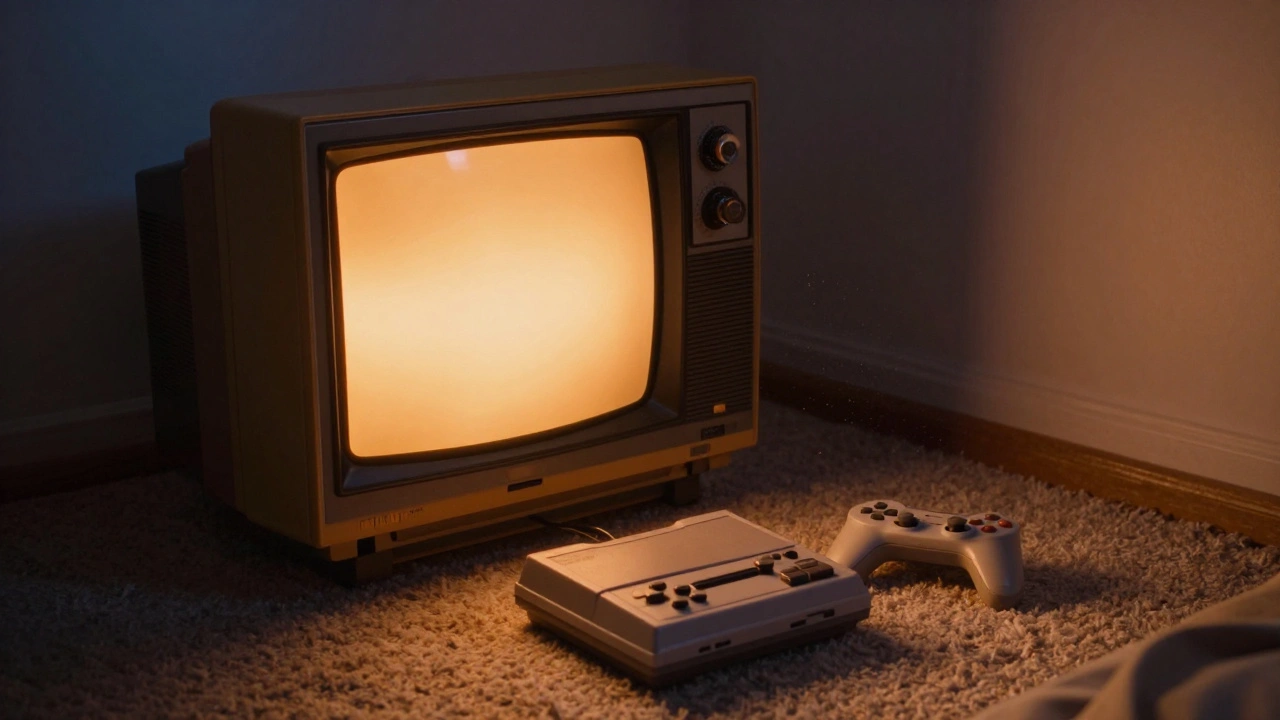
There is nothing quite like the smell of a dusty living room carpet where your childhood console used to sit. That specific mix of ozone, warm plastic, and nostalgia hits differently than clicking an icon on a sleek tablet screen. You can have all the digital perfection in the world, but does it truly capture the soul of playing a Retro Console is a dedicated electronic device designed for video games released between the second and fourth generations of consoles, such as the NES, SNES, or PlayStation One.? This tension-between keeping the history pure and making it playable-is the biggest debate in gaming today.
Let's get straight to the point: if you are hunting for the exact same experience you had twenty years ago, the answer leans heavily toward the physical box. If you just want the joy of gameplay without the hassle, software wins every time. But the reality sits somewhere in the middle, bridged by technology we didn't even have five years ago.
The Weight of Nostalgia and Physical Media
Original hardware isn't just about electricity moving through circuits; it's about tactile feedback. When you hold a gamepad from 1985, the buttons click with a specific resistance that hasn't been replicated in modern designs. The research into retro experiences consistently highlights that sensory details matter more than graphics resolution for many collectors. The plastic flexes, the cords tangle, and the speakers produce a crackle that adds texture to the audio.
Consider the CRT Monitor is an older display technology using a cathode ray tube that provides instant pixel response times and organic glow, essential for authentic retro gaming presentation.. Old games were designed for these screens. The phosphors bleed slightly, blurring sprites in a way that actually improved the image quality by hiding jagged edges. A high-definition TV makes everything sharp, but it exposes design limitations developers never intended us to see. Playing Mega Man on a proper 4:3 aspect ratio screen changes the rhythm of the game entirely compared to stretching it across a wide LCD panel.
This brings us to the concept of "authentic failure." With original systems, you know what you're getting. If the cartridge doesn't work, there is no workaround other than cleaning the contacts. There are no hidden bugs in the software layer to blame. For purists, this predictability is a feature, not a bug. You aren't managing software updates or compatibility modes. You are interacting with a sealed artifact of history that functions exactly as it did on day one of its release cycle.
Why Accessibility Drives the Digital Shift
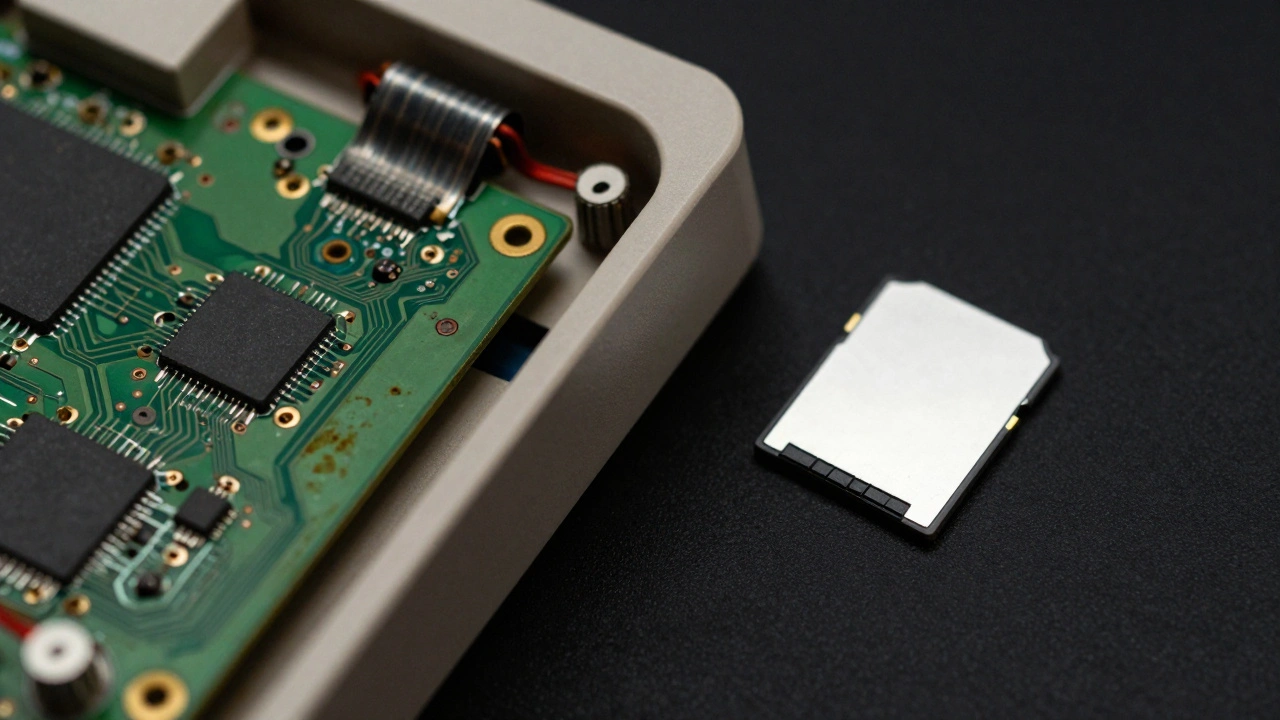
While the die-hards cling to the dust, the broader community has embraced the freedom of code. Why spend four hundred dollars on a scratched disc and a malfunctioning drive when you can load dozens of titles on a single SD card? The shift here is driven by convenience. Emulation is software that mimics the behavior of a hardware system, allowing games to run on different devices with enhanced features like save states. opens up the library of gaming history to anyone with a laptop or a smartphone.
Think about save states. In the era of cartridges, losing progress meant starting over because battery-backed saves often failed after fifteen years. Modern digital tools let you pause the timeline anywhere. For parents teaching their children old games, this is non-negotiable. It removes frustration barriers, letting players learn mechanics without punishing death loops ruining the momentum.
Then there is the issue of aging infrastructure. Cables rot. Capacitors explode. Finding a working PlayStation 1 is a multimedia game console developed by Sony Computer Entertainment, known for its CD-based architecture and early 3D capabilities. laser drive that spins fast enough is becoming nearly impossible without repair skills. Software sidesteps all the physical wear and tear. You aren't fighting corrosion on a PCB board anymore; you are running optimized code on silicon that is built to last decades.
| Feature | Original Hardware | Modern Emulation |
|---|---|---|
| Variety | Limited to purchased discs/carts | Unlimited library potential |
| Visual Fidelity | Native CRT, fixed resolution | HDCPU scaling, texture mods available |
| Maintenance | Requires electronics knowledge | Few clicks to update |
| Audio Quality | Analog output, speaker dependent | Digital resampling, surround capable |
The Myth of Perfect Replication
If emulators were perfect copies of reality, the debate wouldn't exist. The problem lies in the complexity of timing. Some old chips relied on the fact that electricity moved slightly slower than light speed, creating accidental timing quirks that made the game work. Replicating that down to the nanosecond requires immense effort. We call this "cycle-accurate" emulation.
Most popular programs sacrifice 0.01% of accuracy for smooth performance. For ninety-five percent of the library, nobody notices. However, for titles that pushed the hardware too hard, glitches appear. Audio might lag behind video frames, or color palettes might shift slightly due to wrong timing in the CPU instruction set. This is why some hardcore enthusiasts refuse to switch back. They accept that a few games break, but they want total faithfulness for the ones that work.
This leads us to FPGA Consoles is Field Programmable Gate Array technology that physically rewrites circuit logic to act like original hardware rather than simulating it via software.. Unlike traditional software emulation that runs on a generic processor (x86 or ARM), these hybrid devices use programmable silicon. They are essentially blank slates of hardware where you flash a map of the old chip. They are getting dangerously close to indistinguishable from the real thing while offering modern conveniences like HDMI output. It is the best of both worlds, but currently comes with a higher price tag and a steeper learning curve to set up.
Preserving Culture vs. Hoarding Plastics
We need to ask ourselves why we keep these things. Is it the object itself, or the art inside it? If a game exists only on a format that rots away, do we own the game or just the container? Physical media is failing us. Optical media degrades. Flash memory leaks. Collectors who hoard boxes are often protecting objects rather than the experience. By digitizing the experience, we ensure the art survives even if the hardware dies. From a historical perspective, widespread access ensures the next generation knows how Pac-Man felt to control, even if they never touch an Atari cabinet.
However, we must also respect the creators. Buying the real thing supports manufacturers who keep manufacturing legitimate merchandise. It validates the market for repairs and parts. If everyone moves to piracy-style downloads without support, the ecosystem that maintains original parts disappears. Many enthusiasts choose a hybrid route: they buy the cheap re-releases from official sources for the moral win, then rely on open-source communities to maintain high-fidelity digital backups for actual play sessions.
Choosing Your Path Forward
Your choice depends entirely on what job you are trying to finish. Are you building a museum piece? Buy the hardware, get the CRT, and enjoy the ritual of plugging it in. Are you looking to explore thousands of hours of history quickly? Go digital. Most veterans end up doing both. There is peace in having the option. Sometimes you want the comfort of your current couch and an Xbox controller connected to an emulator. Sometimes you want the ritual of walking into the basement, flipping the breaker, and turning on the old machine.
Don't let gatekeepers dictate your enjoyment. If you love the games, find the method that lets you play them most often. Whether that is loading a ROM or flipping a cartridge, the most important part is the engagement with the content. Technology evolves, but the core human connection to these stories remains the same regardless of how the data gets processed.
Is original hardware always superior to emulation?
Not necessarily. While original hardware guarantees authenticity, emulation offers enhancements like save states, graphical upscaling, and modern controller support that significantly improve playability for some users.
Do emulators affect game accuracy?
High-quality emulators are extremely accurate, but minor timing issues can occur in complex titles. Cycle-accurate cores exist to minimize these errors, though absolute perfection is still technically difficult to achieve across all libraries.
What is an FPGA in gaming?
An FPGA uses programmable hardware circuits to replicate original system architecture directly, bridging the gap between physical hardware reliability and modern interface standards like HDMI.
Why do people prefer CRT monitors?
CRT monitors offer instant pixel response and natural analog filtering (scanlines) that reduce motion blur and match the intended aspect ratio and resolution of vintage consoles perfectly.
Can I play classic games legally without buying them?
Legality varies by region. Generally, you should own the physical copy to download the ROM file for personal backup purposes. Downloading copyrighted software you do not own usually violates intellectual property laws.