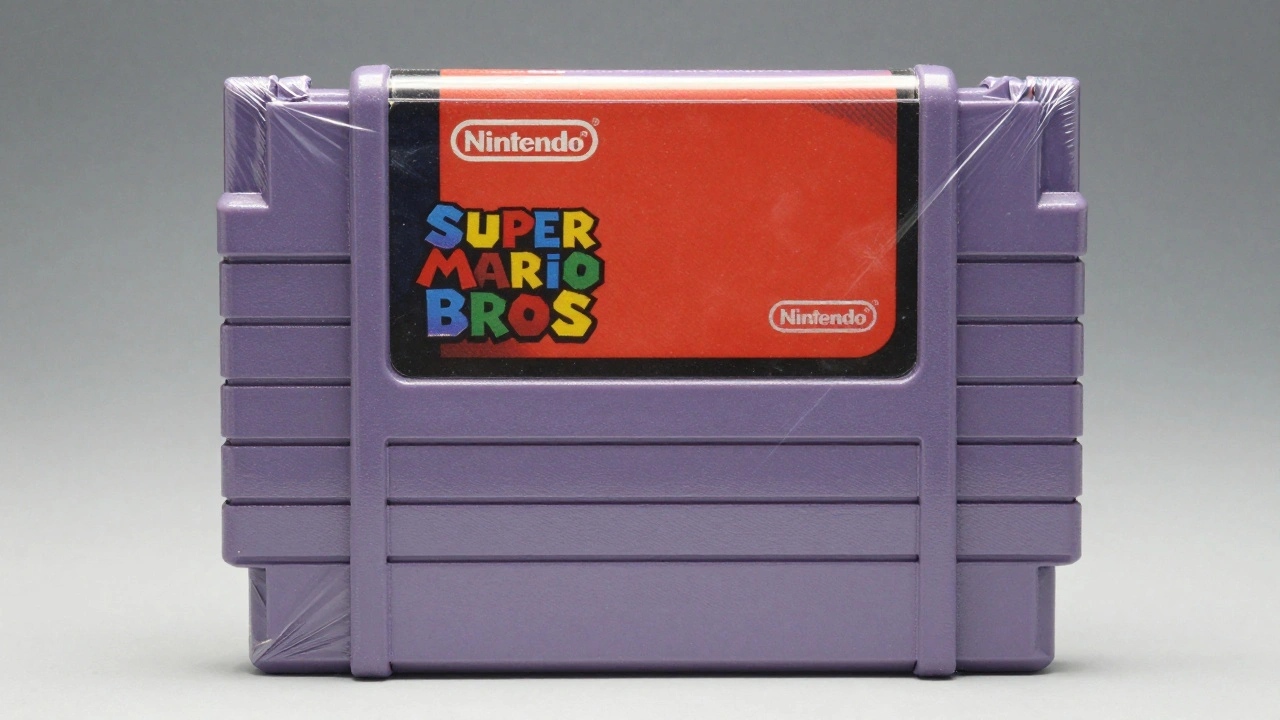
When you buy a vintage video game today, you're not just buying a cartridge or disc-you're buying a piece of history. But not all copies are created equal. Two identical copies of Super Mario Bros. can sell for $50 or $5,000, and the difference isn’t the gameplay. It’s the box. The corners. The plastic wrap. The tiny hologram stuck on the back. These aren’t just packaging details-they’re the entire reason collectors pay thousands for sealed games.
Why Factory Sealing Matters More Than You Think
Professional grading companies like CGC Video Games don’t just look at whether a game looks clean. They look at whether it was ever opened. A game that was factory sealed when it left the warehouse and stayed that way for 30 years? That’s a Grade 9.8-near perfect. A game that was opened, resealed, and sold as new? Even if it looks untouched, it’s a Grade 7.0 at best. Why? Because collectors don’t want a game that was repackaged. They want the real thing-the untouched, original experience.
Original shrink wrap wasn’t just plastic slapped around a box. It was engineered. For Nintendo games from the 1980s and 1990s, the wrap was a single sheet of PVC film folded over the box, leaving only three seams: top, bottom, and one vertical seam along the back. That’s called a fold-seal. If you see a fourth seam running along one side? That’s a red flag. That’s a reseal. Third-party resealers used a single-wound method, which left a side seam. Graders spot this instantly. And if the plastic looks brittle, yellowed, or has little burnt spots where the heat seal went wrong? That’s not aging-it’s damage. A cracked or split seam can drop a game’s grade by two full points.
The Hologram That Tells the Truth
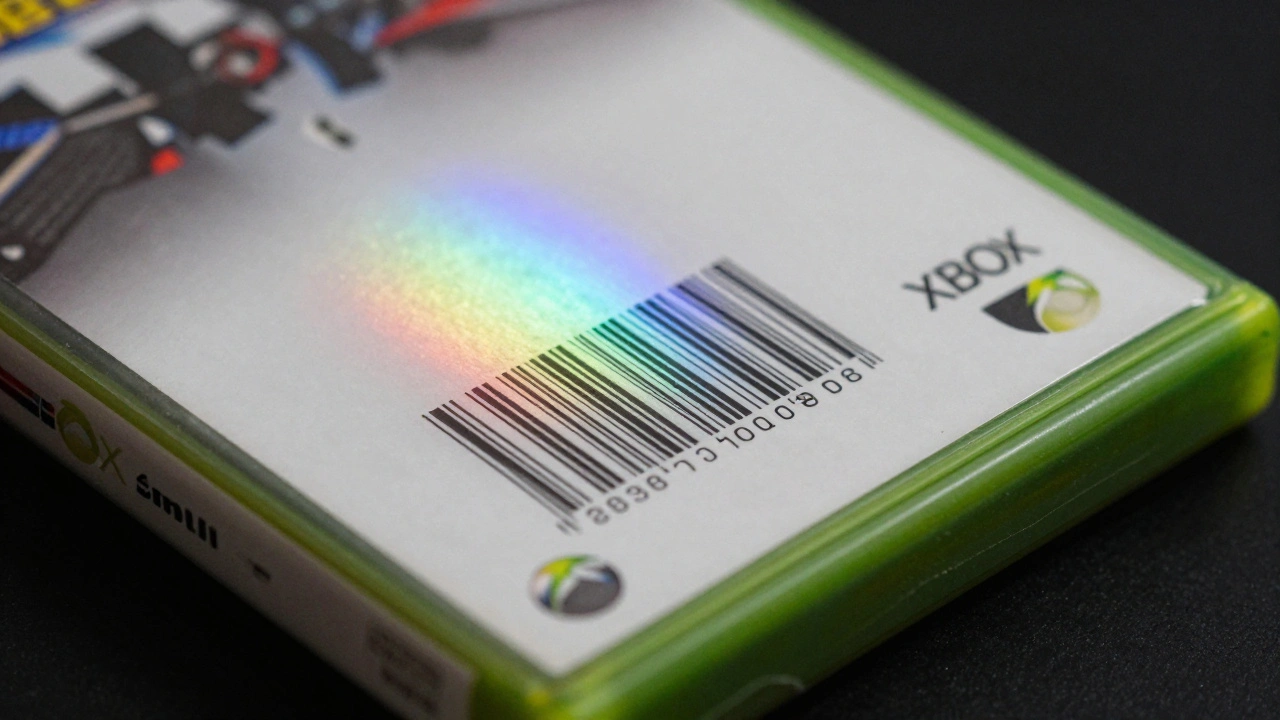
Some games came with holograms. Not decorative ones. Real authentication stickers. Take the original Xbox games. Many had a security barcode printed directly into the shrink wrap. Embedded in that barcode was a holographic stamp-a tiny, shimmering logo that changed angle when you tilted the box. If the hologram is missing, smudged, or looks like it was stuck on later? The game isn’t factory sealed. It’s been tampered with.
And it’s not just Xbox. Sega Dreamcast games had a small holographic seal on the back of the case. PlayStation 1 games from Japan often had a circular holographic sticker over the disc tray. These weren’t marketing gimmicks. They were anti-counterfeit tools. Today, they’re grading anchors. A missing hologram doesn’t just mean the game was opened-it means the entire packaging history is in question. If the hologram is gone, the grader has to assume the worst: someone opened it, swapped the disc, and tried to hide it.
Box Corners: The Silent Grade Killers
Everyone notices scratches on the box. But the corners? Those are where grades die.
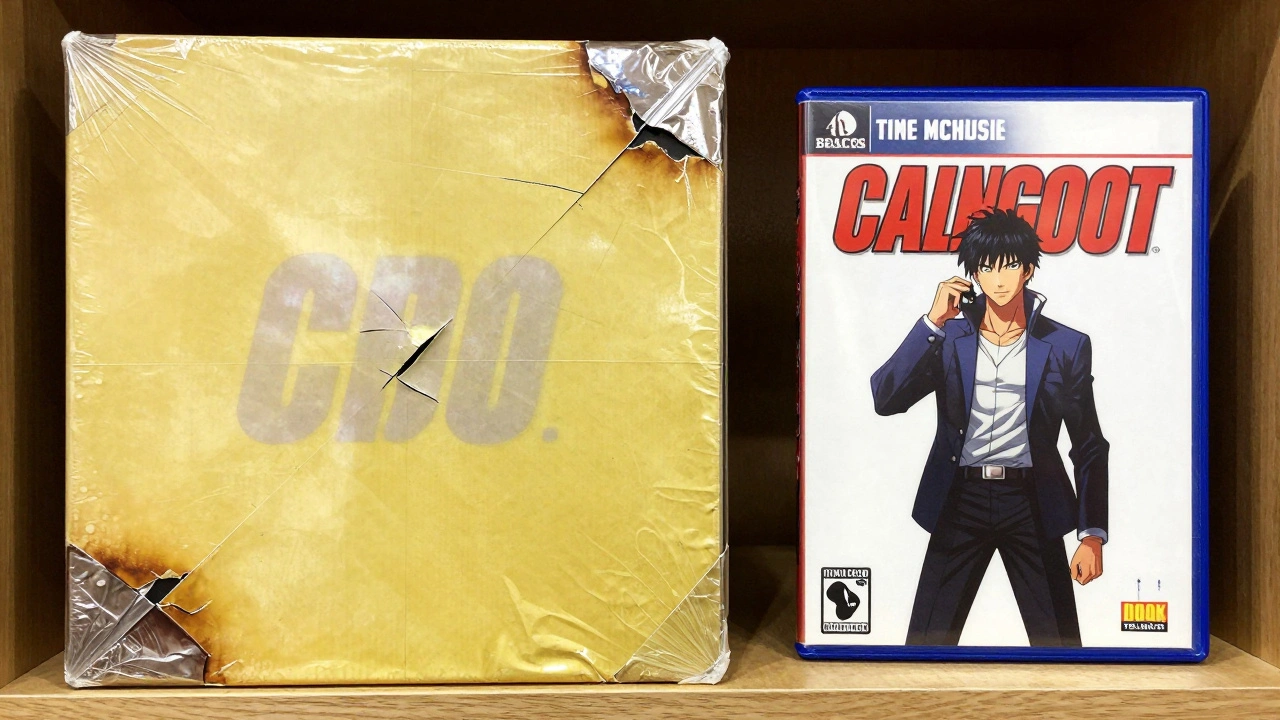
Factory boxes were shipped with sharp, crisp corners. The plastic wrap protected them. But if the wrap was torn, or if the box sat in a warehouse with other boxes pressing against it, those corners got crushed. A slightly bent corner? That’s a Grade 9.4. A corner that’s folded over like a paper airplane? That’s a Grade 8.0. A corner that’s split open? That’s a Grade 7.0 or lower.
Why? Because collectors want the box to look like it just came off the assembly line. A bent corner suggests the game was handled roughly, stored poorly, or-worse-opened and resealed without proper care. Even if the game inside is pristine, a damaged corner tells the grader: this wasn’t kept like a treasure.
Some sellers try to fix bent corners with steam or heat. Don’t. Heat warps the plastic wrap. It leaves marks. It changes the texture. A grader can tell the difference between natural aging and attempted repair. And repair always lowers the grade.
What Else Graders Look At
It’s not just the wrap, the hologram, and the corners. Every detail counts.
- Logo strips: On some Nintendo boxes, a thin plastic strip with the Nintendo logo ran along the top edge. If it’s missing? That’s not normal wear. That’s a sign the box was opened.
- Hang tabs: Many games came with plastic tabs for hanging on store racks. If the tab is still attached, and the hole in the box is clean? That’s good. If the tab is gone but the hole is torn or ripped? That’s a downgrade.
- Security stickers: Some games, especially later PS2 titles, had a small adhesive sticker with a unique code. If it’s missing, or if the adhesive looks like it was peeled and reapplied? That’s a red flag.
- Disc condition: Even if the box is perfect, a scratched disc drops the grade. But here’s the catch: if the disc is scratched but the box is sealed, the grader still grades the box as sealed. The disc gets its own separate score.
Each of these details adds up. One small issue might not matter. But three? Four? That’s where a game goes from near mint to good.
Real-World Example: Mortal Kombat II (SNES)
Let’s say you find a sealed copy of Mortal Kombat II on eBay. The seller claims it’s factory sealed. But when you look closely, you see:
- A vertical seam on the back-good.
- A horizontal seam on the top-good.
- A second horizontal seam on the bottom-good.
- And a seam running along the right side-bad.
That side seam? That’s not factory. That’s a reseal. Even if the box looks perfect, the grade drops from 9.8 to 7.5. And that’s not speculation. That’s CGC’s official policy. They’ve graded hundreds of these. The side seam is a known reseal pattern.
Now imagine the same game-but the box corner is slightly crushed. The hologram is faded. The logo strip is missing. Suddenly, that 7.5 drops to 6.0. The value? Cut in half.
What You Can Do
If you’re buying sealed games:
- Always ask for high-res photos of the seal from all four sides.
- Look for seams. Three? Good. Four? Run.
- Check the corners. Are they sharp? Or bent? Take a close-up.
- Look for holograms. Are they shiny? Or dull? Is there a sticker that looks like it was glued on?
- Don’t trust sellers who say “it’s sealed.” Ask: “How do you know?”
If you’re selling:
- Don’t reseal a game you opened. It’s not worth the risk.
- Store games upright, away from heat and pressure.
- If the plastic is brittle, don’t try to fix it. Leave it alone.
- Send it to a professional grader. CGC or PSA. They’ll tell you the truth.
There’s no magic formula. But there’s a pattern. And if you learn it, you’ll stop overpaying for fakes-and start finding the real gems.
Do all video games have holograms on the packaging?
No. Holograms were used by some publishers-like Sega, Nintendo, and Microsoft-but not universally. They were mainly added in the late 1990s and early 2000s to fight counterfeiting. A game without a hologram isn’t necessarily fake. But if it has one and it’s missing, that’s a major red flag.
Can I reseal a game I opened and still get a high grade?
No. Professional graders like CGC and PSA explicitly downgrade any game that wasn’t factory sealed. Even if you use the exact same type of plastic wrap, the seal pattern, and the original barcode, they can still tell the difference. The plastic, the seam texture, and the aging don’t match factory standards. You’ll get a "resealed" designation-and a much lower value.
How much does a damaged corner reduce a game’s value?
It depends on the game and the severity. For a rare title like Super Mario Bros. 3 in 9.8 condition, a bent corner could drop the value from $3,000 to $1,200. For a common game, the difference might be $20 to $50. But the drop is always significant. Graders treat corner damage as evidence of poor handling, which affects perceived authenticity.
Is shrink wrap still used on new games today?
Modern retail games rarely use shrink wrap. Most are sold in cardboard cases with plastic trays. Collectors care about factory-sealed games from the 1980s to early 2010s, when shrink wrap was standard. Today’s sealed games don’t have the same collector value because they weren’t sealed for preservation-they were sealed for retail.
Can I clean or restore the plastic wrap on an old game?
Never try. Cleaning, steaming, or reheating the plastic wrap will leave marks, change the texture, or cause new cracks. Graders are trained to spot restoration attempts. Even a slight sheen or uneven shine can trigger a "restored" designation, which tanks the grade. Leave it alone. Age is part of the story.