Imagine buying a pristine copy of Super Mario Bros. for $50 at a garage sale, only to find out it was worth $1,500 because you stored it in direct sunlight. It happens more often than you’d think. Video game collecting is exciting, but the learning curve is steep. One wrong move can cost you hundreds-or thousands-of dollars in lost value. The good news? Most of these mistakes are easy to spot and even easier to fix if you know what to look for.
This guide breaks down the most common pitfalls new collectors face. We’ll cover how to handle cartridges safely, why "complete in box" isn’t always as valuable as you hope, and how to avoid getting ripped off by fake games. By the end, you’ll have a solid foundation for building a collection that holds its value and brings you joy without breaking the bank.
The Danger of Improper Storage
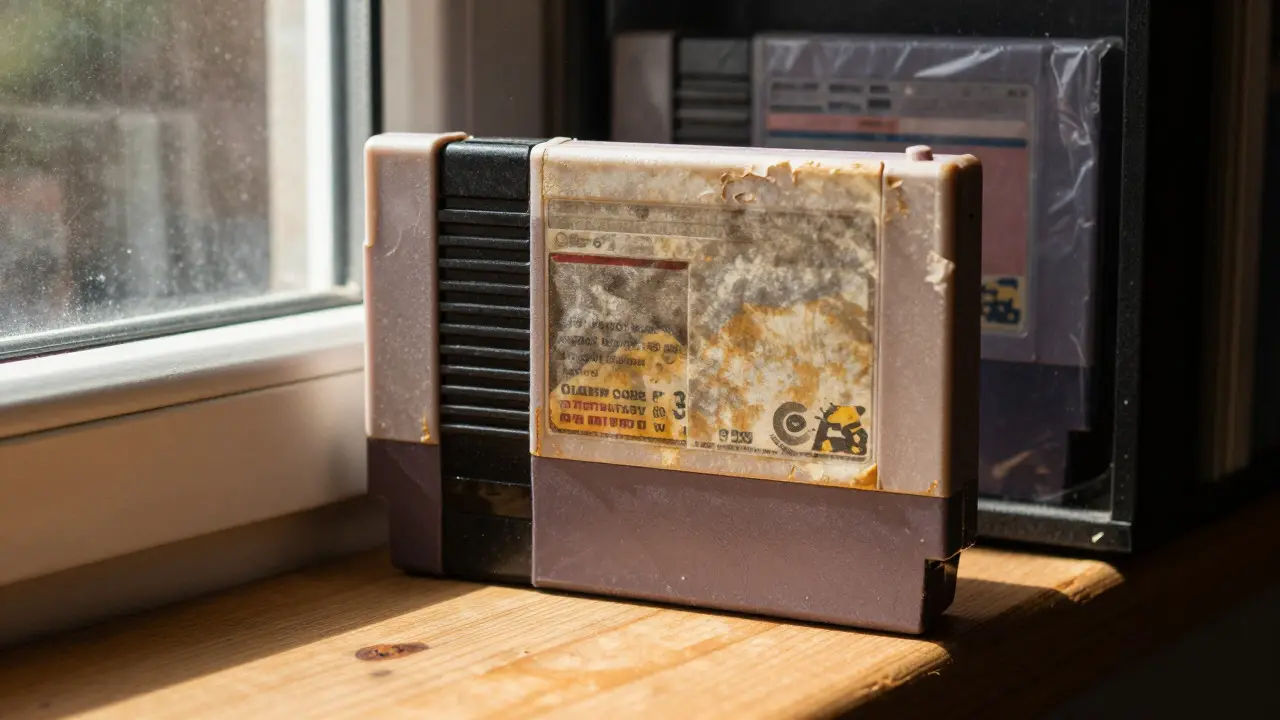
Your biggest enemy isn’t other collectors; it’s time and environment. Games degrade when exposed to heat, light, and humidity. A Nintendo Entertainment System (NES) cartridge left on a windowsill will fade within two years. The plastic turns yellow, and the label becomes illegible. This isn’t just an aesthetic issue-it directly impacts resale value.
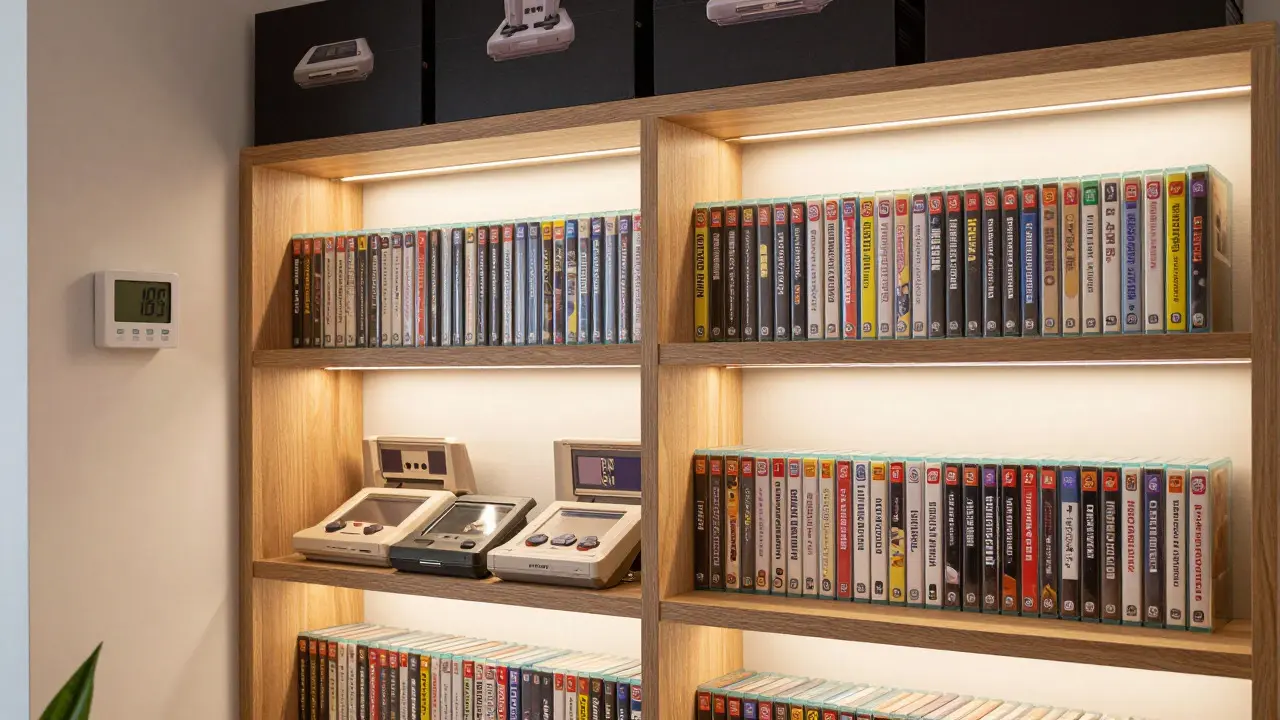
- Temperature: Keep your collection between 60°F and 70°F (15°C-21°C). High temperatures warp plastic and dry out adhesive on labels.
- Light: Ultraviolet (UV) rays break down dyes in paper and plastic. Store games in opaque boxes or away from direct sunlight.
- Humidity: Aim for 40%-50% relative humidity. Too much moisture causes mold on manuals and corrosion on contacts. Too little makes paper brittle.
Use acid-free archival sleeves for cartridges and discs. These prevent dust buildup and physical scratches. For consoles like the PlayStation 2 or Xbox 360, keep original cases if they are in good condition, but consider swapping them for protective slipcovers if the original case is cracked or warped.
Misunderstanding Grading and Condition
New collectors often assume that if a game looks "fine," it’s worth top dollar. Professional grading services like Professional Gamers Association (PGA) or World Video Game Collection (WVGCA) use strict standards. A game graded "Mint" must be indistinguishable from new under magnification. That means no scuffs, no label wear, and no faded colors.
Here’s where beginners stumble: they buy games labeled "Near Mint" online without checking photos closely. A single hairline scratch on a disc or a crease in a manual can drop the grade from Mint to Very Good. Always ask for high-resolution photos of all angles before purchasing. If possible, inspect the item in person. Look for:
- Faded text or logos on the label.
- Scratches on the cartridge or disc surface.
- Yellowing of the plastic shell.
- Tears or stains on the instruction manual.
If you’re not confident in your eye, start with ungraded games and learn to identify flaws over time. Don’t pay premium prices for condition until you’ve built that skill set.
The Myth of "Complete in Box" Value
Many beginners believe that having the original box, manual, and insert automatically multiplies a game’s value by ten. While completeness does add value, it’s not a magic multiplier. A complete-in-box copy of a rare game is valuable, but a complete-in-box copy of a common title might only be worth slightly more than the loose game.
Consider The Legend of Zelda for the NES. A loose copy sells for around $80-$120. A complete-in-box copy with a clean manual might fetch $200-$300. But a complete-in-box copy with a worn manual and faded box could sell for less than the loose version. The key is the condition of each component. A damaged box adds little value compared to a pristine one.
Always evaluate each part separately. Is the box crisp? Is the manual free of folds? Are the inserts present and undamaged? Only then can you accurately assess the total value. Don’t let the word "complete" cloud your judgment.
Ignoring Regional Differences and Rarity
Not all copies of a game are created equal. Regional variations, print runs, and release dates significantly impact value. For example, Japanese releases of early Nintendo games are often rarer and more valuable than their North American counterparts. A Japanese Pikachu Edition Game Boy is worth far more than a standard gray model, but only if it’s authentic and in good condition.
Beginners often overlook this nuance. They buy a game thinking it’s rare, only to discover it was mass-produced. To avoid this, research the specific region and year of production. Check databases like GameFAQs or community forums to verify rarity. Pay attention to details like serial numbers, language on the packaging, and regional symbols (e.g., NTSC vs. PAL).
| Mistake | Impact on Value | How to Avoid It |
|---|---|---|
| Storing in sunlight | High - Fades labels, yellows plastic | Use opaque storage, keep away from windows |
| Assuming "Complete in Box" = High Value | Medium - Depends on component condition | Evaluate each item individually |
| Buying unverified rarities | High - Overpaying for common items | Research regional differences and print runs |
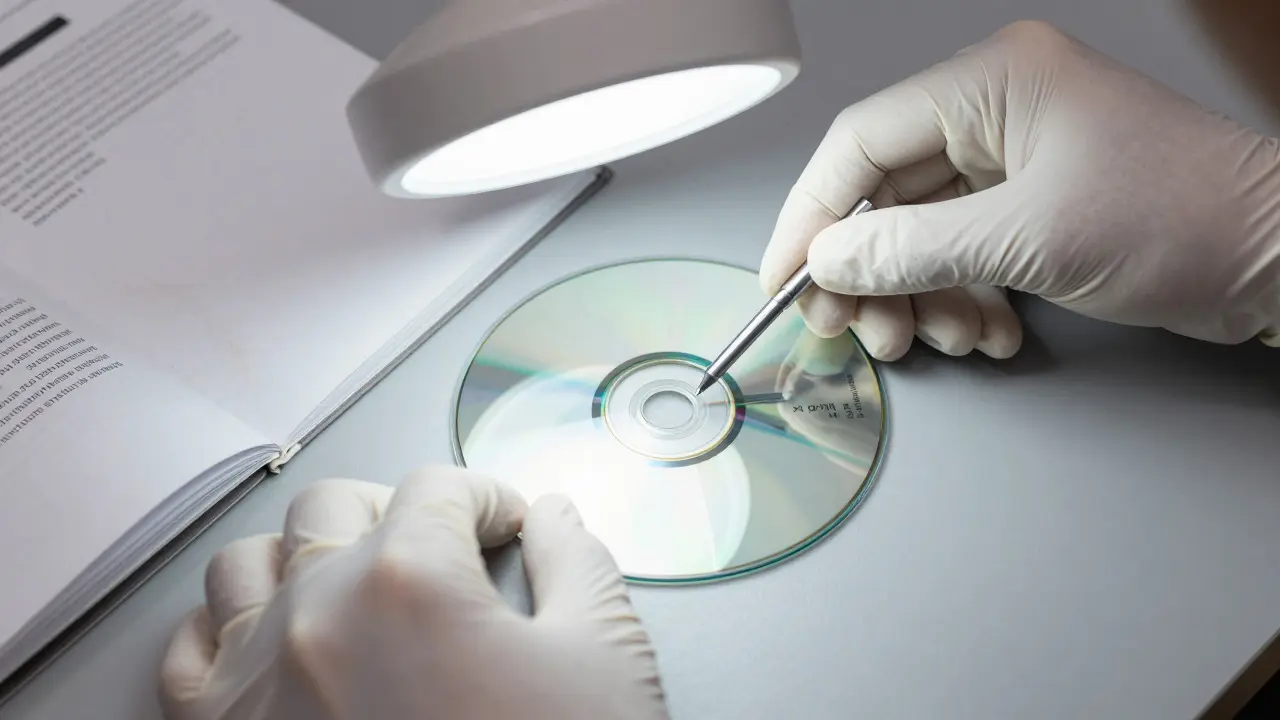
| Handling games with bare hands | Low-Medium - Oils damage labels | Wear nitrile gloves when handling |
Overlooking Authentication Risks
Fakes are everywhere. From counterfeit Game Boy Advance SP units to reprinted manuals for classic Sega Genesis titles, forgeries can trick even experienced collectors. Beginners are especially vulnerable because they may not know what to look for. Red flags include:
- Labels that look too perfect or have misaligned printing.
- Cartridges with incorrect weight or texture.
- Manuals with modern fonts or paper quality inconsistent with the era.
- Sellers who refuse to provide detailed photos or provenance.
When in doubt, check with reputable communities or experts. Sites like RetroGameCorporation or dedicated Discord servers can help verify authenticity. Never rely solely on seller descriptions. Trust your eyes and do your homework.
Building a Sustainable Collection Strategy
Collecting shouldn’t feel like a race. Many beginners burn out by trying to chase every rare item or keep up with trends. Instead, focus on what you love. Do you prefer 8-bit classics? Modern indie titles? Limited-edition consoles? Narrowing your focus helps you become an expert in a niche, which makes spotting fakes and assessing value easier.
Set a budget and stick to it. Allocate funds for both acquisition and preservation. Spend money on proper storage before buying expensive games. A $20 archival sleeve protects a $500 investment. Also, document your collection. Take photos of each item upon purchase. Note the date, source, and condition. This record helps track value changes and proves ownership if disputes arise.
Finally, enjoy the process. Collecting is about passion, not just profit. When you connect emotionally with the games, the journey becomes rewarding regardless of market fluctuations. Stay curious, keep learning, and don’t be afraid to ask questions. The community is generally welcoming to newcomers who show respect and effort.
Should I clean my old video games?
Only if necessary. Dust can attract moisture, so gently blow out debris with compressed air. Avoid using alcohol or harsh chemicals on labels, as they can dissolve ink. For cartridges, wipe contacts with a pencil eraser if they’re dirty, but test on a non-critical area first. For discs, use a soft microfiber cloth and wipe from center to edge.
Is it better to buy sealed or opened games?
Sealed games typically hold higher value because they haven’t been handled. However, verify the seal is original. Fake seals are common. If buying opened, ensure the contents are complete and in excellent condition. Sealed items carry a higher risk of hidden defects, so buy from trusted sellers.
How do I store large collections like consoles?
Use climate-controlled storage if possible. Place consoles in sturdy boxes with padding. Avoid stacking heavy items on top of delicate components. Label each box with contents and condition notes. Consider digital backups for manuals and inserts to preserve information even if physical copies degrade.
What is the best way to sell collected games?
List on specialized platforms like eBay, Mercari, or retro gaming forums. Provide multiple high-quality photos and honest condition reports. Price competitively based on recent sales data. For high-value items, consider professional grading to increase buyer confidence. Ship securely with tracking and insurance.
Do limited edition games always appreciate in value?
Not necessarily. Limited editions can lose value if the market saturates or interest wanes. Research historical price trends before investing. Some limited runs remain stable, while others spike briefly after release and then decline. Focus on long-term demand rather than short-term hype.