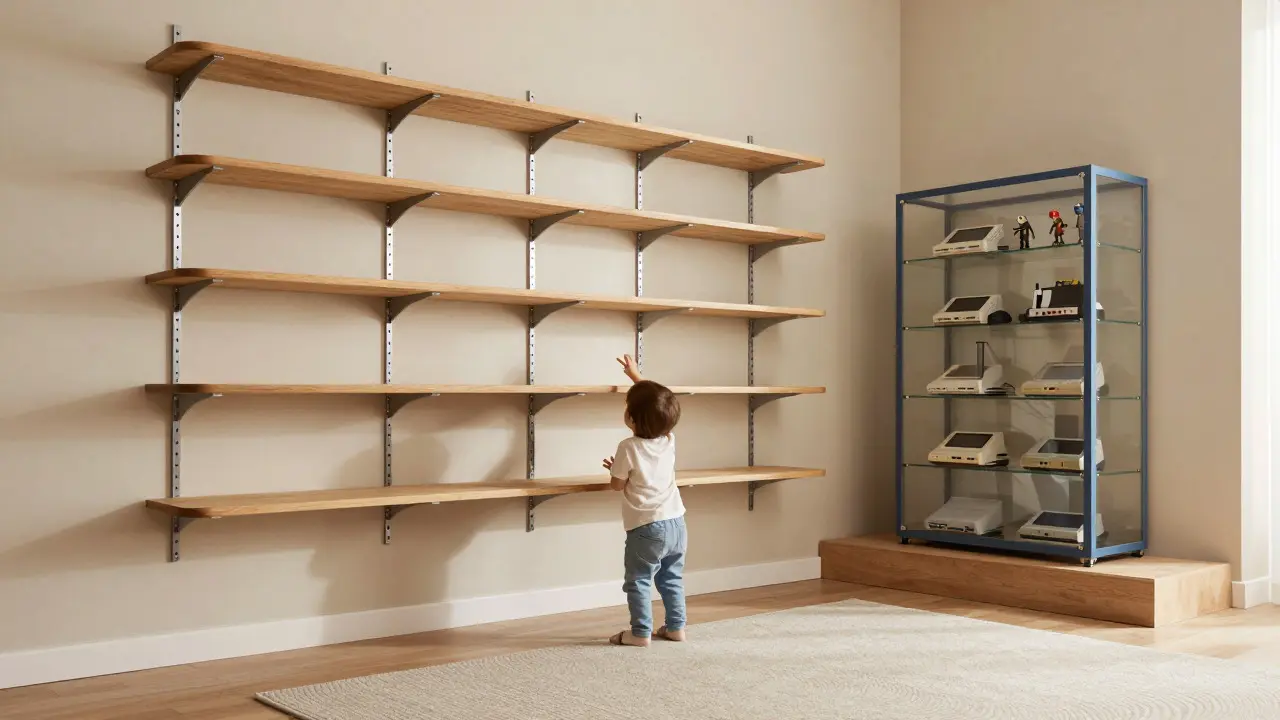
Imagine walking into your dedicated gaming space, only to find a toddler standing on a wobbly shelf, reaching for a rare Game Boy cartridge that costs more than their monthly allowance. It’s a nightmare scenario for any collector. You want to preserve your investments while keeping little hands safe from sharp edges and small parts. This guide breaks down exactly how to secure your space without turning it into a fortress.
Why Standard Shelves Fail in Gaming Rooms
Most standard furniture isn't built for the specific weight distribution of retro consoles or modern discs. A stack of PlayStation 4 games might look light, but the combined weight can shift the center of gravity if not balanced properly. Children don't understand weight limits; they pull. If a shelf is loose, it becomes a tipping hazard. The first step is auditing your current storage. Look for gaps larger than four inches. According to pediatric safety guidelines, objects smaller than this size are choking hazards, but gaps allow fingers to get stuck or heads to poke through. Secure every piece of furniture to the wall using anti-tip straps. These cost less than twenty dollars each and save thousands in potential repair bills.
Securing Display Cases and Glass Fronts
Acrylic display cases are popular for showing off limited-edition figures and consoles. However, acrylic shatters differently than glass. While less dangerous, the shards can still be sharp. If you use glass-fronted cabinets, ensure the locking mechanism is out of reach. Standard knobs are too easy for curious fingers. Swap them with child-proof locks or magnetic catches that require two hands to open. For freestanding displays, consider placing them on raised platforms rather than floor-level stands. A raised platform keeps the most valuable items above the typical eye level of a toddler, reducing the temptation to climb. Always check the stability of the base. If the case wiggles, add felt pads underneath to increase friction against the floor.
Cable Management and Trip Hazards
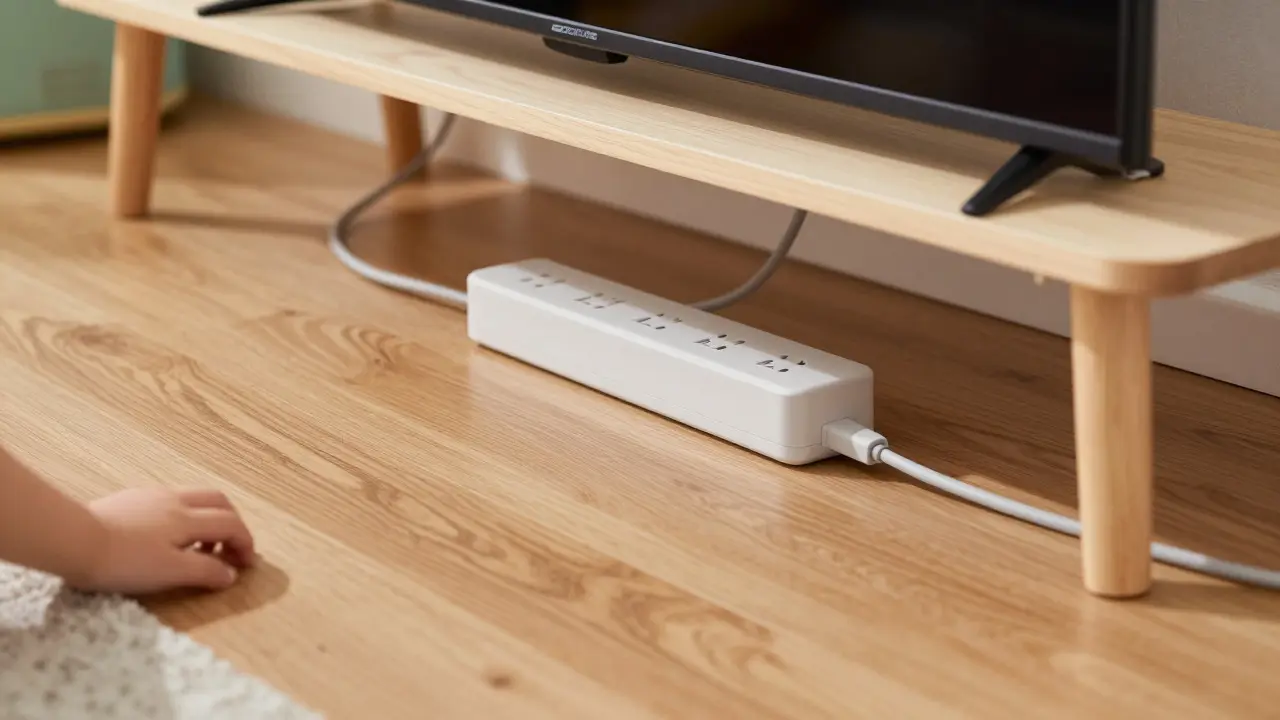
A gaming room is a web of wires. Power strips, HDMI cables, and controller chargers create a maze on the floor. To a child, these are just colorful ropes to pull. Exposed cords can cause trips, leading to falls onto hard surfaces like wooden floors or concrete. Use cable raceways to keep wires flush against the wall or under the baseboard. If you must run a cord across the floor, use a flat, low-profile cable cover that blends with the carpet or wood. Never leave power strips dangling. Mount them on the back of your TV stand or inside a cabinet where kids can’t access the outlets. This prevents both electrical shocks and accidental unplugging of expensive hardware during a system update.
Organizing Small Parts and Cartridges
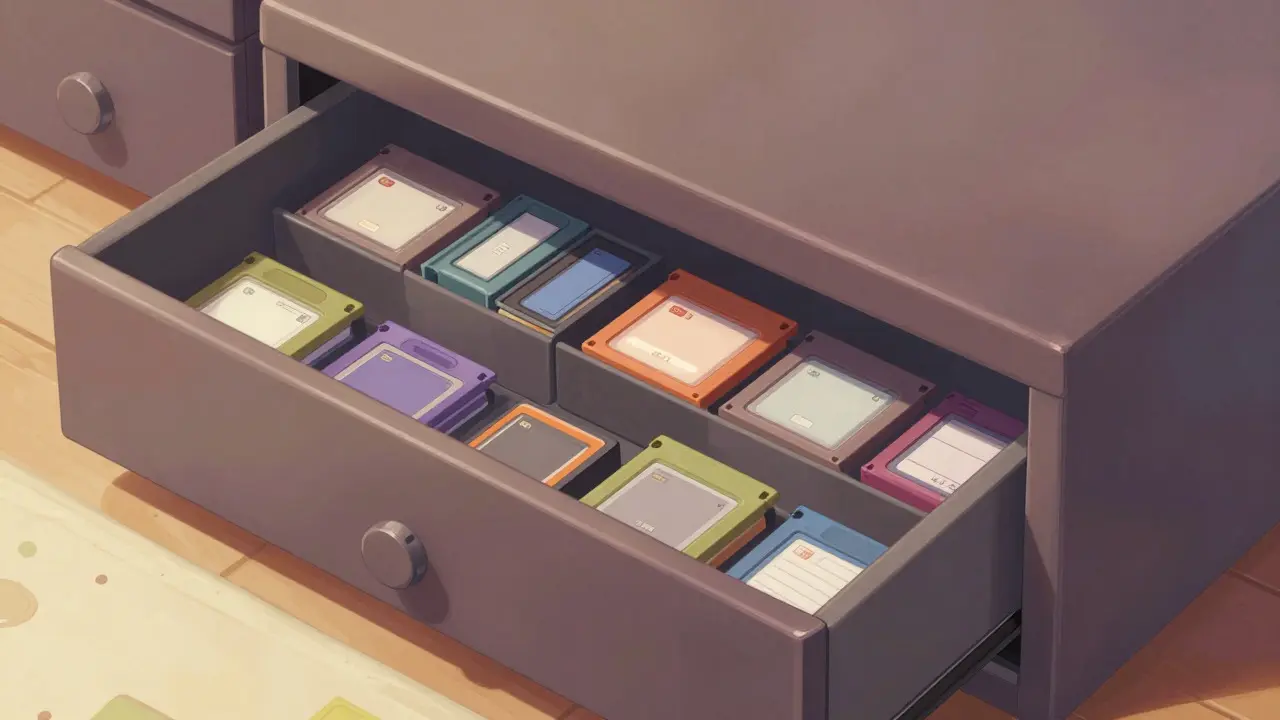
Retro gaming involves small components: cartridges, memory cards, and loose screws. These are prime targets for toddlers who love putting things in their mouths. Store all loose items in lidded bins with secure closures. Avoid open trays on desks. Instead, use drawer organizers with sliding lids. Label everything clearly so you know where things go, but make sure the labels are on the outside of the container, not on the individual items which might be lost. For Nintendo Switch Joy-Cons or other detachable controllers, keep them in a designated charging dock when not in use. This keeps the small buttons and ports protected from sticky fingers and drops.
Choosing Safe Furniture Materials
When buying new storage for your collection, material matters. Sharp metal edges on industrial-style shelving can cut skin easily. Opt for rounded corners on all furniture pieces. Wood is generally safer than metal because it feels warmer and is less likely to cause severe cuts if bumped into. Check the finish. Glossy paints can chip, creating small fragments that pose a choking risk. Matte finishes are more durable and safer for high-traffic areas near children. If you have hardwood floors, consider adding area rugs in front of seating areas. Rugs provide cushioning for falls and reduce the noise of dropped controllers. Just make sure the rug has a non-slip backing to prevent it from sliding out from under a running child.
| Storage Type | Safety Risk | Child-Proofing Solution | Best For |
|---|---|---|---|
| Open Shelving | Tipping, falling items | Wall anchors, clear bins | Books, large boxes |
| Glass Cabinets | Breakage, sharp edges | Magnetic locks, tempered glass | Premium displays |
| Freestanding Units | Tip-over hazard | Anti-tip straps, heavy bases | TV stands, consoles |
| Desk Drawers | Pinched fingers, small parts | Soft-close mechanisms, lidded bins | Cartridges, accessories |
Creating a Safe Play Zone
Your collection room doesn't have to be off-limits to kids entirely. Create a designated "safe zone" where they can play with approved games or toys. This area should be free of fragile items. Place a soft play mat on the floor. Keep the most delicate collectibles in a locked closet or a high shelf that requires an adult to reach. By separating the "museum