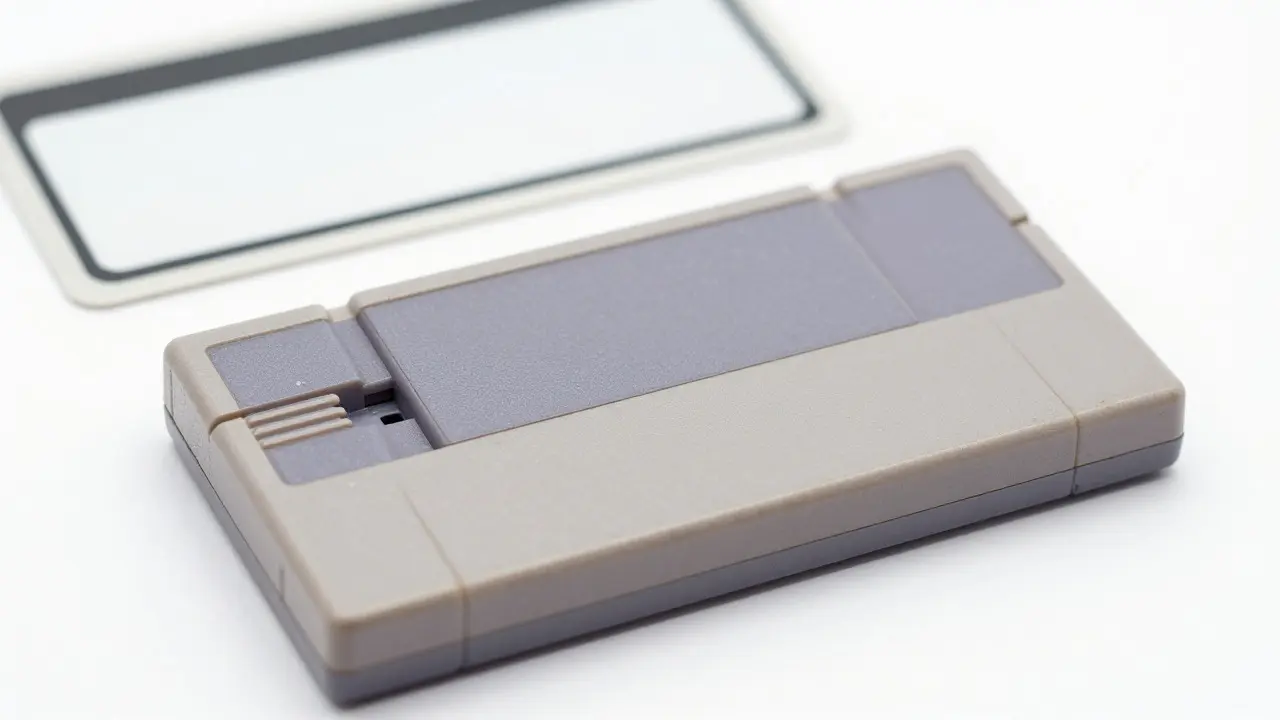
Buying a "Mint" copy of a classic Super Mario Bros. cartridge only to find the label is a modern reprint can feel like a punch in the gut. This is exactly why understanding restoration and conservation disclosures in video game grading has become critical for serious collectors. These terms aren't just fine print; they are the difference between an original artifact and a high-quality reproduction that might look perfect on the shelf but holds zero historical value.
In the world of professional grading, these labels tell you how much intervention happened after the item left the factory. If you're building a collection or selling pieces, knowing the distinction protects your investment. Let's break down what graders actually mean when they stamp these terms on your slab, and why it matters more than the numeric grade itself.
The Core Difference: Repair vs. Preservation
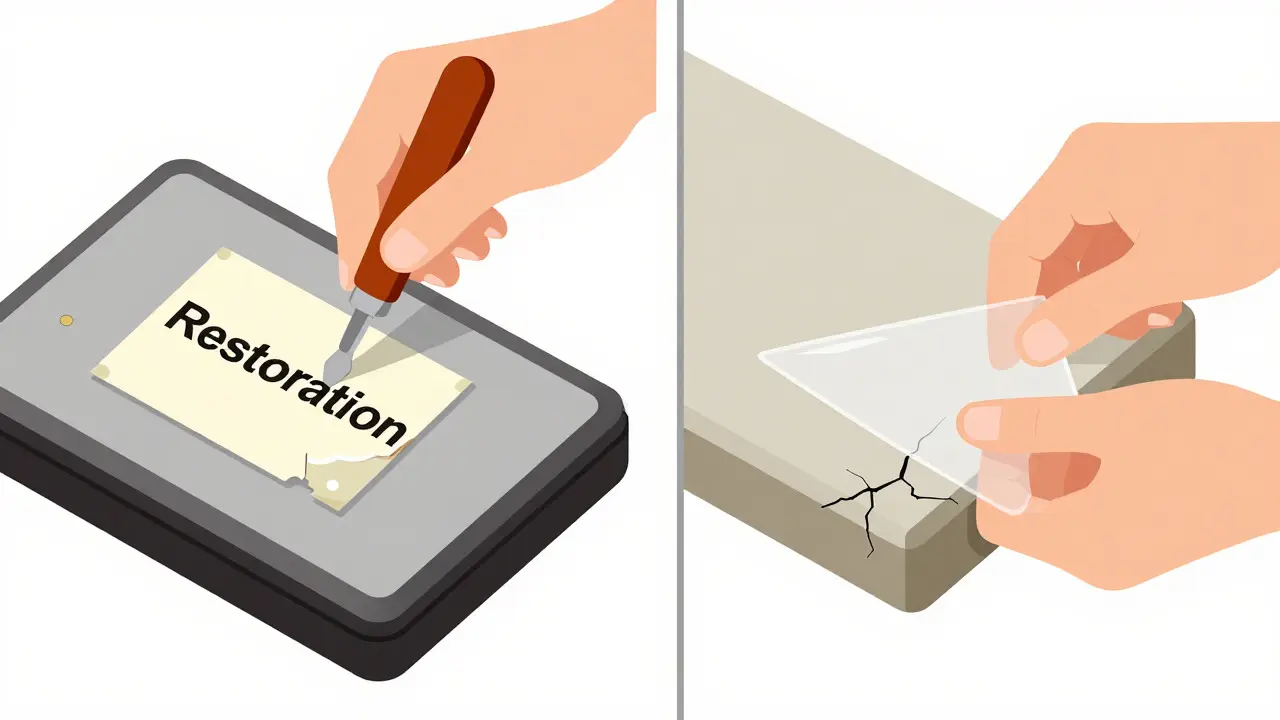
To understand the disclosures, you first need to grasp the fundamental philosophy behind them. Restoration refers to any process that alters the original physical state of the item to make it look newer or better than it did when it was last used. Think of this as "fixing" the item. On the other hand, Conservation focuses on stabilizing the item to prevent further damage without changing its appearance. It’s about keeping it alive, not making it pretty.
Here is a simple way to visualize the difference:
- Restoration: Replacing a faded label with a new one, cleaning mold off a disc until it looks brand new, or repainting a scratched case.
- Conservation: Sealing a cracked case in a protective sleeve, using archival tape to hold a loose spine, or storing a game in a climate-controlled environment to stop plasticizer migration (the "sticky" residue).
Graders care deeply about this distinction because originality drives value. A restored item is no longer 100% original. A conserved item is still 100% original, just protected. When you see these disclosures on a grading certificate, you are being told the history of the object's condition, not just its current visual state.
How Grading Companies Apply These Labels
Different grading services handle these disclosures slightly differently, but the core logic remains consistent across major players like WATA, CGC Video Games, and PSA. Most companies use a specific notation system on the label to flag non-original elements.
For example, if a game case has been professionally cleaned to remove heavy oxidation, a grader might note "Cleaned" or "Oxidation Removed." If a label was replaced, it will almost always be flagged as "Replaced Label" or "Non-Original Label." Some companies use color-coded stickers or specific text fields to highlight these issues so buyers don't miss them.
You should always check the back of the slab or the digital certificate. The front gives you the grade (like 9.5 or 10), but the back tells you the story. A 9.5 game with a "Replaced Label" disclosure is worth significantly less than a 9.5 game with no disclosures, even if they look identical from ten feet away.
Common Scenarios: Cartridges, Cases, and Discs
Video games come in various formats, and each has unique vulnerabilities that trigger different disclosures. Let’s look at the most common types of media and what to watch for.
Cartridges (SNES, N64, Game Boy)
Plastic cartridges are prone to yellowing due to UV exposure and chemical reactions in the ABS plastic. If a grader sees severe yellowing that has been chemically reversed (often called "de-yellowing"), they may disclose it as "Treated" or "Restored." While de-yellowing is generally accepted in the community for display purposes, purists prefer untreated originals. Always check if the treatment affected the internal contacts or the shell integrity.
Cases (NES, PS1, Xbox)
Cases are where most restoration happens. Cracked spines, missing hinges, and faded artwork are common.
- Hinge Replacement: If a broken hinge is swapped for a new one, it’s a restoration. It changes the mechanical function but not the aesthetic. Many graders disclose this as "Hinge Replaced."
- Label Swap: This is the big one. A fresh, bright label on an old, worn case is a red flag unless disclosed. If it says "Original Label," trust it. If it doesn’t say anything, assume it might be original but verify via authentication databases.
- Crack Filling: Sometimes, clear epoxy is used to fill cracks in a case. This is a conservative repair, but some graders disclose it as "Repaired" to indicate structural intervention.
Discs (CD, DVD, Blu-ray)
Discs suffer from scratches, water spots, and mold. Mold removal is a form of restoration because it cleans the surface beyond normal wear. Scratches are often buffed out. If a disc was heavily buffed, the grader might note "Polished" or "Buffed." Light polishing is usually acceptable, but deep buffing can thin the protective layer of the disc, potentially affecting readability over time.
Why Disclosures Impact Market Value
The market reacts quickly to transparency. In 2025 and 2026, we’ve seen a shift where buyers demand full disclosure. A game graded 10 by a reputable company with no disclosures commands a premium. The same game, if found to have a replaced label later, could lose 20-40% of its value overnight.
Consider the case of rare Nintendo Entertainment System titles. An original box with a pristine insert is a holy grail. But if the insert was printed in the 2000s to replace a lost original, it’s a replica. Without a disclosure, you’re buying a fake. With a disclosure, you know exactly what you’re getting. This transparency builds trust in the secondary market, which is crucial for long-term investment stability.
| Feature | Restoration | Conservation |
|---|---|---|
| Primary Goal | Improve appearance/function | Prevent future damage |
| Originality Status | Altered (Non-Original) | Maintained (Original) |
| Example Action | Replacing a torn label | Sealing a crack with archival tape |
| Typical Disclosure Text | "Replaced," "Repainted," "Cleaned" | "Stabilized," "Protected," "No Intervention" |
| Impact on Value | Negative (unless minor/accepted) | Neutral or Positive (shows care) |
How to Read a Grading Certificate Like a Pro
When you receive a graded game, don’t just look at the number. Here is a step-by-step guide to decoding the disclosures:
- Check the Grade Number: This is the cosmetic score (e.g., 8.5). It reflects visual appeal.
- Look for "Notes" or "Comments": This section lists any deviations from standard condition. Words like "Faded," "Scratched," or "Yellowed" are normal wear notes. Words like "Replaced," "Modified," or "Reproduced" are critical.
- Verify Authenticity Markers: Does the certificate confirm the label is original? Is the seal intact? Any tampering here invalidates the entire grading.
- Cross-Reference with Community Databases: Sites like PriceCharting or local collector forums often track known restorations. If a specific batch of games had widespread label swaps, check if yours is listed.
If a disclosure seems ambiguous, contact the grading company directly. They keep detailed records of every item they slab. Asking questions shows you’re a serious collector and helps build your own knowledge base.
Pro Tips for Buyers and Sellers
Whether you’re buying a slabbed gem or sending your own collection in for grading, these tips will save you money and headaches.
- For Buyers: Never buy a "Mint" game without checking the disclosure line. Assume the worst until proven otherwise. If the price is too good to be true, there’s likely a hidden restoration issue.
- For Sellers: Be honest when submitting items. If you know the label was replaced, declare it. Graders catch things easily, and a surprise disclosure can lead to a lower grade or a fee penalty. Honesty preserves your reputation in the community.
- Storage Matters: Even if a game is conserved, improper storage can undo that work. Use acid-free sleeves and stable temperatures. Heat is the enemy of both plastics and adhesives.
- Watch for "Ghosting": In older discs, data layers can fade. This isn’t a surface issue; it’s a functional one. Graders may not always disclose deep data degradation unless it affects playback. Test your discs before grading if possible.
The Future of Transparency in Gaming Collections
As technology advances, we’re seeing more digital verification methods. Blockchain-based certificates are emerging, allowing buyers to scan a QR code and see the full history of a game, including all past owners and any repairs performed. This level of transparency will likely become the standard within the next few years.
Until then, the human eye and expert judgment remain your best tools. Understanding restoration and conservation disclosures empowers you to make informed decisions. You stop guessing and start collecting with confidence. Whether you’re chasing a 10-grade The Legend of Zelda or just enjoying retro gaming, knowing the truth behind the slab makes the hobby more rewarding and less risky.
Does a "Conserved" label lower the value of a video game?
Generally, no. Conservation implies the item remains original and is simply protected from further harm. Collectors often view proper conservation positively because it shows the item was cared for. However, if the conservation method used invasive techniques (like heavy gluing), it might be reclassified as restoration, which could lower value.
What is the difference between "Cleaned" and "Restored" on a grading certificate?
"Cleaned" usually refers to removing surface dirt, dust, or light oxidation without altering the material structure. "Restored" implies a more significant intervention, such as replacing parts, repainting, or chemically treating the plastic to change its color or appearance. Cleaned is often acceptable; Restored requires careful evaluation of impact on originality.
Can I get a game ungraded if it has a replaced label?
Yes, but it will likely be noted as "Non-Original Label" or similar. Some grading companies may refuse to grade items with obvious modifications unless declared upfront. If declared, they will grade it based on the current condition but include the disclosure. The grade might be lower due to the lack of originality, depending on the company's policy.
Which grading company is best for disclosing restorations?
Most major companies (PSA, CGC, WATA) are rigorous about disclosures. However, community perception varies. PSA is known for strict consistency, while CGC often provides detailed comments on their certificates. It’s best to choose a company whose policies align with your collection goals. For example, if you prioritize originality above all, look for companies that penalize grades heavily for non-original parts.
Is de-yellowing a form of restoration?
Yes, technically. De-yellowing reverses chemical changes in plastic, returning it to a whiter state. While widely accepted in the hobby for display purposes, purists consider it a modification. Graders typically disclose it as "Treated" or "De-yellowed." It does not usually disqualify a game from high grades, but it prevents it from being considered "pristine original" in the strictest sense.