| Metric | 2021 Peak (Q3) | 2023 Stabilization (April) |
|---|---|---|
| Total Sales Volume | $8.4 Million | $2.2 Million |
| Average Sale Price | $17,000 | $6,000 |
| Ultra-Premium Sales ($500k+) | 6 Games | 0 Games |
The Pandemic Boom and the Rise of Graded Games
Before 2020, collecting vintage games was mostly about finding a rare cartridge at a garage sale. That changed when the pandemic hit. Suddenly, people had extra cash and a lot of time, leading to a surge in alternative investments. The catalyst was the professionalization of grading. WATA is a certification service that assigns a numerical grade to the condition of a game's packaging and seal. When WATA was acquired by Collector's Universe, the market shifted. Grading turned a subjective "looks new" into a concrete "9.8 A++," which allowed investors to trade games like stocks. By late 2021, major houses like Heritage Auctions is one of the largest collectibles auctioneers in the world, specializing in high-value historical artifacts and collectibles ] and Goldin Auctions is a premier auction house known for high-end sports cards and memorabilia ] began holding marquee video game events. The frenzy peaked in July 2021. In a single week, the record for the most expensive game was broken twice. First, a Legend of Zelda (NES) hit $870,000, and then the Super Mario 64 (N64) shattered that with a $1.56 million hammer price. This era was defined by "black pixel art boxes"-those iconic 90s covers-and franchises like Final Fantasy and Megaman, which saw prices skyrocket based on sheer nostalgia and rarity.The Great Correction: When the Bubble Burst
What goes up must come down, and the sealed game market didn't just dip-it corrected violently. By 2022, the speculative fever broke. The most telling stat? In 2021, six games crossed the $500,000 mark. In 2022, that number dropped to just one. That's an 83% collapse in ultra-premium sales in just twelve months. This wasn't just about the million-dollar games, though. The mid-tier market-games that typically sell for a few thousand dollars-felt the squeeze too. Platforms like eBay saw a noticeable drop in volume. Why did this happen? A lot of the buyers in 2021 weren't "gamers"; they were speculators who saw a trend and jumped in. When the economy shifted and the pandemic-era stimulus faded, that speculative capital vanished. By 2023, the landscape looked completely different. No game sold for more than $120,000 at public auction throughout the year. We saw a copy of Duck Hunt and another Legend of Zelda both hit that $120,000 ceiling, but the days of million-dollar cartridges were effectively over. The average sale price at Heritage Auctions dropped from $17,000 at the peak to about $6,000 by April 2023-a 66% decline.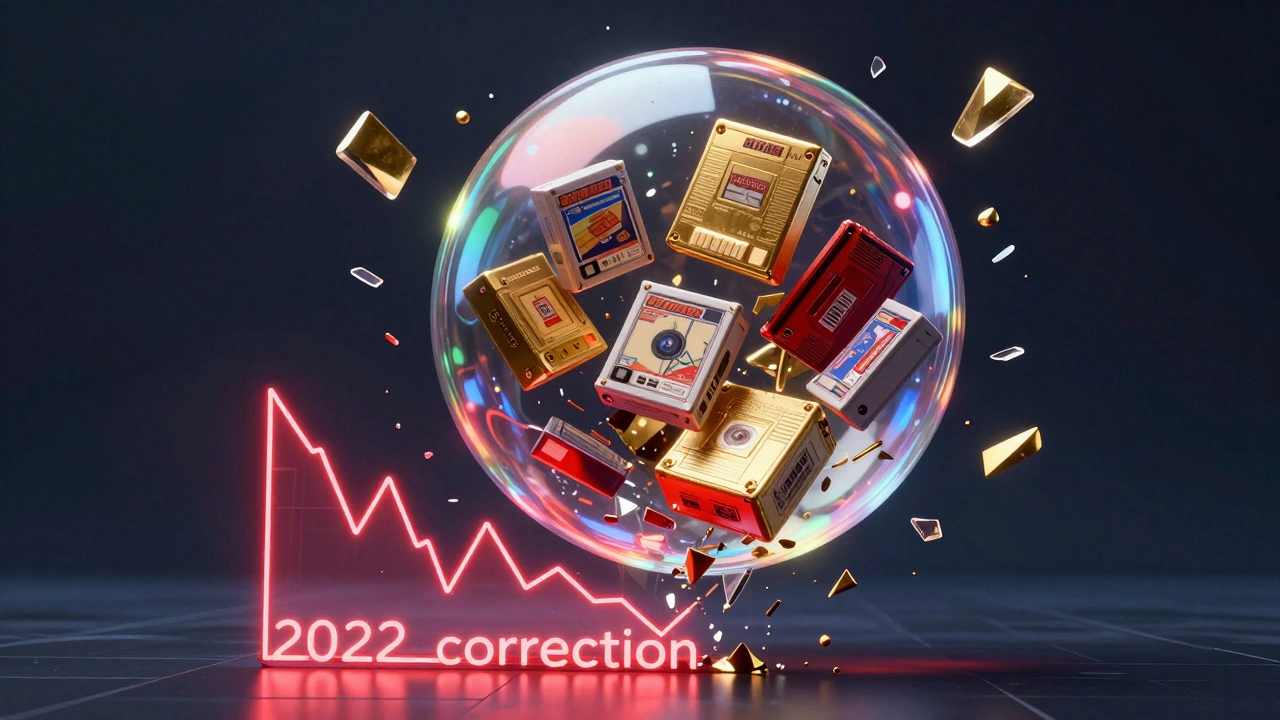
The Condition Premium Gap
One of the most interesting parts of this trend is how much "sealed" actually matters compared to "complete." In the collecting world, a "complete in box" (CIB) game is one that has the box and manual but has been opened. A sealed game is untouched. The price gap between these two is massive and varies by title. For instance, in the Sega Dreamcast library, a sealed copy of Street Fighter Alpha 3 commanded a 253% markup over a complete copy. Compare that to The Last Blade 2, where the sealed premium was only 57%. This shows that for certain "grail" games, the seal is the primary value driver. For others, the game's inherent rarity as a piece of software is what matters more. As the market matured, buyers became more discerning, focusing on high-grade specimens rather than just anything that happened to be sealed.Stabilization and the Shift to Nineties Nostalgia
Since 2023, the market has moved away from volatility and toward stability. We aren't seeing the same explosive growth, but we aren't seeing a total collapse either. Instead, the focus has shifted toward a broader definition of "Nineties Nostalgia." While sealed cartridges have stabilized at lower prices, related collectibles are thriving. Look at the Pokémon is a global media franchise centered on catching and battling pocket monsters, featuring trading cards and video games ] ecosystem. In March 2026, a complete master set of 332 Pokémon Skyridge cards-all graded Gem Mint 10 by PSA is Professional Sports Authenticator, the leading third-party certification service for trading cards and memorabilia ]-sold for $1.2 million. This happened as part of a record $7.6 million auction. This tells us that the money hasn't left the hobby; it just moved. Millennial collectors with disposable income are now diversifying. They aren't just buying a single sealed game; they're buying manga, vintage consoles, action figures, and high-grade cards. The market has moved from a speculative bubble to a lifestyle-driven collection habit.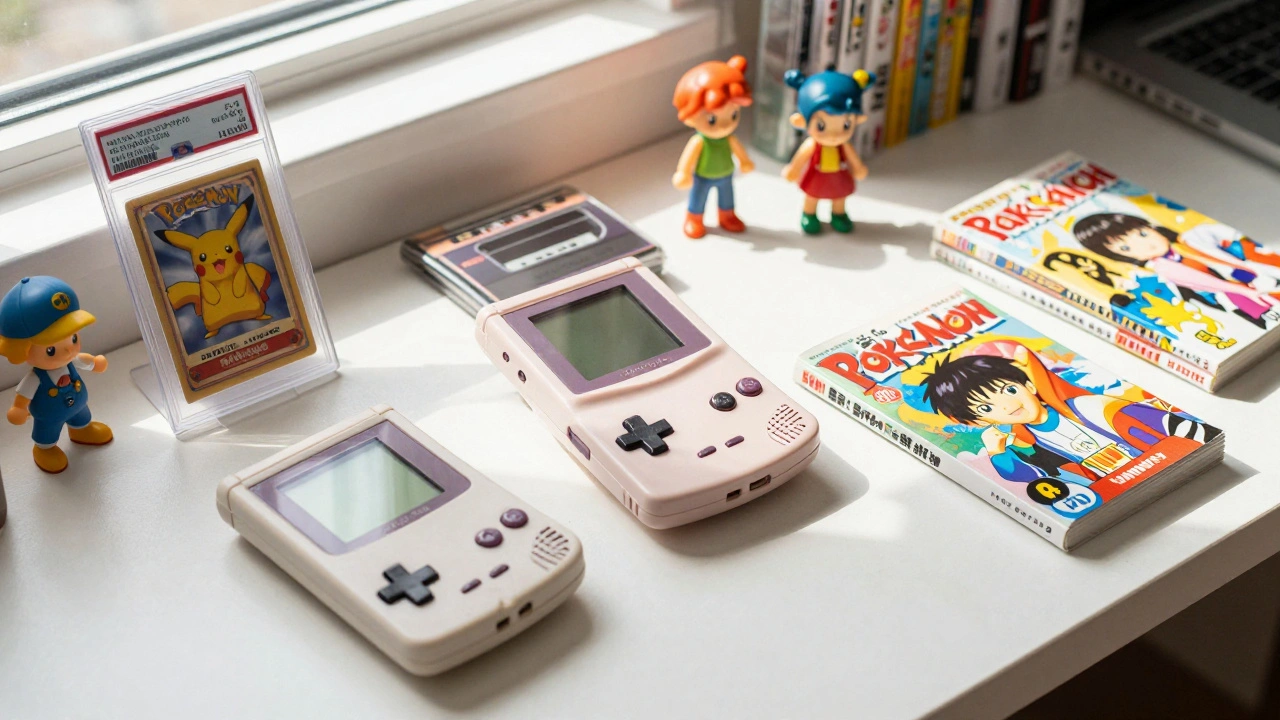
Lessons from the Boom-and-Bust Cycle
If you're looking to enter the market now, the rules have changed. In 2021, you could buy almost any sealed game and expect it to go up. In 2026, the market is fundamentals-based. This means the value is tied to actual demand from collectors, not the hope that a "whale" investor will overpay for it next month. We've learned that the market is incredibly sensitive to grading. A WATA 9.8 is a different asset class than a WATA 9.0. We've also seen that the "top 1%" of games (the elite specimens) hold their value much better than the mid-tier. If you own a common sealed game from a popular series, don't expect 2021 prices. But if you own a truly rare, high-grade specimen, you're holding an asset that has survived a brutal market correction.Why did sealed video game prices drop so much after 2021?
The price drop was primarily a correction from a speculative bubble. During the pandemic, an influx of "alternative investment" capital from non-collectors drove prices to unsustainable levels. As the economy changed and speculative interest shifted, the market returned to valuations based on actual collector demand rather than investment hype.
Is WATA grading still the industry standard?
WATA remains a major player, but the market has become more diversified. CGC (Certified Guaranty Company) has also become a significant force in grading video games, and collectors often compare the two. The importance of the grade itself remains high, as high-grade specimens (9.0+) continue to command the highest premiums.
What is the difference between a "sealed" and a "complete" game?
A sealed game is one that has never been opened and retains its original factory shrink-wrap or seal. A "complete" game (CIB) includes the original box and manual but has been opened. Sealed games are significantly more valuable because they are rarer and represent a "time capsule" state.
Which franchises hold the most value in auctions?
Franchises with strong 90s nostalgia and a dedicated global fanbase perform best. This includes The Legend of Zelda, Super Mario, Final Fantasy, and Mega Man. Titles with distinct, visually appealing packaging (like black pixel art boxes) often see higher premiums at auction.
Are trading cards a safer investment than sealed games?
Neither is "safe," but trading cards, particularly Pokémon, have shown more resilience and consistent volume through 2026. This is partly because cards have a more established, long-term grading infrastructure (like PSA) and a broader base of entry-level collectors compared to the ultra-high barrier to entry for sealed vintage games.
Next Steps for Collectors
If you're currently holding sealed games or looking to buy, your strategy should depend on your goals:- The Investor: Focus exclusively on "Elite" specimens (Grade 9.0+). The mid-tier market is where the most risk lives. Look for titles with historical stability rather than those that spiked in 2021.
- The Hobbyist: Now is a great time to buy. The correction has removed the speculators, meaning you can find high-quality games at prices that reflect their actual value rather than a bubble price.
- The Seller: Be realistic about your expectations. Check the 2023-2025 auction results from Heritage or Goldin rather than the 2021 records. Using a reputable grading service is non-negotiable if you want to hit top-tier prices.