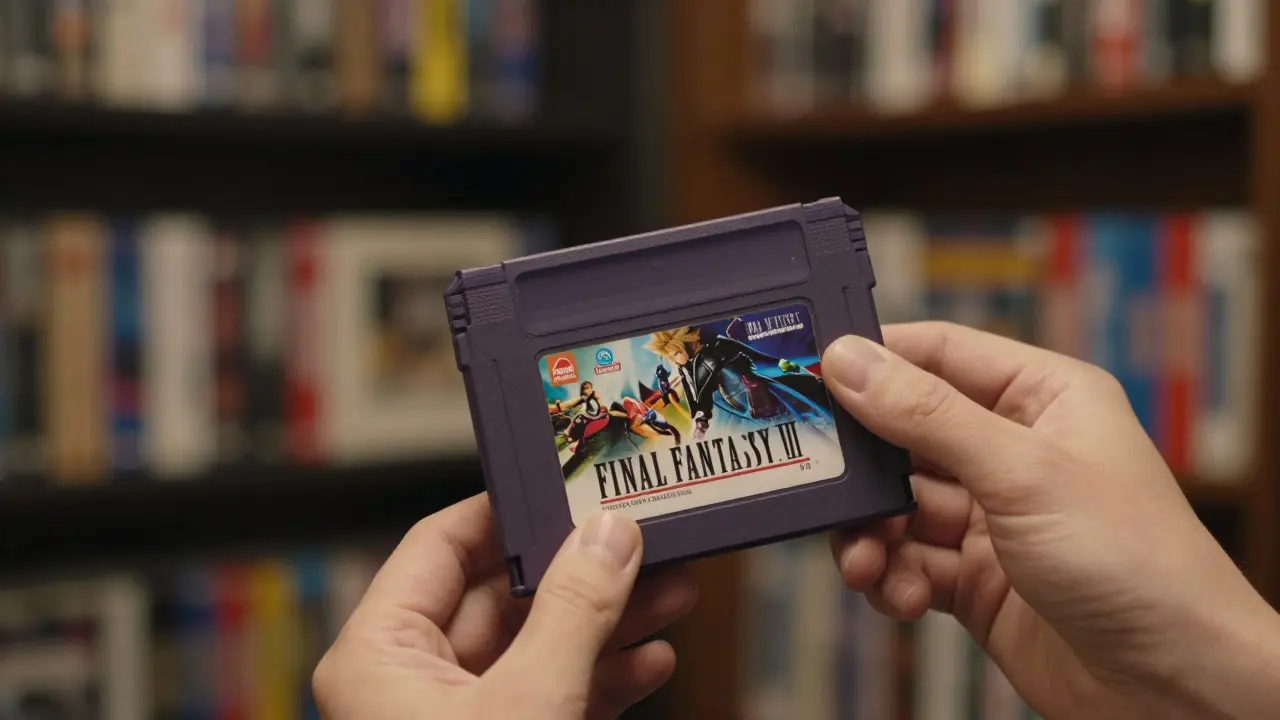
Buying a sealed copy of Final Fantasy VII in 2015 was a safe bet. Buying one today? Not so much. The video game collector’s market has shifted from steady appreciation to volatile swings, driven by digital distribution, re-releases, and shifting cultural nostalgia. If you’re trying to decide whether to hold, sell, or buy new stock, guessing isn’t enough. You need data.
This guide breaks down the specific forecasting tools and data sources that serious collectors use to track video game market trends. We aren't talking about vague sentiment analysis; we are looking at concrete platforms that provide price history, demand metrics, and condition-based valuation models. Whether you are flipping cartridges or building a long-term portfolio, these tools help you move from intuition to evidence.
Why Traditional Valuation Fails in Modern Gaming Markets
In the past, the value of a physical game was tied almost exclusively to its rarity. If fewer than 1,000 copies existed, it was valuable. Today, the equation is more complex. A game can be rare but have low demand if the original console is obsolete without a dedicated emulation scene. Conversely, a common title from a hit franchise like Super Mario Bros. can command high prices due to consistent buyer interest.
The core problem with relying on memory or casual observation is the lack of standardized condition grading. A "near mint" cartridge on eBay might be graded differently than one on a specialized auction site. This inconsistency creates noise in the data. Effective forecasting requires normalizing this data, which is where specialized tools come in. They strip away the emotional bias of individual sellers and focus on transaction volume and historical pricing patterns.
Primary Data Sources: Where the Numbers Live
Before you can forecast, you need raw data. Three primary entities dominate the landscape for tracking physical media values:
- eBay Sold Listings: The most comprehensive dataset. Unlike "active listings," which show asking prices, sold listings show what buyers actually paid. This is the gold standard for determining real-world value. However, the interface is clunky, and filtering out outliers (like typos or bundles) takes manual effort.
- PriceCharting: A dedicated database that aggregates sales from multiple marketplaces. It provides a clean, visual graph of price history over time. Its key attribute is the "condition adjustment," allowing you to see how value drops as the grade moves from Mint to Poor. It covers consoles from NES to PS4, making it a central hub for cross-platform comparison.
- WorthPoint: Originally focused on antiques, WorthPoint has expanded into video games. It offers a subscription-based model that provides deeper analytics, including regional price variations and inflation-adjusted returns. It’s less user-friendly than PriceCharting but offers more granular control for professional-grade analysis.
Each of these tools serves a different purpose. eBay gives you the raw truth. PriceCharting gives you the trend line. WorthPoint gives you the statistical depth. Most serious collectors use all three, cross-referencing data to ensure they aren't being misled by a single outlier event.
Understanding Condition Grading and Its Impact on Forecasting
You cannot forecast the future value of a game without understanding how condition affects price elasticity. In the video game world, condition is not just aesthetic; it is functional. A scratched disc may not play on older hardware, instantly dropping its value from "collectible" to "functional only."
Standard grading scales typically range from:
- Mint (M): No visible flaws. Box, manual, and cartridge/disc are pristine.
- Near Mint (NM): Minor shelf wear. No scratches on media.
- Very Good (VG): Visible wear, light scuffs. Media plays perfectly.
- Good (G): Heavy wear, possible cracks in box. Media may have minor issues.
- Poor (P): Damaged, incomplete, or non-functional media.
Forecasting tools allow you to isolate these grades. For example, data from PriceCharting shows that the premium for a Mint version of a popular title is often 30-50% higher than a Near Mint version. However, for obscure titles, the difference might be negligible because there are simply not enough buyers to create a premium market. Understanding this dynamic helps you avoid overpaying for cosmetic perfection on games that don't have the demand to support it.
How to Use Trend Lines for Buy/Sell Decisions
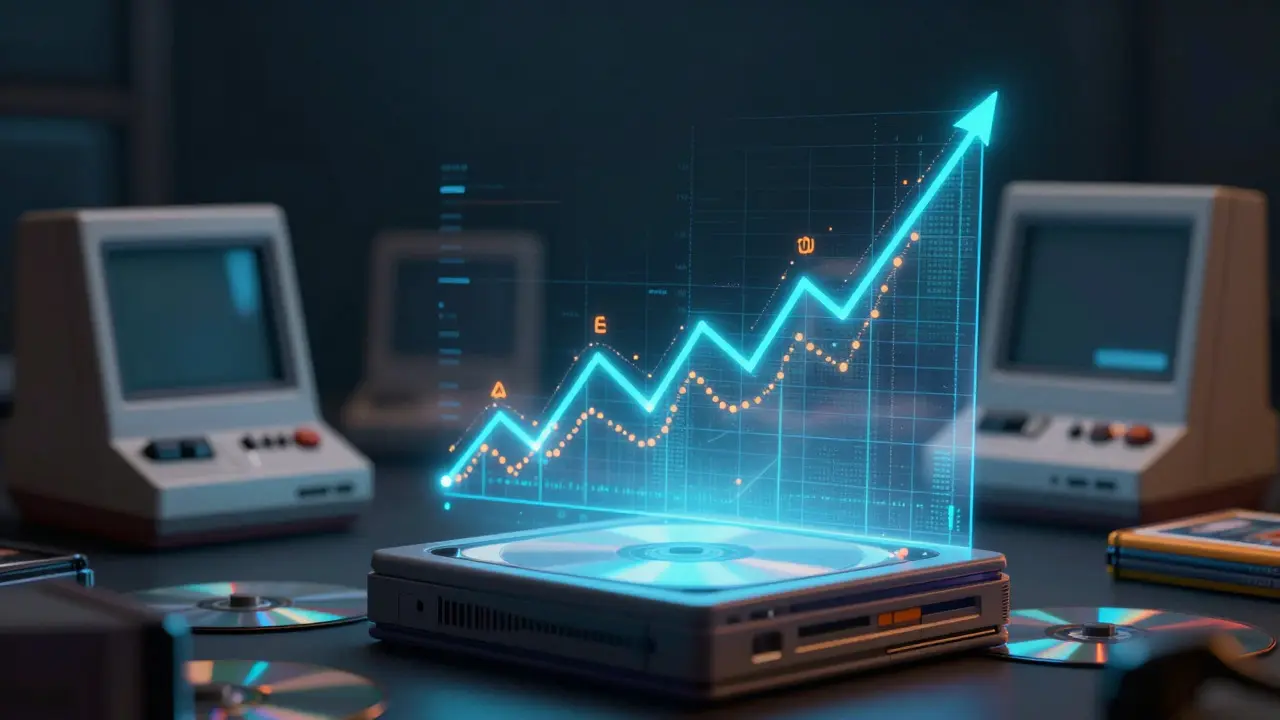
Once you have your data, the next step is interpretation. A flat line doesn't mean a game is stable; it might mean the market is saturated. A sharp spike could indicate a viral moment, a celebrity endorsement, or a simple error in data entry. Here is how to read the signals:
| Trend Pattern | Typical Cause | Actionable Insight |
|---|---|---|
| Steady Upward Slope (3+ years) | Growing nostalgia, limited supply, strong community | Hold or buy. Long-term appreciation is likely. |
| Sharp Spike followed by Drop | Viral social media post, influencer unboxing | Sell immediately. The hype will fade within weeks. |
| Flat Line with High Volume | Mass-produced title with steady casual demand | Good for liquidity. Easy to sell, but low profit margin. |
| Downward Slope | Re-release on modern platform, negative review of remaster | Sell before further depreciation. Digital alternatives are cannibalizing physical demand. |
A critical heuristic here is the "Rule of 100." If a game has had fewer than 100 verified sales in the last 12 months across all major platforms, treat any price data as unreliable. Small sample sizes lead to high volatility. One high bid can skew the average, making it look like the market is booming when it's actually stagnant. Always check the volume metric alongside the price metric.
Regional Differences and Currency Adjustments
If you are based in the US, you might assume US prices are the global standard. They aren't. Japanese imports, particularly for Nintendo and Sega titles, often trade at different premiums depending on the region. A game released in Japan with unique packaging or exclusive content might be worth 2x its US counterpart, even if the gameplay is identical.
When using forecasting tools, always filter by region. A tool that mixes US, EU, and JP data without distinction will give you a blurred picture. Furthermore, currency fluctuations matter. If the Yen weakens against the Dollar, Japanese sellers may lower their prices to attract international buyers, creating a temporary dip in global prices. Monitoring exchange rates alongside game prices can reveal arbitrage opportunities for collectors willing to import.

Common Pitfalls in Market Forecasting
Even with the best tools, human error creeps in. Here are the most common mistakes collectors make when analyzing data:
- Confusing Asking Price with Selling Price: Looking at active listings on eBay tells you what sellers *hope* to get, not what the market will bear. Always use sold data.
- Ignoring Bundle Effects: Many sold listings include extras (manuals, boxes, promotional materials). If you are buying a loose cartridge, compare it to other loose cartridge sales, not boxed sets.
- Overlooking Re-release Threats: If a beloved classic is announced for a modern console port, the physical value of the original often dips temporarily as buyers wait to see if the port is faithful. Monitor official announcements, not just sales data.
- Data Entry Errors: Sellers sometimes type $100 instead of $10.00. Always look for the median price, not the average, to mitigate the impact of outliers.
Building Your Personal Dashboard
You don't need to subscribe to every service to stay informed. A practical approach is to build a simple spreadsheet or use a free tool like Google Sheets to track your top 10 holdings. Columns should include: Title, Console, Condition, Current Median Price (from PriceCharting), 6-Month Change (%), and Last Verified Sale Date. Update this monthly. This personal dashboard allows you to spot trends specific to your collection, rather than getting lost in the broader market noise.
For those who want automation, several browser extensions exist that overlay current price data directly onto eBay listing pages. These tools scrape recent sold listings and display a mini-graph right on the product page. While convenient, verify the data source, as some extensions rely on cached data that may be weeks old.
Frequently Asked Questions
What is the most accurate tool for tracking video game prices?
eBay Sold Listings is generally considered the most accurate because it reflects actual transactions. However, PriceCharting is better for viewing trends over time because it cleans and organizes that raw data into easy-to-read graphs. Using both in combination provides the highest level of accuracy.
Does the condition of the game box really affect the price?
Yes, significantly. For high-demand titles, a complete set in Mint condition can be worth 3-5 times more than a loose cartridge. For low-demand titles, the difference is smaller. Always check the specific condition breakdown in your forecasting tool to see the price delta between grades.
How often should I check market trends for my collection?
For long-term holders, checking once a month is sufficient. For active flippers, checking weekly or using real-time alerts is recommended. Market shifts can happen quickly during holidays or around major gaming anniversaries, so increase frequency during these periods.
Can I use these tools for digital games?
Not effectively. Digital games do not have a secondary physical market. Their value is tied to availability on storefronts like Steam or PlayStation Store. Once a digital game is removed from sale, its value is essentially zero unless it becomes a cult classic with a dedicated emulation community, which is rare and hard to quantify with standard tools.
What is the difference between a 'loose' game and a 'complete in box' game?
A 'loose' game consists only of the cartridge or disc. A 'complete in box' (CIB) game includes the original box, instruction manual, and any included stickers or inserts. CIB versions are significantly more valuable and harder to find, making them the primary target for serious collectors.