
Imagine you just scored a rare Shiny Charizard from a stranger on Discord. You sent the money via PayPal G&S, waited three days, and got nothing but silence. Or worse, you received a crumpled piece of cardboard that looked like it had been chewed by a dog. This isn't just bad luck; it's the dark side of unmoderated peer-to-peer trading. In the world of video game collectibles, physical goods, and digital assets, trust is the most expensive currency. That’s why vouch systems and feedback threads exist. They aren't just bureaucratic hurdles-they are your primary defense against scams in communities where no central authority holds your money in escrow.
If you’ve ever traded Magic: The Gathering singles, bought a used PS5 on Reddit, or swapped League of Legends skins, you know the anxiety of hitting "send." Without a bank acting as an intermediary, you’re relying entirely on social proof. A vouch system turns a nameless username into a trackable entity with a history. But how do these systems actually work? And more importantly, how can you read them correctly to avoid losing your shirt? Let’s break down the mechanics of community trust and give you the tools to trade like a pro.
The Anatomy of a Vouch System
A vouch is essentially a public endorsement of a user’s reliability after a completed transaction. Unlike a simple "like" button, a vouch usually carries specific metadata: who traded with whom, what was exchanged, the method of payment, and often, the speed of delivery. Think of it as a mini-review attached directly to a user’s profile.
Why does this matter? Because anonymity breeds chaos. On platforms like r/GameDeals or specialized forums for World of Warcraft gold sellers, anyone can create an account five minutes ago and claim to be a veteran trader. A vouch history acts as a resume. It proves existence over time. If User123 has 50 positive vouches spanning two years, they are statistically less likely to pull a disappearing act than someone with zero history.
However, not all vouches are created equal. There are distinct types you need to recognize:
- Direct Vouches: These come from people who have personally transacted with the seller. This is the gold standard.
- Witness Vouches: Sometimes, a moderator or a third party watches a trade happen live (e.g., in a Discord voice chat) and vouches for the outcome. This adds a layer of verification but doesn’t guarantee future behavior.
- Self-Vouches: Some users post their own trades and ask others to confirm. Be wary here; context matters heavily.
The core function of this system is risk mitigation. By aggregating small data points-speed, packaging quality, communication style-the community builds a probabilistic model of who is safe to deal with. It’s decentralized credit scoring, powered by human experience rather than algorithms.
Reading Between the Lines of Feedback Threads
Feedback threads are the raw data logs of a community. If vouches are the summary, feedback threads are the case studies. When you click on a user’s profile, you might see a list of links to previous threads where they were praised or criticized. Reading these requires detective skills. You’re looking for patterns, not just isolated incidents.
Start by checking the recency. A user with 100 vouches from 2019 but none since 2024 might have moved on, changed their lifestyle, or simply stopped caring about their online reputation. Freshness indicates active participation and current reliability. Next, look at the nature of the complaints. Did someone complain because a package arrived two weeks late due to postal strikes? Or did they complain because the item was fake?
Context is everything. A "neutral" vouch saying "Item arrived, but communication was slow" is very different from a negative one saying "Seller ghosted me for a week." You need to weigh the severity of the issue against the value of the item. Losing $5 on a slow shipping experience is annoying; losing $500 on a missing graphics card is devastating.
| Phrase Used | Typical Meaning | Risk Level |
|---|---|---|
| "Fast shipper!" | Item sent within 24-48 hours. | Low |
| "Great communication." | Seller responded quickly to messages. | Low |
| "As described." | Item condition matched photos/text. | Medium (Subjective) |
| "Slow response." | Took days to reply to DMs. | Medium |
| "Packaging was poor." | Item arrived damaged or bent. | High (Costly to fix) |
| "Dispute resolved." | There was a problem, but it was fixed. | Variable (Check details) |
Notice how "As described" is rated medium risk? That’s because descriptions are subjective. One person’s "light wear" is another person’s "ruined." Always cross-reference the feedback with the actual photos posted in the original sales thread. If multiple buyers complain about vague descriptions, that’s a red flag for transparency issues, even if the item itself was genuine.

The Rise of Digital Reputation Platforms
While traditional forums rely on manual text posts, newer platforms are automating this process. Services like Trustpilot, Reddit Karma, and specialized gaming marketplaces like PlayerAuctions have integrated rating systems directly into the checkout flow. But in niche communities-think Path of Exile trading or retro console swaps-manual vouch threads still dominate.
Why stick with the old way? Because specificity beats stars. A 5-star rating tells you little. A text vouch saying "Sent a sealed copy of Hollow Knight Switch edition in a bubble mailer with tracking number provided immediately" gives you actionable intel. It tells you the seller understands logistics and respects buyer anxiety.
Some communities have developed hybrid models. For example, certain Discord servers use bots that require both parties to react with a specific emoji to generate a verified vouch log. This prevents fake screenshots and ensures mutual agreement on the outcome. It’s a smart use of technology to enforce social contracts without heavy-handed moderation.
But beware of "vouch farming." Some scammers build up quick, low-value vouches (e.g., trading $1 gift cards) to establish credibility before attempting a high-ticket scam. Always check the value range of past transactions. A seller with fifty $5 trades trying to sell a $300 Zelda figure needs extra scrutiny compared to someone who regularly moves $200+ items.
Pitfalls and Scams in Community Trading
Even with a solid vouch history, things go wrong. Here are the most common traps traders fall into, and how to spot them early.
1. The Switcheroo: You send a rare card; they send a common one of similar weight. Feedback threads help here if other buyers mention "item mismatch." Ask for close-up photos of unique identifiers (serial numbers, scratch codes) before shipping.
2. The Ghost Shipper: They take your money and disappear. Check if the seller has a history of providing tracking numbers. A pattern of "no tracking provided" is a major warning sign for high-value items.
3. Fake Screenshots: A new account claims to have 500 vouches on another platform but provides blurry screenshots. Verify if possible. If they refuse to link to their main profile or provide verifiable IDs, walk away.
4. Chargeback Abuse: In digital goods, this is rampant. A buyer receives a game key, plays it, then files a chargeback claiming it didn't work. Sellers hate this. Look for vouches mentioning "fair play" or "no chargebacks" to gauge if a buyer is reputable.
How do you protect yourself? Use payment methods with protection. PayPal Goods & Services offers some recourse, though it favors buyers. Crypto payments are final-great for sellers, risky for buyers unless there’s strong social proof. Never wire money via Western Union or Zelle for strangers; those are irreversible transfers.
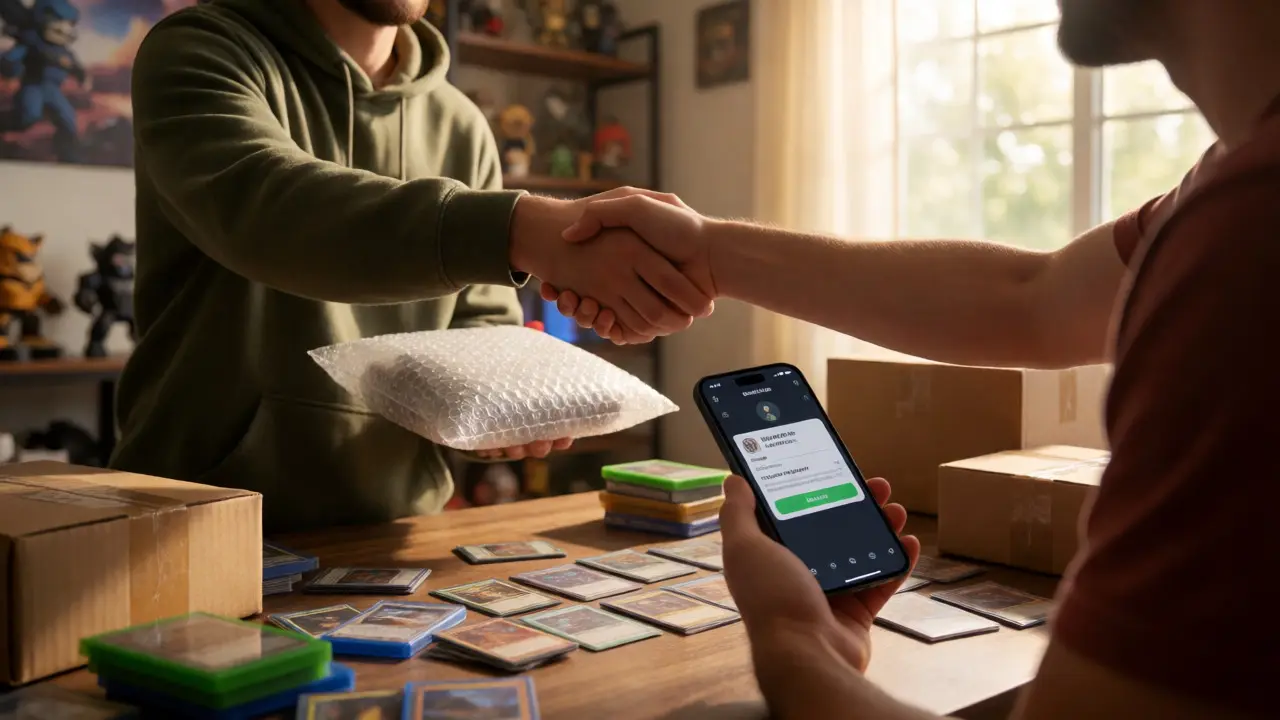
Building Your Own Trader Reputation
If you’re starting out, you’re in a catch-22: you need vouches to get deals, but you need deals to get vouches. Start small. Trade low-risk items first. Offer to pay slightly above market rate for your first few trades to incentivize experienced traders to take a chance on you.
Communication is your best marketing tool. Respond quickly. Provide updates when you ship. Send tracking numbers before you’re asked. Small gestures build trust faster than big promises. Once you complete a trade, politely ask the other party to leave a vouch in the designated thread. Don’t beg, just remind them. Most people forget unless prompted.
Consistency is key. Over time, your username becomes synonymous with reliability. In tight-knit communities, word spreads fast. A reputation for honesty can lead to better deals, priority access to rare items, and even friendships. Conversely, one bad trade handled poorly can haunt you for years. Treat every interaction as a permanent record.
Best Practices for Safe Trading
To wrap up, here is a checklist to ensure you stay safe while leveraging vouch systems and feedback threads.
- Verify Identity: Cross-check usernames across platforms (Discord, Reddit, Steam).
- Check Recency: Prioritize recent activity over total count.
- Read Details: Ignore star ratings; read the text comments.
- Use Protected Payments: Avoid irreversible methods for unknown parties.
- Document Everything: Save screenshots of chats, listings, and tracking info.
- Trust Your Gut: If a deal seems too good to be true, it probably is.
Vouch systems and feedback threads are imperfect tools in an imperfect world. They won’t stop every scammer, but they significantly tilt the odds in your favor. By treating reputation as a tangible asset, you contribute to a healthier ecosystem where gamers can trade freely without fear. So next time you’re eyeing that rare loot, don’t just look at the item-look at the history behind the hands holding it.
What is a vouch in gaming communities?
A vouch is a public confirmation from a previous trading partner that a transaction was completed successfully. It serves as a reference check, detailing aspects like communication speed, item accuracy, and shipping reliability.
Are vouches reliable indicators of trustworthiness?
Generally, yes, especially if they are recent and detailed. However, they can be manipulated through 'vouch farming' (many small, low-value trades). Always look for a mix of transaction values and read the specific comments for context rather than just counting positives.
How do I handle a dispute if a trader breaks their promise?
First, try to resolve it privately with evidence (screenshots, tracking). If unresolved, post a neutral or negative vouch explaining the situation factually. Many communities have moderators who can mediate or ban repeat offenders based on aggregated feedback.
Can I trust a user with zero vouches?
It's risky. If you must trade with a newcomer, start with a low-value item. Ask for additional verification, such as linking social media accounts or participating in community events. Consider using a middleman service if available in your community.
What payment methods are safest for community trading?
PayPal Goods & Services is widely accepted because it offers buyer protection, though fees apply. Bank transfers and crypto are safer for sellers but riskier for buyers. Avoid Zelle, Venmo (friends/family), and wire transfers for strangers as they lack dispute mechanisms.