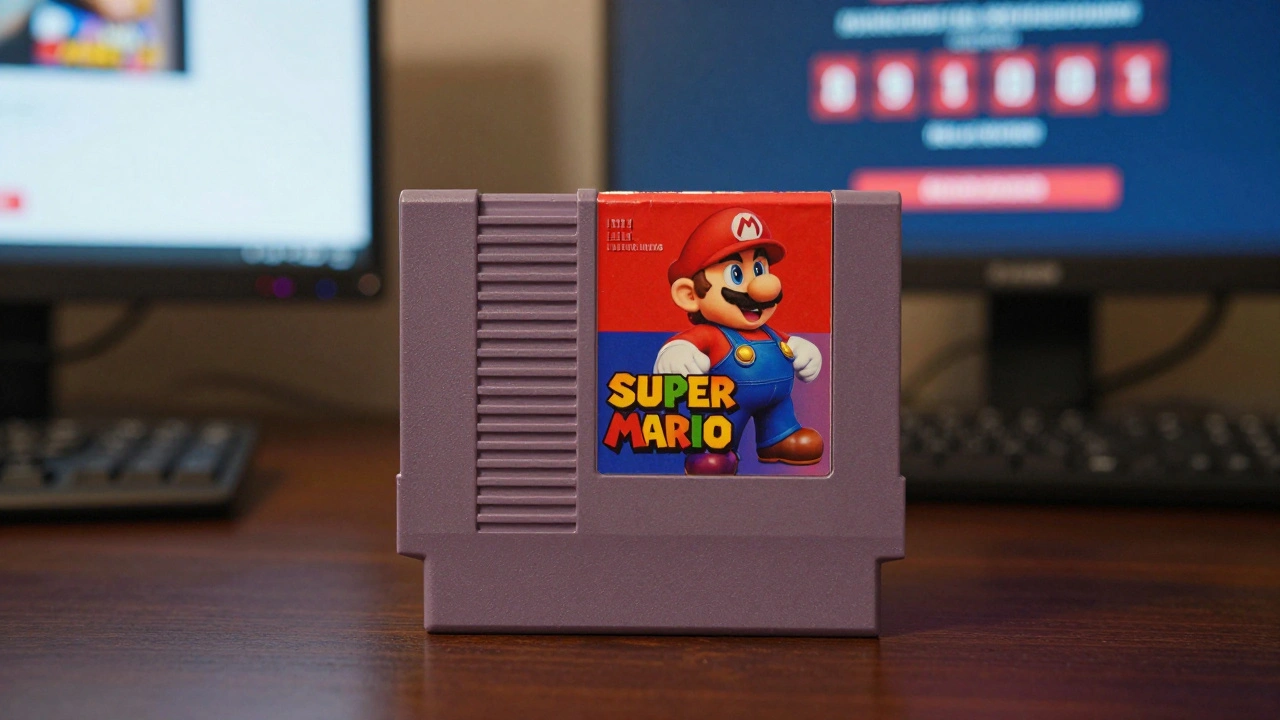
You found that sealed copy of Super Mario Bros. on eBay. The price is low. Your heart races. Do you bid now? Wait until the last second? Or set a maximum and walk away? This isn't just about luck; it's about strategy. In the world of video game auctions, how you place your bid matters just as much as what you are buying. Whether you are hunting for rare cartridges or modern collectibles, understanding the mechanics of proxy bidding, auction sniping, and early bidding can save you hundreds of dollars.
I’ve spent years tracking these markets from my desk in Portland. I’ve seen people overpay because they got emotional, and I’ve seen others walk away with deals because they understood the system. Let’s break down exactly how to win without breaking the bank.
The Truth About Proxy Bidding
Most platforms like eBay use a system called proxy bidding. Many new collectors misunderstand this. They think if they bid $50, their bid is $50. It’s not. That $50 is your maximum. The system bids on your behalf, only raising your offer by the minimum increment needed to keep you in the lead.
Here is how it works in practice. If the current bid is $450 and you enter a max of $600, the system might show your bid as $460 (assuming a $10 increment). If someone else bids $480, the system automatically bumps you up to $490. You stay in the lead without lifting a finger, up to your limit of $600.
This approach has three major advantages:
- Budget Discipline: You decide the hard number before emotions kick in. You won’t get caught up in a bidding war that pushes a $100 game to $500.
- Privacy: Other bidders don’t see your max. They only see your current position. This masks your true valuation.
- Convenience: You don’t need to stare at your screen waiting for the clock to tick down.
The downside? You might reveal your interest early. If you place a high proxy bid early, competitors know there is serious money behind the item. This can trigger a competitive response from other serious collectors who were previously watching from the sidelines.
Auction Sniping: The Art of the Last Second
Auction sniping involves placing your bid in the final seconds of an auction. The goal is simple: give opponents no time to react. If you bid at the 10-second mark, even if they have a higher proxy set, they might not realize they’ve been outbid until the auction ends.
Research from Stanford University suggests that late bidding is a dominant strategy in timed auctions. Why? Because it hides your intentions. A bidder looking at a listing with few bids might assume the item is unwanted. Then, boom-a bid hits at the last second. They never had the chance to counter.
To do this effectively, you have two options:
- Manual Sniping: Set a timer. Be ready. Click bid in the last 5-10 seconds. This requires focus and fast internet.
- Automated Tools: Use services like Gixen or AuctionSniper. These tools allow you to set your max and timing hours in advance. The bot places the bid for you at the exact moment you specify.
The risk here is technical failure. Internet connections drop. Servers lag. If your bid doesn’t transmit in those final milliseconds, you lose. However, many platforms now have automatic extension features. If a bid comes in during the last minute, the auction extends by another minute. This neutralizes some sniping advantages but still favors those who are prepared to act quickly.

Early Bidding: Gauging the Waters
Some collectors prefer early bidding. This usually means placing a low, minimum bid right when the auction starts. For example, if the starting bid is $10, you bid $10 immediately.
Why do this? It’s a low-risk way to test competition. If your bid stays active for days, you know interest is low. You might be able to win the item cheaply later. If others jump in immediately, you know this is a hot item. You can then decide whether to increase your proxy max or walk away.
This strategy works best on slower-moving platforms like Heritage Auctions or Invaluable, where auctions run for longer periods. On fast-paced sites like eBay, early bidding often signals to others that the item is desirable, potentially driving up the final price.
Combining Strategies for Best Results
The most successful collectors don’t stick to one method. They mix and match based on the item and the platform. Here is a practical framework:
| Strategy | Best For | Risk Level | Key Benefit |
|---|---|---|---|
| Proxy Bidding | Set-and-forget, budget control | Low | Prevents emotional overbidding |
| Sniping | High-demand, rare items | Medium (technical risks) | Hides intent, stops reaction time |
| Early Low Bid | Gauging interest, slow auctions | Low | Reveals competition level |
A powerful hybrid approach is to research thoroughly, set a realistic proxy max, and then use a sniping tool to place that max in the final seconds. This combines the budget discipline of proxy bidding with the tactical advantage of sniping. You avoid the psychological trap of watching the price rise, and you deny opponents the chance to react.
Timing also plays a subtle role. Some data suggests that bidding at odd minutes (like 3:27 PM instead of 3:30 PM) can reduce direct competition. Many casual bidders act on round numbers. By being slightly off-beat, you might slip through unnoticed.
Critical Factors for Video Games
Video games aren’t generic commodities. Condition, rarity, and completeness drastically affect value. A loose cartridge of Pokémon Red is worth far less than a boxed, graded copy. Before you bid, you must know the market.
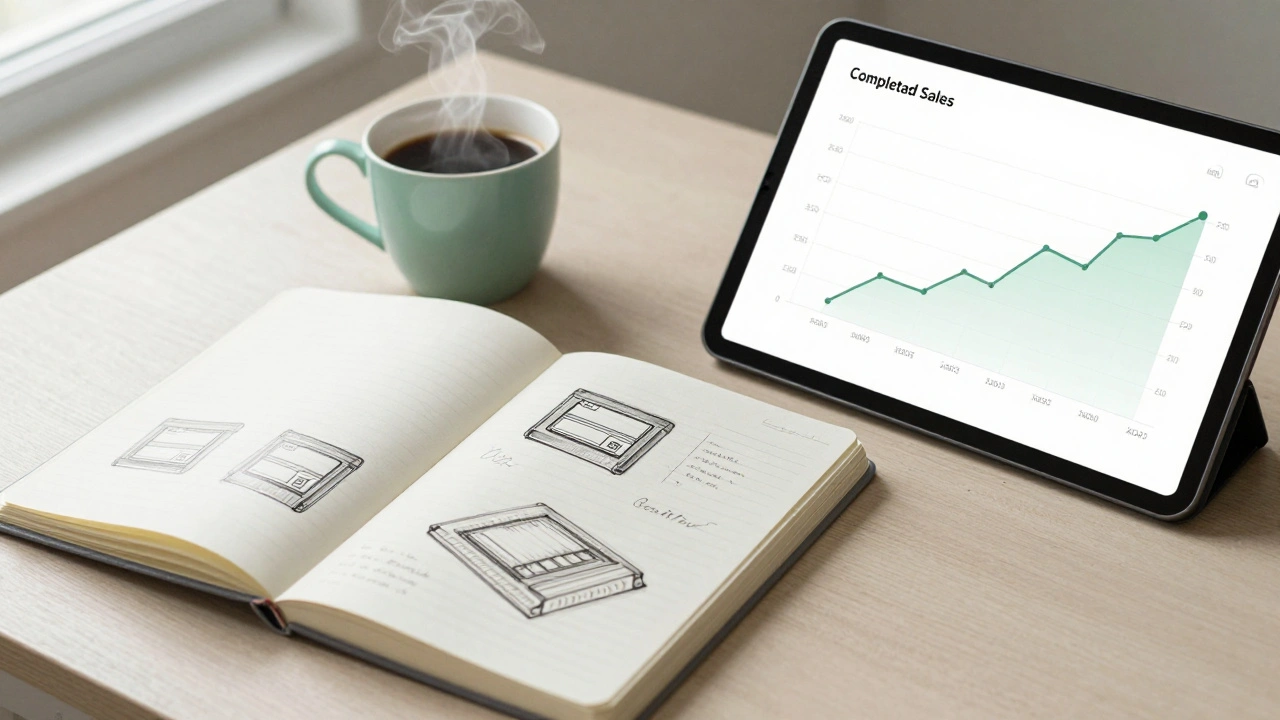
Use completed listings on eBay to check recent sales. Look for similar condition grades. If a graded 9.4 copy sold for $200, don’t let emotion push you to $400 for a 7.0 copy. Set your max based on data, not desire.
Also, consider the seller’s reputation. High-rated sellers often attract more bidders, which drives prices up. Newer sellers might have fewer watchers, giving you a better chance with a lower bid.
Common Pitfalls to Avoid
Even experienced collectors make mistakes. Here are the biggest ones:
- Emotional Bidding: Getting into a war with another user. Remember, you set a max for a reason. Stick to it.
- Ignoring Shipping Costs: The bid price isn’t the total cost. Factor in shipping and taxes into your max calculation.
- Misreading Condition: “Good” condition is vague. Ask for photos of labels, cases, and manuals. Poor lighting can hide scratches or discoloration.
- Overlooking Extensions: If you plan to snipe manually, remember that late bids can extend the auction. Be prepared to bid again if the clock resets.
Discipline is your greatest asset. The best deal isn’t always the cheapest; it’s the one where you paid a fair market price for an item you truly want, without regretting the spend later.
What is the safest bidding strategy for beginners?
For beginners, proxy bidding is the safest option. It prevents emotional overbidding and removes the stress of timing. Simply research the item’s market value, set a firm maximum you are comfortable paying, and let the platform handle the rest. This ensures you never pay more than your predetermined limit.
Does sniping work on all auction platforms?
Sniping works best on timed auctions like eBay. However, many platforms now use automatic extensions, which add extra time if a bid is placed in the final minutes. This reduces the effectiveness of sniping but doesn’t eliminate it. Always check the specific rules of the platform you are using.
Should I bid early or late on rare video games?
For highly sought-after rare games, late bidding (sniping) is generally more effective. It hides your interest and gives competitors less time to react. For common or less popular titles, early bidding might help you gauge interest and potentially win the item at a lower price if competition is low.
How do I determine my maximum bid?
Research completed sales for similar items in comparable condition. Use this data to establish a fair market value. Your maximum bid should be slightly below or at this value, depending on how much you want the item. Never set a max based on impulse; always base it on objective market data.
Can I change my proxy bid after placing it?
Yes, you can usually increase your proxy bid at any time. However, you cannot typically lower it once placed. Increasing your bid may signal strong interest to other bidders, so do this strategically. If you are already winning, there is no need to raise your max unless you feel threatened by new competition.